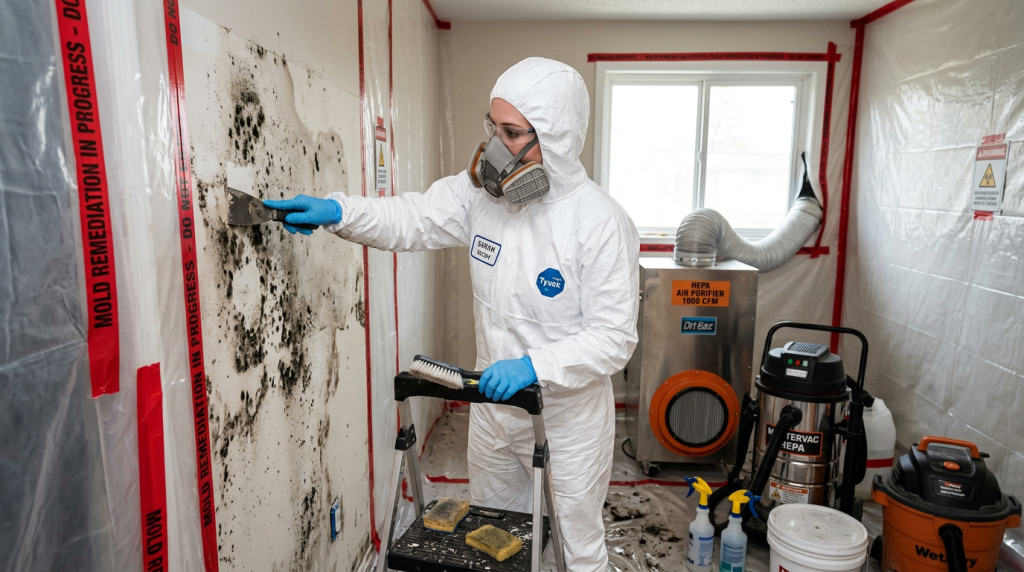
Mold in the Basement: A Homeowner’s Guide
Basement mold is rarely an emergency but never ignore it. Why it grows down there, the PPE you need, and when replacement beats cleaning.

Basement mold is rarely an emergency but never ignore it. Why it grows down there, the PPE you need, and when replacement beats cleaning.
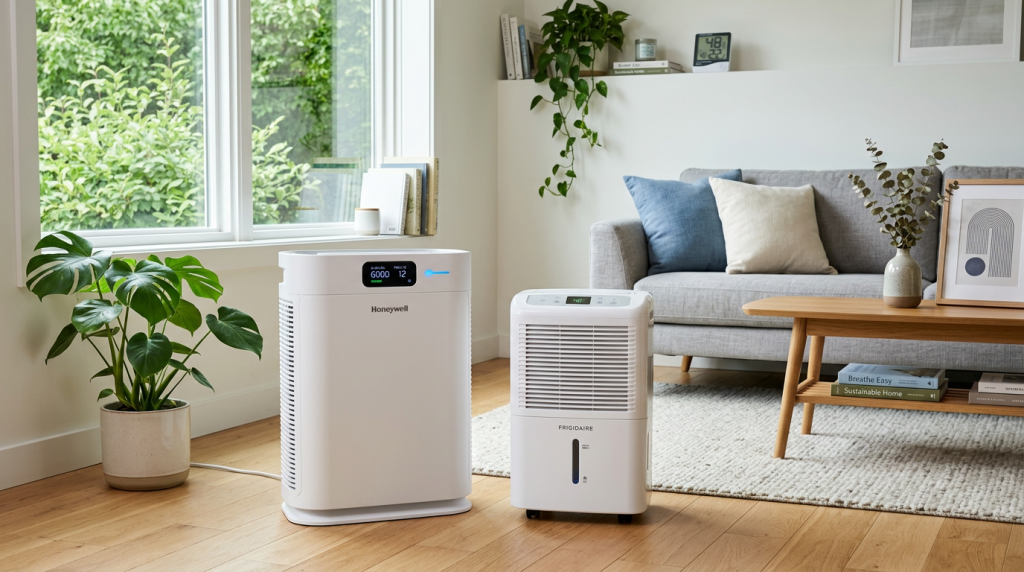
Six HEPA air scrubbers compared for mold work, from the 550 CFM XPOWER X-2580 to budget units. Filtration stages, airflow, and what to skip.
Wet and Forget is the long term kill and prevent pick for roofs, decks and siding. How it compares to Spray and Forget and when each one wins.
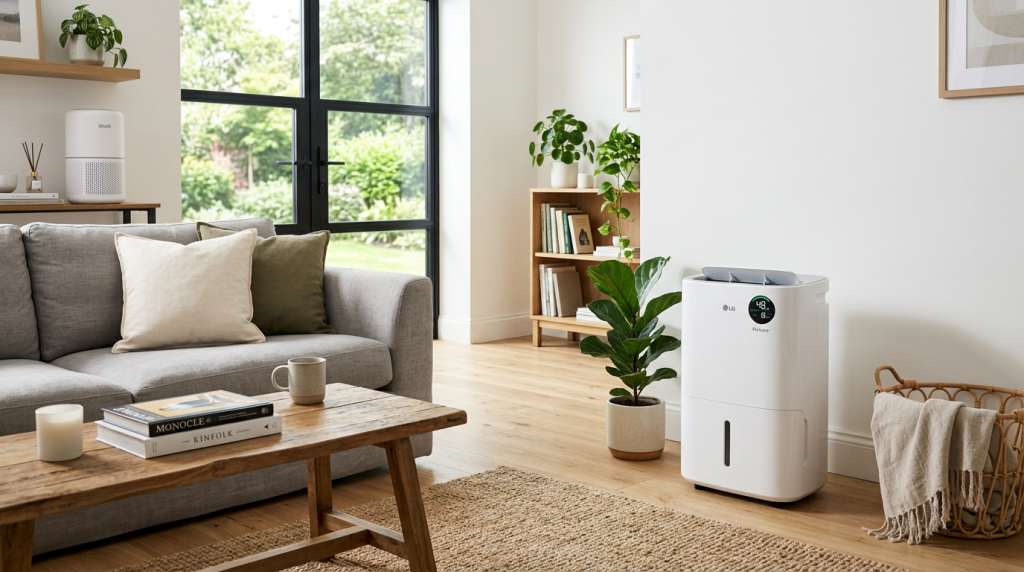
A dehumidifier prevents mold by holding humidity under 60 percent, but it cannot kill what is already growing. What it does and does not do.
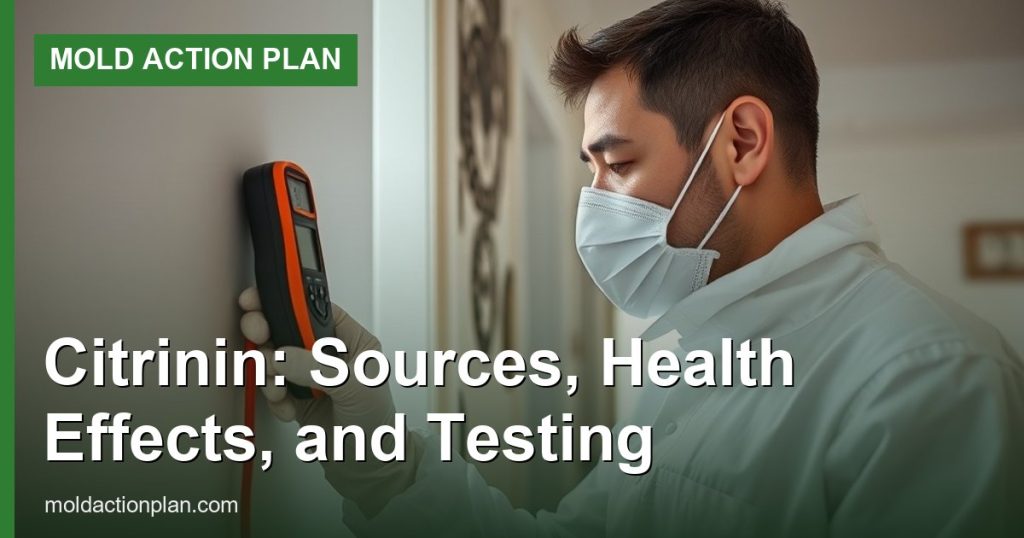
Citrinin comes from common molds in stored grain and damp buildings, often alongside ochratoxin. Kidney and liver concerns, and how it is tested.
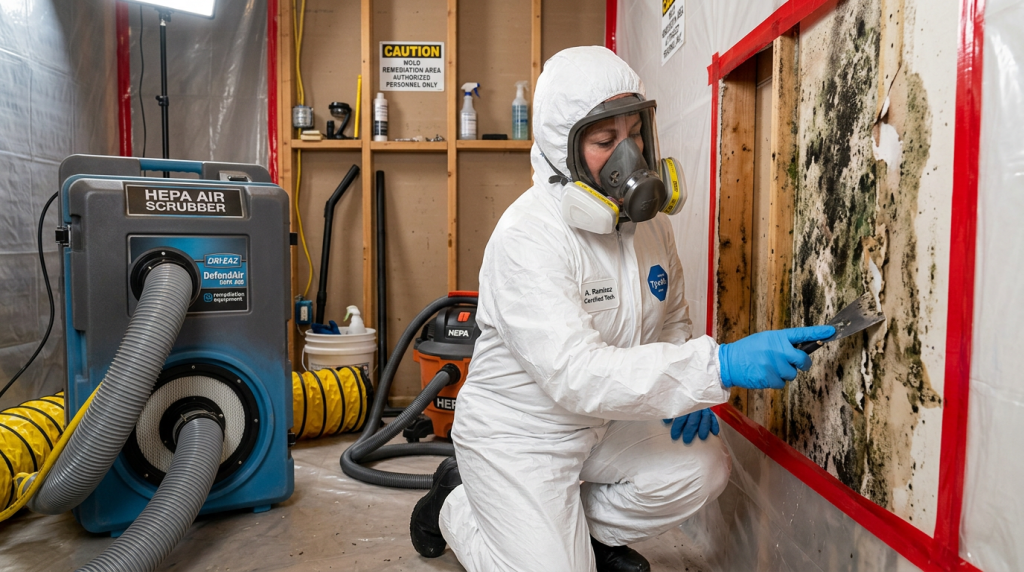
Musty smell is mVOCs from living mold, so air freshener fails. Find the source, kill it, dry the space, and handle the stubborn lingering cases.
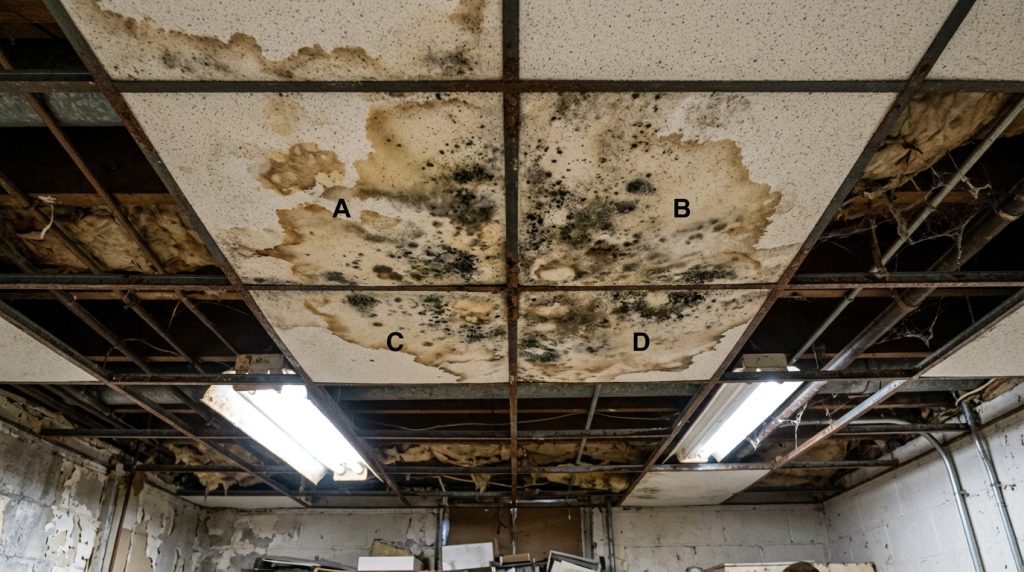
Bathroom ceiling mold is almost always a ventilation problem. Safe removal step by step, when drywall must be replaced, and how to keep it gone.
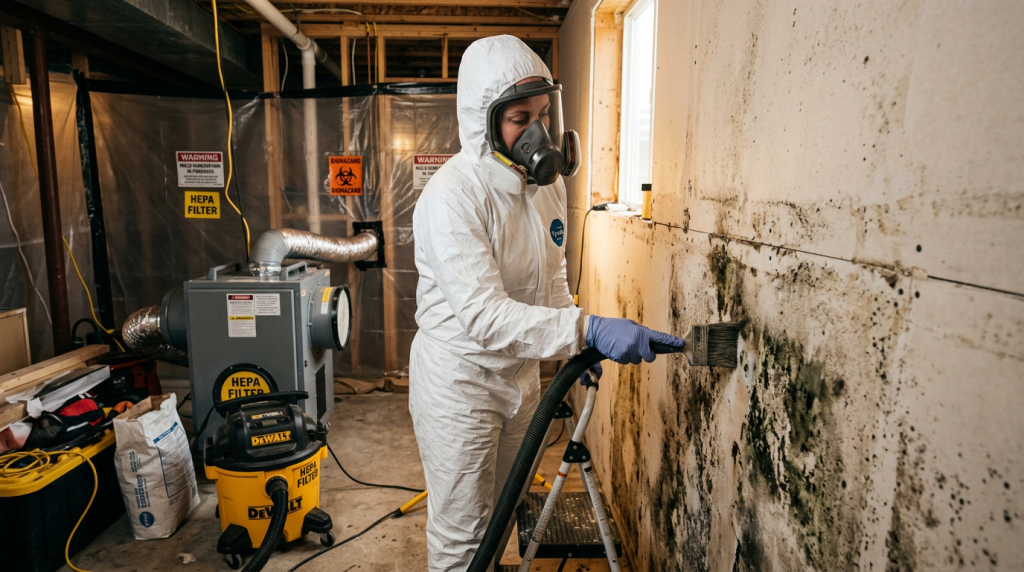
A musty smell with nothing visible means mold behind walls, under flooring, or in ducts. Follow the odor and confirm before you open anything up.
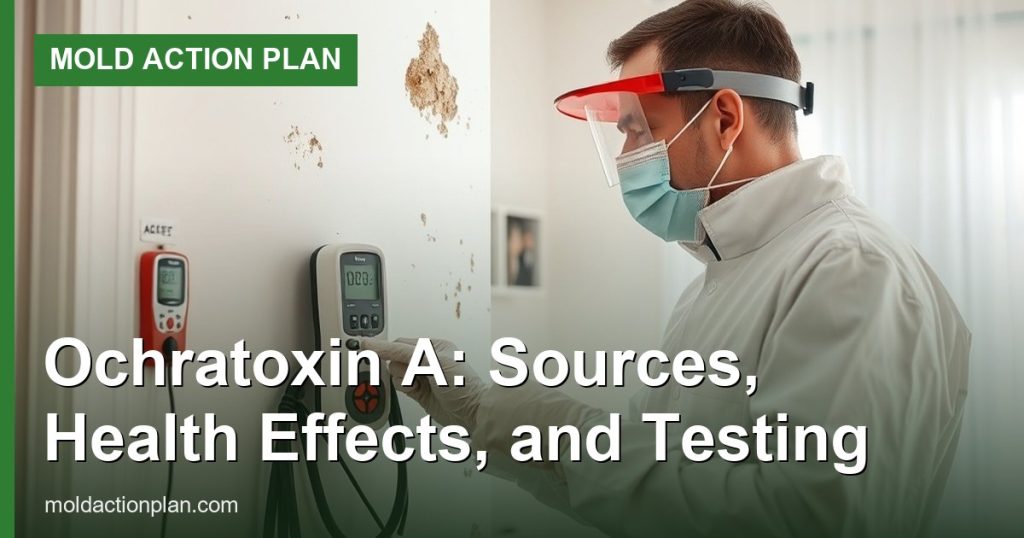
Ochratoxin A turns up in water damaged buildings and the food supply. Which molds produce it, the health effects reported, and testing options.
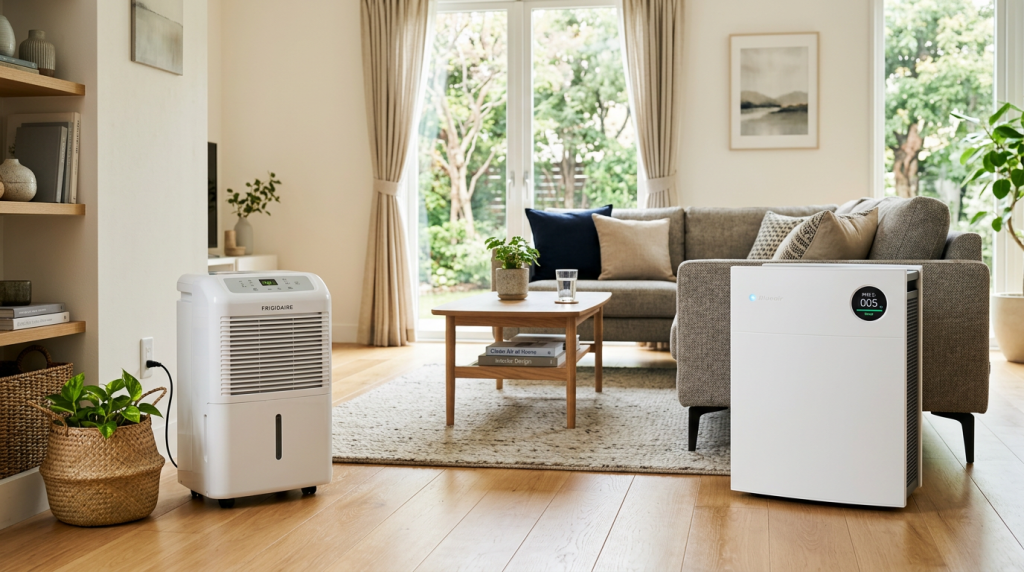
Concrobium wins on porous drywall, wood and fabric. Bleach suits sealed surfaces only and can worsen porous mold. Full head to head comparison.

Mold allergy mimics hay fever: sneezing, congestion, itchy eyes. Why spores trigger it, what actually helps at home, and when to see a doctor.
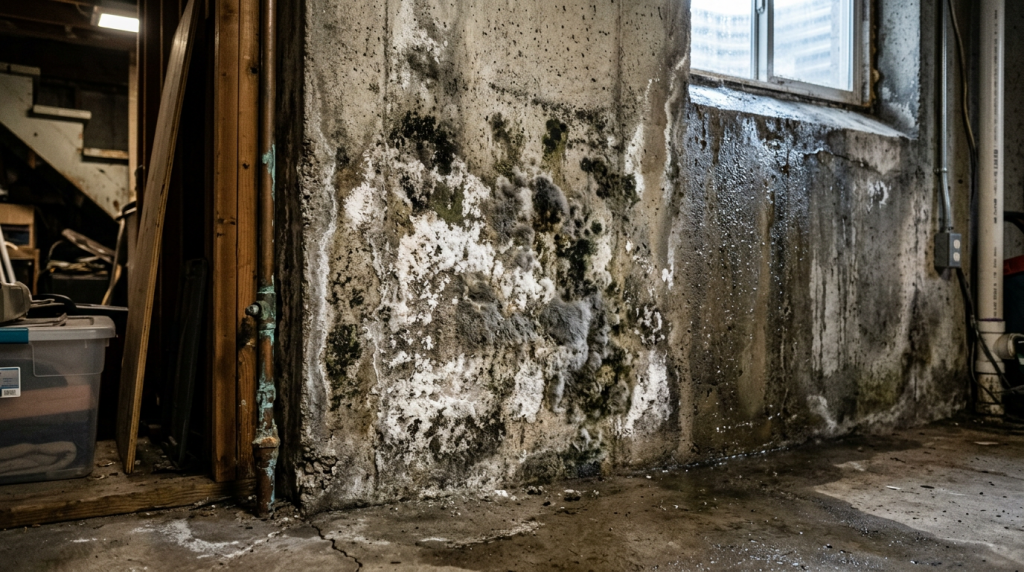
Sweep, apply a mold cleaner or one cup bleach per gallon, dwell 10 to 15 minutes, scrub and dry. The right concrete method plus what not to do.