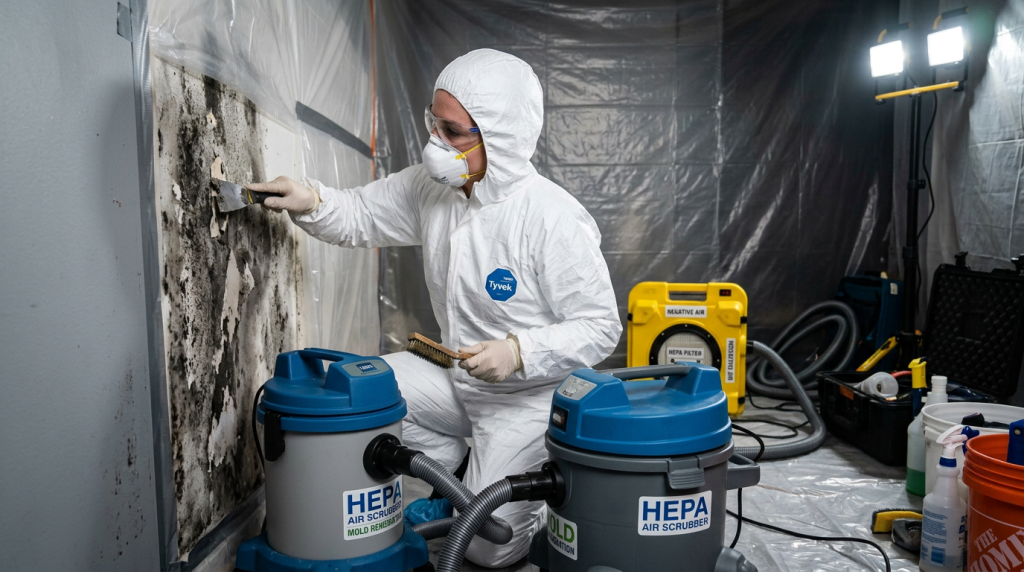
Mold on Windowsills: Causes and Cleanup
Condensation is what feeds window sill mold. How to clean it safely, when the sill has to be replaced instead, and how to keep it from returning.

Condensation is what feeds window sill mold. How to clean it safely, when the sill has to be replaced instead, and how to keep it from returning.
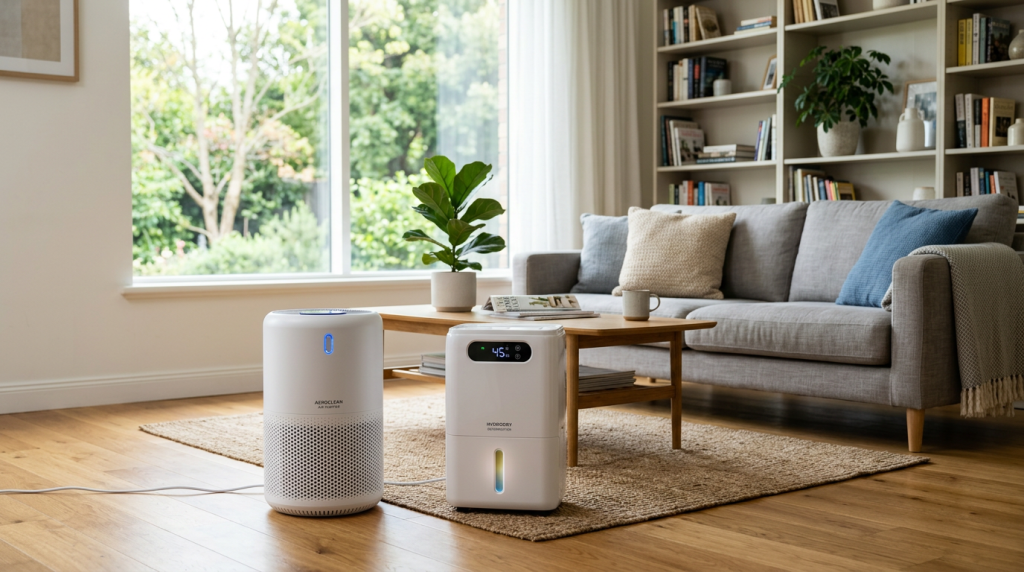
Seven moisture meters compared for catching damp before mold starts, pin type and pinless. The specs that matter and the ones that do not.
Hydrogen peroxide is EPA-registered and kills mold on non porous surfaces with a 10 minute dwell. Where vinegar still fits, and how to use each.
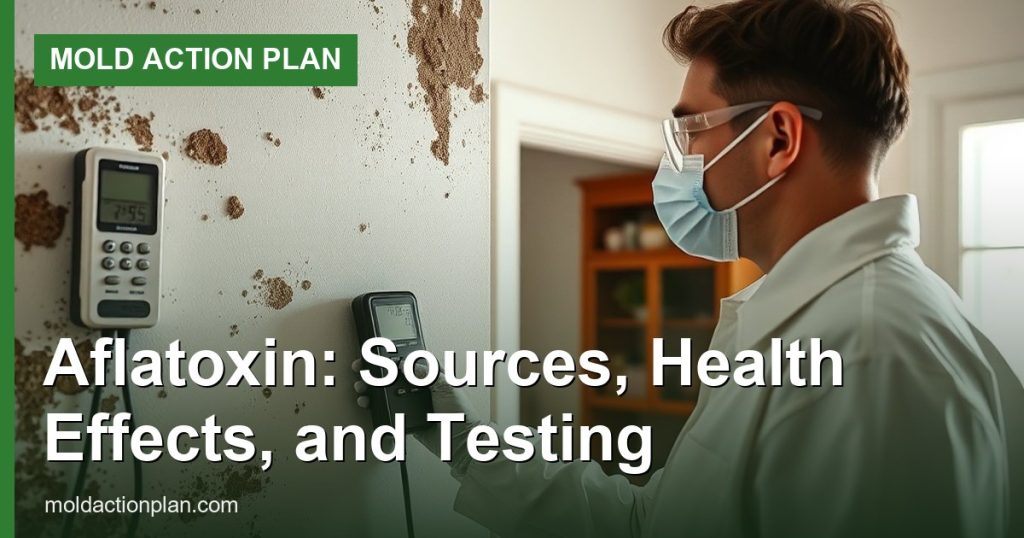
Aflatoxin is produced by specific molds indoors and on food crops, with liver and immune concerns. How exposure happens and how it is tested.
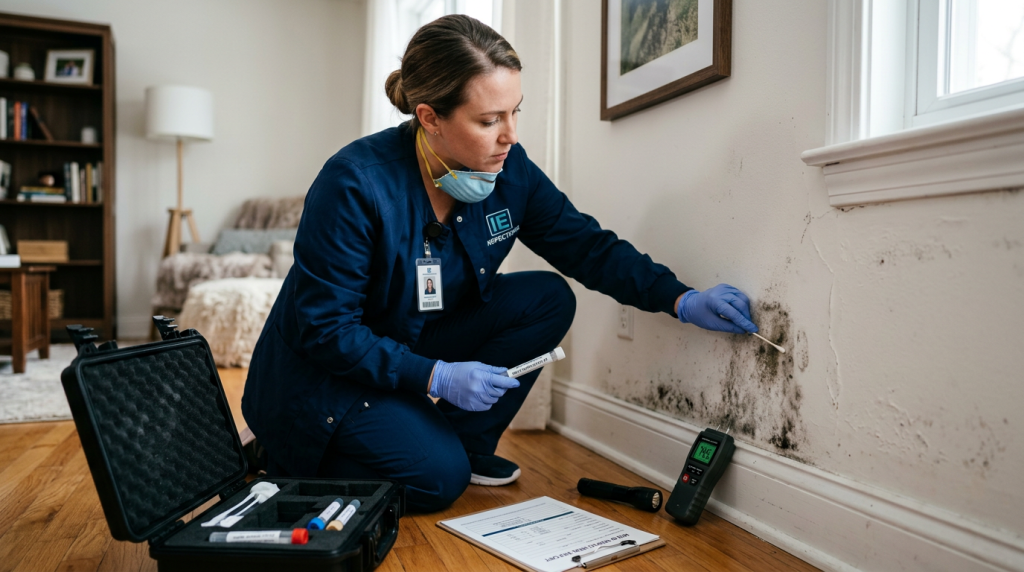
A professional mold inspection runs about $300 to $1,043, averaging near $670. What drives the price and when a DIY kit is the cheaper first step.
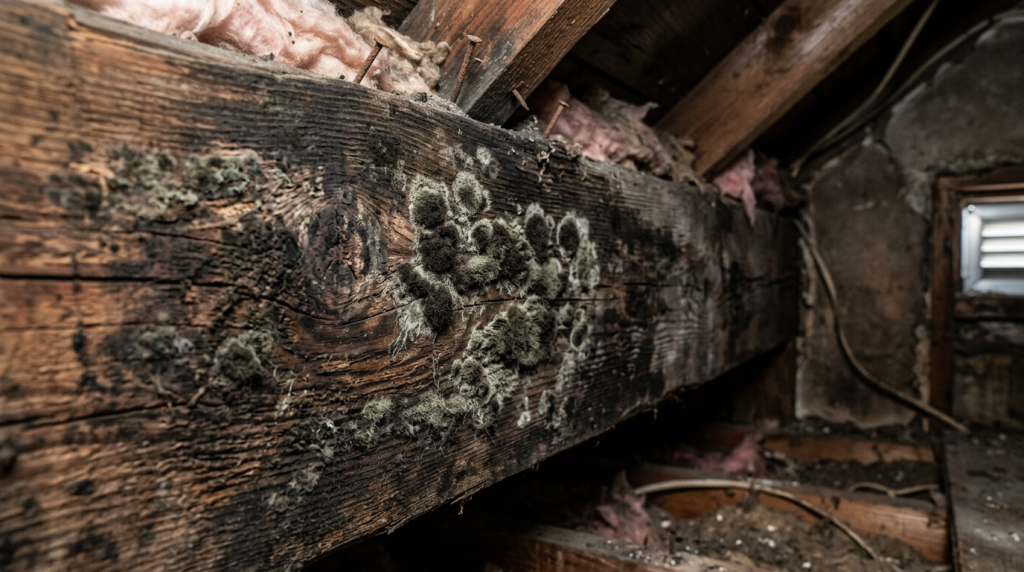
Wear an N95, ventilate, apply an EPA-registered mold killer, then sand and seal. A step by step method for wood, with the mistakes to avoid.
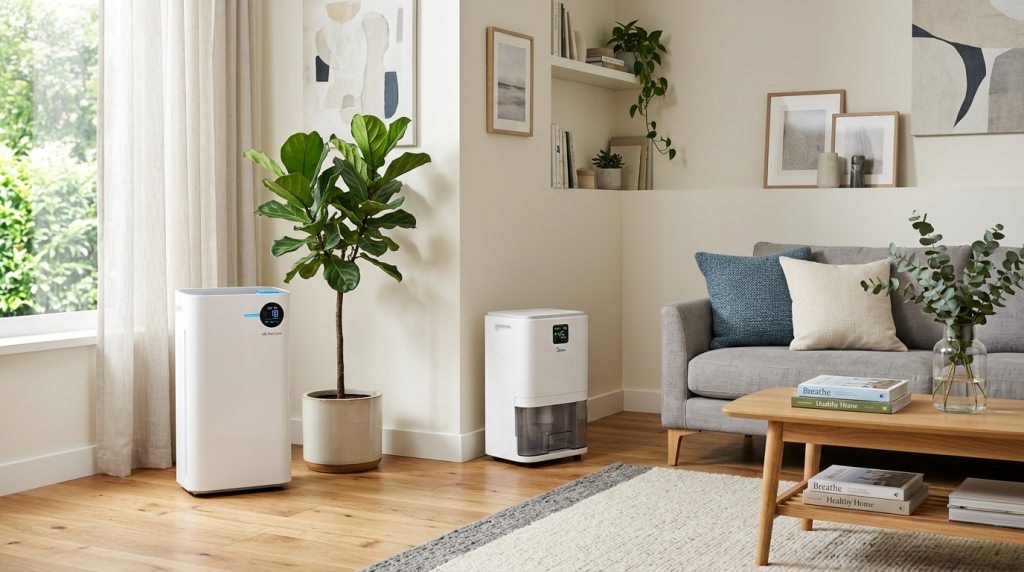
Borax wins on porous surfaces like wood and drywall, vinegar on light non porous spots. A side by side comparison plus the right method for each.
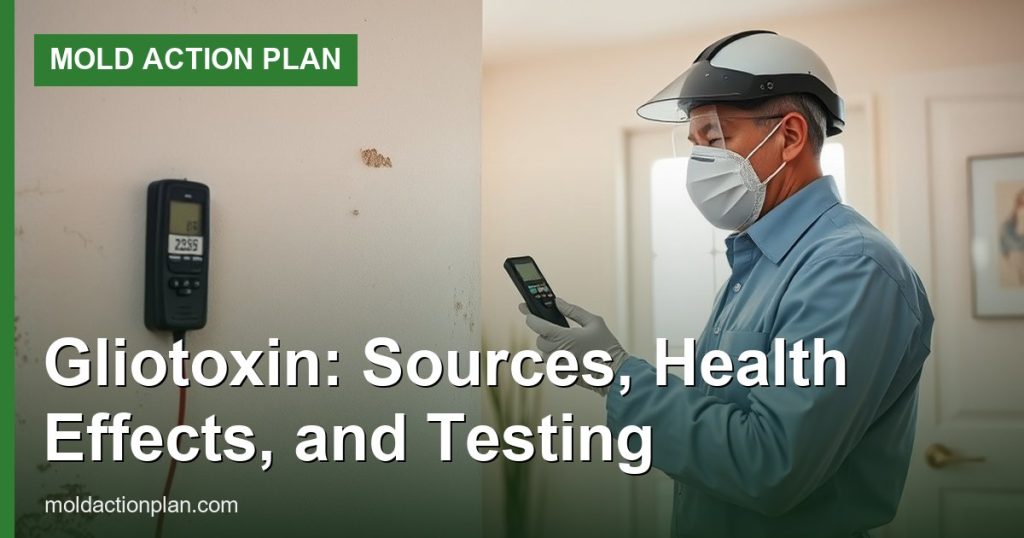
Gliotoxin is produced by certain molds and yeasts during active growth. Where it comes from, reported health effects, and how testing works.
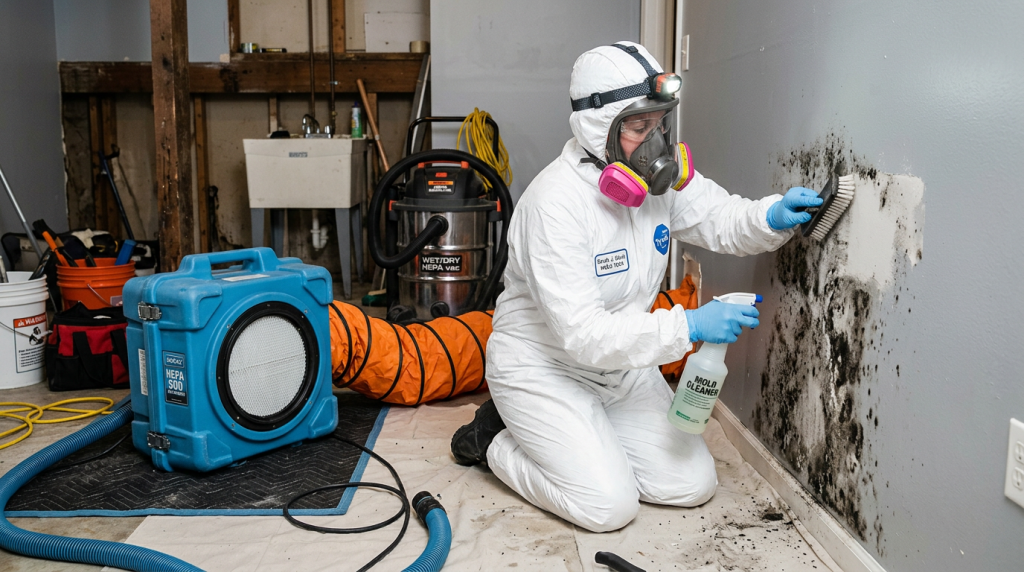
Call a pro when mold covers over 10 square feet, grows inside walls or HVAC, or triggers symptoms. Smaller patches you can safely clean yourself.
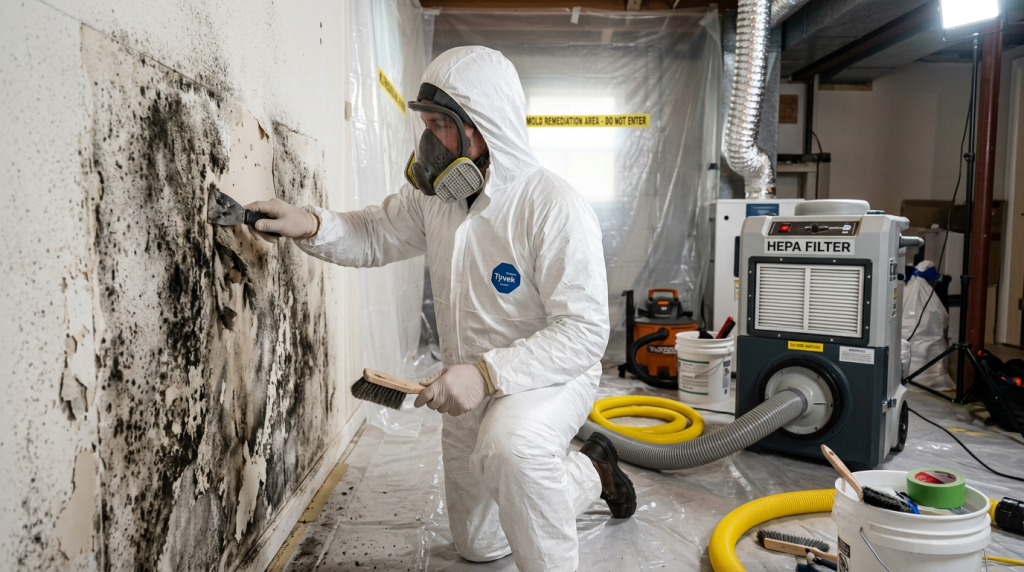
Run the fan, squeegee the walls, and hold humidity under 50 percent. A step by step routine for stopping bathroom mold before it takes hold.
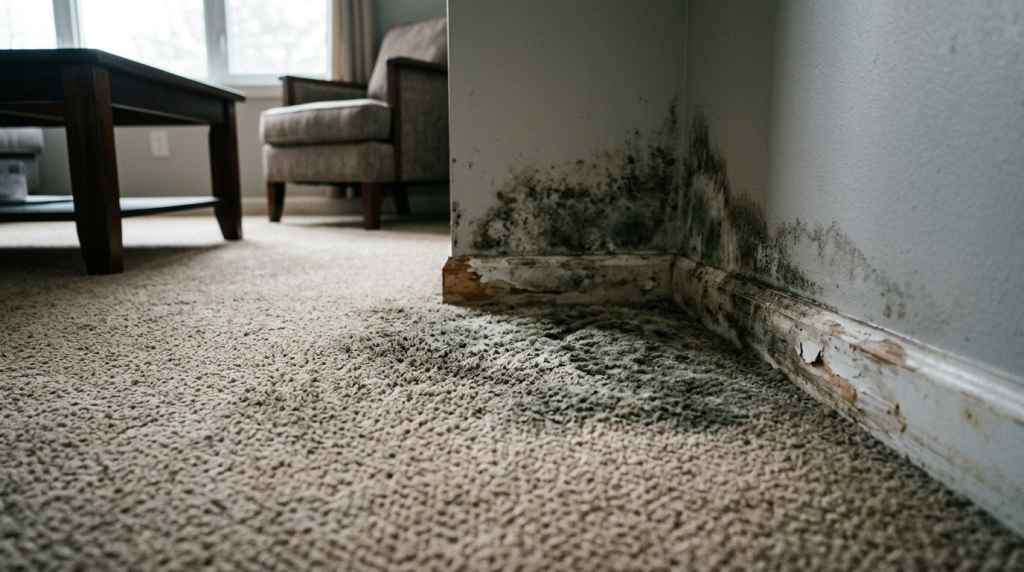
Mold on carpet: how to judge whether cleaning will work or the carpet and padding have to go, plus the fungicides and gear the job actually needs.
What an ERMI test costs, broken down: DIY mail-in kits versus testing through a certified inspector, and what drives the price difference between them.