Ochratoxin A is one of the most widespread mycotoxins found in both water-damaged buildings and the food supply. It is produced by several common mold species and has been linked to kidney damage, immune suppression, and neurological effects. Understanding where it comes from, how exposure may affect health, and how to test for it are important steps for anyone dealing with a mold problem at home or experiencing unexplained symptoms after water damage.
What Is Ochratoxin A?
Ochratoxin A (OTA) belongs to a family of toxic compounds called mycotoxins, chemical byproducts that certain molds produce under stress. Unlike mold spores themselves, mycotoxins are microscopic particles that can remain in a building long after visible mold has been removed. Ochratoxin A is notable for how readily it binds to albumin, the main protein in human blood. This binding affects how the body processes and eliminates the toxin, making it particularly persistent in tissues.
OTA also reduces intracellular zinc stores, which matters because zinc plays a central role in immune defense, DNA repair, and hundreds of enzyme reactions throughout the body. This is one reason why ochratoxin A exposure can produce such a broad range of symptoms.
Mold Species That Produce Ochratoxin A
Several mold genera are responsible for ochratoxin A production. The most commonly identified sources in water-damaged buildings include:
- Aspergillus ochraceus, a common indoor and food contaminant
- Aspergillus niger, frequently found on building materials, often appearing dark or black
- Penicillium verrucosum, prevalent in cooler, damp environments
- Penicillium nordicum, associated with food storage and damp wall cavities
- Penicillium chrysogenum, one of the most common indoor molds worldwide
An important point: you cannot identify ochratoxin-producing molds by color alone. These species can appear white, green, blue-green, or dark brown to black. Assuming a mold is harmless because it does not look like “black mold” is a mistake. Only laboratory analysis can confirm species identity and toxin production.
Favorite Building Materials
Ochratoxin-producing molds tend to colonize specific materials in water-damaged buildings. Flooring, carpet, ceiling tiles, and heating ducts are among the most frequently affected surfaces. Carpet is a particularly common reservoir because it traps moisture, organic debris, and spores, while being difficult to dry thoroughly after a water event. Heating ducts can distribute OTA-laden particles throughout an entire structure if contaminated mold is present at or near the air handler.
For more information on which building materials are most vulnerable and how to assess them, visit our guide on mold inspection methods.
Potential Health Effects of Ochratoxin A Exposure
This article is for informational purposes only and does not constitute medical advice or diagnosis. If you believe you have been exposed to ochratoxin A or are experiencing health symptoms, consult a qualified physician and a certified mold professional.
With that said, the research literature and clinical observations have associated ochratoxin A exposure with a wide range of reported symptoms. The kidneys appear to be a primary target organ. OTA can gradually reduce glomerular filtration rate (GFR), the measure of how efficiently the kidneys filter blood. Laboratory findings that sometimes prompt investigation include low albumin levels and declining or low GFR scores.
Reported Symptoms
- Fatigue and exercise intolerance
- Brain fog and difficulty concentrating
- Headaches and migraines
- Low appetite or nausea
- Increased chemical sensitivity
- Itchy skin
- Frequent urination (which may shift to reduced urine output if kidney function declines)
- Edema (fluid retention and swelling)
- High blood pressure
- Chest pain
- Muscle weakness or cramps
- Frequent infections
OTA has also been studied in relation to immune suppression and neurotoxicity. Some research has noted a male-predominant pattern of neurological effects, and studies have explored correlations between ochratoxin exposure and developmental outcomes, though this area of research is ongoing. The CDC’s guidance on indoor environmental quality and mold provides a useful starting point for understanding the broader public health context of mycotoxin exposure.
How Ochratoxin A Is Tested
Testing for ochratoxin A can happen at two levels: environmental testing of the building and biological testing of an exposed individual.
Environmental Testing
Environmental testing looks for OTA in dust, air, and building materials. The most common approaches include:
- ERMI (Environmental Relative Moldiness Index) testing: A DNA-based dust test that identifies mold species by settled dust samples. An ERMI score above 2 is generally considered elevated, and scores above 5 warrant professional evaluation. Learn more in our mold testing category.
- HERTSMI-2 scoring: A subset of ERMI focused on 10 water-damage indicator species. A score above 11 is typically considered a concern for sensitive individuals.
- Direct mycotoxin testing of dust: Some laboratories test settled dust samples specifically for the presence of mycotoxins including ochratoxin A, measured in parts per billion (ppb). Results above detection thresholds in living areas are a reason for remediation.
- Air sampling: Spore trap and culture air samples can help identify the mold genera present, though they do not directly measure mycotoxin levels.
All environmental testing should be interpreted by a certified indoor environmental professional (IEP) or a Certified Industrial Hygienist (CIH). Raw numbers without context can be misleading.
Biological Testing
Urine mycotoxin testing is available through several specialty laboratories and looks for OTA metabolites in urine. Results are typically reported in parts per billion (ppb) or micrograms per gram of creatinine. This testing is ordered and interpreted by a licensed healthcare provider familiar with mycotoxin illness. It is not a standard panel at most conventional labs, so patients often need to seek out physicians who specialize in environmental medicine or mold-related illness.
Standard blood work may also offer indirect clues. Low albumin and declining GFR, both mentioned above, are markers some clinicians track alongside mycotoxin testing when ochratoxin A exposure is suspected.
What to Do If Ochratoxin A Is Found
Finding OTA in your environment or body does not automatically indicate a specific diagnosis, but it does signal a need for action on both fronts: the building and the person.
Addressing the Building
Remediation should follow the established mold removal protocols set by the IICRC S520 standard. This typically involves:
- Identifying and correcting the moisture source first
- Containing the affected area before removal begins
- Removing contaminated porous materials (carpet, drywall, ceiling tiles) that cannot be adequately cleaned
- HEPA vacuuming and cleaning of hard surfaces
- Post-remediation clearance testing to confirm the work was successful
Because OTA can settle into HVAC systems and redistribute throughout a home, duct inspection and cleaning is often a necessary part of remediation when ochratoxin-producing molds are confirmed. See our article on HVAC mold contamination for details on this step.
Professional remediation for a contained area (under 10 square feet) may cost $500 to $1,500. Larger whole-home projects commonly range from $3,000 to $15,000 or more depending on scope, materials affected, and regional labor rates.
Supporting the Body
Any discussion of personal health support for ochratoxin A exposure must come from a qualified healthcare provider. The following information reflects general nutritional and supplement research and is not medical advice. Do not begin any supplement regimen without speaking to your doctor first.
Research has examined several compounds for their potential to support the body during or after OTA exposure:
- Bioflavonoids (quercetin, luteolin, astaxanthin, lycopene) have been studied for their ability to compete with OTA’s binding to albumin, potentially reducing its toxic burden on the kidneys. Frequent, repeated dosing appears necessary for this effect, according to available research.
- Zinc supplementation may help address the intracellular zinc depletion associated with OTA. Taking zinc with food is recommended to reduce the risk of nausea.
- Glutathione and glutathione precursors (alpha-lipoic acid, NAC, selenium) have been studied for antioxidant support in the context of mycotoxin exposure.
- Milk thistle has demonstrated a protective effect in OTA research, particularly regarding immune function.
- Rosmarinic acid (found in rosemary, sage, mint, and thyme) has shown cell-protective activity against ochratoxin A in laboratory studies.
Dietary approaches that have been discussed in the clinical literature include a colorful, vegetable-rich diet (5 to 7 servings daily), adequate healthy fats, and insoluble fiber to support the body’s natural elimination pathways. Again, work with a qualified provider to develop any individual health plan.
For a broader look at how mycotoxins affect the body, visit our mycotoxins overview section.
Frequently Asked Questions
Can I test my home for ochratoxin A without hiring a professional?
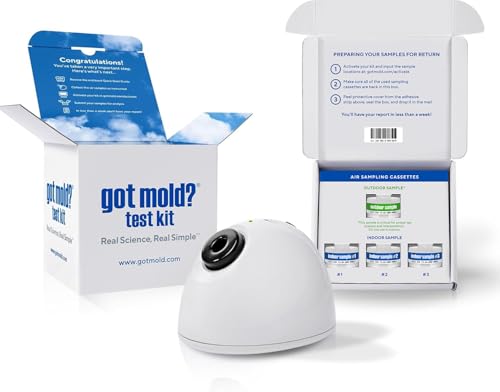
Consumer-grade dust test kits that can be sent to a laboratory exist, and some of these include mycotoxin panels. However, sample collection technique significantly affects accuracy, and interpreting results without environmental context often leads to confusion. A certified indoor environmental professional can collect samples correctly, help you understand which materials need testing, and put results in the context of your specific building. If budget is a constraint, an ERMI dust test is a reasonable starting point, but professional guidance adds important value.
How does ochratoxin A get into the air I breathe?
Ochratoxin A is produced by mold colonies and can become airborne when mold-contaminated materials are disturbed, when HVAC systems move air across contaminated surfaces, or when normal air movement in a building carries settled dust into the breathing zone. Because the particles are microscopic, normal activity like walking on contaminated carpet or opening a closet can resuspend them. This is why proper containment during remediation is essential.
Is ochratoxin A found in food as well as buildings?
Yes. OTA is one of the most common mycotoxins in the global food supply. It has been detected in cereal grains, coffee, dried fruits, wine, beer, spices, and some cured meats. Regulatory agencies in the European Union and other countries set maximum allowable levels for OTA in food products. For people already dealing with building-related OTA exposure, reducing dietary sources may be part of a comprehensive approach discussed with a healthcare provider.
Who is most at risk from ochratoxin A exposure?
People who spend extended time in water-damaged buildings are at highest risk for sustained OTA exposure. Individuals with pre-existing kidney conditions, immune suppression, or genetic variations affecting detoxification pathways may be more vulnerable to its effects. Research has noted that neurological effects appear to affect males more prominently than females. Infants, children, and pregnant individuals are generally considered more sensitive to mycotoxin exposure and warrant particular caution.
Does removing the mold eliminate ochratoxin A from the building?
Not automatically. Because mycotoxins are chemical compounds rather than living organisms, killing or removing mold colonies does not necessarily remove the toxins those colonies have already produced. OTA can persist in settled dust, porous building materials, and HVAC systems after mold is remediated. Thorough HEPA vacuuming, surface cleaning, and replacement of porous contaminated materials are all typically required. Post-remediation mycotoxin testing of dust can help confirm that toxin levels have returned to acceptable ranges.
These statements have not been evaluated by the Food and Drug Administration. This information is not intended to diagnose, treat, cure, or prevent any disease. Content is for informational purposes only and is not medical advice; consult a qualified healthcare provider before starting any supplement. As an Amazon Associate we earn from qualifying purchases.