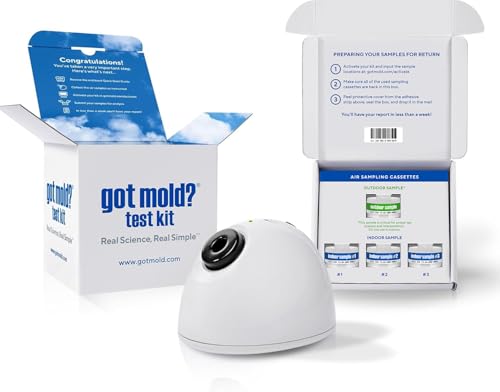
How to Get Rid of Musty Smell From Mold
Affiliate Disclosure: This article contains affiliate links. As an Amazon Associate, we earn from qualifying purchases at no extra cost to you.
Short Answer: How to Get Rid of Musty Smell Fast
Musty smell comes from mold and mildew releasing microbial volatile organic compounds (mVOCs) as they grow. To eliminate the smell, you must kill the mold source, not just mask the odor. Here is the condensed method:
- Identify the source. Musty smell means active moisture and mold growth somewhere. Check basements, bathrooms, crawlspaces, HVAC systems, under sinks, and behind furniture.
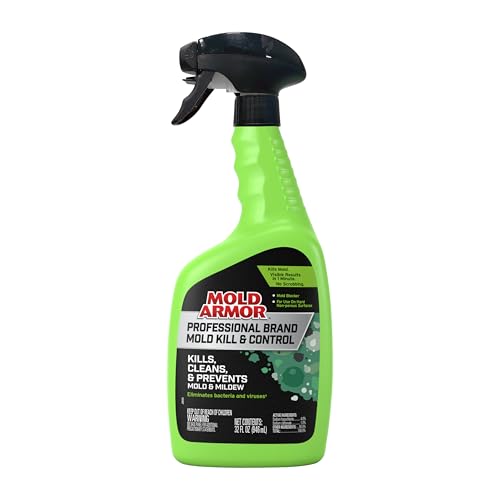
- Kill the mold. Spray the affected area with an EPA-registered mold killer such as Concrobium Mold Control (bleach-free, odorless) or Mold Armor. Let it dry undisturbed.
- Remove stains (optional). For cosmetic stains left behind, use RMR-86 Instant Mold Stain Remover. It works in 15 seconds with no scrubbing but requires heavy ventilation and PPE.
- Absorb lingering odors. Place Moso Natural charcoal bags in the room. They absorb residual mVOCs without adding scent.
- Dry the air. Run a dehumidifier to keep indoor humidity below 50%. Moisture is what mold needs to survive.
- Filter the air. A HEPA air purifier with activated carbon captures airborne mold spores and odor molecules.
What You Will Need
Mold Killing Products
| Product | Price | Active Ingredient | EPA Reg No. | Best For |
|---|---|---|---|---|
| Concrobium Mold Control, 32 oz | $13.48 | Sodium Carbonate 1% | 82552-3 | Indoor surfaces (drywall, wood, tile, fabric); no odor; safe around pets |
| Mold Armor Professional Mold Kill, 32 oz | $22.98 | Proprietary surfactant blend | EPA-registered disinfectant | Hard non-porous surfaces; kills bacteria and viruses too |
| RMR-86 Instant Mold Stain Remover, 2 Pack | $25.99 | Sodium Hypochlorite 3.7% + Surfactants | Registered disinfectant | Stubborn stain removal on concrete, grout, wood; no scrubbing |
Odor Absorbing and Prevention Products
| Product | Price | Coverage | Duration | Best For |
|---|---|---|---|---|
| Moso Natural Air Purifying Bag 200g | $12.95 | 90 sq ft | 2 years (refresh monthly in sunlight) | Closets, cars, bathrooms |
| DampRid Hi-Capacity Moisture Absorber Bucket | $29.99 | 1,000 sq ft | Up to 6 months | Basements, garages, crawlspaces (no electricity needed) |
| Levoit LV-H132 Air Purifier | $89.99 | 263 sq ft | Continuous; replace filter every 6-8 months | Bedrooms, offices; captures spores + odors |
| hOmeLabs 50 Pint Dehumidifier with Pump | $309.99 | 7,500 sq ft | Continuous drainage | Large basements, whole-house humidity control |
Safety Gear
- N95 respirator or higher (P100 half-mask for large areas)
- Safety goggles
- Rubber gloves (nitrile or neoprene)
- Long sleeves and pants
- Drop cloths to protect flooring and furniture
Step by Step: How to Eliminate Musty Smell
Step 1: Find and Fix the Moisture Problem
Musty smell cannot be permanently removed if moisture is still feeding the mold. Check these common sources:
- Leaky pipes under sinks or in walls
- Poor bathroom ventilation (no exhaust fan or fan not vented outside)
- High indoor humidity (above 60%)
- Basement condensation on cold walls or floors
- HVAC condensation pans or clogged drain lines
- Roof leaks dripping into attic insulation
- Crawlspace standing water or unsealed vents
Fix the leak or moisture source before treating the mold. If you skip this step, the smell will return within weeks.
Step 2: Prepare the Area
- Open windows and doors for cross-ventilation.
- Remove rugs, fabric, pillows, and furniture that can trap spores.
- Cover electronics and porous items with plastic sheeting.
- Put on your N95 respirator, goggles, and gloves. Some mold killers produce strong fumes.
- Isolate the room from the rest of the house with a door or plastic barrier.
Step 3: Apply Mold Killer
For porous surfaces like drywall, wood, fabric, and unsealed grout, use a bleach-free mold killer. Bleach cannot penetrate porous materials and leaves the mold roots intact. Concrobium Mold Control is the better choice here. Its sodium carbonate formula encapsulates and crushes mold spores, then leaves an invisible barrier that prevents regrowth.

- Spray the affected area until thoroughly wet.
- Do not wipe or rinse. Let it air dry completely (24-48 hours).
- The product is odorless and VOC-free, so no chemical smell lingers.
For hard, non-porous surfaces (tile, sealed countertops, metal, glass, plastic), Mold Armor Professional Mold Kill works faster with visible results in minutes. Apply, wait 10 minutes, then rinse or wipe.
Step 4: Remove Stains (If Needed)
Mold often leaves dark stains even after the mold itself is dead. Concrobium does not remove stains. If the stain bothers you, use RMR-86 Instant Mold Stain Remover.
Important safety warning: RMR-86 contains 3.7% sodium hypochlorite (strong bleach) with deep-penetrating surfactants. It produces very strong fumes. Users report needing full PPE including respirator and eye protection, especially in enclosed spaces.
- Spray onto the stain. It begins working in 15 seconds.
- No scrubbing needed. Watch the stain dissolve.
- Ventilate heavily. Close the door behind you. Leave the area after spraying.
- Return after 15 minutes to rinse or wipe clean.
Step 5: Absorb Lingering Odors
After the mold is dead and stains are removed, some musty smell may remain in the air and porous materials. Activated charcoal absorbs these odor molecules without adding perfume or chemical scent.
- Place Moso Natural Air Purifying Bags in the room. The 200g bag covers 90 sq ft.
- For larger rooms, use multiple bags or the 600g version.
- Refresh the bags monthly by placing them in direct sunlight for 1 hour. This clears the charcoal pores and restores capacity.
- Each bag lasts up to 2 years.
Step 6: Run a Dehumidifier
Mold and mildew cannot grow without moisture. Keeping indoor humidity between 30% and 50% stops regrowth and prevents the musty smell from returning.
- For large basements or whole floors, the hOmeLabs 50 Pint Dehumidifier with Pump covers up to 7,500 sq ft. The built-in pump allows continuous drainage into a floor drain or sink.
- For smaller spaces or areas without electricity, use a DampRid Hi-Capacity Moisture Absorber Bucket. It uses calcium chloride to pull moisture from the air passively. One bucket covers up to 1,000 sq ft and lasts 6 months.
- Set your dehumidifier to 45% relative humidity. Check the reading on the digital display.
Step 7: Run a HEPA Air Purifier
Air purifiers with HEPA filtration and activated carbon capture mold spores still floating in the air and absorb organic odor compounds.
- The Levoit LV-H132 Air Purifier is a top-rated option (4.7 stars, 105,000+ reviews). It covers 263 sq ft with a 3-stage filter including activated carbon.
- Run it continuously on low speed. It operates at 28 dB, quiet enough for a bedroom.
- Replace the filter every 6-8 months for continued effectiveness.
Tips for Stubborn Cases
Mold Inside Walls
If the musty smell persists and you suspect mold inside a wall cavity, cut a small inspection hole near the baseboard. Use a borescope to check. If you find growth, the affected drywall or insulation likely needs professional removal and replacement. Surface treatment will not reach interior mold.
Mold in HVAC Systems
Musty air coming from vents means mold in the ductwork or AC coil. Clean the evaporator coil with Concrobium (users report it works well on AC coils). Consider hiring an HVAC professional for duct cleaning if the smell persists.
Flood or Water Damage Residual Smell
After flooding, porous materials absorb moisture and mold grows deep in the material. In many cases, drywall, carpet, and insulation must be removed and replaced. Do not paint over water-damaged drywall without first ensuring the mold is fully treated and the material is completely dry.

Crawlspace Odors
Crawlspaces are a common hidden source. Seal crawlspace vents, lay a vapor barrier (6-mil polyethylene sheeting) on the ground, and consider encapsulating the crawlspace. A DampRid bucket or small dehumidifier can help control residual moisture.
What NOT to Do
Do Not Use Bleach on Porous Surfaces
Bleach (sodium hypochlorite) is 90% water. When you spray it on drywall or wood, the water carries the bleach through the porous material, but the bleach chemical breaks down quickly. The water that reaches the back side actually feeds mold deeper in the wall. This is why bleach often makes the stain disappear temporarily but the musty smell returns. Use an EPA-registered mold killer designed for porous surfaces instead.
Do Not Mask the Smell With Air Fresheners
Plug-in air fresheners, scented candles, and spray deodorizers do not remove the cause. They add fragrance on top of the musty odor, creating a worse mixed smell. The mold continues growing unseen. Fix the source, do not cover it up.
Do Not Paint Over Mold
Painting over mold seals the moisture inside the wall. The mold continues growing behind the paint, and the paint will bubble, crack, and peel within months. The musty smell will also push through eventually. Always kill and remove mold before painting.
Do Not Ignore Small Leaks
A slow drip behind a wall or under a sink can sustain a mold colony indefinitely. Even a tiny amount of moisture keeps mold alive. Fix every leak, no matter how small. Check under sinks and around toilets at least once per month for signs of slow leaks or corrosion.

Do Not Skip PPE
Mold spores are respiratory irritants. Products like RMR-86 produce chlorine gas-like fumes. Wear an N95 respirator at minimum, safety goggles, and gloves. In enclosed spaces, upgrade to a P100 half-mask respirator.
Prevention
Keep musty smell from returning by maintaining a dry, well-ventilated home. Here are the priorities:
- Keep humidity below 50%. Use a dehumidifier in basements and crawlspaces. Monitor with a hygrometer. In humid climates, a whole-house dehumidifier integrated with your HVAC is the gold standard.
- Ventilate bathrooms and kitchens. Run exhaust fans during and for 20 minutes after showers and cooking. Make sure fans vent to the outside, not into the attic.
- Fix leaks immediately. Any plumbing or roof leak should be repaired within 24 hours. Wet materials that stay damp for 48 hours can begin growing mold.
- Use passive moisture absorbers. In closets, laundry rooms, or small enclosed spaces, place a DampRid bucket or Moso charcoal bag to catch moisture before it builds up.
- Run a HEPA air purifier. The Levoit LV-H132 or similar units capture airborne spores so they cannot settle and colonize new surfaces.
- Inspect your home quarterly. Check under sinks, in crawlspaces, around windows, and in the attic for signs of moisture. Catching a musty smell early means a simpler fix.
Frequently Asked Questions
Can a musty smell be dangerous?

Frequently Asked Questions
What causes a musty smell in my house?
A musty smell is almost always caused by mold or mildew growth. Mold releases microbial volatile organic compounds (mVOCs) as it metabolizes. These compounds produce the characteristic earthy, stale odor. The most common sources are damp basements, bathrooms without ventilation, leaky pipes, high indoor humidity, and flooded crawlspaces.
Can a musty smell be dangerous?
The smell itself (mVOCs) is not classified as toxic at typical indoor levels, but it indicates active mold growth. Prolonged exposure to mold spores can trigger allergic reactions, asthma attacks, respiratory irritation, and sinus congestion in sensitive individuals. People with compromised immune systems or chronic lung conditions should avoid mold exposure entirely and consider professional remediation.

How long does it take to get rid of musty smell?
With the right approach, visible improvement happens within 24 hours. Spraying mold killer and letting it dry takes 24-48 hours. Stubborn stains treated with RMR-86 disappear in minutes. Lingering odors absorbed by charcoal bags improve over 3-7 days. Dehumidifiers produce noticeable results in 24-72 hours depending on humidity levels. Complete odor elimination in a severe case can take 1-2 weeks.
Does bleach kill musty smell?
Bleach can kill surface mold on non-porous surfaces like tile and glass, which eliminates the smell temporarily. However, bleach does not penetrate porous materials (drywall, wood, fabric), so mold roots survive and regrow. The water content in bleach also feeds deeper mold growth. For musty smells, use an EPA-registered mold killer designed for porous surfaces such as Concrobium Mold Control.
How do I find where the musty smell is coming from?
Use your nose as the first tool. Follow the strongest concentration of the musty odor. Common hiding spots: behind furniture pushed against exterior walls, under sinks, in attic corners near roof leaks, inside HVAC return vents, and in crawlspaces. Use a moisture meter or hygrometer to detect damp areas. For hidden mold inside walls, look for peeling paint, bubbling wallpaper, or discoloration near baseboards. If you cannot find the source, a professional mold inspector can use thermal imaging and borescopes to locate it.
“`These statements have not been evaluated by the Food and Drug Administration. This information is not intended to diagnose, treat, cure, or prevent any disease. Content is for informational purposes only and is not medical advice; consult a qualified healthcare provider before starting any supplement. As an Amazon Associate we earn from qualifying purchases.