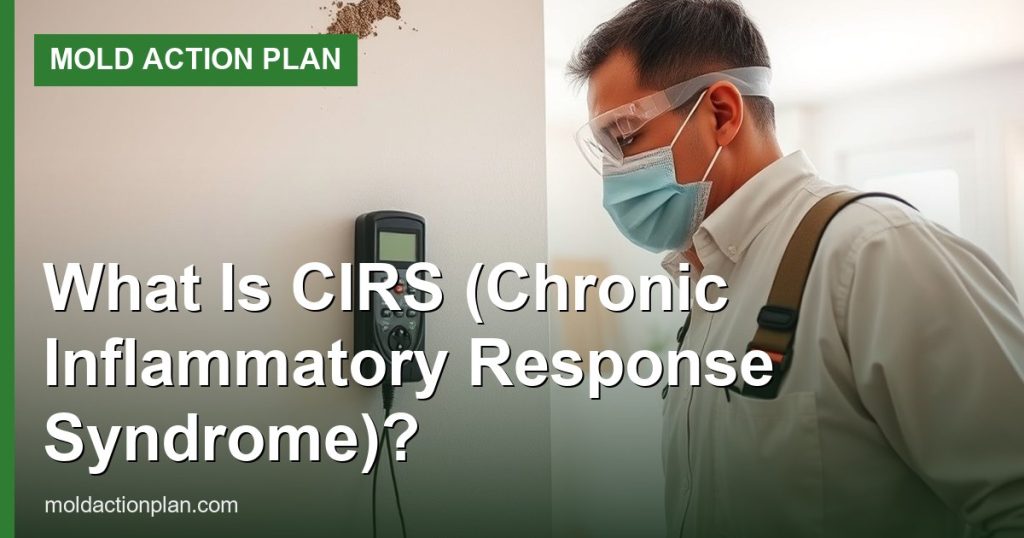
What Is CIRS (Chronic Inflammatory Response Syndrome)?
CIRS is described as a multi system illness linked to water damaged buildings. How it develops, who is most at risk, and how it is evaluated.
Mold exposure symptoms, CIRS, treatment options, and long-term health effects.
CIRS is described as a multi system illness linked to water damaged buildings. How it develops, who is most at risk, and how it is evaluated.
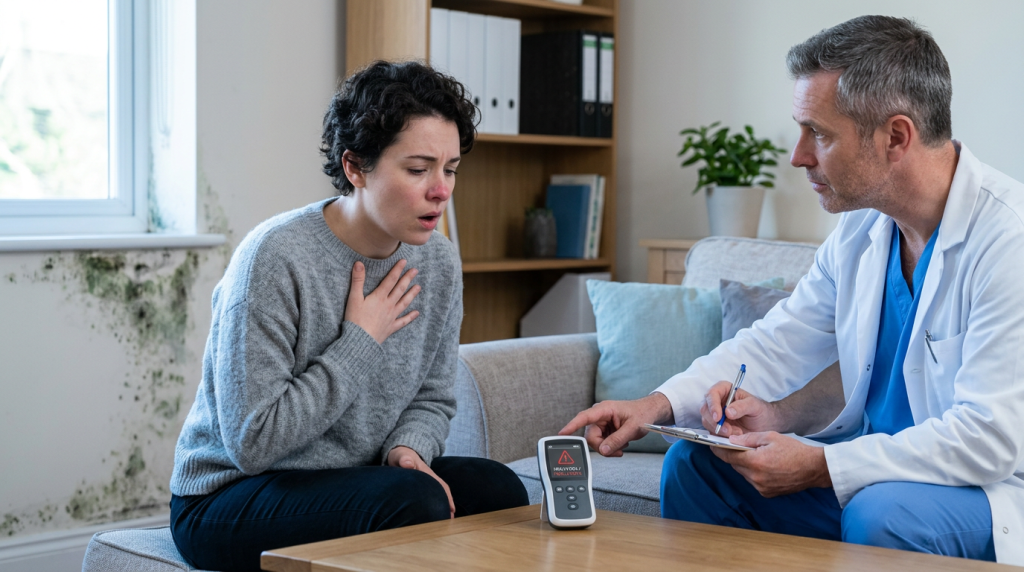
Mold can germinate within 24 to 48 hours on a wet surface, per EPA, CDC and FEMA. The full growth timeline and what to do inside that window.
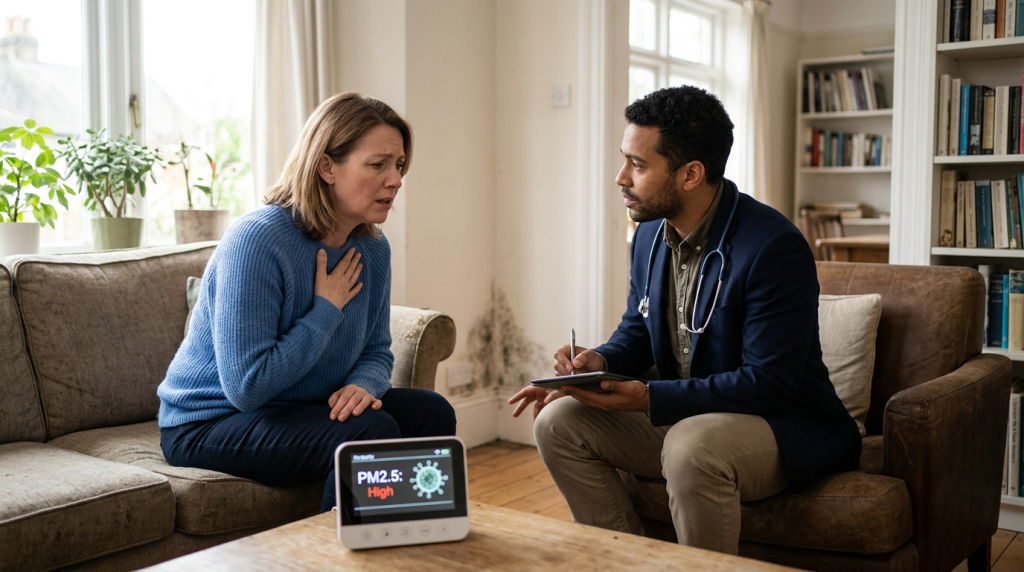
If symptoms ease when you leave the house and return when you are home, suspect mold. Warning signs, how to test, and safe small area cleanup.

Mold allergy mimics hay fever: sneezing, congestion, itchy eyes. Why spores trigger it, what actually helps at home, and when to see a doctor.
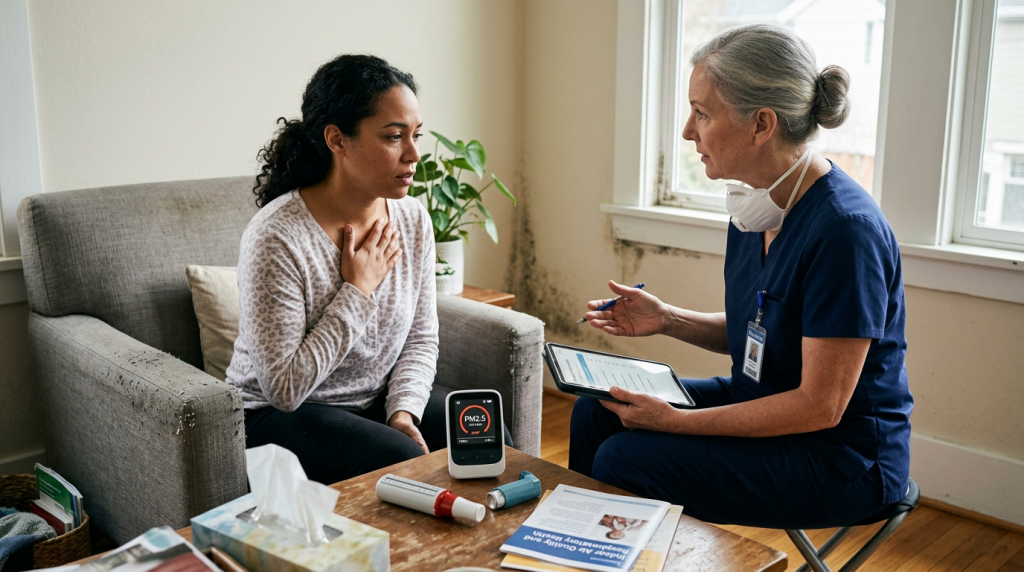
Is mold dangerous? What the science says about health effects, how mold affects the body, and who is most at risk from household exposure.
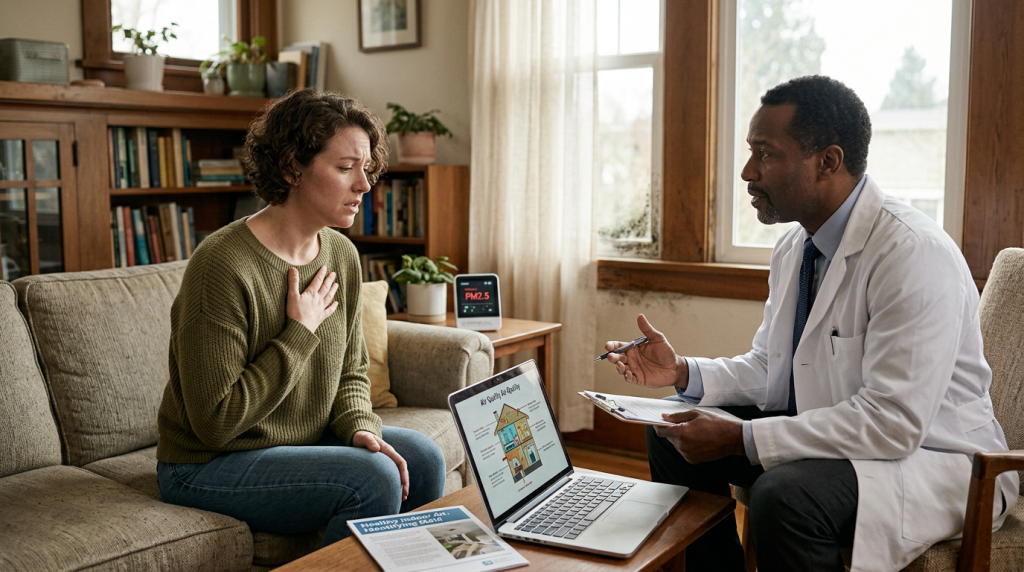
Black mold symptoms to watch for, from sneezing and itchy eyes to wheezing and sinus problems, plus how to test your home to confirm the cause.
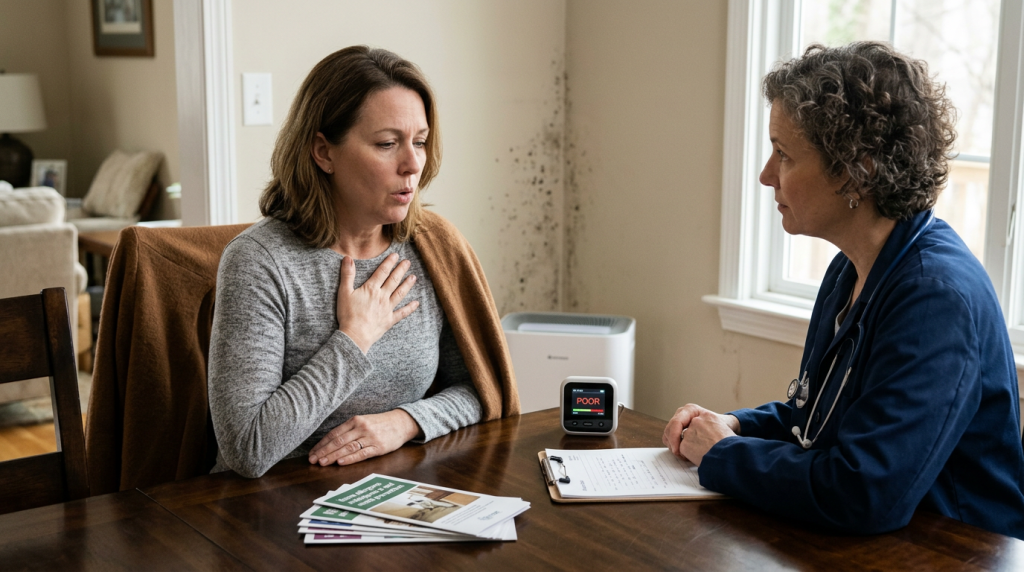
Mold exposure in nurseries and bedrooms is linked to childhood asthma. Learn the health risks for children and key prevention steps for every parent.
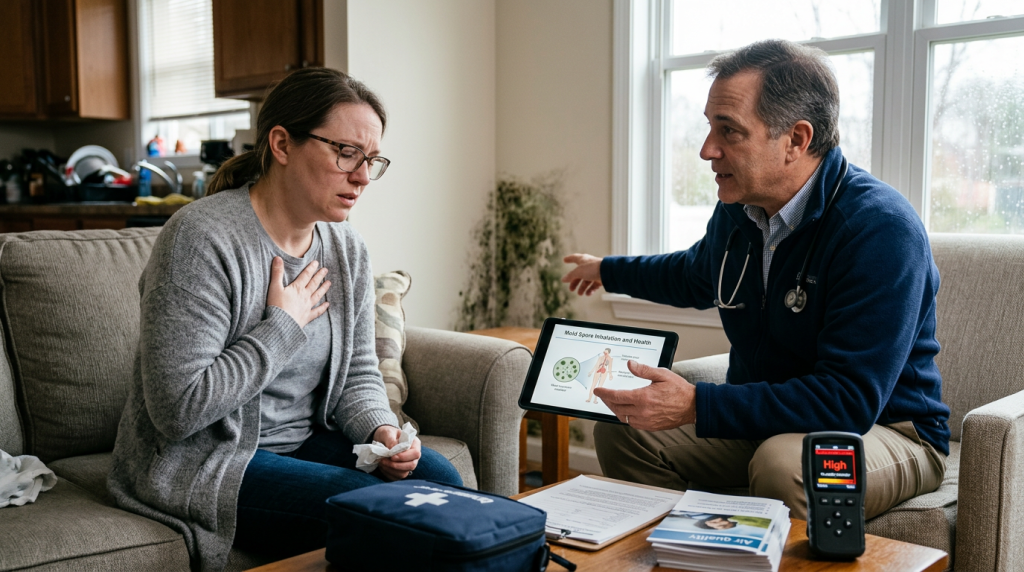
Mold affects pets through respiratory distress, excessive scratching, and lethargy. Pets closer to the ground often show symptoms before humans do.
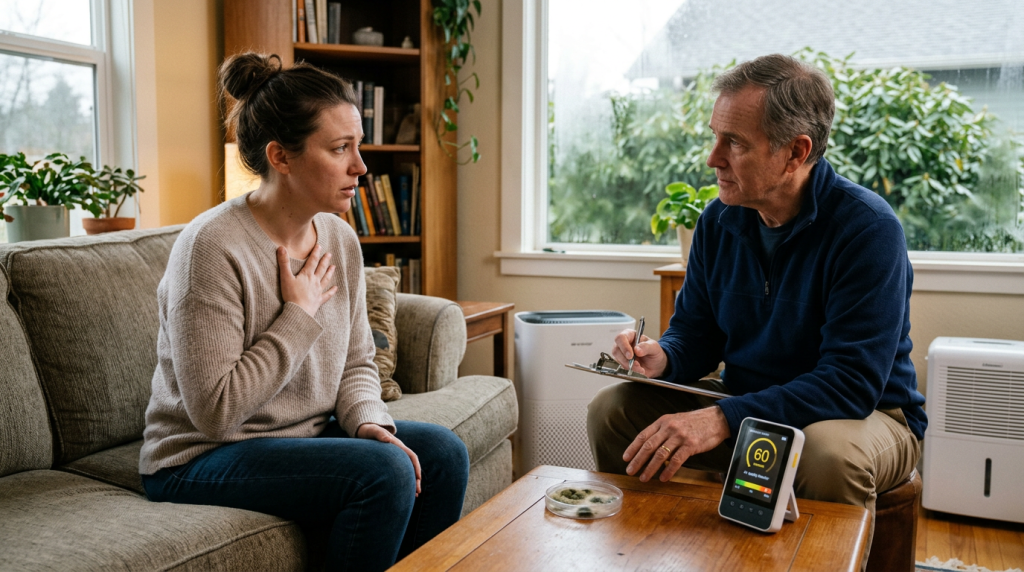
Mycotoxin exposure can cause brain fog, memory loss, and cognitive decline. Learn how mycotoxins cross the blood-brain barrier and what to do about it.
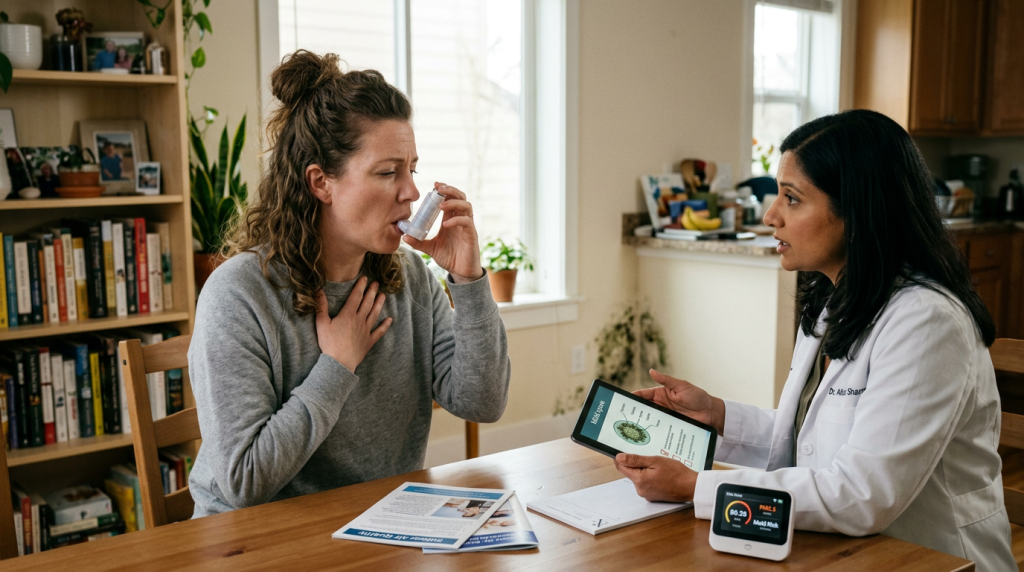
Mold exposure symptoms range from chronic congestion and fatigue to brain fog and skin rashes. Learn which warning signs call for immediate action.
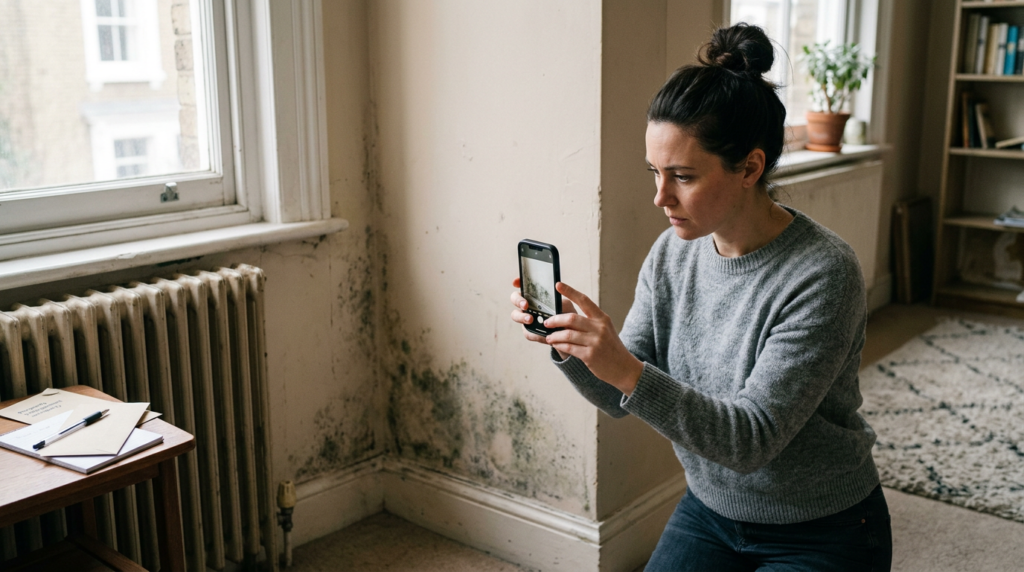
Know your tenant rights when facing mold in a rental property. Health risks, landlord obligations, documentation steps, and legal remedies explained.

Evidence-based strategies for detoxing from mold exposure including binders, diet changes, and medical treatments recommended by environmental medicine doctors.