How to Read a Lab Mycotoxin Report
Provoked and unprovoked urine mycotoxin tests read differently. How the report is laid out, what elevated levels may suggest, and next steps.
DIY and professional mold testing guides, test kit reviews, and how to interpret results.
Provoked and unprovoked urine mycotoxin tests read differently. How the report is laid out, what elevated levels may suggest, and next steps.
Species names, spore counts and ERMI scores explained in plain language, plus what to check beyond the numbers and the post remediation bar.
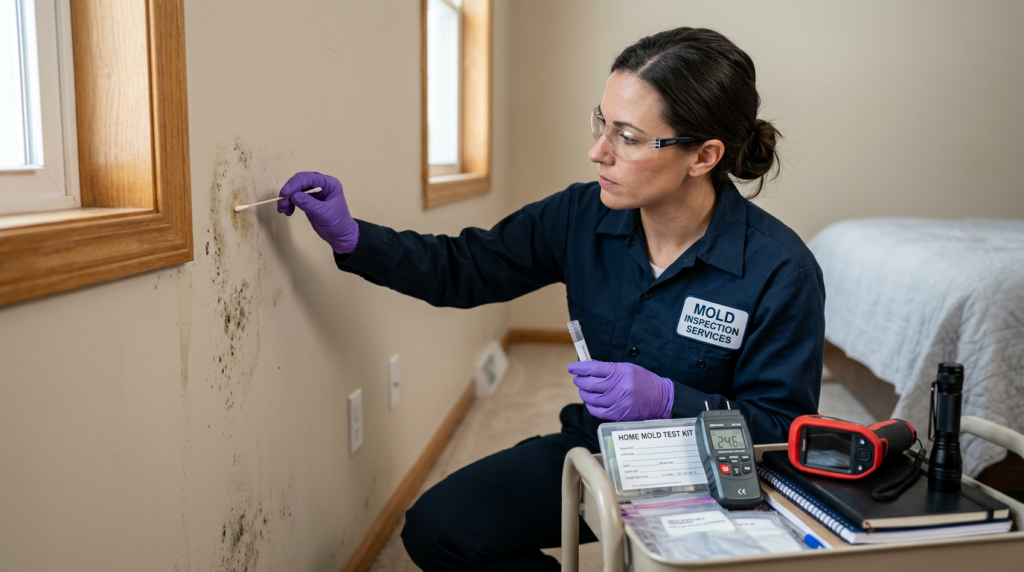
A cheap petri dish kit tells you spores are present, not that levels are unsafe. How to run a DIY mold test and read what it actually shows.
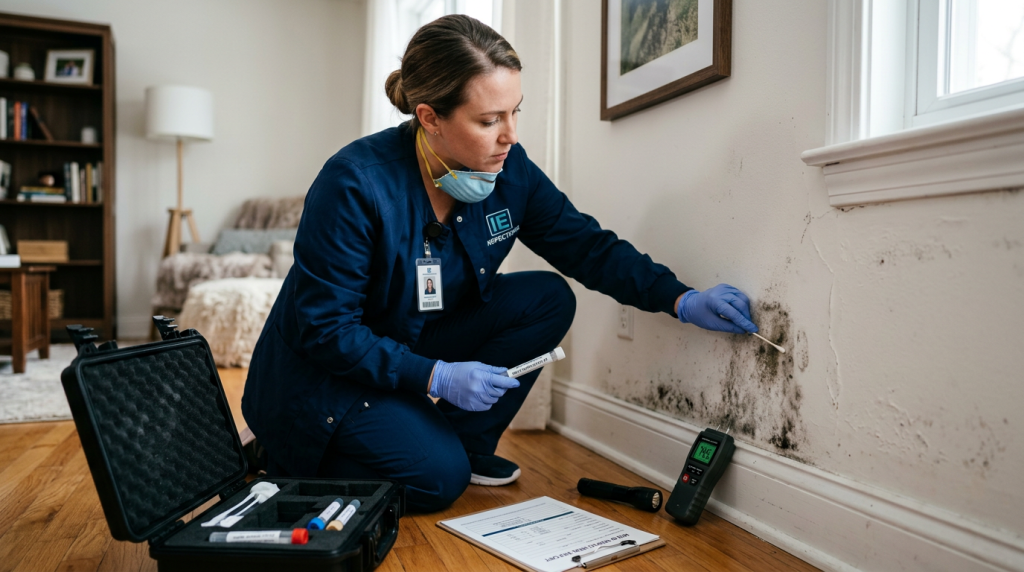
A professional mold inspection runs about $300 to $1,043, averaging near $670. What drives the price and when a DIY kit is the cheaper first step.
What an ERMI test costs, broken down: DIY mail-in kits versus testing through a certified inspector, and what drives the price difference between them.
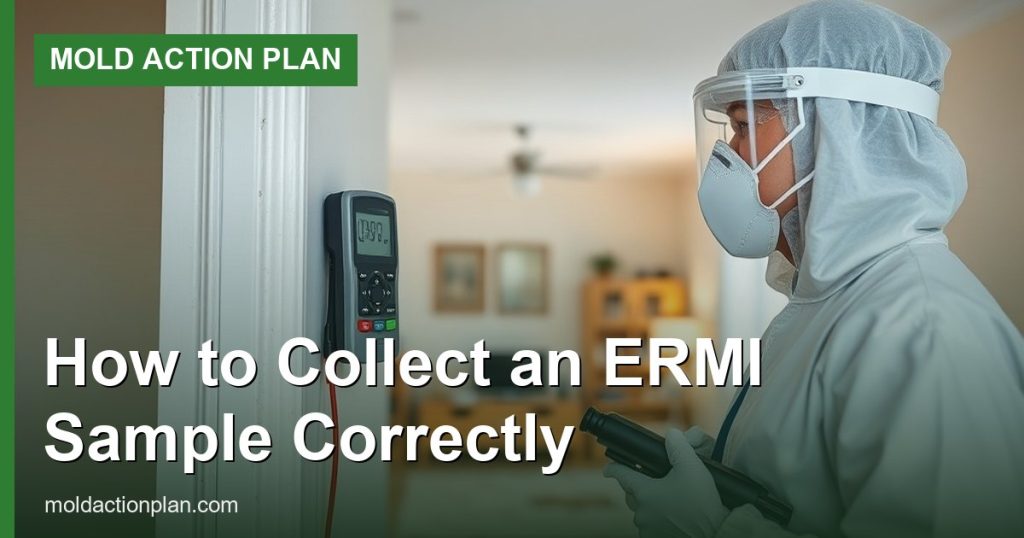
How to collect an ERMI dust sample correctly: choosing a collection method, what to prepare, and the mistakes that skew a result before the lab sees it.
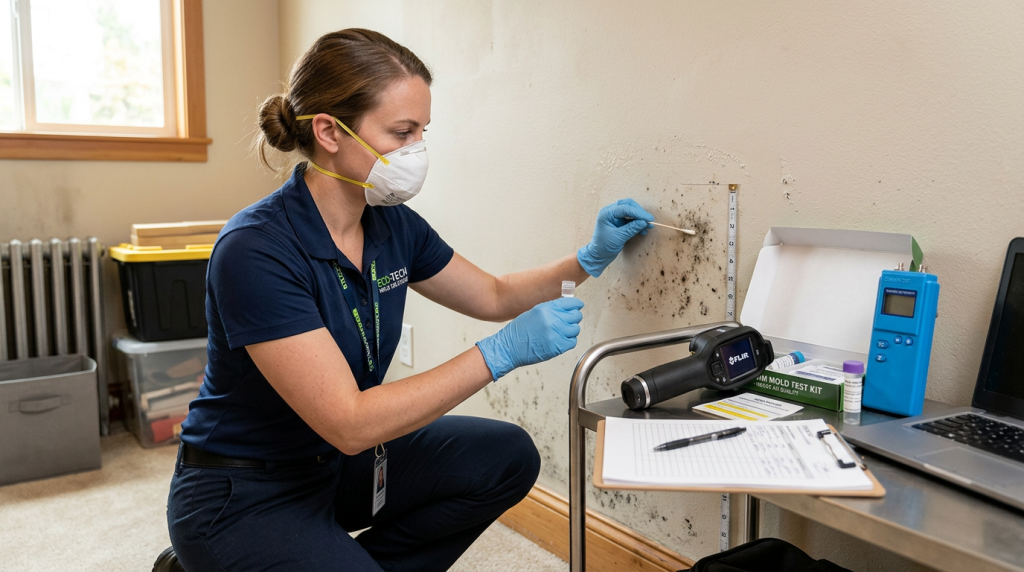
The best home mold test kits compared, with how we evaluated them, so you can get real data before paying for a full professional inspection.
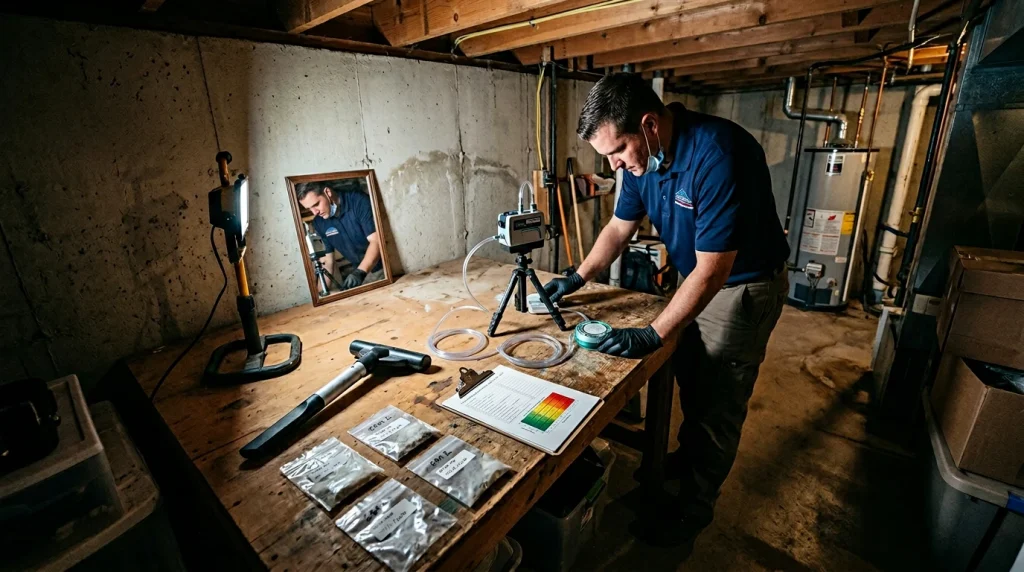
ISO/IEC 17025 accredited lab EnviroBiomics runs ERMI, HERTSMI-2 and mycotoxin DNA panels. Pricing, kit options, turnaround, and a Mycometrics comparison.
ERMI vs air testing for mold. Air sampling captures one moment in time; the ERMI dust test reflects accumulated burden. Why that difference matters.
What counts as a safe ERMI score, how the number is calculated, and how to read the quartile rankings on your report instead of guessing at the result.
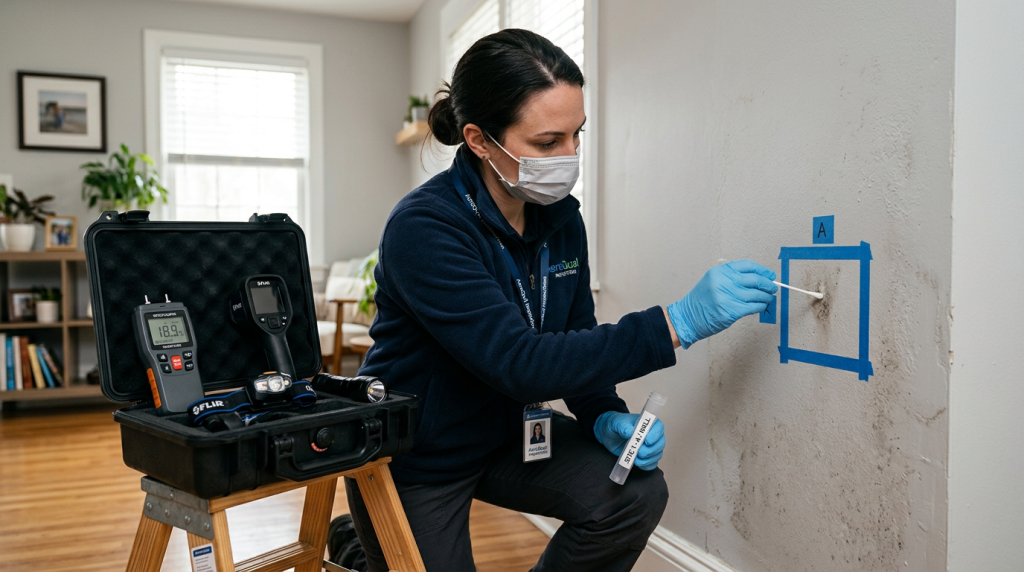
ERMI vs HERTSMI-2: what each mold test measures, who each one suits, and the pros and cons, so you can pick the right test instead of paying for both.

Learn how to interpret ERMI report numbers, group categories, and scores with a real example. Understand what your mold DNA test results mean.