Finding a qualified mold inspector in Houston, TX is crucial for protecting your home and family. With Houston, TX’s very high mold risk profile (75% average humidity, 49.8 inches of annual rainfall), knowing how to choose the right inspector can save you thousands in unnecessary remediation costs.
Our reviews are based on aggregated verified buyer feedback, manufacturer specifications, ingredient analysis, and published expert opinion. Products are not independently purchased or tested by our team. We may earn a commission if you purchase through our links, at no extra cost to you. How We Review
Houston Mold Risk Profile
| Factor | Detail |
|---|---|
| Mold Risk Rating | Very High |
| Climate Zone | Humid subtropical |
| Average Humidity | 75% |
| Annual Rainfall | 49.8 inches |
| Avg Inspection Cost | $300 – $600 |
| Avg Remediation Cost | $1,500 – $5,000 |
Why Houston Homes Need Mold Inspections
Extreme humidity year-round, frequent flooding (Hurricane Harvey 2017 affected 300K+ structures), poor drainage in clay soil, AC condensation issues
Did you know? Houston’s combination of Gulf Coast humidity and flat terrain makes it one of America’s top mold hotspots. After Hurricane Harvey in 2017, an estimated 40% of affected homes developed mold within 48 hours. For more guidance, EPA provides expert resources on mold testing guidelines.
Houston-Specific Mold Concerns
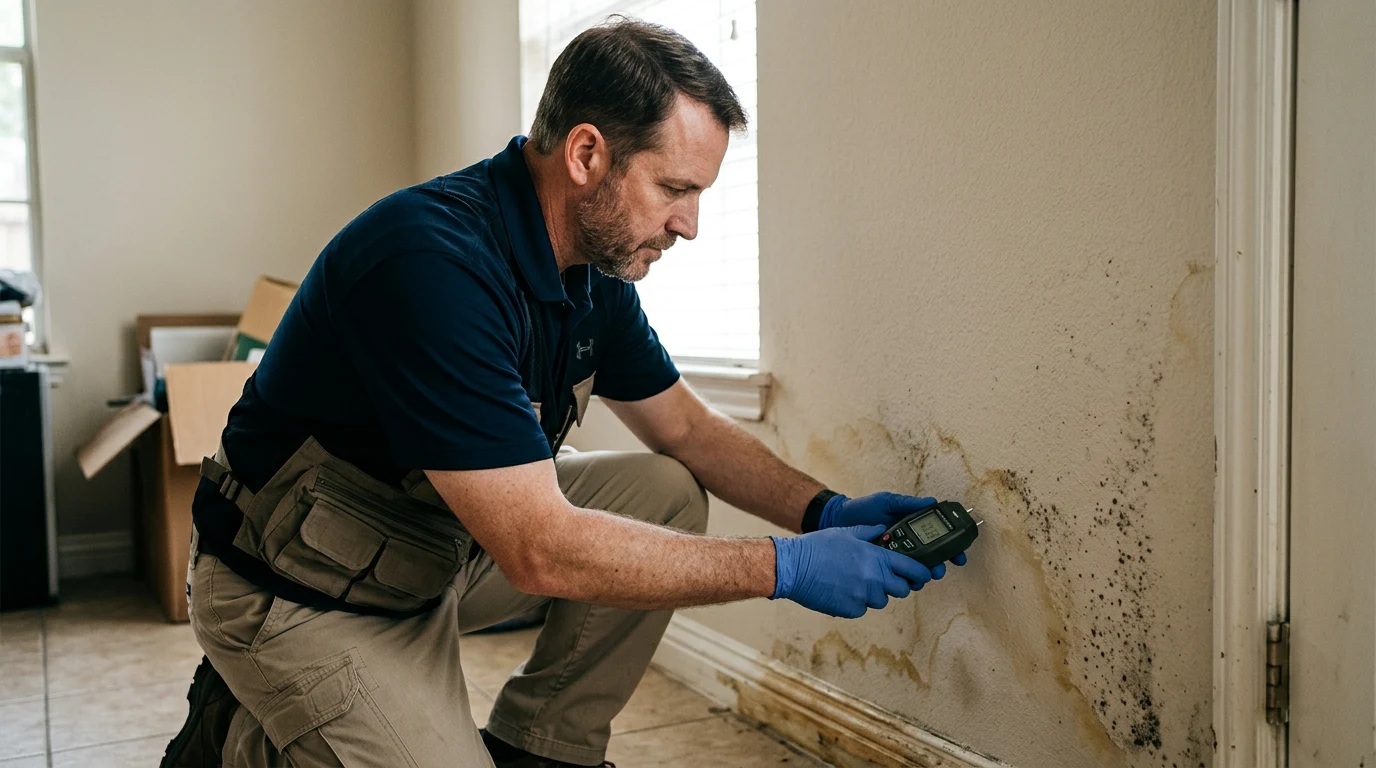
Houston homes on slab foundations are particularly prone to moisture intrusion through expansion joints. Look for mold along baseboards where the slab meets drywall.
Common housing in Houston, TX includes single-family homes, slab foundations, many built post-2000 with drywall construction. Each housing type has unique mold vulnerabilities that an experienced local inspector will know to check.
What a Professional Mold Inspection Includes
- Visual inspection: Systematic check of all rooms, focusing on moisture-prone areas (bathrooms, kitchen, basement, crawl space, attic)
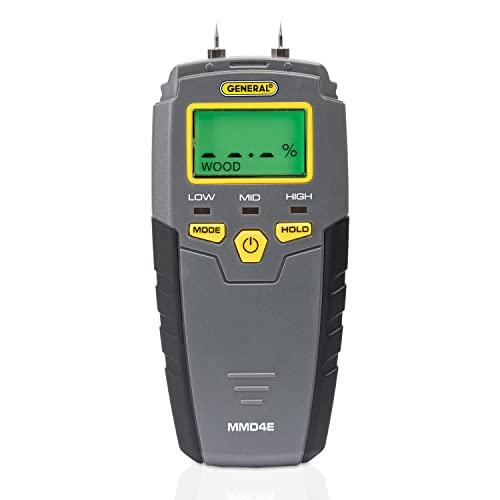
- Moisture readings: Professional-grade moisture meters to detect hidden moisture in walls, floors, and ceilings
- Air sampling: Indoor vs. outdoor spore count comparison to determine if mold levels are elevated
- Surface sampling: Swab or tape-lift samples from suspect areas, sent to an accredited lab
- Humidity assessment: Check HVAC performance, ventilation, and recommend a dehumidifier if needed
- Written report: Detailed findings with photos, lab results, and remediation recommendations
How to Choose a Mold Inspector in Houston
- Check certifications: ACAC, IICRC, or state license (if TX requires it)
- Verify independence: The inspector should NOT also offer remediation services (conflict of interest)
- Ask about lab accreditation: Samples should go to an AIHA (American Industrial Hygiene Association) accredited lab
- Request references: Ask for recent Houston-area inspection references
- Confirm insurance: Errors and omissions (E&O) insurance and general liability
- Get a written scope: Know exactly what the inspection covers before agreeing
Red Flags When Choosing a Mold Inspector
- Inspector also offers remediation services (conflict of interest)
- No certifications or unwilling to share credentials
- Pressure to sign a remediation contract immediately
- Extremely low price (may skip air/surface sampling)
- No written report included
- Uses scare tactics about “toxic mold” without lab confirmation
Questions to Ask Before Hiring
- What certifications do you hold?
- Are you independent from remediation companies?
- Which accredited lab do you use for samples?
- What does your inspection include, and what’s not included?
- How soon will I receive the written report?
- Do you carry E&O insurance?
- Are you familiar with Houston’s common housing types and mold patterns?
TX Mold Laws and Regulations
Texas Property Code Sec. 92.052 requires landlords to repair conditions affecting health/safety. No specific mold statute, but mold-related habitability claims are covered under general repair obligations.
DIY Mold Testing: When It Makes Sense
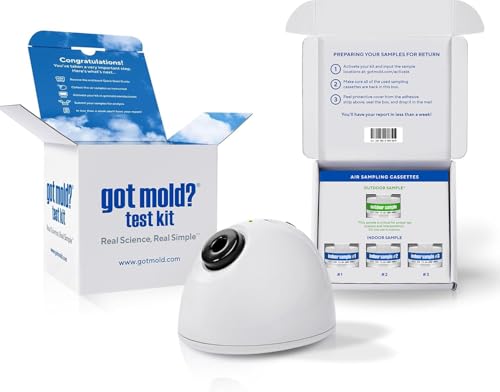
If you’re not ready for a professional inspection, a home mold test kit can give you initial information. These kits cost $30-$50 and can confirm whether mold is present, though they don’t replace a professional assessment. Read our complete mold testing guide for more information on when to test for mold.
Common Mold Questions in Houston
Is mold common in Houston apartments?
Does Houston flood insurance cover mold remediation?
What humidity level should I keep my Houston home at?
Frequently Asked Questions
How much does a mold inspection cost in Houston?
A professional mold inspection in Houston, TX typically costs $300 – $600. This includes a visual assessment, moisture readings with professional-grade meters, and may include air sampling or surface swabs sent to an accredited lab.
Do I need a mold inspection before buying a home in Houston?
A mold inspection is not required for home purchases in TX, but it’s strongly recommended given Houston, TX’s very high mold risk. The inspection cost of $300 – $600 is minimal compared to potential remediation costs of $1,500 – $5,000 or more.
What certifications should a Houston mold inspector have?
Look for certifications from the ACAC (American Council for Accredited Certification), IICRC (Institute of Inspection Cleaning and Restoration Certification), or state licensing if required. They should carry errors and omissions insurance and general liability insurance.
How long does a mold inspection take in Houston?
A thorough mold inspection in a typical Houston, TX home takes 1-3 hours depending on the size of the home and number of problem areas. Lab results for air or surface samples typically take 3-5 business days.
Related Guides
Frequently Asked Questions
What qualifications should I look for in a mold inspector in Houston?
When choosing a mold inspector in Houston, prioritize certifications from recognized organizations like the ACAC (American Council for Accredited Certification) or IICRC (Institute of Inspection, Cleaning and Restoration Certification). These certifications indicate adherence to industry standards and best practices for mold assessment. Additionally, ensure they are licensed as mold assessors by the Texas Department of Licensing and Regulation (TDLR).
How much does a typical mold inspection cost in Houston?
The cost of a mold inspection in Houston can vary depending on the size of your property and the complexity of the issue, but generally ranges from $300 to $600 for a standard residential inspection. This fee typically covers a visual assessment, moisture readings, and air/surface sampling, with lab analysis costs often separate. Be wary of significantly lower prices, as they may indicate a less thorough inspection.
Do I need a mold inspection if I can already see mold?
Even if you can visually identify mold, a professional mold inspection in Houston is still crucial to determine the extent of the contamination and identify any hidden mold growth. An inspector can also identify the type of mold, which influences the remediation strategy, and provide a detailed report for remediation companies. This ensures a comprehensive cleanup and prevents recurrence.
What is the difference between a mold inspector and a mold remediator?
In Texas, mold inspectors and mold remediators are required to be separate entities to prevent conflicts of interest. A mold inspector assesses the problem, identifies the mold, and provides a remediation protocol, while a mold remediator performs the actual cleanup and removal of the mold. This separation ensures an unbiased assessment and effective remediation.

How long does a mold inspection typically take in Houston?
A standard residential mold inspection in Houston typically takes between 1 to 3 hours, depending on the size and complexity of the property. This timeframe allows for a thorough visual inspection, moisture readings, and the collection of necessary air and surface samples. The lab analysis of samples will add additional time before a full report is available.

What should I expect in a mold inspection report?
A comprehensive mold inspection report from a Houston inspector should include detailed findings, photographic evidence, moisture readings, and lab results from any samples taken. Crucially, it will also provide a clear remediation protocol outlining the necessary steps for mold removal and prevention. This report is essential for obtaining accurate bids from remediation companies.
These statements have not been evaluated by the Food and Drug Administration. This information is not intended to diagnose, treat, cure, or prevent any disease. Content is for informational purposes only and is not medical advice; consult a qualified healthcare provider before starting any supplement. As an Amazon Associate we earn from qualifying purchases.