Mold on Bathroom Ceiling: How to Remove and Prevent It for Good
Affiliate Disclosure: As an Amazon Associate, I earn from qualifying purchases at no extra cost to you. All product data (prices, ASINs, ingredient claims) was verified from live listings at time of writing.
1. Is Bathroom Ceiling Mold Dangerous? Can You Handle It Yourself?
Yes, mold on your bathroom ceiling can be a health concern. The most common types are Cladosporium and Aspergillus, which can trigger allergic reactions, asthma attacks, sinus congestion, and persistent coughing in sensitive people. The severity depends on your immune system, the size of the growth, and how long it has been present.
Small patches (under 3 feet across) are safely DIY-able for anyone without respiratory conditions or compromised immunity. The U.S. EPA recommends homeowners handle areas under 10 square feet themselves. Anything larger, or mold that returns after cleaning, calls for a professional.
If you see mold covering more than a third of your ceiling, if the drywall feels soft or spongy, or if anyone in the home has chronic respiratory issues, skip the DIY route and call a remediation contractor.
2. Why Mold Grows on Bathroom Ceilings
Mold needs three things: moisture, a food source, and darkness. A bathroom ceiling gives it all three.

Moisture Is the Root Cause
Every hot shower releases steam that rises and condenses on the ceiling. Without an exhaust fan, or with a weak one, that condensation sits on the paint and seeps into microscopic cracks. Over weeks and months, the trapped moisture creates a perfect environment for spores to germinate.
- Interior bathrooms (no window) are the highest risk. Steam has nowhere to go.
- Weak or unused exhaust fans are the most common culprit. A fan that does not vent outside (some just recirculate) is effectively useless.
- Slow plumbing leaks from the floor above can saturate ceiling drywall from behind, where you cannot see the problem until mold breaks through the paint.
- Poor insulation in the attic above creates cold spots on the ceiling where condensation forms more readily.
Ceiling Surfaces Are Vulnerable
Standard drywall (even “moisture-resistant” types) is not waterproof. Paint peels, paper facing absorbs moisture, and modern flat or matte paint finishes are more porous than glossier alternatives. Once mold takes hold in the paper layer, simply wiping the surface will not remove the roots.
3. What You Will Need
Do this right once instead of scrubbing every few months. Here are the tools and products you need, with specific items I recommend based on verified product data.
Protective Gear (Non-Negotiable)
| Item | Why You Need It | Recommendation |
|---|---|---|
| NIOSH P100 respirator | Mold spores and chemical fumes are hazardous. A basic dust mask does not seal well enough. | 3M P100 Mold & Lead Paint Removal Respirator (6297P1-DC) – $29.98, 4.6 stars. NIOSH-approved P100 filters capture 99.97% of particles plus nuisance odors. |
| Safety goggles | Prevent spores and cleaning chemicals from reaching your eyes. | Any splash-proof safety glasses; use with the 3M respirator above. |
| Chemical-resistant gloves | Many mold cleaners are caustic. Standard rubber gloves are fine for most products. | Long nitrile or neoprene gloves. |
| Drop cloths and tape | Protect bathroom floors, fixtures, and tubs from drips and bleach stains. | Plastic sheeting + painter’s tape. |
Cleaning Products
| Product | Best For | Price | ASIN |
|---|---|---|---|
| Concrobium Mold Control (32 oz) | Killing mold at the root without bleach or fumes. EPA-registered (82552-3), active ingredient: sodium carbonate. Odorless and leaves an invisible antimicrobial barrier. Does not remove stains well. | $13.48 | B084CNTQX2 |
| RMR-86 Instant Mold Stain Remover (2×32 oz) | Removing dark stains after mold is killed. Bleach-based (sodium hypochlorite), extremely strong fumes. Not EPA-registered as a mold killer. Must use with full PPE. | $25.99 | B0858LDFBW |
Two-product strategy: Kill the mold first with Concrobium, then remove the stain with RMR-86. RMR-86 alone does not kill mold roots; Concrobium alone does not remove discoloration well. Using both costs about $39 and covers your average bathroom ceiling for years.
Prevention Products
| Product | Best For | Price | ASIN |
|---|---|---|---|
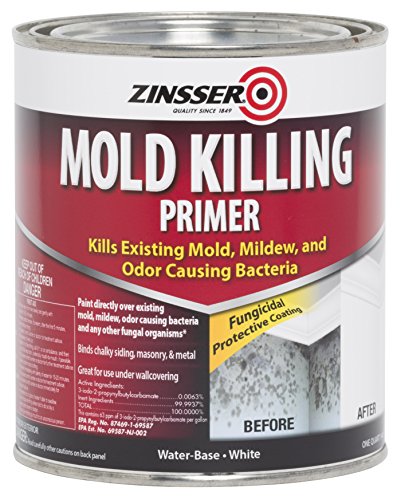
| Zinsser Mold Killing Primer (Quart) | Painting over cleaned mold areas. EPA-registered (87469-1-69587), water-based acrylic that kills residual spores on the paint film and prevents regrowth. Covers 160 sq ft per quart. | $17.08 | B00K7FEQPI |
| ThermoPro TP50 Hygrometer | Monitoring bathroom humidity. #1 Best Seller, 4.6 stars (153K ratings). Simple display with DRY/COMFORT/WET indicator. No app needed. | $10.99 | B01H1R0K68 |
| Govee H5179 WiFi Hygrometer | Remote humidity monitoring with phone alerts. WiFi + Bluetooth, 4.3 stars. Set alerts so you know when the bathroom stays too humid. | $32.29 | B0C7QMSMLD |
4. Step-by-Step Mold Removal (Bathroom Ceiling Specific)
Follow these steps in order. Rushing or skipping steps is why mold comes back.

Step 1: Prepare the Room
- Remove all towels, rugs, toiletries, and fabric items from the bathroom.
- Cover the floor, toilet, tub, and sink with plastic drop cloths. Tape the edges.
- Open a window if possible. If there is no window, position a box fan in the doorway pointing out to create negative air pressure.
- Put on your respirator, goggles, and gloves before opening any product.
Step 2: Kill the Mold
- Spray Concrobium Mold Control directly onto the affected area until it is visibly wet. Apply from about 6 to 8 inches away.
- Let it sit for 10 minutes. The sodium carbonate solution penetrates the mold spore and causes it to collapse.
- Wipe the surface with a clean dry cloth. Do not scrub hard; you are removing the dead mold bodies, not grinding them into the ceiling.
- Dispose of the cloth in a sealed plastic bag. Do not reuse it.
Step 3: Remove Stains (If Needed)
- If dark stains remain after the mold is killed, spray RMR-86 directly onto the stain.
- Watch it work. Stains often begin fading within 15 to 30 seconds.
- After 1 to 2 minutes, blot the area with a clean cloth. Do not wipe across unstained ceiling areas; the bleach can lighten the surrounding paint.
- RMR-86 is potent. Keep the room ventilated and leave after spraying. Check the area from the doorway after 5 minutes.
Step 4: Dry Thoroughly
- Run the exhaust fan or keep the window open for at least 2 hours after cleaning.
- Point a fan at the ceiling if possible. The drywall must be completely dry before any painting or priming.
- Use a moisture meter if you have one; the area should read under 20% moisture content.
Step 5: Prime and Paint (Optional but Recommended)
- Apply Zinsser Mold Killing Primer to the cleaned area. One quart covers about 160 square feet, enough for most bathroom ceilings.
- Let the primer dry for 1 hour. It kills any residual spores that survived cleaning and prevents future growth on the paint film.
- Apply a top coat of bathroom-rated paint (satin or semi-gloss finish; these resist moisture better than flat paint).
5. When the Ceiling Must Be Replaced Instead of Cleaned
Cleaning works only when the mold is on the surface. If moisture has been soaking through the drywall for weeks or months, the material itself is compromised. Replace the drywall if you see any of these signs:
- Soft or bulging drywall. Press gently on the affected area. If it feels spongy or gives way, the paper and gypsum have broken down.
- Mold on both sides. If you cut a small inspection hole and see mold on the back of the drywall, the entire section needs to come out.
- Persistent musty smell. If the room still smells musty a week after cleaning, mold is growing in a hidden cavity.
- Recurring mold. If the same spot grows back within 2 to 3 months despite proper cleaning and ventilation, the drywall is a reservoir.
- Water damage stains. Brown rings, peeling paint, or bubbling paper means the drywall has been wet long enough to lose structural integrity.
How to replace a ceiling section: Cut out the damaged drywall at least 12 inches beyond the visible mold line. Seal the cavity, install new drywall, tape the joints, apply Zinsser Mold Killing Primer, and paint with a moisture-resistant finish. Wear full PPE during removal; cutting into moldy drywall releases a concentrated cloud of spores.
6. Preventing It from Coming Back
Removing mold is temporary if you do not fix the environment that caused it. Use these strategies in order of importance.
Fix Your Exhaust Fan
The single most effective prevention is a properly functioning exhaust fan that vents outside. If your fan just recirculates air through a filter, replace it with one that ducts to the exterior. Run the fan during every shower and for 20 to 30 minutes afterward. A timer switch makes this automatic.

Monitor Humidity
Keep bathroom humidity below 60%. A $10.99 ThermoPro TP50 hygrometer sits on a shelf and tells you at a glance whether the room is still too damp. For remote monitoring, the Govee H5179 sends alerts to your phone if humidity stays high after you leave.
Use a Squeegee or Towel
After every shower, wipe down the ceiling with a dry microfiber towel on a pole. This takes 20 seconds and removes the condensation before it can soak in. Build this habit for a week and it becomes automatic.
Switch to a Better Paint Finish
Flat or matte paint absorbs moisture. When you repaint the ceiling, use a satin or semi-gloss bathroom paint. These finishes are less porous and let condensation run off rather than soak in. Always prime with an antimicrobial primer like Zinsser Mold Killing Primer first.
Reduce Shower Steam
Run cooler showers. Take shorter showers. Crack the door an inch while showering to let steam escape rather than condensing on the ceiling. Every degree of cooler water means less steam hitting that painted surface.
7. When to Call a Professional
Some situations demand a licensed mold remediation contractor. Call one if:
- The mold covers more than 10 square feet (roughly 3 feet by 3 feet).
- The drywall is visibly sagging or waterlogged.
- You suspect hidden mold behind walls, in the attic, or inside the HVAC system.
- Anyone in the home has asthma, allergies, chronic sinusitis, or a compromised immune system.
- The mold returns aggressively within weeks despite proper cleaning.
- There is an active plumbing leak that has not been repaired.
- You smell a musty odor but cannot see the source.
A reputable contractor will perform moisture mapping, air quality testing before and after remediation, and follow IICRC S520 standards for mold remediation. Expect to pay $500 to $3,000 depending on the scope. This is expensive, but improper removal that spreads spores throughout the house is far more costly.
8. Frequently Asked Questions
Does bleach kill mold on bathroom ceilings?
Bleach (sodium hypochlorite) kills mold on hard non-porous surfaces like tile, but it is ineffective on porous surfaces like drywall and ceiling paint. The high water content in bleach soaks into the drywall but the chlorine evaporates too quickly to reach the mold roots. The water can even feed further mold growth behind the surface. Use an EPA-registered fungicide like Concrobium Mold Control instead.
What is the black stuff on my bathroom ceiling?
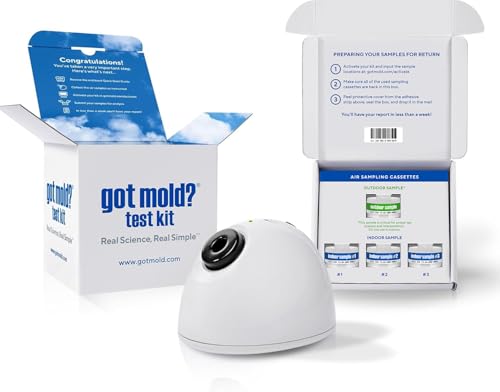
Most likely Cladosporium or Aspergillus, two common indoor molds that appear as black or dark green spots. Black mold (Stachybotrys chartarum) is less common but can appear if the ceiling stays wet for several weeks. A home mold test kit can identify the species, but treatment is the same regardless: kill the mold, remove the stain, and fix the moisture source.
Can I just paint over mold on the ceiling?
Painting over active mold does not solve the problem. The mold continues growing underneath the paint and will eventually push through. You must kill the mold first using an EPA-registered fungicide, then apply a mold-killing primer like Zinsser Mold Killing Primer before the finish coat. Painting over live mold is a temporary cosmetic fix that makes remediation harder later.

Why does my bathroom ceiling mold come back so quickly?
Three common reasons: you are cleaning the stain but not killing the roots; your exhaust fan is ineffective or unused; or the drywall is saturated and needs replacement. The fastest reappearances usually trace to a weak fan. Test yours by holding a piece of toilet paper near the grille while the fan runs. If the paper does not stay pinned to the grille, the fan is not moving enough air.
Is white vinegar effective for bathroom ceiling mold?
White vinegar (acetic acid) can kill some mold species on hard surfaces at concentrations above 5%, but it is less effective on porous ceiling materials and has no residual protection. Vinegar also does not kill Stachybotrys (black mold) reliably. An EPA-registered product like Concrobium (active ingredient: sodium carbonate) is proven to kill a broader spectrum of mold and leaves an antimicrobial barrier that vinegar cannot match.
Can bathroom ceiling mold make me sick?
Yes. Common symptoms include nasal congestion, sneezing, coughing, wheezing, red or itchy eyes, headaches, and skin irritation. People with asthma, allergies, or weakened immune systems are more susceptible. Prolonged exposure to high spore counts can trigger sinus infections and respiratory inflammation. If anyone in the home experiences these symptoms and they improve when away from the bathroom, mold is a likely cause.
Frequently Asked Questions
Does bleach kill mold on bathroom ceilings?
Bleach kills mold on non-porous surfaces like tile, but it is ineffective on porous surfaces like drywall and ceiling paint. The water in bleach can actually feed further mold growth behind the surface. Use an EPA-registered fungicide like Concrobium Mold Control instead.
What is the black stuff on my bathroom ceiling?
Most likely Cladosporium or Aspergillus, two common indoor molds that appear as black or dark green spots. Black mold (Stachybotrys chartarum) is less common on ceilings. Treatment is the same regardless: kill the mold, remove the stain, and fix the moisture source.

Can I just paint over mold on the ceiling?
Painting over active mold does not solve the problem. The mold continues growing underneath the paint and will eventually push through. Kill the mold first using an EPA-registered fungicide, then apply a mold-killing primer like Zinsser Mold Killing Primer before the finish coat.
Why does my bathroom ceiling mold come back so quickly?
Three common reasons: you are cleaning the stain but not killing the roots; your exhaust fan is ineffective or unused; or the drywall is saturated and needs replacement. Test your fan by holding a piece of toilet paper near the grille while the fan runs. If the paper does not stay pinned, the fan is not moving enough air.
Is white vinegar effective for bathroom ceiling mold?
White vinegar can kill some mold species on hard surfaces, but it is less effective on porous ceiling materials and has no residual protection. An EPA-registered product like Concrobium is proven to kill a broader spectrum of mold and leaves an antimicrobial barrier.
These statements have not been evaluated by the Food and Drug Administration. This information is not intended to diagnose, treat, cure, or prevent any disease. Content is for informational purposes only and is not medical advice; consult a qualified healthcare provider before starting any supplement. As an Amazon Associate we earn from qualifying purchases.