Vinegar vs Hydrogen Peroxide for Black Mold
Hydrogen peroxide has stronger sporicidal activity on non porous surfaces, vinegar is the safer everyday option. Full comparison and correct use.

Hydrogen peroxide has stronger sporicidal activity on non porous surfaces, vinegar is the safer everyday option. Full comparison and correct use.
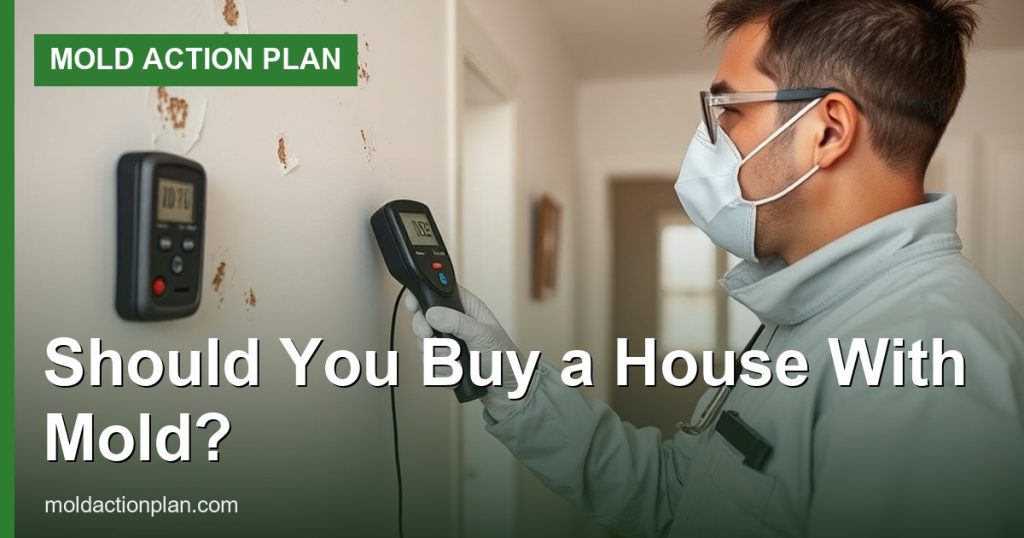
It depends on the species, the extent, the location, and whether the moisture source is fixed. How to assess severity and negotiate, or walk.
Concrobium penetrates porous surfaces and prevents regrowth, Microban 24 is a surface sanitizer. What each is built for and which one you need.
Mold can germinate within 24 to 48 hours on a wet surface, per EPA, CDC and FEMA. The full growth timeline and what to do inside that window.
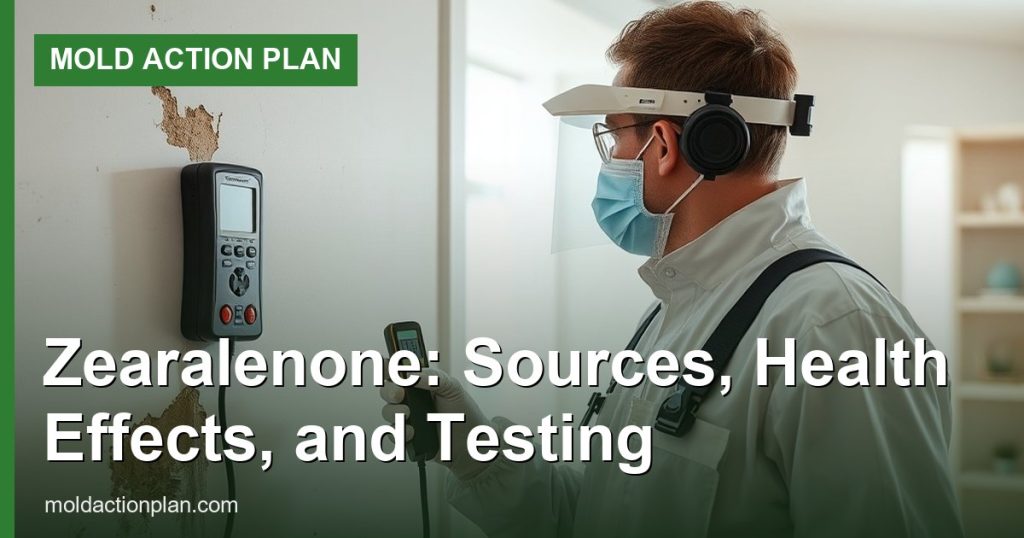
Zearalenone is a Fusarium mycotoxin classed as an estrogenic endocrine disruptor. Where it comes from indoors, health effects, and testing.
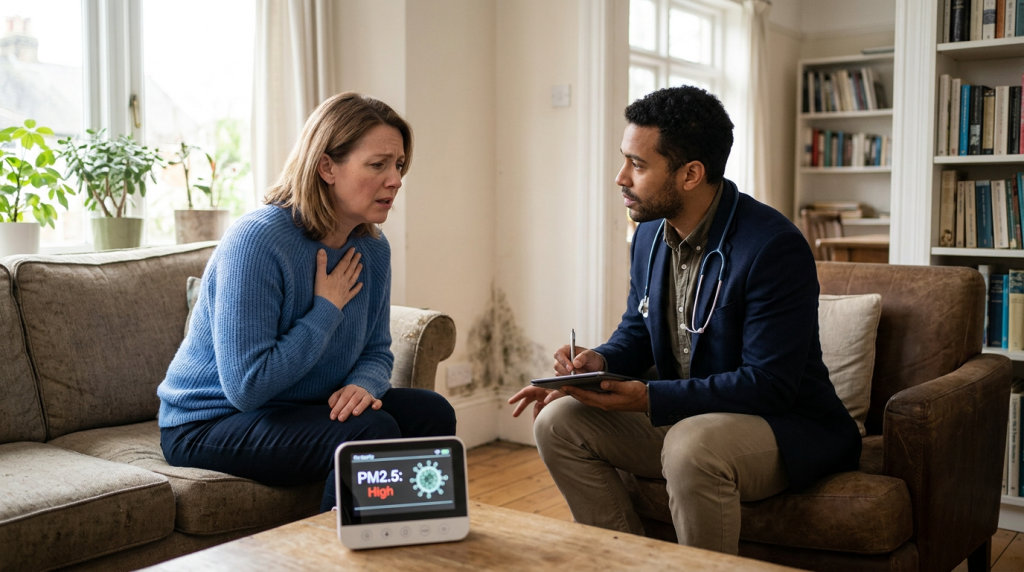
If symptoms ease when you leave the house and return when you are home, suspect mold. Warning signs, how to test, and safe small area cleanup.
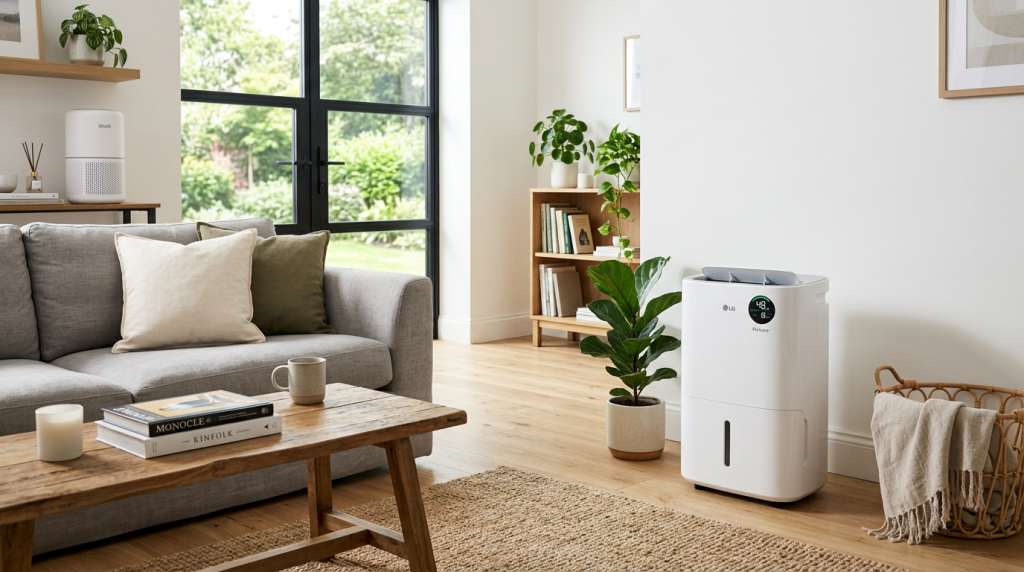
A dehumidifier prevents mold by holding humidity under 60 percent, but it cannot kill what is already growing. What it does and does not do.
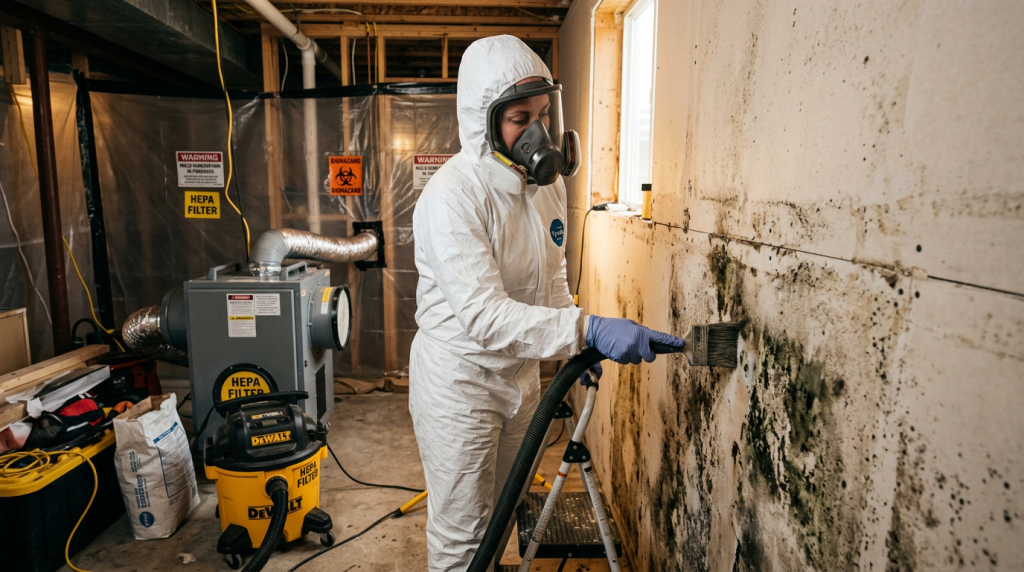
A musty smell with nothing visible means mold behind walls, under flooring, or in ducts. Follow the odor and confirm before you open anything up.

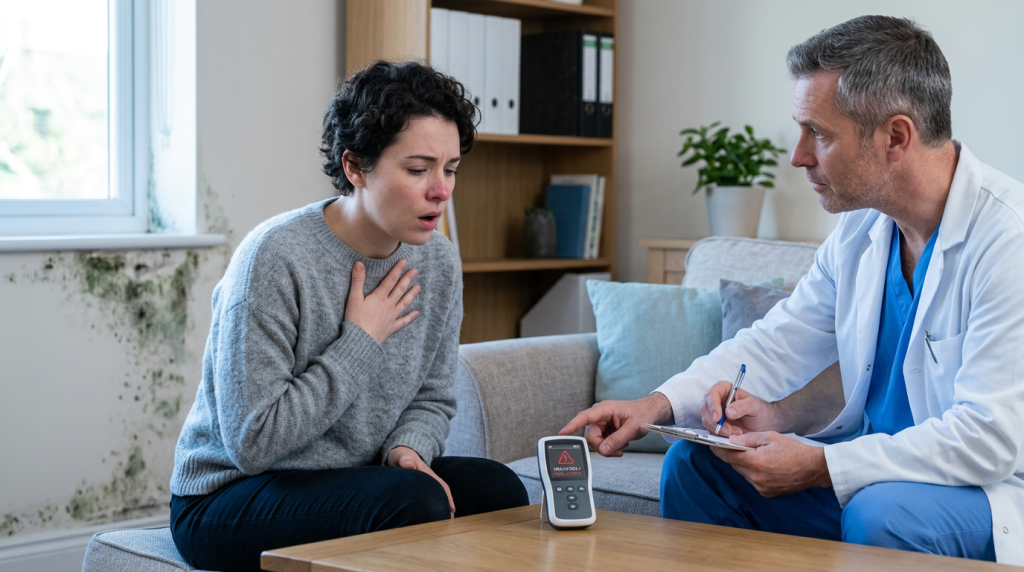
Mold allergy mimics hay fever: sneezing, congestion, itchy eyes. Why spores trigger it, what actually helps at home, and when to see a doctor.
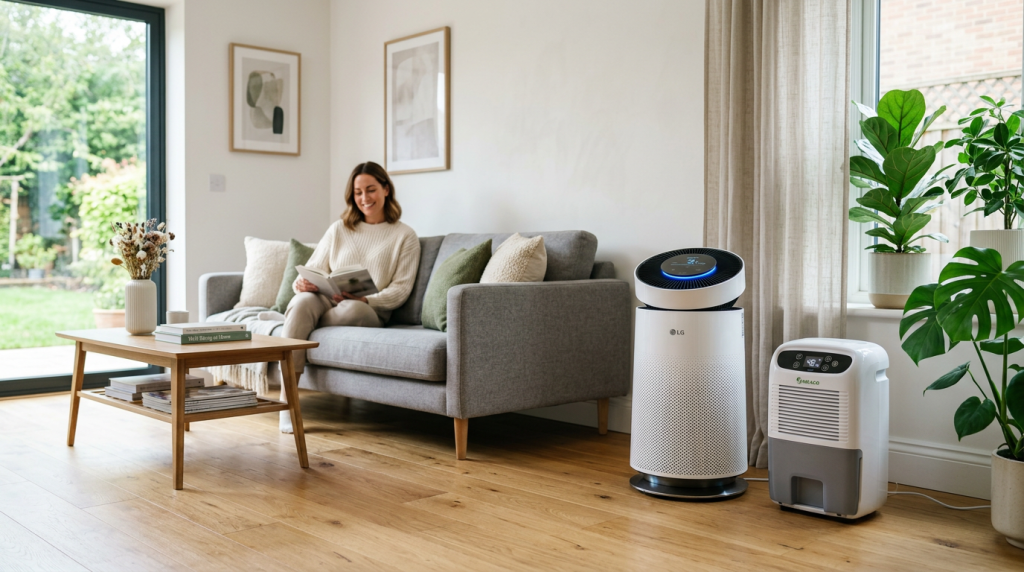
Hydrogen peroxide is EPA-registered and kills mold on non porous surfaces with a 10 minute dwell. Where vinegar still fits, and how to use each.
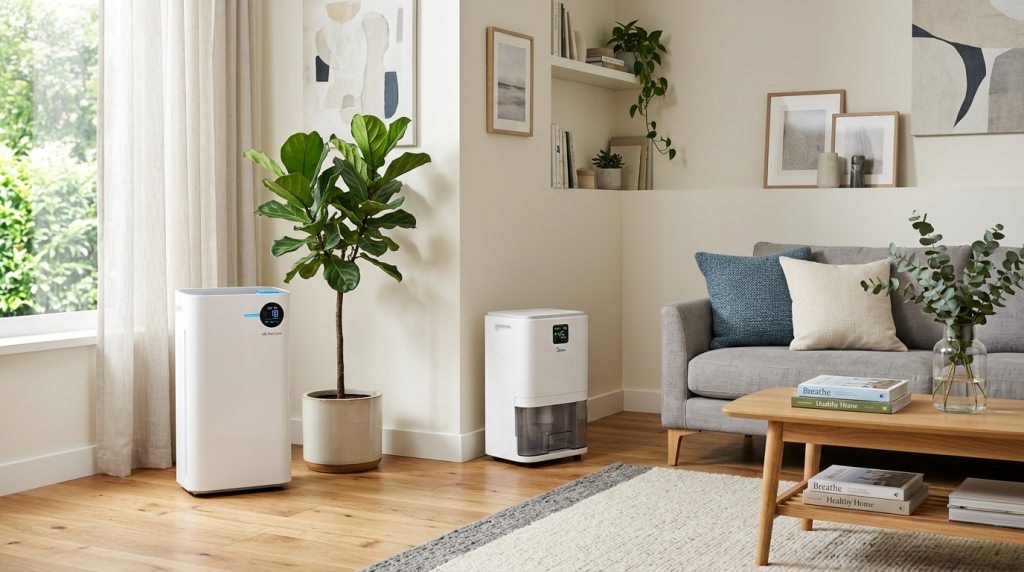
Borax wins on porous surfaces like wood and drywall, vinegar on light non porous spots. A side by side comparison plus the right method for each.
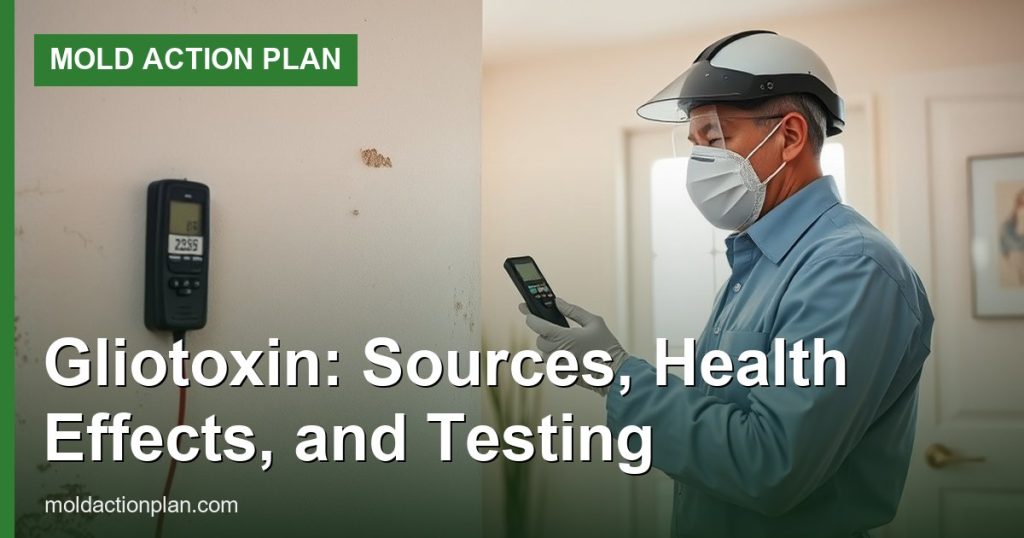
Gliotoxin is produced by certain molds and yeasts during active growth. Where it comes from, reported health effects, and how testing works.