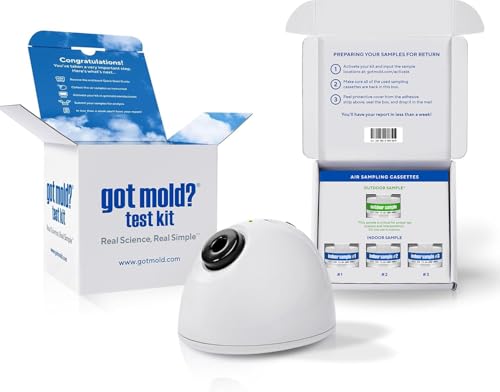
When it comes to testing your home for mold, not all methods are created equal. The debate between ERMI vs air testing is one of the most common questions homeowners face after discovering water damage or experiencing unexplained health symptoms. Understanding the core differences between these two approaches can save you time, money, and frustration, and help you get a clear, actionable picture of what is actually happening in your home.
What Is ERMI Testing?
ERMI stands for Environmental Relative Moldiness Index. It is a DNA-based dust analysis originally developed by the U.S. Environmental Protection Agency. The test works by collecting a settled dust sample from your home, typically vacuumed from carpet or collected from surfaces, and analyzing it using a method called MSQPCR (Mold-Specific Quantitative Polymerase Chain Reaction). This process identifies and quantifies the DNA of 36 specific mold species.
Those 36 species are divided into two groups:
- Group 1: 26 mold species associated with water-damaged buildings (including Stachybotrys chartarum, Chaetomium globosum, and several Aspergillus and Penicillium species linked to problematic environments)
- Group 2: 10 mold species commonly found in outdoor, non-problem environments
The ERMI score is calculated by subtracting the Group 2 log sum from the Group 1 log sum. Scores typically range from about -10 to +20. A score above 5 is generally considered elevated and worth investigating further. Scores above 10 indicate a significantly contaminated indoor environment according to the EPA’s reference database.
What Is Air Testing?
Air testing, also called air sampling or spore trap sampling, works by pulling a measured volume of air through a collection cassette over a set period, usually two to five minutes. A lab technician then examines the cassette under a microscope and counts the mold spores present. Results are reported in spores per cubic meter of air.
The most common air testing protocol compares indoor samples to an outdoor control sample. The theory is that if indoor spore counts are significantly higher than outdoor counts, a mold problem may exist inside.
Air testing is widely used, and its low upfront cost, often $30 to $75 per cassette, plus lab fees, makes it appealing. However, there are serious limitations that make it a poor primary screening tool for most homeowners.
Why ERMI Outperforms Air Testing for Home Screening
Air Testing Captures Only a Snapshot in Time
Mold spore concentrations in indoor air fluctuate dramatically depending on time of day, recent activity in the home, humidity levels, HVAC operation, and even whether windows have been open. A single air test captures only what is airborne during that specific 2-to-5-minute sampling window. Heavy mold growth hidden inside a wall cavity or beneath flooring may release very few spores into the air on the day of testing, producing a misleadingly clean result.
Dust Tells the Accumulated Story
Settled dust is a reservoir for mold fragments, spores, and DNA that has accumulated over months or even years. ERMI testing analyzes this historical record rather than a moment-in-time air reading. This means a single ERMI test reflects ongoing or past mold activity in the home, making it far more sensitive for detecting hidden or intermittent contamination.
ERMI Identifies the Most Problematic Species
Standard air spore trap testing identifies mold by genus (for example, Aspergillus/Penicillium types are grouped together) and cannot distinguish between species. This is a significant weakness, because some Aspergillus species are relatively benign while others produce mycotoxins of significant concern. ERMI’s DNA-based methodology identifies 36 species individually, including the water-damage indicator species most closely associated with problematic indoor environments.
ERMI Has a Validated Reference Database
The EPA developed the ERMI score using dust samples from hundreds of homes across the United States. This reference database allows your score to be compared against a large population of American homes, giving context to your results. Air testing lacks a comparable national reference standard, meaning interpretation is largely subjective and varies by inspector.
Reproducibility and Objectivity
Because ERMI uses DNA quantification, results are highly reproducible. Two labs running the same dust sample through MSQPCR should arrive at very similar numbers. Air spore trap results depend on the skill and experience of the microscopist reading the slide, introducing a degree of subjectivity that can affect accuracy.
When Air Testing Might Still Have a Role
Air testing is not without any utility. It can be appropriate in specific, narrow circumstances:
- Post-remediation clearance testing, when you want to confirm that a remediation project did not release elevated spore counts into the living space
- Identifying the general location of a mold source when combined with detailed visual inspection by a qualified inspector
- Assessing whether a specific suspected area (such as an HVAC duct) is releasing spores at the time of testing
For initial home screening, especially when symptoms are present or water damage has occurred, ERMI is the more informative and reliable choice. This is why structured mold action protocols recommend ERMI specifically, not air testing, as the primary environmental screening tool.
How to Collect an ERMI Sample
ERMI sample collection kits are available from accredited laboratories. The standard collection method involves using a special HEPA filter vacuum to collect dust from a defined area of carpet (typically 2 square feet across multiple rooms) or using an electrostatic dust cloth for hard-floor homes. The sample is then mailed to the lab for DNA analysis.
Costs typically range from $150 to $300 for a complete ERMI test including lab analysis, depending on the provider. Results are usually returned within 5 to 10 business days.
For best results, collect the sample from areas where dust accumulates naturally and where occupants spend the most time. Avoid vacuuming the collection area in the days before sampling. You can learn more about the full testing process in our mold testing guide.
Understanding Your ERMI Score
| ERMI Score Range | General Interpretation | Suggested Next Step |
|---|---|---|
| Below 0 | Low moldiness relative to reference homes | Maintain prevention practices |
| 0 to 5 | Moderate; within range of many U.S. homes | Monitor; address any known moisture issues |
| 5 to 10 | Elevated; warrants further investigation | Professional inspection recommended |
| Above 10 | Significantly elevated; consistent with water-damaged building | Professional inspection and likely remediation |
Keep in mind that ERMI score interpretation should always be done in context. A score above 5 in a home occupied by someone with known mold sensitivity or immune compromise warrants faster action than the same score in a home with no symptoms and no history of water damage. Always consult a certified mold inspector or Industrial Hygienist (IEP) to help interpret results and guide next steps. The EPA’s mold resources provide additional background on indoor mold assessment.
What to Do After an Elevated ERMI Result
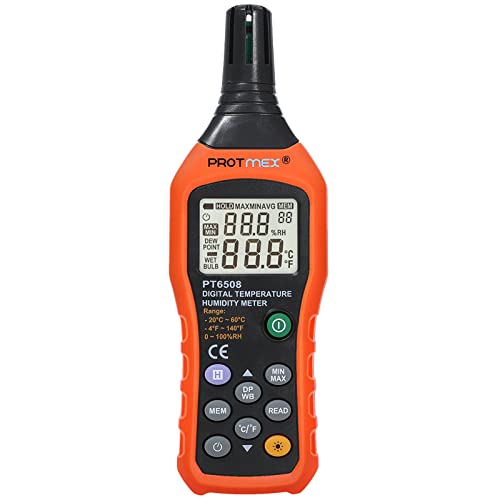
An elevated ERMI score is a signal that water-damage indicator molds are present in your home’s dust at concerning levels. It does not, on its own, tell you exactly where the mold is growing. The logical next step is a thorough inspection by a qualified Indoor Environmental Professional (IEP) or building biologist who can identify active moisture sources, hidden mold growth, and the structural conditions driving contamination.
From there, a targeted remediation plan can be developed. This typically involves addressing the source of moisture first, whether that is a roof leak, plumbing failure, foundation intrusion, or chronic condensation, before any mold remediation begins. Remediation without fixing the underlying moisture source will result in regrowth. You can find guidance on what to expect from that process in our mold removal section and our article on what to expect from mold remediation.
If occupants are experiencing health symptoms that may be related to mold or mycotoxin exposure, consultation with a qualified healthcare provider is essential. Environmental test results are informational only and do not constitute a medical diagnosis. For guidance on the broader process of addressing both environment and health concurrently, see our resource on mold-related health symptoms.
Frequently Asked Questions
Can I use both ERMI and air testing together?
Yes, and in some situations a combination approach makes sense. ERMI is best suited for initial screening and establishing whether water-damage indicator molds are present in the home overall. Air testing can serve a complementary role during or after remediation to assess whether spore counts in living areas are within acceptable ranges. If budget requires choosing one for initial screening, ERMI provides significantly more useful data.
How high does an ERMI score need to be before I should take action?
There is no single universal threshold that applies to every situation. Many practitioners consider scores above 5 worth investigating further, and scores above 10 strongly suggest a water-damaged building environment. Scores should always be interpreted alongside clinical symptoms, history of water damage, and results of a professional visual inspection. People with heightened mold sensitivity may need to respond to lower scores than the general population.
Does ERMI testing work in homes without carpet?
Yes. While carpet is the traditional collection substrate because it accumulates more dust, ERMI can be performed in hard-floor homes using an electrostatic dust cloth (ERMI-HERTSMI cloth) to collect settled dust from multiple surfaces. Results are still valid, though some labs note that carpet samples tend to capture a more representative historical picture. Ask your lab about their specific collection protocol for hard-floor homes.
What is HERTSMI-2, and how does it differ from a full ERMI?
HERTSMI-2 is a shorter version of the ERMI that analyzes only 5 of the most clinically significant water-damage indicator mold species: Stachybotrys chartarum, Chaetomium globosum, Wallemia sebi, Aspergillus penicillioides, and Aspergillus versicolor. It is less expensive than a full ERMI and is sometimes used as a quick re-entry screen after remediation. A full ERMI provides more complete information for initial screening and is generally recommended when budget allows. Learn more in our guide to ERMI vs HERTSMI-2.
Should I hire a professional to collect the ERMI sample or do it myself?
ERMI kits are designed for homeowner collection and come with detailed instructions. Self-collection is a reasonable and cost-effective option for initial screening. However, if you suspect a serious problem or plan to use results for legal or insurance purposes, having a certified inspector collect the sample ensures proper chain of custody and adds professional credibility to the findings. Either way, the DNA analysis is performed by an accredited laboratory and is not affected by who collected the sample as long as collection protocols are followed correctly.
These statements have not been evaluated by the Food and Drug Administration. This information is not intended to diagnose, treat, cure, or prevent any disease. Content is for informational purposes only and is not medical advice; consult a qualified healthcare provider before starting any supplement. As an Amazon Associate we earn from qualifying purchases.