Your dog has been scratching nonstop for weeks. Your cat wheezes when she sleeps. The vet prescribed antibiotics, allergy meds, or a special diet, but nothing sticks. Before cycling through another round of treatments, consider a cause the vet may not have asked about: mold in your home.
Mold health risks for pets are significant and underrecognized. Animals live closer to the ground where mold spore concentrations are highest, they groom themselves by licking contaminated fur, and they cannot tell you that a room smells musty. In many households, pets develop symptoms weeks or months before their owners do — making them unintentional early warning systems for indoor mold problems.
Why Pets Are More Vulnerable to Mold Than Humans
Several biological and behavioral factors make pets more susceptible to mold exposure:
- Proximity to the floor — dogs and cats spend their lives within 6 to 18 inches of the ground, exactly where mold spores settle. Spore concentrations at floor level can be 2 to 5 times higher than at standing human height
- Higher respiratory rates — dogs breathe 15 to 30 times per minute at rest (compared to 12 to 20 for adult humans), inhaling more spores per minute relative to body size
- Grooming behavior — cats groom constantly, ingesting mold spores and fragments that have settled on their fur. Dogs lick their paws after walking through contaminated areas
- Smaller body mass — a 10-pound cat exposed to the same spore count as a 150-pound human receives roughly 15 times the dose per pound of body weight
- Floor-level napping — pets sleep on floors, in corners, under furniture, and in basements — all prime mold locations
According to the EPA’s guide on mold and your home, controlling moisture is the key to controlling mold growth — and that applies to protecting both human and animal occupants.
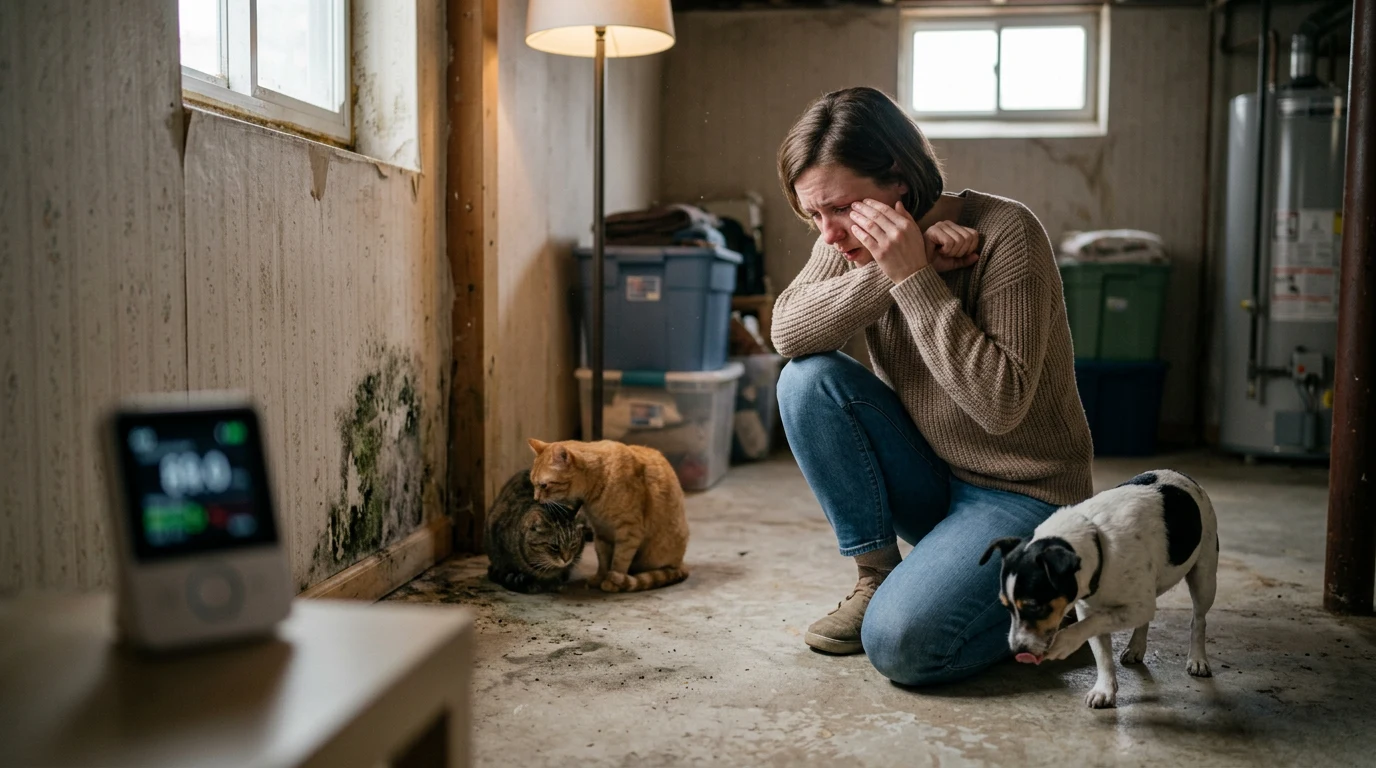
Mold Symptoms in Dogs
Dogs exposed to indoor mold typically show a combination of respiratory, skin, and systemic symptoms:
Respiratory Signs
- Persistent coughing — a dry, non-productive cough that does not resolve with standard treatment, often worse after sleeping on the floor
- Wheezing or labored breathing — audible breathing difficulty, particularly during rest or sleep
- Nasal discharge — clear or mucoid discharge from one or both nostrils lasting more than 2 weeks
- Sneezing fits — repeated sneezing episodes, especially when entering certain rooms
- Exercise intolerance — a previously active dog becoming winded quickly during walks or play
Skin and Coat Signs
- Excessive scratching and biting — focused on paws, belly, and ears where mold spores accumulate
- Hot spots — localized areas of infected, inflamed skin that appear suddenly and spread
- Hair loss — patchy fur loss, particularly on the legs and underside
- Ear infections — recurring ear infections (otitis) that respond temporarily to treatment but return. Mold species like Aspergillus can directly colonize the ear canal
- Skin darkening — hyperpigmentation in areas of chronic irritation
Systemic Signs
- Lethargy — reduced energy and interest in activities they previously enjoyed
- Loss of appetite — reduced food intake persisting for more than 3 to 5 days
- Vomiting or diarrhea — gastrointestinal symptoms from ingesting mold spores during grooming
- Nosebleeds — in severe cases, particularly with Aspergillus infection of the nasal cavity (aspergillosis)
Mold Symptoms in Cats
Cats often show different symptom patterns than dogs due to their smaller size and more intensive grooming behavior:
- Wheezing and asthma-like episodes — feline asthma affects approximately 1% to 5% of cats, and mold exposure is a recognized trigger. Affected cats crouch low, extend their neck, and produce a distinctive wheezing cough
- Excessive grooming — over-grooming to the point of creating bald patches, particularly on the belly and inner legs
- Sneezing and watery eyes — upper respiratory symptoms that mimic feline herpesvirus but do not respond to antivirals
- Skin lesions — crusty, raised patches that resemble ringworm (and should be differentiated by a vet)
- Behavioral changes — hiding more than usual, reduced playfulness, irritability when touched
- Reduced appetite and weight loss — even small decreases in food intake quickly affect a cat’s smaller body mass
Mold Risks for Other Pets
Birds
Birds are extremely sensitive to airborne contaminants due to their unique respiratory system, which is far more efficient than mammalian lungs. A bird showing respiratory distress — tail bobbing, open-mouth breathing, or audible clicking — in a mold-affected home is a medical emergency. Aspergillosis is one of the most common fatal fungal infections in pet birds.
Small Mammals
Rabbits, guinea pigs, hamsters, and ferrets are all susceptible to mold-related respiratory illness. Their cages are typically at floor level, placing them directly in the highest spore concentration zone. Bedding materials that become damp can also develop mold, creating a localized exposure source right where the animal lives.
Reptiles
Reptile enclosures with high humidity and warm temperatures create ideal conditions for mold growth on substrate, decorations, and enclosure walls. Mold in reptile habitats can cause skin infections, respiratory infections, and shell rot in turtles and tortoises.
Pets as Early Warning Systems
Because of their proximity to the ground and higher sensitivity, pets often display mold symptoms before any human in the household does. Watch for these warning patterns:
- Room avoidance — a pet that suddenly refuses to enter a specific room or area of the house. Animals rely on their sense of smell, which can detect mold growth long before it becomes visible
- Timing correlation — symptoms that appeared after a water damage event, plumbing leak, or flooding. Even if the water was cleaned up, mold can develop within 24 to 48 hours of water exposure
- Location-specific symptoms — a dog that coughs primarily when in the basement or a cat that sneezes more in a particular bedroom
- Multiple pets affected — when 2 or more animals in the same home develop respiratory or skin symptoms simultaneously, the shared environment is the most likely cause
If your pet develops unexplained symptoms, inspect the areas where they spend the most time. Check under their bed, around their feeding area, in the corners where they sleep, and in any room they have started avoiding.
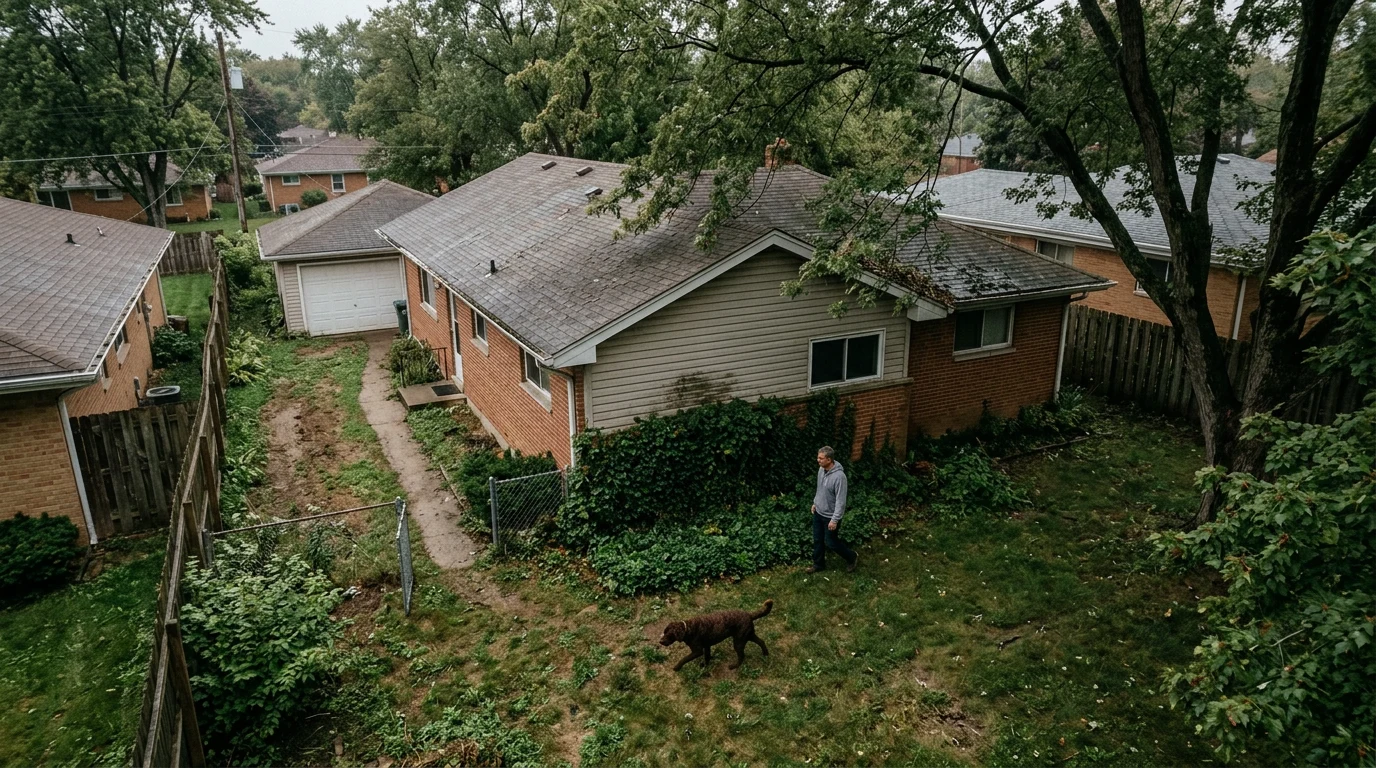
Aspergillosis: The Most Dangerous Mold Infection in Pets
Aspergillosis deserves special attention because it is the most common invasive mold infection in domestic animals. Caused by Aspergillus fumigatus and related species, it takes two forms:
Nasal Aspergillosis (Dogs)
The fungus colonizes the nasal passages, causing chronic nasal discharge (often bloody from one nostril), facial pain, loss of nasal pigmentation, and erosion of the nasal turbinate bones. Diagnosis requires rhinoscopy and fungal culture. Treatment involves antifungal medication infused directly into the nasal cavity — a procedure that typically costs $1,500 to $3,000 and may need to be repeated.
Disseminated Aspergillosis
In this more serious form, the fungus spreads beyond the respiratory tract to the kidneys, bones, spinal cord, or brain. German Shepherds appear to have a genetic predisposition. Disseminated aspergillosis carries a poor prognosis even with aggressive antifungal treatment. It underscores why preventing mold exposure is far preferable to treating its consequences.
What to Do If You Suspect Mold Is Affecting Your Pet
Step 1: Veterinary Evaluation
Take your pet to the vet and mention that you suspect mold exposure. Ask about fungal culture, cytology, or antibody testing depending on the symptoms. Provide information about any water damage, musty odors, or visible mold in your home. The vet may not ask about environmental factors if you do not bring them up.
Step 2: Inspect Your Home
Focus on floor-level areas and the specific rooms where your pet spends the most time. Check behind and under pet beds, water bowls, and food stations. Look at baseboards, carpet edges, and the undersides of furniture. Inspect the crawl space if your pet has access to floor-level rooms above it. Examine bathroom ceilings and any areas with visible water stains.
Step 3: Test Your Indoor Air
A professional mold inspection can identify hidden mold that is not visually apparent. Air sampling detects elevated spore counts even when growth is concealed inside walls or under flooring. If you smell mustiness but cannot see mold, testing is especially important.
Step 4: Reduce Exposure Immediately
While arranging remediation, take these steps to protect your pet:
- Move pet beds, food, and water away from affected areas
- Run a HEPA air purifier in rooms where your pet sleeps — an air purifier rated for the room size can reduce airborne spore counts by 90% or more
- Keep pets out of basements, crawl spaces, and rooms with visible mold or musty odors
- Wash pet bedding weekly in hot water (140 degrees Fahrenheit or above) to kill mold spores
- Wipe down your pet’s paws and belly after they have been in suspect areas
Step 5: Remediate the Mold
Address the source. For small areas under 10 square feet, proper mold removal procedures using appropriate cleaning agents can be done yourself. For larger areas, hire a professional who follows the standard remediation process. Keep pets out of the house during professional remediation — the disturbance of mold colonies releases massive spore counts that can overwhelm a small animal’s respiratory system.
Preventing Mold Exposure for Your Pets
- Maintain indoor humidity between 30% and 50% — use a dehumidifier in damp areas, particularly basements where pets may rest during hot weather
- Elevate pet beds — raised beds keep your pet above the highest spore concentration zone at floor level
- Clean water bowls daily — standing water in pet dishes can develop mold within 24 to 48 hours in humid environments
- Inspect pet areas regularly — check behind pet beds, under elevated food stations, and in litter box areas for early signs of mold
- Address water damage immediately — mold begins growing within 24 to 48 hours of water exposure. Quick action prevents growth that can affect your pet
- Use mold-resistant bedding — avoid fabric beds in humid rooms. Choose beds with removable, washable covers or elevated mesh frames that allow airflow
- Ventilate litter box areas — enclosed litter box rooms with poor ventilation trap moisture from urine-soaked litter, creating mold-friendly conditions
Frequently Asked Questions
Can mold kill a pet?
In severe cases, yes. Disseminated aspergillosis can be fatal in dogs, and birds can die rapidly from respiratory aspergillosis. Ingestion of heavily mold-contaminated food (particularly food contaminated with aflatoxin-producing Aspergillus) has caused fatal liver damage in dogs. These are extreme scenarios — most mold exposure causes chronic but treatable symptoms. However, any pet showing respiratory distress needs immediate veterinary attention.
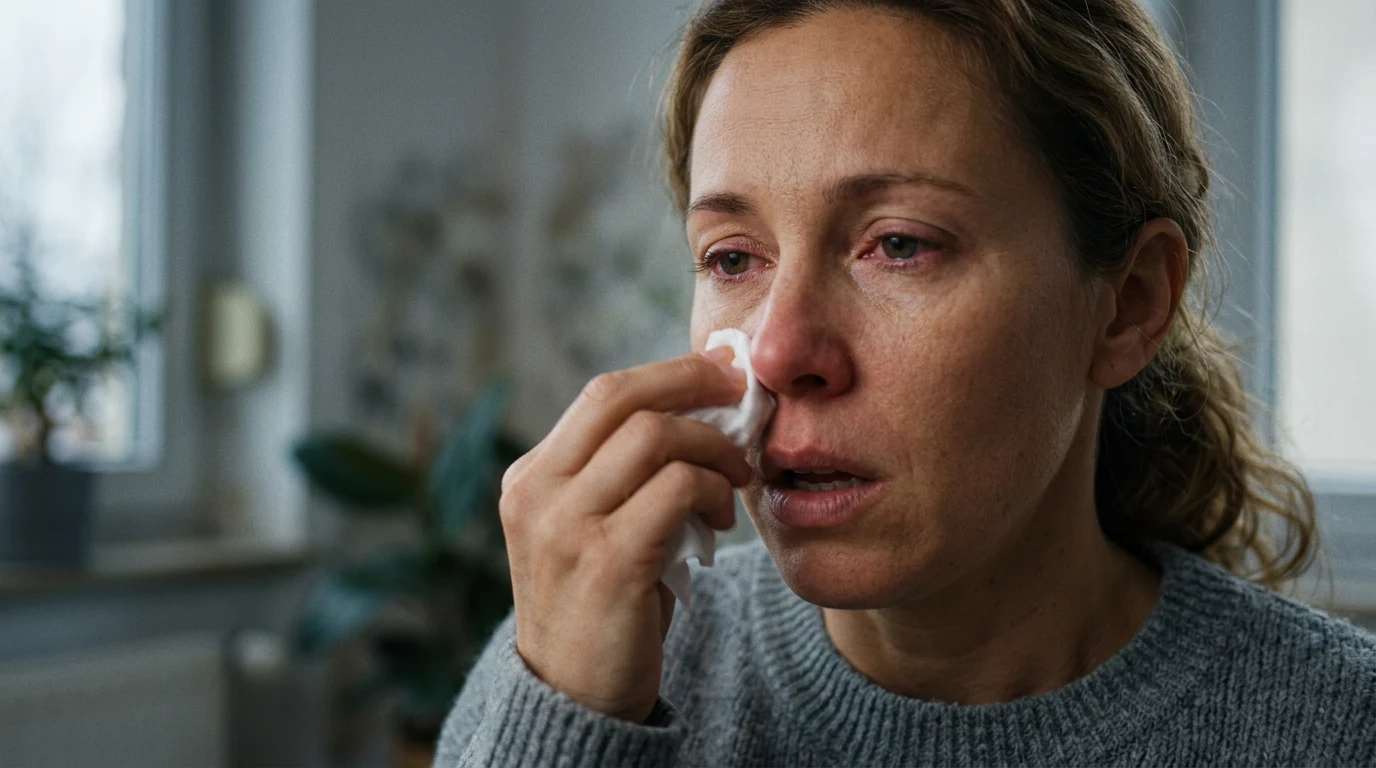
Will my pet’s symptoms go away after mold removal?
Most pets show significant improvement within 2 to 4 weeks of complete mold removal. Skin symptoms may take 4 to 8 weeks to fully resolve as irritated tissue heals. Chronic conditions like nasal aspergillosis require veterinary treatment in addition to environmental remediation. Follow up with your vet after remediation to reassess symptoms and adjust treatment.
Should I test my pet for mold exposure?
If your pet has persistent respiratory or skin symptoms and your home has known or suspected mold, ask your vet about Aspergillus antibody testing, nasal cytology, or fungal culture depending on the symptoms. Testing your home environment is equally important — a positive indoor mold test combined with consistent pet symptoms strongly supports mold as the cause.
Are certain dog breeds more susceptible to mold illness?
Brachycephalic breeds (Bulldogs, Pugs, Boston Terriers) with shortened nasal passages may be more vulnerable to respiratory mold effects because their compromised airways are less efficient at filtering airborne particles. German Shepherds have a documented predisposition to disseminated aspergillosis. Dogs with existing allergies or immune conditions also face elevated risk.
Can mold in pet food make my animal sick?
Yes. Dry pet food stored in humid conditions can develop mold growth, particularly Aspergillus species that produce aflatoxins. Aflatoxin contamination in pet food has caused multiple recalls and documented pet fatalities. Store dry food in airtight containers, check for musty smells before feeding, and discard any food that appears discolored or clumped from moisture exposure.
What are the common signs of mold exposure in pets?
Pets often exhibit similar respiratory and dermatological symptoms to humans when exposed to mold. Look for persistent coughing, sneezing, wheezing, skin irritation, excessive scratching, or hair loss, particularly if these symptoms are new or worsen indoors.
Are some pets more susceptible to mold-related health issues than others?
Yes, just like humans, pets with pre-existing respiratory conditions such as asthma or allergies, or those with compromised immune systems, are more vulnerable to severe reactions from mold exposure. Young puppies and kittens, as well as senior pets, may also have heightened susceptibility due to developing or declining immune function.
Can mold exposure cause permanent damage to my pet’s health?
While many symptoms of mold exposure are reversible once the mold is remediated, chronic or severe exposure can lead to lasting respiratory damage, persistent allergies, or even systemic fungal infections in some cases. Early detection and removal of mold are crucial to prevent long-term health complications for your pet.

How can I distinguish mold-related symptoms from other pet illnesses?
Differentiating mold-related symptoms often requires considering the environment and ruling out other common ailments. If your pet’s symptoms improve when they are away from your home or worsen in specific areas of the house, mold exposure should be strongly suspected and investigated by a veterinarian.
What should I do if I suspect my pet is suffering from mold exposure?
If you suspect mold exposure, immediately consult your veterinarian to get a proper diagnosis and treatment plan for your pet’s symptoms. Concurrently, you should investigate your home for mold sources and consider professional mold remediation to eliminate the environmental trigger.
Is it safe for my pet to stay in the house during mold remediation?
It is generally not recommended for pets to remain in the house during active mold remediation due to the potential for exposure to airborne mold spores and cleaning chemicals. Arrange for your pet to stay with a friend, family member, or at a boarding facility until the remediation is complete and the air quality is confirmed safe.
These statements have not been evaluated by the Food and Drug Administration. This information is not intended to diagnose, treat, cure, or prevent any disease. Content is for informational purposes only and is not medical advice; consult a qualified healthcare provider before starting any supplement. As an Amazon Associate we earn from qualifying purchases.
