Gliotoxin is a mycotoxin produced during the active growth phase of certain molds and yeasts, making it one of the more complex toxins encountered in indoor air quality investigations. Unlike many mycotoxins tied to a single fungal genus, gliotoxin has both mold and yeast sources, which complicates both testing and remediation strategies. Understanding where it comes from, how it affects the body, and how to test for it properly are critical first steps for anyone dealing with a suspected mold-related illness.
What Is Gliotoxin?
Gliotoxin is described as the most abundant metabolic product generated when certain fungi are in an active growth phase. It belongs to a class of compounds called epipolythiodioxopiperazines, characterized by a distinctive disulfide bond in its molecular structure. That sulfur-containing bridge is directly relevant to how the toxin functions in the body and why people exposed to it often develop sensitivity to sulfur-containing foods and supplements.
What sets gliotoxin apart from many other mycotoxins is the breadth of biological systems it affects. Its effects span from genetic material to the immune system and outward to the skin and mucosal linings, making it one of the most wide-ranging toxins in its impact on human physiology.
Where Does Gliotoxin Come From?
Identifying the source of gliotoxin in a given environment or patient can be genuinely difficult because it originates from more than one type of organism.
Mold Sources
The primary mold genera associated with gliotoxin production are Aspergillus spp. and Trichoderma spp. These molds typically appear in colors ranging from light to very dark green, though color alone is never a reliable identification method. In buildings, these fungi colonize a wide range of materials, including:
- Flooring and carpet
- Textiles and upholstery
- Wood, plywood, and modified wood products
- Concrete surfaces
Any building material that retains moisture and provides an organic food source can support these molds. Water-damaged areas behind baseboards, under flooring, and inside wall cavities are common hiding spots. For a broader look at the molds that produce harmful mycotoxins, see our guide on mold testing methods.
Yeast Sources
What makes gliotoxin uniquely challenging is that Candida and other commensal yeast species, organisms that live naturally in the human body, can also produce gliotoxin when they overgrow. This internal production pathway means that a person can continue to generate gliotoxin exposure even after leaving a moldy building, if their gut or mucosal yeast populations have become dysregulated. Many individuals with confirmed gliotoxin exposure also carry a significant internal fungal yeast burden.
Health Effects and Body Systems Affected
Gliotoxin affects multiple body systems simultaneously, and its effects are both direct and indirect. This is informational content only. If you suspect gliotoxin-related health effects, consult a licensed physician and a CDC-recognized indoor environmental health professional.
Immune System Effects
Gliotoxin is strongly immunosuppressive. It impairs the body’s normal immune defenses, which creates a feedback loop: suppressed immunity makes it harder to clear the fungal infection that is producing the toxin in the first place. It is also a mast cell inducer, meaning it can trigger mast cell activation and the constellation of reactions that come with it, including histamine release, chemical sensitivities, and systemic inflammation.
Neurological and Cognitive Effects
Gliotoxin is classified as neurotoxic. Reported neurological and cognitive symptoms associated with exposure include cognitive difficulties, headaches, incoordination, insomnia, mood changes, anxiousness, and symptoms resembling those seen in multiple sclerosis. These neurological presentations can make gliotoxin-related illness particularly difficult to diagnose through conventional medical pathways.

Mitochondrial and Cellular Effects
At the cellular level, gliotoxin negatively affects mitochondria, the structures responsible for producing cellular energy. It is also genotoxic, meaning it has the potential to damage genetic material. Liver toxicity is another documented body system affinity.
Skin, Mucosal, and Gastrointestinal Effects
Gliotoxin has a particular affinity for skin and mucosal linings, including those of the sinuses, lungs, mouth, throat, gastrointestinal tract, bladder, and vagina. Common signs in these areas include:
- Fungal skin conditions and persistent itchy skin
- Toenail fungus
- Bloating after eating and sweet cravings
- Nausea and constipation
- Frequent infections and delayed wound healing
Sulfur Sensitivity
Because of gliotoxin’s disulfide bond structure, people with significant gliotoxin exposure frequently develop intolerance to sulfur-containing foods. This includes foods such as garlic, onions, eggs, fish, and cruciferous vegetables like broccoli, kale, cauliflower, cabbage, and Brussels sprouts. Recognizing sulfur sensitivity can actually serve as a clinical clue pointing toward gliotoxin as a contributing factor.
Testing for Gliotoxin
Testing for gliotoxin happens at two levels: environmental testing of the building and laboratory testing of the person. Both are often necessary for a complete picture.
Environmental Testing
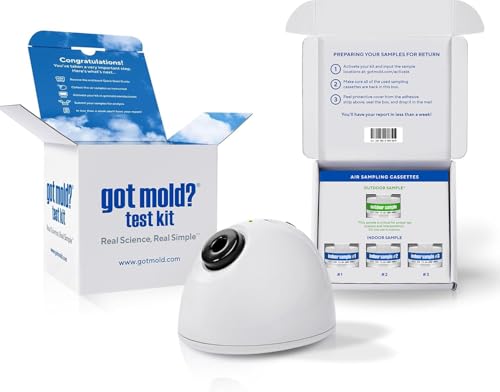
Standard air sampling and surface sampling can identify the presence of Aspergillus and Trichoderma colonies in a building. However, mycotoxin-specific testing using ERMI (Environmental Relative Moldiness Index) scoring or direct mycotoxin panel testing of dust samples provides more targeted data. ERMI scores above 2 are generally considered elevated, though interpretation always requires context. For a detailed breakdown of available options, visit our mold testing category.
Because gliotoxin-producing molds favor flooring, carpet, and wood substrates, sampling should target these materials specifically, particularly in areas with any history of moisture intrusion or water damage.
Human Urine Mycotoxin Testing
Urine mycotoxin testing can detect gliotoxin and other mycotoxins being excreted from the body. Several specialty laboratories offer panels that include gliotoxin. These tests are typically ordered by integrative medicine physicians, functional medicine practitioners, or environmental health specialists. Results should always be interpreted in clinical context by a qualified provider, as excretion levels can vary based on individual detoxification capacity, hydration, and other factors.
It is worth noting that the dual-source nature of gliotoxin (external mold and internal yeast) means that a positive urine result does not automatically indicate a building problem. A thorough investigation includes both environmental assessment and clinical evaluation. Learn more about how mycotoxin testing fits into the broader process at our page on mycotoxin testing.

What to Do If Gliotoxin Is Found
Address the Building First
If environmental testing confirms gliotoxin-producing mold in the home or workplace, professional remediation is the priority. The mold removal process for Aspergillus and Trichoderma follows established IICRC S520 standards, which include containment, source removal, and post-clearance verification. Remediation costs for a moderate-sized affected area (typically 10 to 100 square feet) generally range from $500 to $3,000, while larger or more complex situations can cost significantly more. Staying in an actively contaminated environment while pursuing health interventions is counterproductive.
Work With a Qualified Healthcare Provider
Gliotoxin-related illness requires individualized medical management. One important clinical consideration involves certain commonly used supplements. Because gliotoxin contains a disulfide bond, sulfur-based compounds, including zinc, alpha-lipoic acid, N-acetyl cysteine (NAC), and glutathione, may potentially enhance the toxin’s activity rather than counter it if used before antifungal therapy is established. Clinicians experienced with mycotoxin illness typically introduce these agents only after antifungal treatment is underway. Do not self-prescribe protocols based on this or any online information. Work with a licensed provider who understands mycotoxin illness.
For individuals dealing with related sinus or indoor air quality issues, our overview of mold and health effects provides additional context on the range of conditions associated with indoor mold exposure.
Frequently Asked Questions
Can gliotoxin be produced inside the body, not just from environmental mold?
Yes. Candida and other commensal yeast species that naturally reside in the human body can produce gliotoxin if they overgrow. This means a person may continue to be exposed to gliotoxin even after leaving a moldy building, making internal yeast burden an important part of the clinical picture. Consult a physician for evaluation of internal fungal overgrowth.
What building materials are most commonly contaminated with gliotoxin-producing molds?
Aspergillus and Trichoderma, the primary mold sources of gliotoxin, favor flooring, carpet, textiles, wood, plywood, modified wood products, and concrete. Any of these materials that have experienced moisture intrusion are at elevated risk for colonization.
How is gliotoxin exposure confirmed through testing?
Gliotoxin exposure can be assessed through urine mycotoxin panels offered by specialty laboratories, typically ordered by a qualified healthcare provider. On the environmental side, dust sampling with mycotoxin-specific analysis or identification of Aspergillus or Trichoderma through air and surface sampling can indicate a building source. Both types of testing are usually needed for a complete assessment.
Why are sulfur supplements sometimes avoided in gliotoxin cases?
Gliotoxin contains a disulfide bond, which is a sulfur-based structure. Sulfur-containing compounds such as N-acetyl cysteine, alpha-lipoic acid, and glutathione may interact with this bond in a way that could enhance the toxin’s effects rather than support the patient’s detoxification. Clinicians experienced in this area typically wait until antifungal therapy is established before introducing these agents, and they start at very low doses. This is a clinical decision that should be made with a qualified healthcare provider.
Is gliotoxin regulated or tested for in standard home mold inspections?
Standard home mold inspections focus on fungal identification through air or surface sampling and do not typically include mycotoxin-specific analysis. Gliotoxin testing requires specialized dust sampling sent to a laboratory offering mycotoxin panels. If you suspect gliotoxin-producing mold, request mycotoxin-specific environmental testing from your inspector, and ensure any lab used has validated methods for this compound.
These statements have not been evaluated by the Food and Drug Administration. This information is not intended to diagnose, treat, cure, or prevent any disease. Content is for informational purposes only and is not medical advice; consult a qualified healthcare provider before starting any supplement. As an Amazon Associate we earn from qualifying purchases.