How to Prevent Mold in the Bathroom
Affiliate Disclosure: This article contains affiliate links. If you buy through these links, MoldActionPlan may earn a small commission at no extra cost to you.
TL;DR: Prevent Bathroom Mold in 3 Steps
- Stop the moisture. Run the exhaust fan during and 20 minutes after every shower. Squeegee walls and shower doors after use. Keep humidity below 50%.
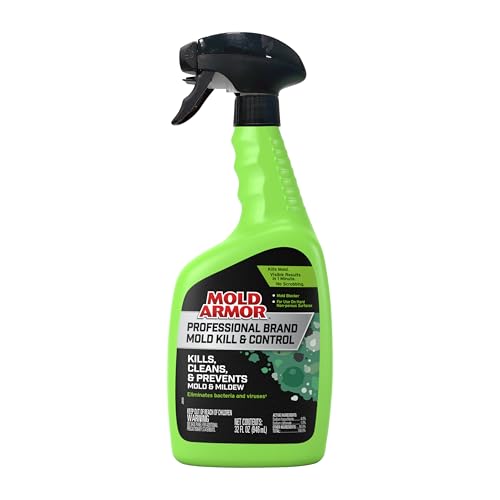
- Kill what is already there. Treat visible mold with an EPA-registered cleaner such as Concrobium Mold Control or MOLD ARMOR Professional.
- Seal and maintain. Re-caulk any gaps with mold-resistant silicone. Fix leaky fixtures. Let the bathroom air out fully between showers.
Mold needs moisture, warmth, and food (soap scum, dust, drywall paper). Take away the moisture and mold cannot survive. This guide covers the tools, the cleaning steps, the prevention habits, and the safety rules you need.
What You Will Need
Mold Killers and Cleaners
| Product | Best For | Active Ingredient | Price | EPA Reg. | Rating |
|---|---|---|---|---|---|
| Concrobium Mold Control 32 oz | Killing mold on porous surfaces (drywall, wood, grout) | Sodium carbonate, sodium bicarbonate | $13.48 | 82552-1 | 4.1 (2,065) |
| MOLD ARMOR Professional 32 oz | Fast kill on hard, non-porous surfaces (tile, glass, sealed grout) | Sodium hypochlorite | $22.98 | N/A (disinfectant) | 4.6 (827) |
| RMR-86 Instant Stain Remover (2-pack) | Removing dark stains after mold is dead | Sodium hypochlorite | $25.99 | N/A (stain remover) | 4.4 (66,365) |
PPE and Tools
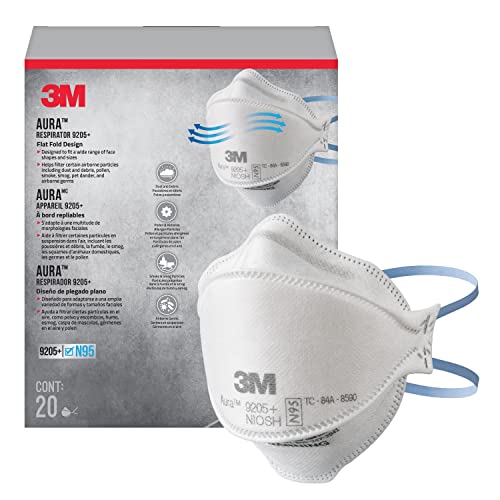
- 3M Aura N95 Respirator 9205+ (20-pack) – $19.90. NIOSH-approved. Blocks mold spores. Individually wrapped.
- OXO Good Grips Stainless Steel Squeegee – $21.95. Streak-free drying on tiles and glass. Suction hook included.
- TempPro TP50 Digital Hygrometer – $10.99. Monitors humidity so you know when to ventilate.
- Safety goggles, rubber gloves (long-cuff), and old clothes you can throw away.
Sealants and Equipment
- GE Supreme Silicone Caulk, White 10 oz – $11.63. 100% waterproof silicone with mold-resistant properties.
- Eva-Dry EDV-1100 Dehumidifier – $56.13. Compact unit for small bathrooms up to 122 sq ft. Whisper-quiet 33 dB.
- Caulk gun (for the GE Supreme cartridge), putty knife, old rags, spray bottle for water, bucket.
How to Clean Bathroom Mold: Step by Step
Step 1: Prepare the Room and Yourself
- Open a window if you have one. Turn on the exhaust fan.
- Put on your N95 respirator, safety goggles, and rubber gloves. Mold spores cause allergic reactions and some cleaners release harsh fumes.
- Remove bath mats, towels, shampoo bottles, and anything else from the affected area.
Step 2: Apply a Mold Killer (Not Just Bleach)
For porous surfaces such as drywall, wood, or grout, use Concrobium Mold Control. Spray it on the moldy area until it is saturated. Do not wipe or rinse. Let it air dry. The solution encapsulates and crushes mold spores as it dries, leaving an invisible antimicrobial barrier.
For hard, non-porous surfaces such as tile, glass, or sealed countertops, MOLD ARMOR Professional works faster. Spray it on, wait 10 minutes, then rinse or wipe clean. The results are visible in minutes.
Step 3: Let It Dry Completely
The drying phase is not optional. Mold killer needs to dry onto the surface to do its work. Keep the fan running and the room unsealed. This can take 2 to 6 hours depending on how much product you applied and how humid the room is.
Step 4: Remove Stains (If Needed)
If dead mold left a dark stain behind, treat it with RMR-86. Spray the stain and watch it fade in 15 to 30 seconds. RMR-86 has strong fumes (many reviewers call them overwhelming), so keep your respirator on and leave the room for 10 minutes after spraying. Never use RMR-86 as your first step – kill the mold first, then remove the stain.
Step 5: Scrub and Rinse
For tile and grout, use a stiff-bristle brush to work the cleaner into the grout lines. Rinse thoroughly with water and dry with a clean towel or squeegee. For drywall, do not scrub hard enough to damage the paper facing – if the drywall is soft or crumbling, the mold has compromised it and you need to cut out and replace that section.
Step 6: Re-Caulk Deteriorated Seams
Check the caulk around your tub, shower base, sink, and toilet. If it is cracked, peeling, or has black spots inside it, remove it with a putty knife or caulk remover. Clean the area, let it dry fully, then apply fresh GE Supreme silicone caulk. Smooth the bead with a wet finger or caulk tool. Let it cure for 24 hours before exposing it to water.
Tips for Stubborn Cases
- Mold inside caulk lines. You cannot clean it out. Remove the old caulk completely, disinfect the gap with Concrobium, let it dry, and re-caulk.
- Mold on the bathroom ceiling. This usually means poor ventilation. Clean with Concrobium on a microfiber mop or extendable handle. If the ceiling paint is bubbling or peeling, the drywall underneath may need replacement.
- Black mold on grout. Spray Concrobium, let it sit 15 minutes, scrub with a stiff brush, then rinse. For deep-set stains, apply RMR-86 after the mold is dead.
- Persistent mold in a shower with no window. Install a stronger exhaust fan (at least 50 CFM, ideally 80+ CFM per the bathroom’s square footage). If the existing fan vents into the attic (a common and dangerous installation error), reroute the duct to the outside.
- Recurring mold despite cleaning. Buy a TempPro TP50 hygrometer and track the humidity. If the room stays above 60% even with the fan running, add the Eva-Dry EDV-1100 dehumidifier to pull excess moisture overnight.
What NOT to Do
- Do not mix bleach with ammonia or other cleaners. The combination produces toxic chlorine gas. This is the most common and most dangerous bathroom cleaning mistake. Use one product at a time and rinse between products.
- Do not use straight bleach on porous surfaces. Bleach is 90% water. On drywall or wood, the water soaks in, feeds the mold roots below the surface, and the bleach only whitens the top. The mold comes back darker. Use an EPA-registered mold killer such as Concrobium instead.
- Do not paint over mold. Painting over active mold traps moisture behind the paint. The mold continues growing and will push through the paint within weeks. Kill the mold first, then prime with a mold-blocking primer, then paint.
- Do not scrub dry mold without a respirator. Scrubbing releases mold spores into the air. Always wet the area with mold killer first to suppress airborne spores, then scrub.
- Do not ignore small leaks. A slow drip from a faucet or shower head keeps the area damp 24/7, which is all mold needs to grow. Fix leaks immediately.
- Do not seal a wet surface. Caulk and paint need a bone-dry surface to bond. If you seal moisture in, you create a perfect mold habitat behind the seal.
Prevention: Daily and Weekly Habits
After Every Shower (2 minutes)
- Squeegee the walls, shower door, and tiles with the OXO squeegee. Standing water is what mold drinks.
- Leave the shower curtain or door open so air circulates.
- Run the exhaust fan for 20 minutes after you leave. If the fan is on a light switch, consider adding a timer switch so it runs long enough.
- Hang wet towels outside the bathroom or swap them daily. Towels that stay damp for 12+ hours grow mold and mildew.
Weekly (10 minutes)
- Wipe down all surfaces with a dry microfiber cloth.
- Check caulk for cracks or discoloration. Catch it early before water gets behind it.
- Check under the sink for leaks. Look at pipe joints and the seal around the sink drain.
- Check the hygrometer. If the humidity reading is above 60%, run the fan longer after showers or use the Eva-Dry dehumidifier.
Monthly (15 minutes)
- Clean the exhaust fan cover. Dust buildup reduces airflow by up to 50%. Remove the cover, wash it with soap and water, and vacuum the fan motor area.
- Spray Concrobium on grout lines and corners as a preventative treatment. Let it dry. This refreshes the antimicrobial barrier.
- Deep clean the shower head. Soak it in vinegar to remove mineral deposits. Bacteria inside the shower head can contribute to musty smells.
Seasonal
- Replace the exhaust fan if it is more than 10 years old or if it sounds noisy. A good fan should be quiet and move air effectively. Look for ENERGY STAR rated models with 1.0 sone or less.
- In humid summer months, run the dehumidifier continuously. The Eva-Dry EDV-1100 uses only 22 watts and costs pennies per day to run.
Frequently Asked Questions
Does bleach kill bathroom mold?
Not on porous surfaces. Bleach kills mold on hard, non-porous surfaces such as tile or glass, but on drywall, wood, or grout the water in bleach soaks in and feeds the mold roots below the surface. Use an EPA-registered product such as Concrobium instead.
How can I tell if bathroom mold is dangerous black mold?
Visible mold should never be sampled or tested by a homeowner. Disturbing it to take a sample releases spores. The CDC recommends treating any mold growth the same way regardless of species – remove it with proper PPE and fix the moisture problem. There is no practical benefit to identifying the species at home.
How often should I re-caulk my shower?
Inspect caulk every 6 months. Replace it when you see cracking, peeling, discoloration, or any black spotting inside the caulk line. With a quality silicone such as GE Supreme, caulk lasts 3 to 5 years in a well-ventilated bathroom.
Do dehumidifiers really help prevent bathroom mold?
Yes. Mold requires humidity above 60% to grow. A dehumidifier such as the Eva-Dry EDV-1100 pulls moisture from the air and keeps the room dry between showers. It is most effective in small bathrooms up to 122 sq ft with no window and limited ventilation.
Can I use vinegar to kill bathroom mold?
Vinegar (acetic acid) kills some surface mold on hard, non-porous surfaces, but it is not EPA-registered as a mold killer and does not create a preventative barrier. It is a decent maintenance cleaner for light pink mildew on tiles, but for active mold growth use Concrobium or MOLD ARMOR Professional.
Comparison Table: Top Mold Prevention Products
| Product | Price | Best Use | Key Feature | Rating |
|---|---|---|---|---|
| Concrobium Mold Control 32 oz | $13.48 | Kill mold on porous surfaces | EPA-registered, bleach-free, odorless, creates barrier | 4.1 (2,065) |
| MOLD ARMOR Professional 32 oz | $22.98 | Fast kill on hard surfaces | Visible results in minutes, no scrubbing | 4.6 (827) |
| RMR-86 Instant Stain Remover | $25.99 | Remove dark mold stains | Fades stains in 15 seconds, scrub-free | 4.4 (66,365) |
| Eva-Dry EDV-1100 | $56.13 | Reduce bathroom humidity | 33 dB whisper-quiet, 22W, 122 sq ft coverage | 4.1 (5,356) |
| GE Supreme Silicone Caulk 10 oz | $11.63 | Seal tub, shower, sink seams | 100% waterproof, 7X stronger adhesion | 4.7 (936) |
| OXO Squeegee | $21.95 | Remove water after showers | Streak-free, non-slip handle, suction hook | 4.4 (30,068) |
| TempPro TP50 Hygrometer | $10.99 | Monitor humidity levels | High accuracy, magnetic back, DRY/COMFORT/WET indicator | 4.6 (153,904) |
| 3M Aura N95 9205+ 20-pack | $19.90 | PPE during mold cleanup | NIOSH-approved, comfortable fit, individually wrapped | 4.5 (11,891) |
Frequently Asked Questions
Does bleach kill bathroom mold?
Not on porous surfaces. Bleach kills mold on hard, non-porous surfaces such as tile or glass, but on drywall, wood, or grout the water in bleach soaks in and feeds the mold roots below the surface. Use an EPA-registered product such as Concrobium instead.
How can I tell if bathroom mold is dangerous black mold?
Visible mold should never be sampled or tested by a homeowner. Disturbing it to take a sample releases spores. The CDC recommends treating any mold growth the same way regardless of species. Remove it with proper PPE and fix the moisture problem. There is no practical benefit to identifying the species at home.

How often should I re-caulk my shower?
Inspect caulk every 6 months. Replace it when you see cracking, peeling, discoloration, or any black spotting inside the caulk line. With a quality silicone such as GE Supreme, caulk lasts 3 to 5 years in a well-ventilated bathroom.
Do dehumidifiers really help prevent bathroom mold?
Yes. Mold requires humidity above 60% to grow. A dehumidifier such as the Eva-Dry EDV-1100 pulls moisture from the air and keeps the room dry between showers. It is most effective in small bathrooms up to 122 sq ft with no window and limited ventilation.

Can I use vinegar to kill bathroom mold?
Vinegar (acetic acid) kills some surface mold on hard, non-porous surfaces, but it is not EPA-registered as a mold killer and does not create a preventative barrier. It is a decent maintenance cleaner for light pink mildew on tiles, but for active mold growth use Concrobium or MOLD ARMOR Professional.
These statements have not been evaluated by the Food and Drug Administration. This information is not intended to diagnose, treat, cure, or prevent any disease. Content is for informational purposes only and is not medical advice; consult a qualified healthcare provider before starting any supplement. As an Amazon Associate we earn from qualifying purchases.
