Discovering mold during a home purchase is one of the most stressful moments a buyer can face. The question of whether you should buy a house with mold does not have a single answer, it depends on the type of mold present, how much of it there is, where it is located, and whether the underlying moisture problem has been resolved. Understanding these factors before closing can protect your health, your finances, and your long-term investment.
Why Mold in a Home for Sale Is a Red Flag, Not Necessarily a Deal-Breaker
Mold grows wherever moisture lingers. A small amount of surface mold on a bathroom caulk line is a very different situation from black staining spreading across attic sheathing or crawlspace joists. The presence of mold tells you two things: there was a moisture problem, and the conditions may still exist for that problem to continue. The mold itself is the symptom. The moisture source is the disease. Any serious evaluation of a mold-affected home must address both.
The U.S. Environmental Protection Agency (EPA) states that mold should not be present in buildings in large quantities and that the most important step in mold remediation is identifying and correcting the moisture source. This principle applies directly to the home-buying decision: if the moisture problem is solved and the remediation is verified, a formerly mold-affected home can be perfectly safe and sound. If neither has been addressed, you are buying someone else’s unresolved problem.
How to Assess the Severity Before Making an Offer
Get a Certified Mold Inspection
A standard real estate home inspection covers many systems, but most general home inspectors are not trained or certified in mold assessment. If you see visible mold, smell a musty odor, or notice water staining, hire a certified mold inspector separately. Look for inspectors certified through the IICRC (Institute of Inspection, Cleaning and Restoration Certification) or the American Council for Accredited Certification (ACAC). Inspection fees typically range from $300 to $700 depending on the size of the home and the scope of testing required. For larger or more complex properties, costs can run higher.
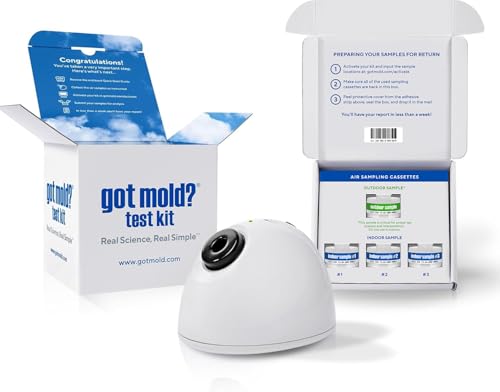
A qualified inspector will assess visible mold, collect air and surface samples if warranted, and identify likely moisture sources. Test results from an accredited laboratory will categorize the types of spores present and compare indoor counts to outdoor baseline counts. Elevated indoor spore counts, particularly for species associated with water damage such as Stachybotrys, Chaetomium, or Aspergillus/Penicillium, indicate an active or past moisture intrusion that requires serious attention. Learn more about what to expect from professional mold testing before scheduling an inspection.
Identify the Moisture Source
Mold cannot grow without a sustained moisture source. Common sources in homes include roof leaks, plumbing leaks under sinks or behind walls, HVAC condensation issues, poor attic ventilation, and high indoor humidity. When evaluating a home, look carefully at:
- Window seals and caulking for gaps or discoloration
- Under all sinks for staining, soft cabinet floors, or visible growth
- Ceilings, light fixtures, and electrical outlets for water staining rings
- The attic for dark staining on sheathing, which often signals roof leak or condensation problems
- Air vents and registers for dust accumulation mixed with visible discoloration
- Gutters and downspouts to confirm they direct water away from the foundation
These are the same checks a diligent homeowner would perform during regular self-inspections. As a buyer, you are essentially doing that first walk-through with higher stakes. If the seller cannot explain the moisture source or cannot document that it was repaired, treat that as a significant negotiating point, or a reason to walk away.
Understand the Scope of Affected Area
The size of the affected area matters for both health risk and remediation cost. The EPA’s general guidance distinguishes between small areas (less than 10 square feet, roughly a 3-by-3-foot patch) that a careful homeowner might address, versus larger infestations that require professional remediation. In a home purchase context, anything beyond minimal surface mold should be handled by a licensed remediator before or after closing, and the cost should be reflected in the price.
Professional mold remediation costs vary widely based on location, scope, and affected materials. Surface remediation of a contained area might cost $500 to $1,500. Moderate infestations affecting wall cavities or subfloor materials commonly run $3,000 to $10,000. Extensive mold throughout an attic, crawlspace, or multiple rooms can exceed $15,000 to $30,000 or more, especially when structural materials must be removed and replaced. Get written bids from at least two licensed remediators before finalizing any price negotiation with the seller. You can find guidance on what remediation should include in our mold removal section.
Negotiating When Mold Is Present
Finding mold does not mean you must walk away. It does mean you have , in the most literal sense of the word, to renegotiate the purchase price or require remediation as a condition of closing. Your options generally fall into three categories:
- Seller remediates before closing: You specify in the contract that licensed remediation must be completed and verified by a post-remediation clearance test before closing. This protects you most directly but requires trust in the seller’s choice of contractor.
- Price reduction: You obtain written remediation bids, then negotiate a reduction in the purchase price equal to the remediation cost, plus a buffer for unexpected findings. You hire your own remediator after closing.
- Seller credit at closing: Similar to a price reduction, but structured as a closing cost credit, which may have different implications depending on your loan type. Confirm the approach with your lender and real estate attorney.
In any case, make sure your purchase contract includes a mold inspection contingency if your state or jurisdiction does not automatically provide one. This gives you the right to exit the contract without penalty if the mold situation is worse than anticipated or if the seller refuses reasonable remediation terms.
What to Do If You Buy the House
If you proceed with the purchase, whether because the mold was remediated, the price was adjusted, or the affected area was minor, your job as the new homeowner is to prevent recurrence. The single most important variable is indoor humidity. Mold growth accelerates when indoor relative humidity exceeds 60 percent. The recommended range for most homes is 30 to 50 percent. Keeping humidity in that range requires:
- Running bathroom exhaust fans during and for at least 15 to 20 minutes after showers
- Using a squeegee on shower walls after each use to reduce standing moisture
- Running kitchen exhaust fans when cooking
- Maintaining HVAC systems with annual professional service and keeping records over time so you can identify changes
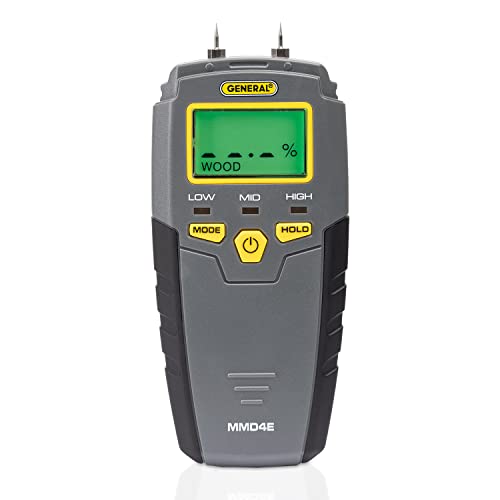
- Placing a hygrometer in each room with a water source, kitchen, bathrooms, laundry area, to monitor humidity in real time
- Installing water leak detectors under sinks, near the dishwasher drain line, behind the refrigerator, and under the washing machine
- Using under-sink liners and drain pans under appliances to catch slow leaks before they cause hidden damage
Checking the attic at least twice a year and walking the home periodically to inspect seals, caulking, ceilings, and vents will catch new moisture problems early, before mold becomes established. Storage practices matter too: avoid cardboard boxes directly on floors in basements or garages, and use plastic bins and wire shelving to keep items off damp surfaces. Read more about ongoing prevention strategies in our guide to mold prevention for homeowners.
When to Walk Away
Some situations genuinely call for walking away from a purchase. Consider declining the transaction if:
- The moisture source has not been identified or repaired and the seller is unwilling to address it
- Mold is present in the HVAC system, which can distribute spores throughout the entire home
- Remediation estimates exceed what price adjustments can reasonably offset given the home’s market value
- Post-remediation clearance testing (air sampling after cleanup) was not performed or failed, meaning the remediation did not meet acceptable standards
- Structural materials, floor joists, wall framing, roof decking, are compromised and the full scope of replacement is unclear
A home with unresolved mold and moisture problems will cost more in repairs, health impacts, and stress than the apparent deal is worth. Consult with a certified mold inspector and, if health concerns exist, a physician or occupational medicine specialist before making your final decision. You can review what a post-remediation verification test should include in our article on clearance testing after mold removal.
Frequently Asked Questions
Is it safe to live in a house that had mold remediated?
Yes, in most cases, a home that has undergone proper professional remediation and passed a post-remediation clearance test is safe to occupy. The key is verification: remediation without a clearance air test is an unconfirmed result. If clearance testing confirms that indoor spore levels are within acceptable ranges relative to outdoor baseline counts, the remediation was successful. Consult a physician if any household members have respiratory conditions, allergies, or immune system concerns before moving in.
Should you buy a house with mold in the attic?
Attic mold is one of the most common forms found during home inspections, and it is often treatable. It typically results from poor ventilation, a bathroom exhaust fan venting into the attic instead of outside, or roof leaks. If the ventilation or roofing issue is corrected and remediation is completed and verified, attic mold need not disqualify a purchase. The risk rises if the sheathing or framing is structurally compromised or if the seller is unwilling to repair the underlying cause. Get a written scope of work and verify that clearance testing was performed before closing.
How much should you ask a seller to reduce the price for mold?
Base your negotiation on written bids from at least two licensed mold remediators. Request a reduction equal to the remediation cost, plus any related repairs such as drywall replacement or roof repair, plus a contingency of 10 to 20 percent for unexpected findings once walls or structural materials are opened. Document everything in writing and make sure your real estate attorney reviews the terms before signing.
Does homeowner’s insurance cover mold?
Most standard homeowner’s insurance policies exclude mold that results from ongoing maintenance issues or slow leaks, but may cover mold that results directly from a covered sudden event such as a burst pipe. Coverage varies significantly by policy and insurer. Review your specific policy language and speak with your insurance agent before closing on a home with a known mold history. Do not assume coverage exists without written confirmation.
How can you prevent mold after buying a home?
Keep indoor relative humidity between 30 and 50 percent, fix plumbing leaks promptly, and inspect high-risk areas, under sinks, attic, shower caulking, window seals, on a regular schedule. Install water leak detectors near appliances and under sinks so slow leaks are caught early. Have your HVAC system serviced annually and document its condition over time. These habits address the core condition that allows mold to grow: sustained moisture. See our full mold prevention resource library for detailed guidance.
These statements have not been evaluated by the Food and Drug Administration. This information is not intended to diagnose, treat, cure, or prevent any disease. Content is for informational purposes only and is not medical advice; consult a qualified healthcare provider before starting any supplement. As an Amazon Associate we earn from qualifying purchases.