Affiliate Disclosure: As an Amazon Associate, I earn from qualifying purchases. Links on this page to Amazon are affiliate links. This does not affect your price or my editorial independence.
If you wake up to fogged or dripping windows on cold mornings, the water is not coming from outside. It is moisture from inside your home condensing on the coldest surface it can find. A little fog that clears by mid-morning is common. Water that runs down to the sill every day is how window frames, caulk and the drywall below them start growing mold by late winter.
This guide covers the products that actually change that: tools that measure the problem, products that warm the glass, and tools that remove the water before it soaks in. It also covers what to skip. For the full explanation of why windows sweat, see our guide to window condensation and mold.
At a Glance
- Measure it: Govee WiFi Hygrometer H5179. Tells you the indoor humidity and alerts your phone when it crosses the level that fogs your windows.
- Warm the glass: 3M Indoor Window Insulator Kit. Clear shrink film that adds an insulating air layer on the room side of the window.
- Clear the water: Kärcher WV 2 Window Vacuum. Pulls morning condensation off the glass in one pass and holds it in a small tank you empty into the sink.
- Stopgap for the sill: window condensation absorber strips. Useful for a week of bad weather, but they need to be dried or replaced or they become the mold problem.
Why Windows Sweat in Winter (and When It Becomes Mold)
Condensation forms when warm, humid air touches a surface colder than its dew point. The EPA describes it simply: when warm, humid air contacts a cold surface, condensation may form, and condensation can be a sign of high humidity [1]. In winter, window glass is usually the coldest surface in a room, so it shows the problem first. The same agency notes that mold is frequently found on walls in cold corners behind furniture where condensation forms, so a sweating window is often a warning about other cold spots too.
That gives you three ways to stop it, and every product below fits one of them:
- Lower the indoor humidity so the air reaches its dew point at a colder temperature. The EPA recommends keeping indoor relative humidity below 60 percent, ideally between 30 and 50 percent [1].
- Warm the glass surface so it stays above the dew point.
- Remove the water quickly on the days it still forms, so it never sits on wood, caulk or drywall long enough to feed mold.
Mold does not grow on glass itself in any meaningful way. It grows on the dust and grime film on the glass, and much more readily on the wooden frame, the sill, the rubber gaskets and the wall under the window. That is why the goal is keeping water off those surfaces, not keeping the glass perfectly clear.
The Best Products to Stop Window Condensation
1. Govee WiFi Hygrometer H5179 – Best for Finding the Cause
| Spec | Value |
|---|---|
| Connection | Wi-Fi and Bluetooth, Govee Home app |
| Humidity accuracy | Plus or minus 3 percent RH |
| Alerts | App alert when temperature or humidity leaves a set range |
| History | Exports up to 2 years of data |
Every other fix works better once you know your actual humidity. Most people with sweating windows have never measured it. The Govee H5179 reads humidity to within 3 percent, refreshes every two seconds and logs history, so you can see whether humidity spikes after showers, cooking, drying laundry indoors, or overnight with a humidifier running.
The alert feature is the reason we pick this one over a basic display model. Set an upper limit, such as 45 percent, and the app warns you when the room crosses it. On a cold night that warning arrives before the windows fog. Put one in the room with the worst condensation, which is usually a bedroom, since people breathe moisture into a closed room all night.
Who it is for: anyone who wants to know why their windows are wet before buying anything else. For other models, including cheaper display-only units, see our hygrometer guide.

2. 3M Indoor Window Insulator Kit – Best for Warming the Glass
| Spec | Value |
|---|---|
| Type | Clear shrink film with double-sided tape |
| Coverage | Five 3 ft by 5 ft indoor windows |
| Install | Tape to the frame, then shrink tight with a hair dryer |
If you have older single-pane windows, aluminum frames or failed double-pane units, the glass may simply be too cold for any reasonable humidity level. Interior shrink film fixes that cheaply. You tape a clear film to the window frame and shrink it tight with a hair dryer, which traps a still layer of air between the film and the glass. The room-side surface is now the film, which stays warmer than the glass did. 3M lists reducing condensation and preventing frost buildup as one of the kit’s purposes.
The mold caveat: seal it completely. If room air can leak behind the film, its moisture condenses on the cold glass behind it, and the water sits trapped where you cannot see it or wipe it. Install the film on a dry, clear window, run the tape continuously around the frame, and check behind a corner after the first cold week. If you see water behind the film, the seal has a gap.
Who it is for: renters and owners with old or single-pane windows who need a winter-only fix. For many windows at once, the Duck Brand Window Insulation Kit covers up to 15 windows per box.

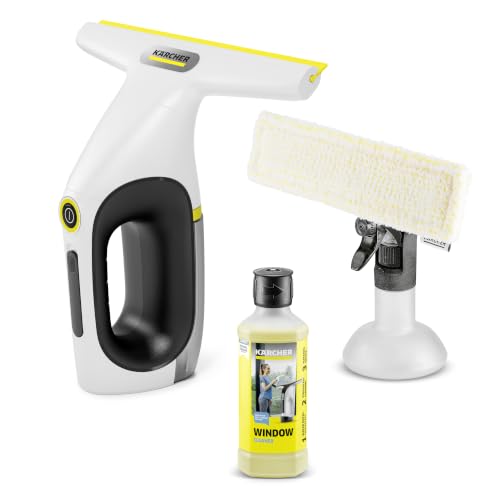
3. Kärcher WV 2 Window Vacuum – Best for Clearing Morning Condensation
| Spec | Value |
|---|---|
| Type | Cordless electric squeegee with suction |
| Wastewater tank | 5 fl oz, empties into the sink |
| Charging | USB-C |
On the coldest mornings, even a well-run house can get some condensation. The question is where that water ends up. Wiping with a towel moves it around and usually leaves the bottom edge wet. The Kärcher WV 2 vacuums the water off the glass as you pull it down, holds it in a small tank and empties into the sink. It works sideways and upside down, which matters for the bottom rail of the window where condensation collects and where frames rot first.
A minute per window each morning is a realistic routine in a bad stretch, and it is much better than leaving water to wick into a wooden sill all day. It also handles shower glass and tile, which is the other place winter moisture collects. Our guide to mold on windowsills shows what happens when that water is left to sit.
Who it is for: homes with several windows that fog most mornings, especially with wooden frames or sills.
4. Window Condensation Absorber Strips – Stopgap Only
Absorbent felt strips stick along the bottom of the glass or on the sill and catch water as it runs down. A product like this two-roll condensation absorber strip can be cut to length and reused, and it does protect paint and floors during a short cold snap.
Be honest with yourself about this one: a wet strip of felt pressed against a window frame for weeks is a near-perfect place for mold to grow. Use strips only while you fix the humidity, and dry or replace them often. If a strip smells musty or shows dark spots, throw it out and clean the area under it.
5. A Dehumidifier for the Worst Room
If your hygrometer shows humidity above 50 percent in winter, the house is producing more moisture than it is getting rid of. Common causes are a humidifier set too high, laundry drying indoors, unvented gas appliances, many plants or aquariums, or a damp basement feeding the rest of the house. A small dehumidifier in the worst room brings humidity down fast while you find the source. Our dehumidifier guide covers the models we recommend, and our dehumidifier settings guide covers where to set it.
What Does Not Fix Window Condensation
- Hanging moisture-absorber bags. They are fine for a closet. A few ounces of desiccant cannot keep up with the moisture a household puts into its air every day, so they will not dry a sweating window.
- Anti-fog sprays. They change how water beads on the glass, not how much water condenses. The water still runs to the sill.
- Turning the heat down in the room. A colder room makes the glass colder and raises relative humidity. If anything, condensation gets worse.
- Closing curtains tight overnight. Heavy curtains keep warm room air away from the glass, so the glass gets colder while humid air still reaches it at the edges. Leave a gap, or open them at night in the worst rooms.
A Daily Routine for Condensation Season
- Check the hygrometer. If the room is over 45 to 50 percent and the windows are wet, lower humidity first. If you run a humidifier, turn it down; the EPA advises lowering its setting or moving it if water condenses on windows or walls [2]. See our guide to humidifiers that will not breed mold.
- Run exhaust fans. Use the bathroom fan during and for a while after showers, and the range hood while cooking. Those two habits remove a large share of the moisture a house produces.
- Clear the glass. Vacuum or squeegee wet windows in the morning, paying attention to the bottom rail and the corners.
- Look at the frame. Dark spots in the corners or along the gasket mean mold has already started. Our guide to mold on window frames covers cleaning it.
- Keep furniture off cold outside walls. A few inches of gap lets warm air reach the wall, which is where the EPA notes condensation and mold show up behind furniture.
When Condensation Means a Bigger Problem
Fog between the two panes of a double-pane window means the seal has failed. No interior product will fix that; the glass unit needs replacing. Heavy condensation on many windows when your humidity is already under 40 percent can mean the windows are very poor insulators, or that cold air is leaking in around them. And if you see mold spreading past the frame onto the wall, or the drywall under the window feels soft, the water has been getting in for a while. Our mold removal guide explains when a small area is a DIY job and when it is not.
Frequently Asked Questions
What is the best way to stop condensation on windows in winter?
Lower indoor humidity first, then warm the glass. Measure humidity with a hygrometer and keep it between 30 and 50 percent, which the EPA recommends. If the glass is still too cold, an interior window insulation film kit adds a warmer surface on the room side.
Do window insulation film kits stop condensation?
They usually reduce it, because the film creates a still air layer that keeps the room-side surface warmer than bare glass. The film must be sealed all the way around, or moisture can condense behind it and stay trapped against the window.
Can window condensation cause mold?
Yes. Water that runs off the glass and sits on wooden frames, sills, caulk or the wall below is a common source of winter mold. The glass itself is rarely the problem. Clearing water each morning and lowering humidity prevents it.
Do condensation absorber strips work?
They catch water during a short cold snap and protect paint and floors. Left in place for weeks, a wet felt strip against the frame can grow mold, so use them only as a stopgap and dry or replace them often.
What humidity stops window condensation?
It depends on how cold it is outside and how well your windows insulate. Start at or below 45 percent, and if your windows still sweat on the coldest mornings, lower it a few points until the glass stays mostly clear. Stay within the EPA’s 30 to 50 percent range.
References
- U.S. Environmental Protection Agency. Mold Course Chapter 2: Why and Where Mold Grows. epa.gov
- U.S. Environmental Protection Agency. Use and Care of Home Humidifiers. epa.gov
These statements have not been evaluated by the Food and Drug Administration. This information is not intended to diagnose, treat, cure, or prevent any disease. Content is for informational purposes only and is not medical advice; consult a qualified healthcare provider before starting any supplement. As an Amazon Associate we earn from qualifying purchases.
