Our Pick
See it on Amazon ›
Our pick for best mid-range smart air purifier
The Levoit Core 600S-P is AHAM VERIFIDE at 391 CFM for rooms up to 2,933 sq ft, with a 3-stage filter and an auto mode that raises fan speed when its own sensor reads a spike.
99.97% on 0.1 to 0.3 micron particles
As an Amazon Associate, we earn from qualifying purchases. Filtration captures airborne spores. It does not remove mold growing on a surface.
- Smart Alerts & Notifications: Receive push notifications on your phone if humidity or temperature exceeds your set thresholds, crucial for catching mold-favorable conditions early.
- Bluetooth & Wi-Fi Connectivity: Offers flexible connectivity options. Bluetooth for local monitoring and Wi-Fi (with a gateway or specific models) for remote access from anywhere.
- App-Based Monitoring & Data Logging: The intuitive Govee Home app allows you to view current readings, access historical data, and set custom alerts for multiple sensors.
- Monitor Multiple Rooms: Easily scalable to monitor several areas of your home, with all data accessible through a single app interface.
- Relatively Affordable: Provides advanced features at a competitive price point, making smart monitoring accessible.
- Wi-Fi Setup Can Be Tricky: Some users might find the initial Wi-Fi setup process a bit more involved than a simple plug-and-play device.
- Reliance on App: While a pro for many, those who prefer a dedicated display without checking a phone might find it less ideal.
- Battery Life: May require more frequent battery changes compared to non-connected basic units, especially with heavy Wi-Fi usage.
Best for Basic Room Monitoring: ThermoPro Digital Hygrometer
For those seeking a straightforward, no-fuss solution for general room monitoring, the ThermoPro Digital Hygrometer is an excellent choice. This basic monitor provides immediate, clear readings of current humidity and temperature, often accompanied by a simple comfort indicator. It’s a perfect budget-friendly pick to confirm that your living spaces, bedrooms, or other common areas are consistently staying below the recommended ~50% relative humidity target for mold prevention. Who it’s best for: Budget-conscious homeowners; those who need a simple, at-a-glance check of humidity in main living areas; individuals who prefer a dedicated display without apps or connectivity. Pros:- Affordable: One of the most cost-effective options, making it easy to purchase multiple units for different rooms.
- Simple & Easy to Use: No complicated setup or app required; just insert batteries and it starts displaying readings.
- Clear Digital Display: Large, easy-to-read numbers show current humidity and temperature at a glance.
- Comfort Indicator: Many models include a visual indicator (e.g., dry, comfort, wet) to quickly assess conditions.
- Portable: Lightweight and often with magnetic backs or kickstands for versatile placement.
- No Data Logging: Does not record historical data, so you only see the current snapshot. This means you won’t know if humidity spiked overnight or when you were away.
- No Remote Monitoring or Alerts: Requires manual checking of the display.
- Basic Functionality: Lacks advanced features like app integration, smart alerts, or detailed analytics.
Best for Spot-Checking & Min/Max History: AcuRite Humidity Monitor
The AcuRite Humidity Monitor offers a step up from basic monitors by adding valuable min/max history tracking without the complexity or cost of smart features. This reliable indoor humidity and temperature monitor is particularly useful for spot-checking problem rooms or areas where you want to know not just the current humidity, but also the highest and lowest points it reached since the last reset. This historical context can be very helpful in identifying intermittent humidity issues that might contribute to mold. Who it’s best for: Homeowners who want more than just current readings but don’t need smart features; those spot-checking specific problem rooms (e.g., a bathroom with poor ventilation, a damp closet); individuals looking for a reliable, easy-to-read monitor with some basic historical data. Pros:- Min/Max History: Displays the highest and lowest humidity and temperature readings over a period, which is excellent for understanding fluctuations and identifying if humidity ever reached mold-risk levels.
- Reliable & Accurate: AcuRite is a well-regarded brand in weather and environmental monitoring, known for consistent performance.
- Clear Digital Display: Easy to read, often with a large display showing current conditions and min/max values.
- Affordable: Offers good value for its features, sitting comfortably between basic and smart options.
- Versatile Placement: Often comes with a stand and/or magnetic back for flexible positioning.

- Limited Data Logging: Only records min/max values, not a continuous log of humidity over time. You won’t see how long humidity stayed high.
- No Remote Monitoring or Alerts: Requires manual checking of the device.
- No App Integration: Lacks the convenience and advanced analytics of smart hygrometers.
Frequently Asked Questions
What is a hygrometer and why do I need one for mold prevention?
A hygrometer is a device that measures the relative humidity (RH) in the air. You need one for mold prevention because mold thrives in environments with high humidity, typically above 60%. By monitoring your indoor RH with a hygrometer, you can identify areas where humidity is consistently too high and take corrective action, such as using a dehumidifier or improving ventilation, before mold has a chance to grow.What is the ideal indoor humidity level to prevent mold?
The ideal indoor humidity level to prevent mold growth is generally between 30% and 50% relative humidity. Keeping your home within this range makes it much more difficult for mold spores to germinate and multiply. Sustained humidity above 60% significantly increases the risk of mold.Where should I place a hygrometer for the best mold prevention monitoring?
You should place hygrometers in areas most prone to high humidity and potential mold growth. This includes basements, crawl spaces, bathrooms, kitchens, laundry rooms, attics, and any rooms with poor ventilation or known moisture issues. Placing them away from direct sunlight, heating vents, or open windows will ensure more accurate readings. For comprehensive monitoring, consider placing one in each major living area and any suspected problem spots.Can a hygrometer detect existing mold?
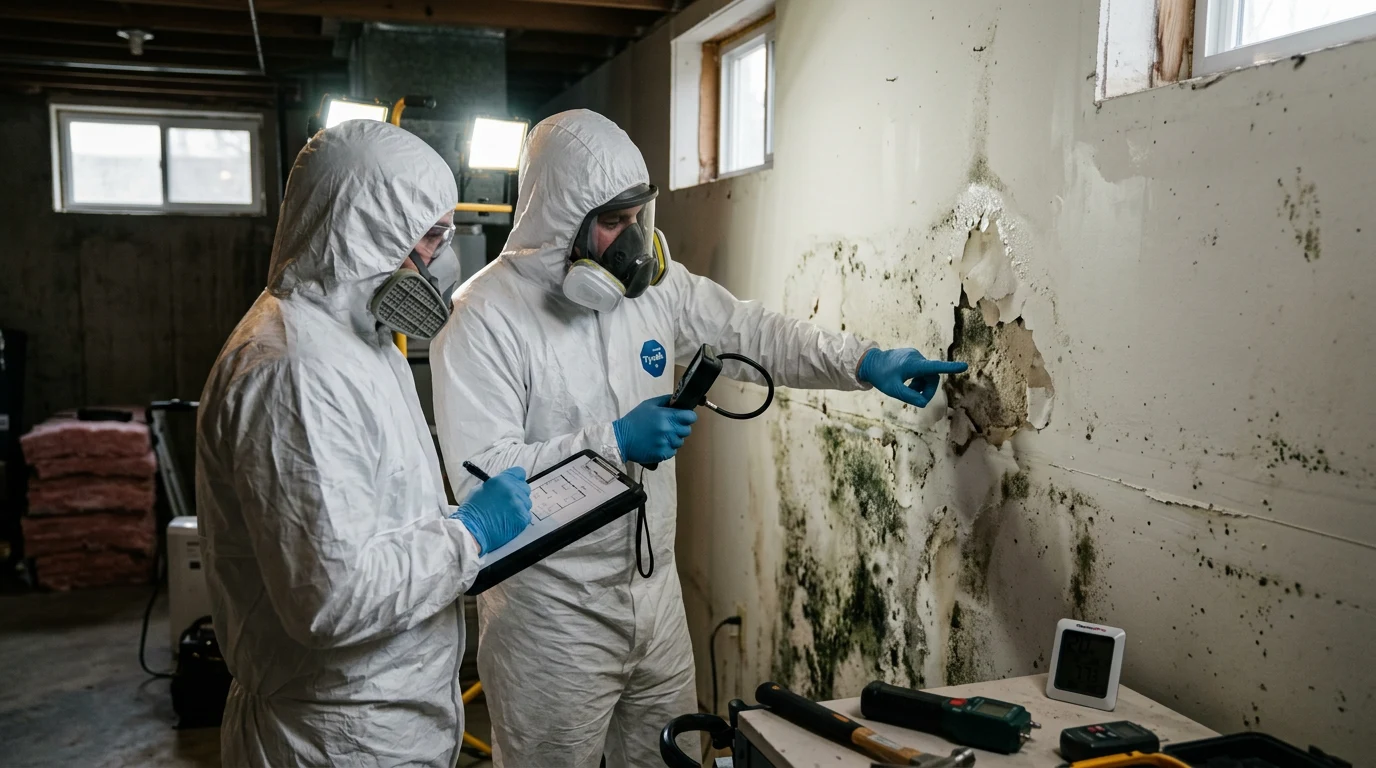
No, a hygrometer cannot directly detect existing mold. It only measures the humidity in the air. However, by consistently monitoring humidity, a hygrometer can alert you to conditions that are favorable for mold growth, indicating that you should investigate further for potential mold issues. If you suspect mold, you’ll need to look for visible signs or consider professional mold inspection.How accurate are home hygrometers?
Most modern digital home hygrometers are reasonably accurate for general household use, typically within +/- 3-5% RH. While professional-grade instruments offer higher precision, consumer-grade hygrometers are perfectly sufficient for identifying mold-risk humidity levels in your home. It’s more important to monitor trends and sustained high readings than to obsess over a single percentage point.Do I need a hygrometer with a thermometer?
Yes, almost all hygrometers designed for home use also include a thermometer. This is beneficial because temperature also plays a role in mold growth and comfort. More importantly, relative humidity is temperature-dependent, so understanding both values provides a more complete picture of your indoor environment and helps in diagnosing issues like condensation.MoldActionPlan is reader-supported. We may earn a commission from qualifying purchases made through links on this page, at no extra cost to you. This is educational information, not professional or medical advice.
Our Top Picks for Mold Prevention
Best for Data Logging & Remote Monitoring: SensorPush Wireless Humidity & Temperature Sensor
The SensorPush Wireless Humidity & Temperature Sensor stands out as an excellent choice for anyone serious about understanding and preventing mold in hard-to-reach or frequently overlooked areas. This compact, data-logging sensor is specifically designed for environments like crawl spaces, basements, attics, and even closets where mold often begins unnoticed. Its primary strength lies in its ability to track humidity history, providing invaluable insights into sustained periods of high humidity, precisely the conditions that lead to mold growth. Who it’s best for: Homeowners with crawl spaces, basements, or other areas prone to high humidity; those who want detailed historical data to identify problematic trends; individuals who need remote monitoring without constant manual checks. Pros:- Detailed Data Logging: Continuously records humidity and temperature data, allowing you to see trends over days, weeks, or months. This is crucial for identifying intermittent or sustained periods of elevated humidity (above ~60%) that contribute to mold.
- Wireless Connectivity: Connects via Bluetooth to your smartphone or tablet, making it easy to check readings without physically accessing the sensor. With an optional gateway (sold separately), you can monitor from anywhere with an internet connection.
- Compact and Discreet: Small size allows for placement in tight or inconspicuous locations where mold might otherwise go undetected.
- Alerts & Notifications: The app can be configured to send alerts if humidity or temperature thresholds are exceeded, giving you timely warnings.
- Long Battery Life: Designed for extended use, reducing the frequency of battery changes.
- Bluetooth Range Limitation: Without the optional Wi-Fi gateway, monitoring is limited to Bluetooth range, meaning you need to be relatively close to the sensor to get readings.
- Initial Setup: Requires app download and pairing, which might be slightly more involved than a basic display unit.
- Higher Initial Cost: Generally more expensive than basic hygrometers, though the features and data logging capabilities justify the investment for serious mold prevention.
Best for Smart Home Integration & Real-time Alerts: Govee Hygrometer Thermometer
The Govee Hygrometer Thermometer offers an excellent blend of smart features, convenience, and affordability. This device use Bluetooth and Wi-Fi connectivity to provide real-time monitoring and alerts directly to your smartphone. It’s particularly useful for homeowners who want to monitor multiple rooms or areas and receive immediate notifications if humidity levels climb into the mold-risk range, allowing for quick intervention. Who it’s best for: Tech-savvy homeowners; those with multiple rooms to monitor; individuals who want immediate alerts when humidity levels become problematic; users who appreciate historical data visualization via an app. Pros:These statements have not been evaluated by the Food and Drug Administration. This information is not intended to diagnose, treat, cure, or prevent any disease. Content is for informational purposes only and is not medical advice; consult a qualified healthcare provider before starting any supplement. As an Amazon Associate we earn from qualifying purchases.
