Summer is mold’s peak growing season. Warm temperatures accelerate spore germination, and outdoor humidity regularly pushes above 70% in much of the United States. Every time you open a window on a humid day, that moisture-laden air enters your home and settles on cool surfaces — creating exactly the conditions mold needs to thrive.
The good news is that summer mold prevention comes down to three strategies: use your AC as a dehumidifier, be strategic about when you open windows, and run exhaust fans aggressively. Master these, and you can keep your home below the 55% humidity threshold all season long.
Your Air Conditioner Is Your Best Dehumidifier
Most homeowners think of their AC purely as a cooling system. In reality, dehumidification is one of its most important functions for mold prevention. As warm air passes over the cold evaporator coil, moisture condenses out and drains away. A properly functioning central AC system can remove 5 to 20 gallons of water from your home’s air every day.
How to Maximize AC Dehumidification
- Set the fan to AUTO, not ON: When the fan runs continuously (ON setting), it blows moisture that has condensed on the coil back into the house before it can drain. In AUTO mode, the fan only runs during cooling cycles, allowing maximum moisture removal.
- Set the temperature to 72 to 76 degrees Fahrenheit: Lower temperatures extract more moisture. If humidity is your primary concern (above 55%), temporarily dropping the thermostat by 2 to 3 degrees increases dehumidification significantly.
- Replace filters monthly in summer: Dirty filters restrict airflow over the evaporator coil, reducing both cooling and dehumidification capacity. A fresh filter can improve moisture removal by 10% to 15%.
- Ensure proper system sizing: An oversized AC cools the air too quickly, shutting off before it has removed adequate moisture. This is called short cycling. If your AC runs for less than 10 minutes per cycle, it may be oversized — consult an HVAC technician.
- Keep the condensate drain clear: The drain line that carries water from the evaporator to the outside can clog with algae and sediment. A clogged drain causes water to back up into the drain pan and can create mold inside the HVAC system itself. Flush the drain line with vinegar once per month during summer.
When AC Is Not Enough
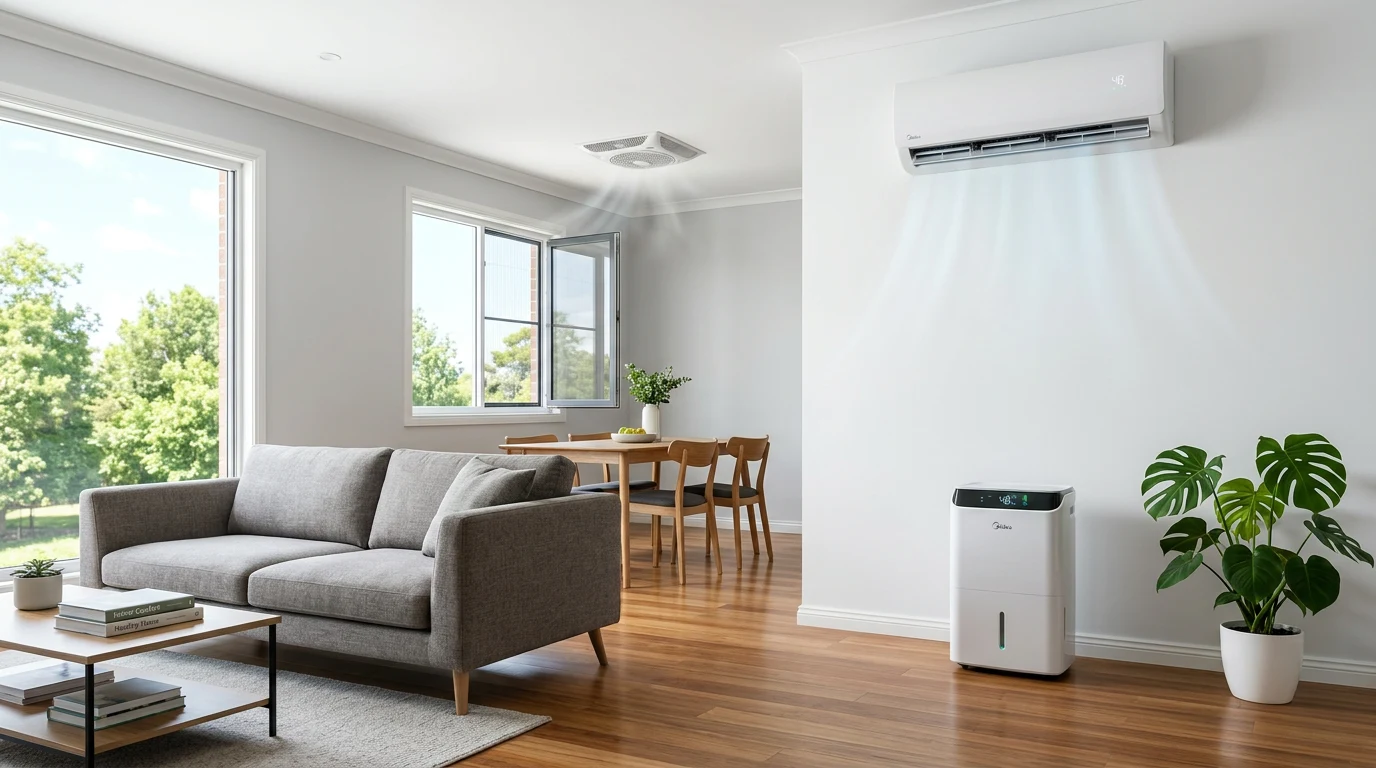
In extremely humid climates — the Gulf Coast, Southeast, and Mid-Atlantic — central AC alone may not keep humidity below 55%. In these regions, a whole-house dehumidifier or a standalone unit for the basement is often necessary. An appropriately sized dehumidifier works alongside your AC to maintain safe humidity levels even on the most oppressive days.
The Open Window Mistake
Opening windows on a beautiful summer day feels right, but it can be a mold prevention disaster. According to the EPA, outdoor humidity directly influences indoor moisture levels, and in summer, outdoor air often carries far more moisture than indoor air.
When to Open Windows
- Open windows when outdoor humidity is below 50%: Check a weather app before opening up. Clear, dry mornings in early summer often meet this threshold.
- Best time: early morning before 9 AM: Humidity typically rises throughout the day as temperatures increase. Morning hours offer the driest outdoor air in most climates.
- Open windows on opposite sides of the house: Cross-ventilation flushes stale air more effectively than single-side ventilation.
When to Keep Windows Closed
- Outdoor humidity above 60%: Opening windows invites moisture in. Run the AC instead.
- After afternoon thunderstorms: Post-storm air can reach 80% to 95% humidity. Keep windows sealed for at least 2 to 3 hours after rain stops.
- Overnight in humid climates: Nighttime temperatures drop, but humidity often rises to 80% to 100% overnight (dew point effect). Sleeping with windows open in July in Houston, Atlanta, or Washington DC is an invitation for mold growth.
- When the AC is running: Open windows defeat the purpose of air conditioning and force the system to work harder while allowing humidity in.
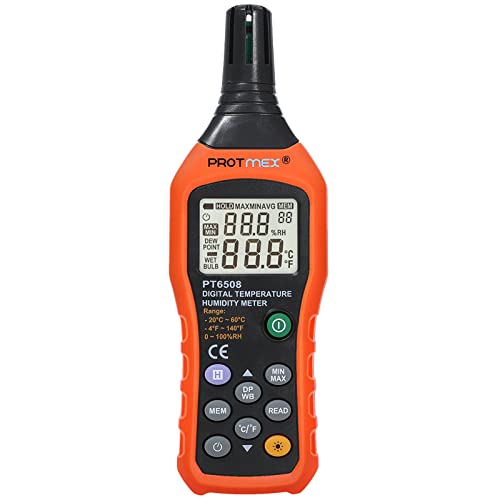
A digital hygrometer placed near the most-used window makes the open-or-close decision objective rather than subjective. If indoor humidity starts climbing above 55% after opening windows, close them and run the AC.
Exhaust Fan Strategy for Summer
Bathrooms and kitchens generate concentrated humidity spikes that your central AC may not address fast enough. Exhaust fans are your targeted moisture removal tools for these areas.
Bathroom Fans
- Run the fan during every shower or bath, plus 30 minutes after
- In summer, consider running the bathroom fan for an extra 15 minutes (45 minutes total) — higher baseline humidity means longer drying times
- Verify the fan exhausts outside, not into the attic — this is especially critical in summer when attic temperatures can reach 130 to 150 degrees Fahrenheit, and adding moisture creates extreme mold conditions
- If you notice persistent bathroom ceiling mold despite running the fan, the fan may be undersized or the duct may be partially blocked
Kitchen Exhaust
- Use the range hood every time you boil water, simmer food, or use the dishwasher
- A single pot of boiling water releases approximately 1.5 cups of moisture into the air
- Run the exhaust for 10 to 15 minutes after cooking finishes to clear residual moisture
- If your range hood recirculates rather than exhausts outside, it is not removing moisture — only filtering grease. Consider upgrading to a vented model.
Laundry Room
- Ensure the dryer vents outside through a sealed, rigid duct — a disconnected or leaking dryer vent pumps tremendous humidity directly into your home
- If you air-dry clothes indoors, run a dehumidifier in the laundry area. A single load of wet laundry releases 4 to 6 pints of water as it dries.
- Never leave wet laundry sitting in the washing machine — transfer to the dryer within 30 minutes to prevent mold growth on clothes themselves
Summer Mold Hot Spots
These areas are at highest risk during summer and deserve extra attention:
Basements
Basement walls stay cool relative to outdoor air. When warm, humid air contacts these cool surfaces, condensation forms. This is why basements feel damp in summer even without visible leaks. Run a dehumidifier set to 45% to 50% from May through October in most climates. Monitor with a hygrometer to verify.
Closets on Exterior Walls
Closets against exterior walls get limited air circulation and can run 5 to 10 degrees cooler than the rest of the room. This temperature difference attracts condensation. Keep closet doors slightly open, avoid packing clothes tightly against walls, and consider a small fan or moisture absorber in problem closets.
Behind Furniture on Exterior Walls
Couches, dressers, and bookshelves pushed against exterior walls create a dead air space where humidity accumulates and condensation forms. Leave at least 2 to 3 inches between large furniture and exterior walls to allow air circulation.
Crawl Spaces
Summer is the most dangerous time for crawl space mold. Warm, humid outdoor air enters through foundation vents and contacts the cooler crawl space surfaces, creating condensation on floor joists and subflooring. In humid climates, closing foundation vents in summer and running a dedicated crawl space dehumidifier is more effective than traditional vented designs.
AC Maintenance That Prevents Mold
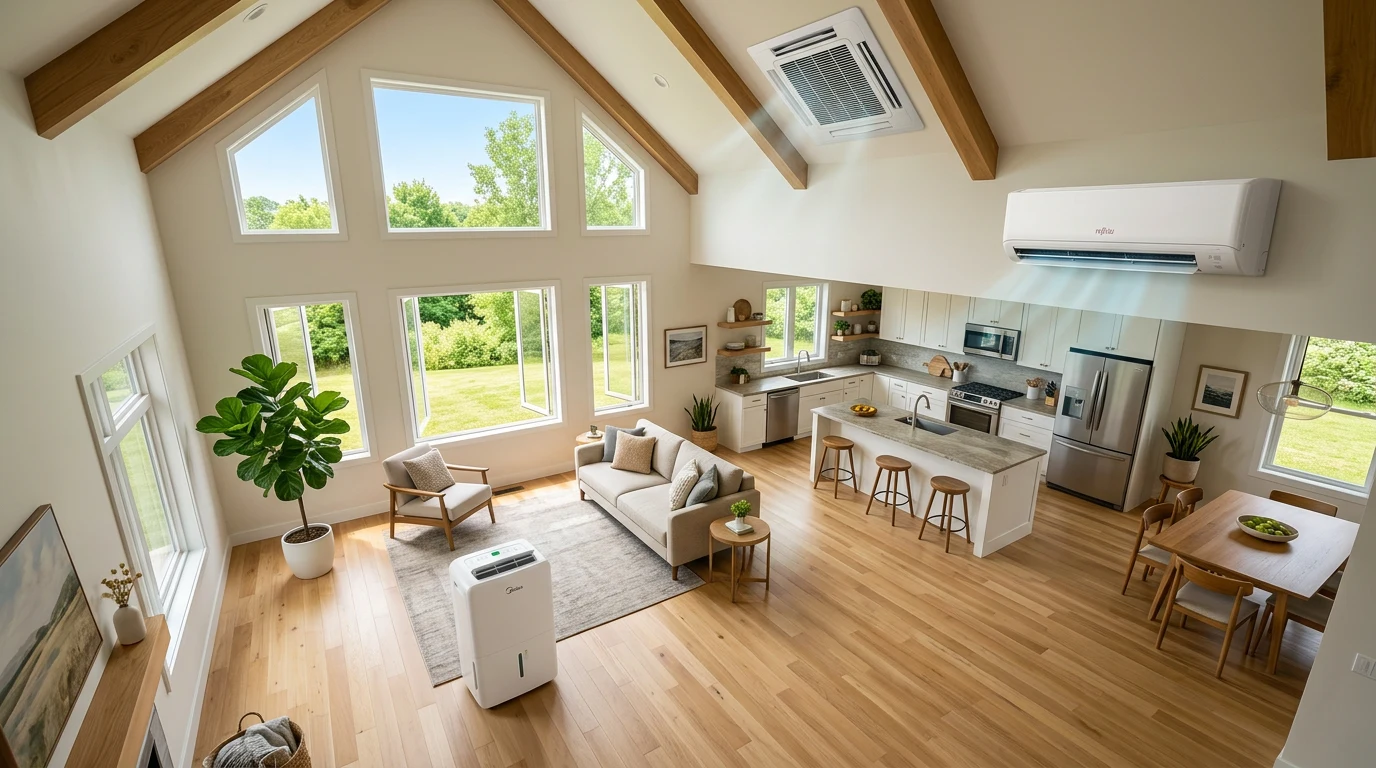
Your AC system can prevent mold or cause it, depending on how well it is maintained:
- Change filters monthly: A $5 to $20 filter swap every 30 days during summer keeps airflow high and dehumidification effective
- Clean the evaporator coil annually: Dirty coils reduce efficiency by 20% to 40%. Have an HVAC technician clean the coil as part of spring service.
- Flush the condensate drain monthly: Pour 1 cup of white vinegar or 1 cup of bleach into the drain access port. This prevents algae buildup that can clog the drain and cause water damage.
- Check the drain pan: The evaporator drain pan catches condensate. If it is rusted, cracked, or overflowing, water can damage surrounding materials and create mold in the HVAC closet or plenum.
- Seal duct leaks: Leaking supply ducts in unconditioned spaces (attics, crawl spaces) waste cooled, dehumidified air and pull in hot, humid air through return leaks. Duct sealing can improve humidity control by 15% to 25%.
Summer Vacation Mold Prevention
Leaving your home for a week or two in summer creates a mold risk if you do not plan ahead. Many homeowners raise the thermostat or turn off the AC to save energy while away. This allows humidity to climb unchecked for the entire vacation period.
- Keep the AC running: Set it to 80 degrees Fahrenheit instead of turning it off. The system will still cycle enough to dehumidify.
- Run a dehumidifier in the basement: Set it to 50% and ensure the drain hose is connected to a floor drain or sump.
- Close all windows and blinds: Prevent solar heat gain and humidity entry.
- Turn off unnecessary water valves: Shutting off water to the washing machine and ice maker eliminates the risk of supply line bursts while you are away.
Frequently Asked Questions
What humidity level is dangerous in summer?
Indoor humidity above 55% sustained for more than 24 to 48 hours creates mold risk. Above 65%, mold growth on susceptible surfaces is virtually guaranteed. Keep indoor humidity between 30% and 50%, which the EPA recommends as the safe range for mold prevention.
Can I use a fan instead of AC for mold prevention?
Fans circulate air but do not remove moisture. On a 90-degree day with 75% outdoor humidity, a fan blowing outdoor air through your house actually increases indoor humidity. Fans help when the air is already dry, but they cannot substitute for dehumidification in humid conditions.
Why does my basement smell musty only in summer?
The stack effect draws warm, humid outdoor air into your basement through cracks and gaps. When this air contacts cool basement walls and floor, condensation forms. The resulting moisture feeds mold and bacteria that produce musty volatile organic compounds. A dehumidifier running from May through October typically eliminates this seasonal odor.
Should I run a dehumidifier and AC at the same time?
Yes, especially in the basement. Your central AC dehumidifies the main living areas, but basements — being below grade and cooler — often need additional dehumidification. Running both is the most effective summer mold prevention strategy for most homes.
Does opening the bathroom window help after a shower in summer?
Only if outdoor humidity is below 50%, which is rare in summer in most of the eastern United States. On a typical summer day, opening the bathroom window after a shower introduces more humidity than it removes. Use the exhaust fan instead — it is designed to remove moisture from the room and vent it outside regardless of outdoor conditions.
Frequently Asked Questions
Why is summer a particularly high-risk time for mold growth in homes?
Summer’s elevated outdoor temperatures and humidity levels create ideal conditions for mold. When this warm, moist air infiltrates cooler indoor spaces, it can lead to condensation on surfaces, providing the necessary moisture for mold spores to germinate and grow rapidly.
What is the ideal indoor humidity level to prevent mold growth during summer?
To effectively prevent mold growth, indoor relative humidity should ideally be maintained between 30% and 50% during the summer months. Levels consistently above 60% provide a hospitable environment for mold spores to thrive.
How can I effectively reduce indoor humidity during the summer without over-cooling my home?
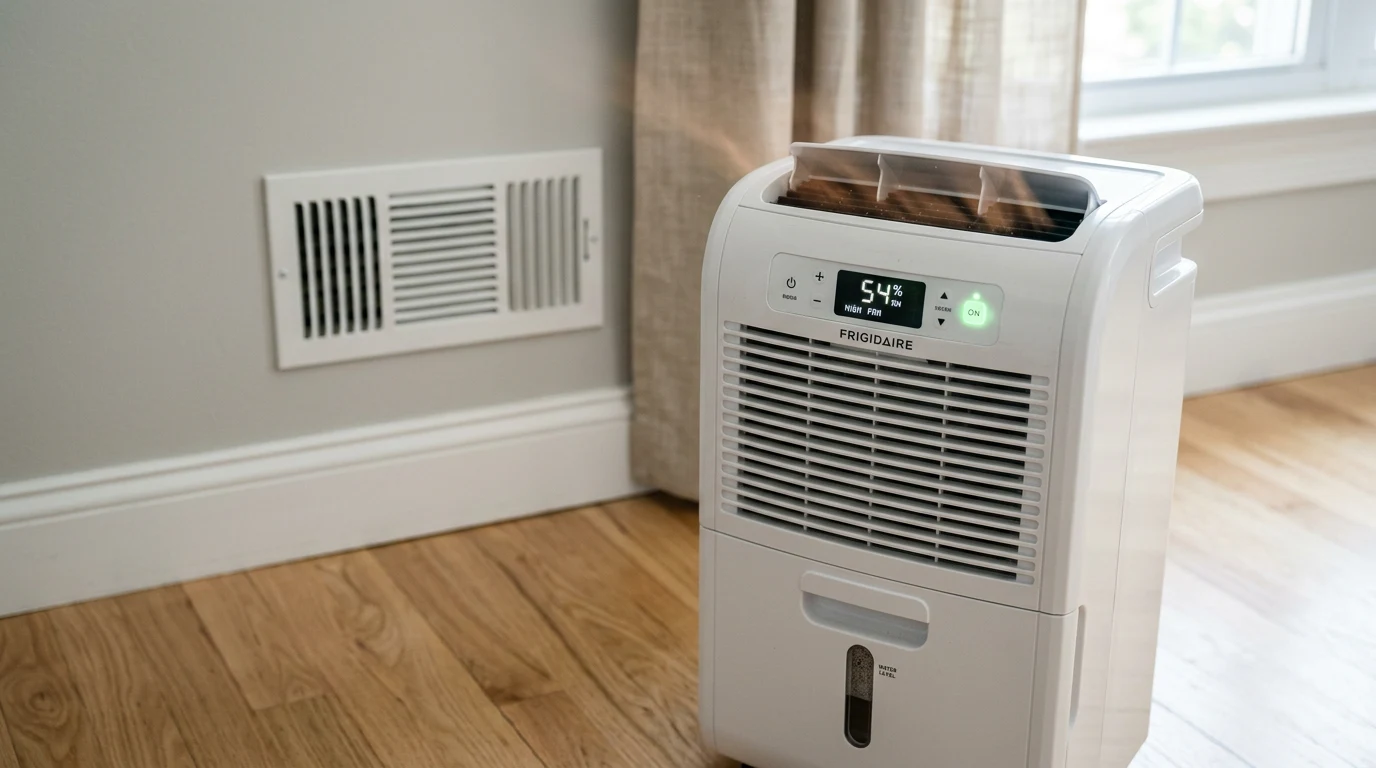
Utilizing a dehumidifier is a highly effective method to reduce indoor humidity without significantly lowering the temperature. Additionally, ensuring your air conditioning system is properly sized and maintained can help it remove moisture efficiently as it cools.

Are there specific areas in my home that are more susceptible to mold growth due to summer humidity?
Basements, crawl spaces, bathrooms, and kitchens are particularly vulnerable due to their inherent moisture sources and often poorer ventilation. Areas with poor air circulation, such as behind furniture or inside closets, can also trap humid air and foster mold.
Can simply opening windows help control humidity and prevent mold in summer?
Opening windows can introduce more humid air from outside, especially on hot, muggy days, which can worsen indoor humidity and increase mold risk. It’s generally more effective to keep windows closed and use air conditioning or dehumidifiers to manage indoor humidity during peak summer humidity.
What are the first signs of mold growth I should look for if I suspect high summer humidity is an issue?
Beyond a musty odor, look for visible discoloration or fuzzy growth on walls, ceilings, or fabrics, especially in damp areas. Condensation on windows or pipes, or warped wood, can also indicate excessive humidity that is conducive to mold growth.
These statements have not been evaluated by the Food and Drug Administration. This information is not intended to diagnose, treat, cure, or prevent any disease. Content is for informational purposes only and is not medical advice; consult a qualified healthcare provider before starting any supplement. As an Amazon Associate we earn from qualifying purchases.
