Mold remediation in the average home costs $3,000 to $7,000. Preventing mold costs a fraction of that — and the strategies are surprisingly simple. After analyzing thousands of mold cases, the same five root causes appear again and again: unchecked humidity, ignored leaks, inadequate bathroom ventilation, poor exterior drainage, and neglected crawl spaces.
Address these five areas, and you eliminate approximately 90% of residential mold risk. This is your mold prevention checklist — five actions that protect your home, your health, and your wallet.
1. Keep Indoor Humidity Below 55%
Humidity is the single biggest driver of mold growth. According to the EPA, maintaining indoor relative humidity between 30% and 50% is the primary defense against mold. When humidity exceeds 55% for 24 to 48 hours, mold spores — which are always present in the air — begin colonizing organic surfaces like drywall, wood, and carpet.
How to Control Humidity
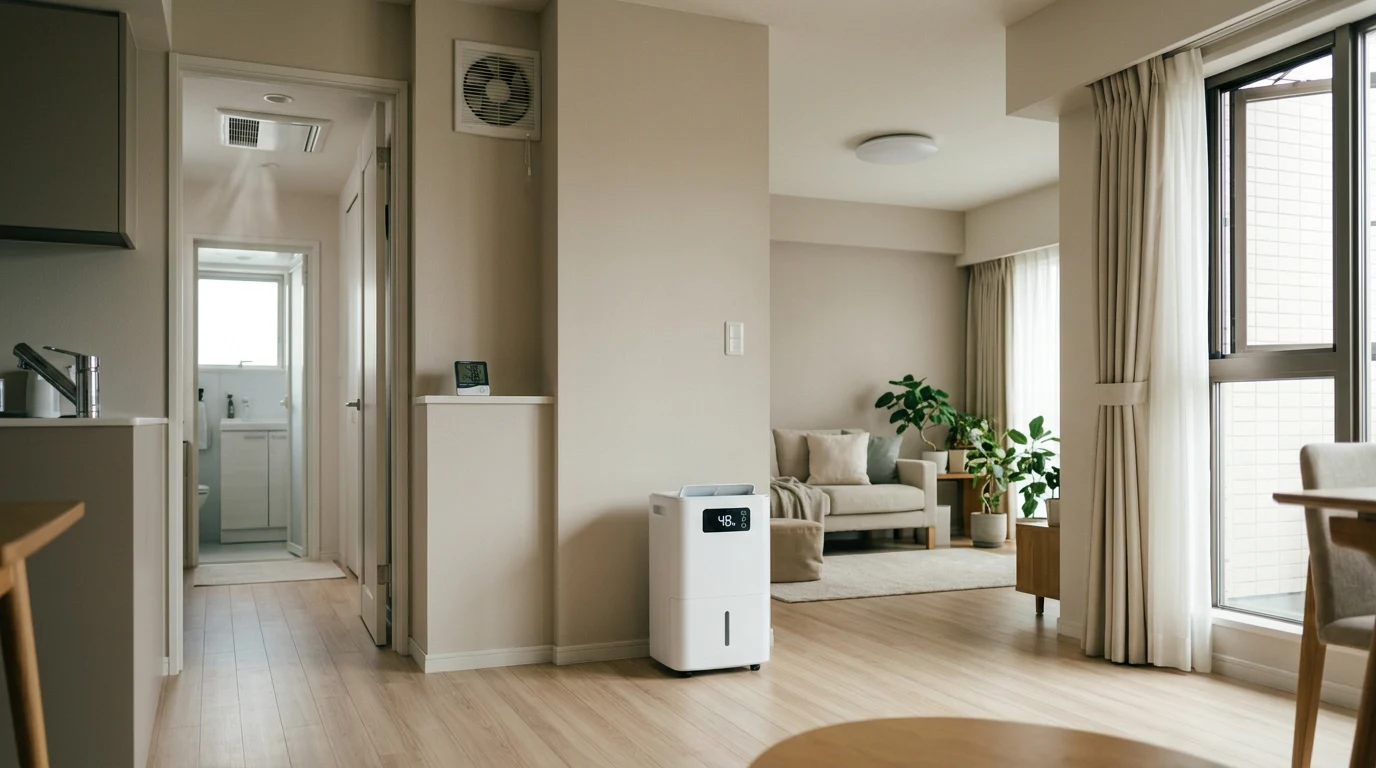
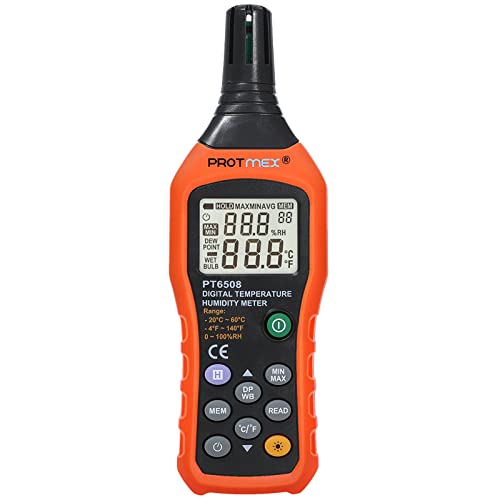
- Monitor with a hygrometer: A digital hygrometer costs under $15 and tells you exactly where your home stands. Place one in the basement, bathroom, and bedroom at minimum.
- Run a dehumidifier: Basements and enclosed spaces often need a dedicated dehumidifier running from spring through fall. Set the target to 45% to 50%. A unit rated for your square footage costs $150 to $300 and prevents thousands in potential damage.
- Use your AC: Air conditioning naturally dehumidifies as it cools. In summer, running the AC is often the most effective humidity control for your main living areas.
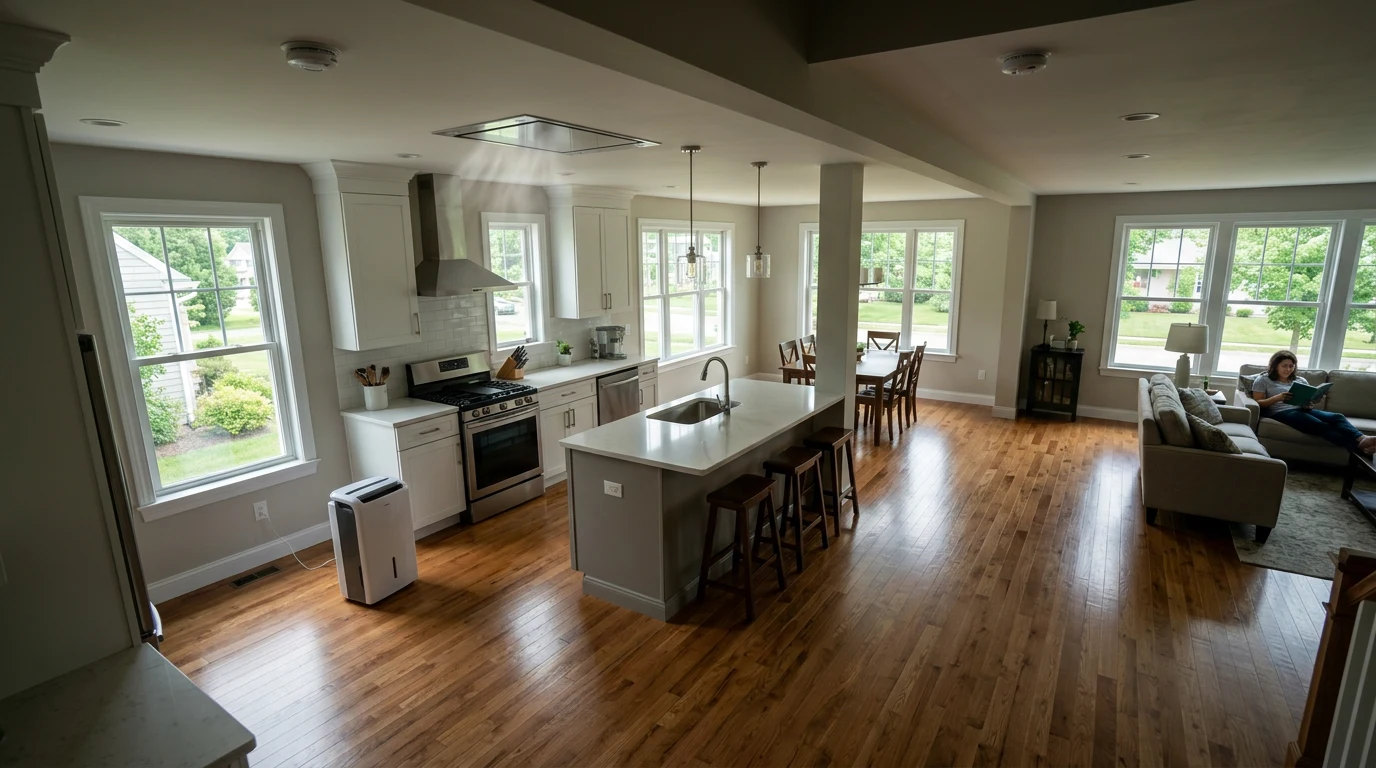
- Vent moisture-producing activities: Cooking, showering, and laundry all generate significant moisture. Always use range hoods and bathroom fans during and after these activities.
If you only do one thing from this checklist, monitor and control your humidity. An air purifier or dehumidifier in your most humid room prevents more mold than any cleaning product ever could.
2. Fix Leaks Within 24 Hours
Water leaks are the second most common cause of household mold. The critical factor is response time. Mold can begin growing on a wet surface within 24 to 48 hours. If you detect and dry a leak within 24 hours, mold almost never gets a foothold.
Where Leaks Hide
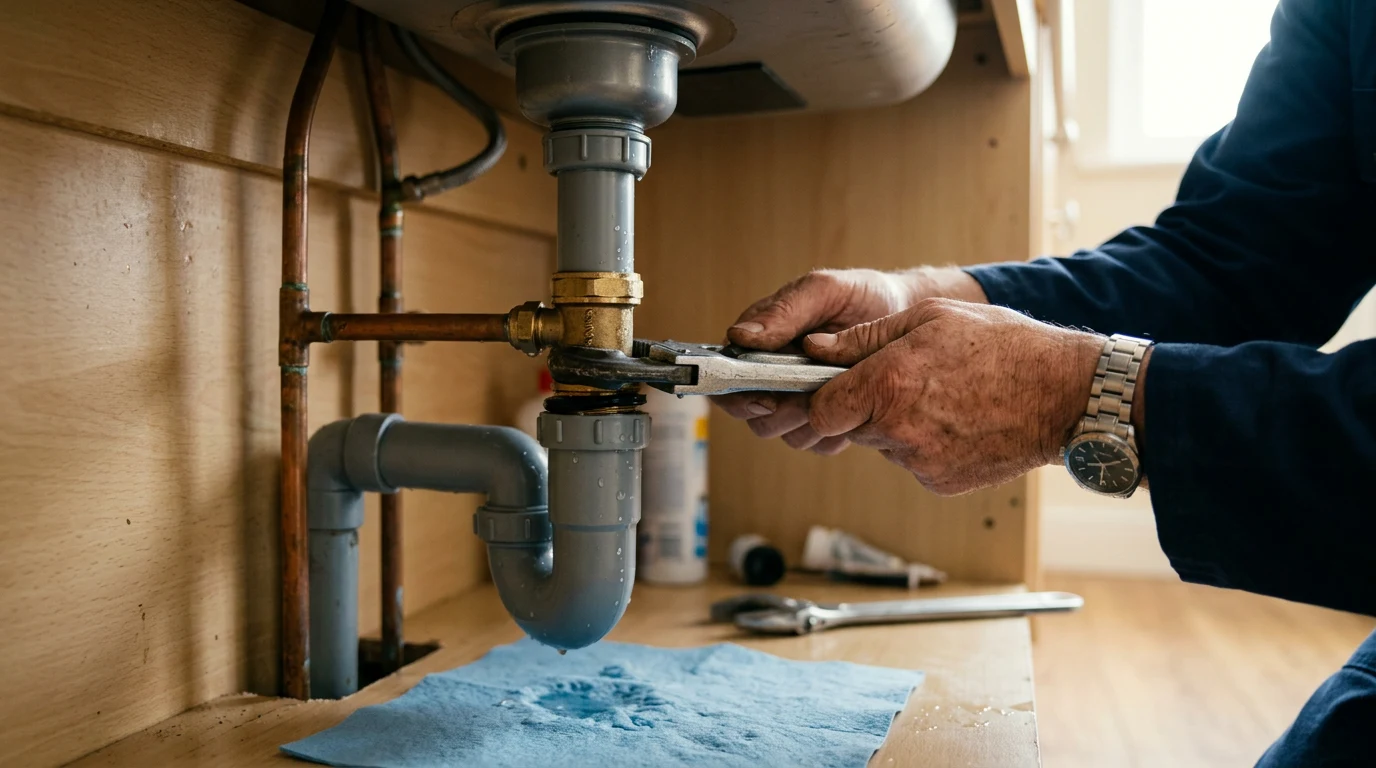
- Under sinks: Check kitchen and bathroom supply lines and drain connections monthly. A slow drip under a sink creates a perfect mold environment in the dark, enclosed cabinet.
- Around toilets: A failing wax ring seal can leak small amounts of water with every flush. If you notice any discoloration at the base of the toilet, investigate immediately.
- Behind washing machines: Rubber supply hoses deteriorate over 5 to 7 years. Replace them with braided stainless steel hoses, which virtually never burst.
- Roof penetrations: Plumbing vents, chimneys, and skylights are common entry points for water. Inspect the attic after heavy rainstorms for any signs of moisture.
- Windows: Failed caulking around window frames allows rain to seep into wall cavities. Check exterior caulking annually.
The 24-Hour Rule
When you discover any leak, no matter how small:
- Stop the water source (shut off the valve)
- Remove standing water
- Dry the area with towels and fans
- Run a dehumidifier in the space
- Fix the leak permanently within 48 hours
Do not assume a small leak will “dry on its own.” Mold on drywall often starts from leaks that homeowners noticed but decided were too minor to fix immediately.
3. Run Your Bathroom Fan for 30 Minutes After Every Shower
A single hot shower generates enough moisture to raise a bathroom’s humidity to 80% to 90%. Most people turn the fan off when they leave the bathroom. The problem: it takes 20 to 30 minutes for the exhaust fan to remove that moisture, not the 5 minutes you were still in the room.
Bathroom Ventilation Rules
- Run the fan during and for 30 minutes after every shower or bath. Many modern fans have a timer switch that costs $20 to $30 to install — set it to auto-off after 30 minutes.
- Verify your fan actually works: Hold a tissue up to the fan grille while it is running. If the tissue is not pulled firmly against the grille, the fan is too weak or the duct is blocked.
- Check the CFM rating: Bathroom fans are rated in cubic feet per minute. You need at least 1 CFM per square foot of bathroom space. A 50-square-foot bathroom needs a minimum 50 CFM fan. Most builder-grade fans are undersized.
- Ensure the fan vents outside: Some older homes have bathroom fans that vent into the attic rather than outside. This dumps moisture directly into your attic space and is one of the most common causes of attic mold.
If your bathroom does not have an exhaust fan, open the window during and after showers (weather permitting) and leave the door open so moisture can disperse through the house. But installing a proper fan is a better long-term solution — a quality 80 CFM fan with timer costs $50 to $100 plus installation.
4. Clean Gutters and Extend Downspouts at Least 6 Feet
Many homeowners do not connect gutters to mold prevention, but the relationship is direct. When gutters overflow or downspouts dump water against your foundation, that water seeps into basement walls and crawl spaces — creating the persistent moisture that feeds mold colonies.
Gutter Maintenance for Mold Prevention
- Clean gutters at least twice per year: Once in late spring after pollen and seeds, and once in late fall after leaves drop. Clogged gutters overflow and pour water down your foundation walls.
- Extend downspouts 6 feet from the foundation: Standard downspouts end just 6 to 12 inches from the house. Water pooling near the foundation is the leading cause of basement water intrusion. Add downspout extensions or splash blocks to direct water at least 6 feet away.
- Verify proper grading: The soil around your home should slope away from the foundation at a rate of at least 6 inches over 10 feet. If water pools near your foundation after rain, re-grade the soil.
A detailed guide on how gutters prevent basement mold covers this topic in full depth, including downspout placement strategies and grading specifications.
5. Inspect Your Crawl Space Twice Per Year
Crawl spaces are the most neglected area of most homes — and one of the most mold-prone. Out of sight truly means out of mind, until you discover that moisture has been building for months and mold is growing on your floor joists.
What to Check
- Standing water: Any visible water in the crawl space indicates a drainage problem. Even a small puddle can raise humidity to 80% or higher in an enclosed space.
- Vapor barrier condition: A polyethylene vapor barrier (6 mil minimum) should cover the entire crawl space floor. Look for tears, gaps, or areas where the barrier has shifted, exposing bare soil. Exposed soil is a constant moisture source.
- Wood condition: Inspect floor joists and sill plates for dark discoloration, soft spots, or visible mold. Use a flashlight and look at the underside of the subfloor, especially near the foundation perimeter where moisture concentrates.
- Ventilation: Foundation vents should be open in summer and closed in winter (in most climates). However, in humid climates like the Southeast, encapsulated crawl spaces with mechanical dehumidification often perform better than vented designs.
- Plumbing leaks: Water supply and drain lines run through many crawl spaces. Check connections and look for drip stains on the vapor barrier below pipes.
When to Inspect
Inspect your crawl space in early spring (after the wet season begins) and in late fall (before closing up for winter). If you notice musty odors coming from floor vents at any time, inspect immediately rather than waiting for the scheduled check.
Bonus: The Quick Monthly Walk-Through
In addition to the five core prevention measures above, do a 10-minute walk-through once a month. Check these specific spots:
- Under all sinks (kitchen, bathroom, laundry)
- Around the base of toilets
- Behind the refrigerator (check the drip pan and water line)
- Around window frames (especially in winter for condensation)
- Along basement walls (look for white mineral deposits, which indicate moisture migration)
- Inside closets on exterior walls (poor air circulation can trap humidity)
- Around the water heater (check for puddles or corrosion at the base)
This monthly check takes less time than a coffee break and catches problems weeks or months before they become mold emergencies.
The Cost of Prevention vs. Remediation
Here is what each prevention measure costs versus the mold problem it prevents:
- Digital hygrometer: $10 to $15 per unit vs. $3,000+ for mold remediation in a single room
- Basement dehumidifier: $200 to $300 vs. $5,000 to $15,000 for basement mold remediation
- Bathroom timer fan switch: $25 to $30 vs. $1,500 to $3,000 for bathroom and ceiling mold removal
- Downspout extensions: $10 to $20 each vs. $4,000 to $12,000 for foundation waterproofing and mold remediation
- Crawl space vapor barrier: $1,500 to $3,000 installed vs. $5,000 to $10,000 for crawl space mold remediation
Prevention is not just cheaper — it is orders of magnitude cheaper. The total cost of implementing all five checklist items is $500 to $3,500, depending on your home’s current condition. The cost of dealing with mold after it appears: $3,000 to $30,000, plus health impacts and property damage.
Frequently Asked Questions
What is the single most important thing I can do to prevent mold?
Control humidity. If you keep indoor relative humidity below 55% at all times, you prevent the vast majority of mold growth. A digital hygrometer and a dehumidifier for your most humid room are the two most cost-effective mold prevention investments you can make.
How often should I check for leaks?
Do a visual check under all sinks, around toilets, and near appliances monthly. Check the attic and crawl space twice per year (spring and fall). Inspect caulking around windows and exterior penetrations annually.
Is bleach an effective mold prevention product?
Bleach kills surface mold but does not prevent it from returning. Vinegar is actually more effective at killing mold roots on porous surfaces. However, true prevention comes from moisture control, not chemical treatment. Fix the moisture source and mold will not return.
Do mold prevention products actually work?
Mold prevention products like mold-resistant paint, antimicrobial sprays, and moisture-absorbing crystals provide supplementary protection. They work best when combined with the five core prevention measures in this checklist. No product can prevent mold if humidity stays above 65% or leaks go unrepaired.
Should I hire a professional for a mold prevention inspection?
For most homes, the DIY checklist above is sufficient. Consider a professional inspection ($300 to $500) if you are buying a new home, if you have had previous mold problems, or if your home is over 30 years old with original plumbing and HVAC systems.
Frequently Asked Questions
What are the most crucial steps to prevent mold growth in my home?
The article emphasizes controlling moisture as the primary defense. This includes ensuring proper ventilation in high-humidity areas like bathrooms and kitchens, and promptly addressing any leaks or water intrusions to prevent standing water that mold needs to thrive.
How does proper ventilation contribute to preventing mold, according to the article?
Proper ventilation is key to reducing indoor humidity levels, which are a major factor in mold growth. By exchanging stale, moist air with drier outdoor air, you prevent condensation on surfaces and keep the relative humidity below the threshold where mold spores activate.
The article mentions addressing leaks promptly. How quickly should I act to prevent mold?
Mold can begin to grow within 24-48 hours of a water event, making immediate action critical. Drying out wet areas and materials completely within this timeframe is essential to prevent spores from germinating and establishing a colony.
Are there specific humidity levels I should aim for in my home to prevent mold?
While specific numbers can vary, the article implies maintaining indoor relative humidity below 60% is generally effective. Ideally, keeping it between 30-50% is recommended to significantly reduce the risk of mold growth and improve overall air quality.
Beyond leaks and ventilation, what other common issues does the article suggest I address?
The article likely highlights the importance of regular cleaning and maintenance, especially in areas prone to moisture. This includes cleaning gutters, ensuring proper drainage around your foundation, and routinely inspecting for any signs of water damage or condensation.
Can simply cleaning visible mold solve the problem, or does the article suggest more?
The article implies that while cleaning small, surface mold is helpful, the underlying moisture issue must be resolved to prevent recurrence. If the mold covers a large area or is due to a persistent moisture problem, professional remediation is often necessary to address the source and ensure complete removal.
These statements have not been evaluated by the Food and Drug Administration. This information is not intended to diagnose, treat, cure, or prevent any disease. Content is for informational purposes only and is not medical advice; consult a qualified healthcare provider before starting any supplement. As an Amazon Associate we earn from qualifying purchases.
