Mold on Clothes: Complete Guide to Removal, Salvage, and Prevention
Affiliate Disclosure: This article contains affiliate links. If you buy through these links, we may earn a small commission at no extra cost to you.
Is Mold on Clothes Dangerous? Can You Remove It Yourself?
Mold on clothes is not just an aesthetic problem. It can cause allergic reactions, respiratory irritation, and musty odors that linger through multiple washes. The visible dark spots are the mold colony, but the real concern is the microscopic spores that can spread through your home and into your lungs.
The good news: most moldy clothes can be salvaged with the right approach. You do not need a professional for common mold on washable fabrics. Cotton, polyester, nylon, and most synthetics respond well to oxygen bleach and hot water. The exceptions are delicate fabrics like silk, wool, and leather, which require gentler treatment or professional cleaning.
If you see mold on only one item, check the rest of your closet and any nearby surfaces. Mold spreads quickly through shared air and contact. The source is almost always moisture too much humidity, a damp basement closet, wet clothes left in the washer overnight, or a slow leak.
Why Mold Grows on Clothes
Mold needs three things: moisture, food, and the right temperature. Clothes provide an excellent food source (cotton fibers, skin cells, body oils, and residual detergent). When moisture is added through humidity above 60%, a wet washer, or damp storage, mold spores that are always present in the air begin to grow.
Common causes of mold on clothes include:

- Leaving wet clothes in the washing machine overnight or longer. This is the most common cause. Warm, damp, dark conditions inside a sealed washer are a perfect mold incubator.
- High indoor humidity. Bathrooms, basements, and closets near exterior walls often exceed 60% relative humidity, especially in warmer months.
- Improper drying. Clothes that are not fully dry before being put away, or that sit in a dryer too long before folding.
- Piled dirty laundry. Sweaty gym clothes, damp towels, and soiled fabrics stacked in a hamper create a humid microclimate where mold thrives.
- Washing machine gasket mold. Front-load washers are prone to mold buildup in the rubber door gasket. This mold transfers directly to clothes during the wash cycle.
- Storage in damp areas. Basements, attics, garages, or closets with poor ventilation or water intrusion.
Identifying and fixing the moisture source is essential. Removing the stain without addressing the cause means it will return within weeks.
What You Will Need
You can remove mold from clothes with common household products or specialized cleaners. Here are the most effective options, organized by approach.
Household Basics (Already in Your Kitchen)
- White distilled vinegar. A natural mold killer that is safe on most fabrics. Use 1 cup per wash load for pre-soaking. Do not mix vinegar with bleach.
- Baking soda. Helps remove odors and acts as a gentle abrasive for spot treatment.
- Lemon juice. Natural bleaching effect for white fabrics. Combine with salt for a paste on stubborn spots.
Laundry Boosters
| Product | Price (Scraped) | Key Ingredient | Use | Amazon Link |
|---|---|---|---|---|
| OxiClean Odor Blasters Versatile Stain Remover Powder, 5 lb | $11.78 | Sodium percarbonate (oxygen bleach) | Pre-soak and wash booster for mold stains on whites and colorfast fabrics | Buy on Amazon |
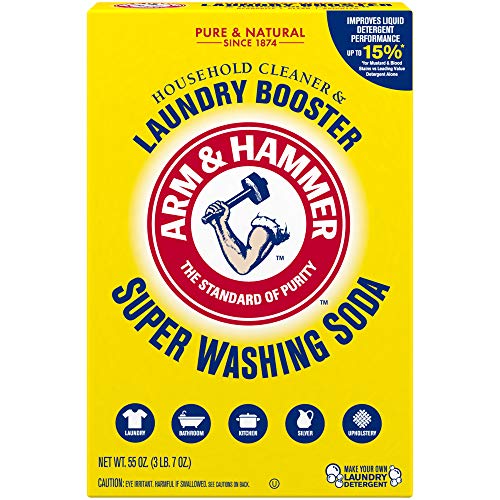
| ARM & HAMMER Super Washing Soda, 55 oz | $5.38 | Sodium carbonate | Laundry booster that lifts mold stains and removes musty odors | Buy on Amazon |
| Remedy Laundry Detergent for Musty Odors | $31.84 | Dual-surfactant + citrus seed extract | Pharmacist-formulated for moldy, contaminated clothes | Buy on Amazon |
Direct Stain Removers
| Product | Price (Scraped) | Key Feature | Use | Amazon Link |
|---|---|---|---|---|
| ACTIVE Mold Stain Remover Gel | $19.95 | Thick gel, no scrubbing needed | Washing machine gasket, rubber seals, fabric spot treatment | Buy on Amazon |
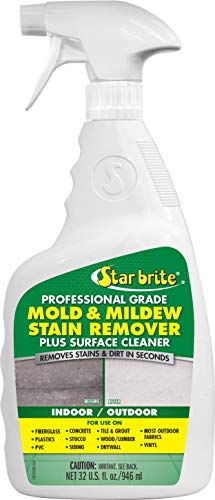
| STAR BRITE Professional Grade Mold & Mildew Stain Remover | $18.21 | Professional grade, safe on fabrics | Direct application on mold-stained fabrics, marine and outdoor gear | Buy on Amazon |
Surface and Preventive Treatments
| Product | Price (Scraped) | Key Feature | Use | Amazon Link |
|---|---|---|---|---|
| Concrobium Mold Control Spray, 32 oz | $13.48 | EPA registered, bleach free, odorless | Treat closet surfaces, washing machine interiors, and storage areas | Buy on Amazon |
| RMR-86 Pro Contractor Grade Mold Stain Remover | $34.99 | EPA registered, professional strength | Heavy mold stains on non-porous surfaces surrounding laundry areas | Buy on Amazon |
Step by Step: How to Remove Mold from Clothes
Step 1: Inspect and Isolate
Take the moldy clothes outside or to a well-ventilated area. Wear gloves and an N95 mask. Separate affected items from clean laundry. Check pockets and seams where mold can hide.
Step 2: Pre-Treat the Stains
For most washable fabrics, start with vinegar. Fill a basin or your washer tub with hot water and add 1 cup of white distilled vinegar. Let the clothes soak for at least 1 hour, or overnight for heavy mold. The vinegar kills active mold spores and loosens stains without damaging fibers.
For heavy mold on white cotton or colorfast fabrics, use an oxygen bleach soak instead. Dissolve 1 scoop of OxiClean Odor Blasters powder in hot water and soak for 6 hours or overnight. Oxygen bleach (sodium percarbonate) releases hydrogen peroxide, which breaks down mold cell walls without the harshness of chlorine bleach.
Step 3: Wash with Hot Water
Drain the soak water and transfer clothes to the washing machine. Wash on the hottest setting the fabric label allows. Add your regular detergent plus one of these boosters:
- 1 cup white vinegar in the fabric softener dispenser (for extra odor removal)
- 1/2 cup ARM & HAMMER Super Washing Soda added with the detergent
- 1 scoop of oxygen bleach powder added to the drum before clothes
Step 4: Inspect Before Drying
This is the most important step. Heat from a dryer sets mold stains permanently. After the wash cycle, pull the clothes out and inspect them in good light. If any stain remains, repeat the pre-soak and wash before drying. Do not put moldy clothes in the dryer until all visible stains are gone.
Step 5: Dry Thoroughly
Once stains are removed, dry on high heat in the dryer or line dry in direct sunlight. Sunlight is a natural mold killer and bleach. UV exposure helps eliminate any remaining spores.
Step 6: Clean the Washing Machine
Mold on clothes often comes from a moldy washing machine. After treating affected laundry, run an empty hot water cycle with 2 cups of white vinegar or a washing machine cleaner. Wipe down the rubber gasket on front-load washers with ACTIVE Mold Stain Remover Gel to remove hidden mold. Run a second rinse cycle to clear all residue.
For Stubborn Stains That Survive the First Wash
Some mold stains, especially those that have been on clothes for weeks or months, require a second approach. Mix a paste of baking soda and lemon juice (for whites) or baking soda and vinegar (for colors). Apply the paste directly to the stain, let it sit for 30 minutes, then scrub gently with an old toothbrush before re-washing.

For delicate fabrics like silk or wool, do not use bleach or oxygen bleach. Take these items to a professional dry cleaner and tell them the stain is mold. Most dry cleaners have specialized solvent treatments that are safe for delicate fibers.
When Clothes Must Be Discarded vs. When They Can Be Saved
Not every moldy item can be saved. Here is how to decide:
| Can Be Saved | Should Be Discarded |
|---|---|
| Synthetic and cotton fabrics with surface mold caught early | Porous, absorbent materials that cannot be fully cleaned: mattresses, foam pillows, unsealed leather, stuffed animals with internal padding |
| Outerwear, jeans, towels, sheets (if mold is not deeply embedded) | Any item with deep, dark staining that persists after two oxygen bleach treatments |
| Colorfast fabrics that survive a vinegar soak | Items that were stored wet for more than 7 days. Mold mycelium penetrates deep into fibers and cannot be fully removed |
| Machine-washable shoes and sneakers | Dry-clean-only items that were exposed to heavy mold growth (dye damage is likely permanent) |
The sniff test is reliable: if the musty odor returns after washing and drying, the mold is still active in the fibers. Discard those items to prevent cross-contamination.
Preventing Mold from Coming Back
Prevention is simpler than removal. Address these factors and mold on clothes will stop being a recurring problem.
Control Humidity
Keep indoor relative humidity below 50%. Use a dehumidifier in basements and humid climates. A small humidity gauge costs under $10 and tells you exactly when to run the dehumidifier.
Never Leave Wet Clothes in the Washer
Set a timer when you start a load. Transfer clothes to the dryer immediately when the cycle ends. If you cannot be home, delay the start so the cycle finishes when you are there.

Maintain Your Washing Machine
Front-load washers need monthly maintenance. Leave the door open between uses to let the gasket dry. Run a cleaning cycle with Affresh or white vinegar every 30 days. Wipe the rubber seal with a dry cloth after the last load of the day. These simple habits prevent the mold reservoir that re-infects your laundry.
Store Clothes Properly
Do not pack closets too tightly. Leave space for air circulation. Use breathable garment bags for off-season storage, not plastic. Add silica gel packets or moisture absorbers to closets in humid areas. For long-term storage, use cedar blocks or camphor-based products that repel mold and insects.
Dry Laundry Completely
Make sure every item is bone dry before folding or hanging. This is especially important for thick items like towels, denim, and hoodies. If you line dry indoors, use a fan to keep air moving and keep the room dehumidified.
When to Call a Professional
Most mold on clothes is a DIY problem, but there are situations where a professional is warranted:
- Significant mold growth in the home. If you find mold on clothes and also see it on walls, ceilings, or flooring in multiple rooms, the problem is larger than your laundry. A professional mold remediation company should inspect and treat the home before you can safely store clothes there.
- HVAC contamination. If mold is coming from your air conditioning or heating vents, clothes anywhere in the house will keep getting re-contaminated. An HVAC specialist can clean ducts and address the moisture source.
- Heirloom or high-value fabrics. Vintage clothing, wedding dresses, wool suits, and fur require professional textile conservation. A dry cleaner experienced with mold damage can use solvent-based treatments that are not available for home use.
- Health concerns. If anyone in the home has asthma, a compromised immune system, or a known mold allergy and you are dealing with extensive mold, call a professional rather than handling it yourself.
- Persistent recurrence. If you have cleaned the clothes, cleaned the washer, controlled humidity, and mold keeps coming back, there may be a hidden moisture source (a wall leak, a slab leak, or hidden condensation) that requires professional diagnosis.
Frequently Asked Questions
Does vinegar kill mold on clothes?

Can mold on clothes spread to other items?
Yes. Mold spores travel through the air and through direct contact. A single moldy item in a closet or drawer can spread spores to everything around it within days. Always isolate affected items immediately and check nearby clothes for early signs of mold.
Is it safe to wear clothes that had mold?
Yes, after proper cleaning. If the visible stain is completely gone and there is no musty smell after washing and drying, the item is safe to wear. If any musty odor remains, the mold or its metabolic byproducts are still present. Repeat the cleaning process or discard the item.
How do you get mold smell out of clothes?
The odor comes from microbial volatile organic compounds (MVOCs) produced by mold. Vinegar breaks down these compounds. Soak clothes in a vinegar solution (1 cup per gallon of water) for 1 to 2 hours, then wash on hot with detergent and baking soda. For stubborn smells, add 1/2 cup of oxygen bleach powder to the wash. Dry thoroughly. Sun drying is especially effective because UV light neutralizes odor-causing compounds.
Does bleach kill mold on clothes?
Chlorine bleach kills mold on hard surfaces, but it is not the best choice for clothes. Bleach can discolor fabrics, weaken fibers, and may not fully penetrate porous materials where mold roots are embedded. Oxygen bleach (sodium percarbonate) is more effective on fabric. It releases hydrogen peroxide that kills mold and breaks down stains without the damaging effects of chlorine bleach.
These statements have not been evaluated by the Food and Drug Administration. This information is not intended to diagnose, treat, cure, or prevent any disease. Content is for informational purposes only and is not medical advice; consult a qualified healthcare provider before starting any supplement. As an Amazon Associate we earn from qualifying purchases.