Zearalenone is a mycotoxin produced primarily by Fusarium molds, and it stands apart from other indoor mold toxins because of its potent ability to disrupt the body’s hormonal system. It is classified as an estrogenic endocrine-disrupting mycotoxin, meaning it interferes with normal hormone signaling in both males and females. Understanding where zearalenone comes from, how it affects health, and how to test for it are essential steps for anyone dealing with a suspected mold problem at home or work.
What Is Zearalenone?
Zearalenone (sometimes abbreviated ZEA) is a naturally occurring mycotoxin produced by several species within the Fusarium genus. It is recognized globally as a hormonal disruptor because it binds to estrogen receptors in the human body, specifically the receptor pathway associated with increased risk for metabolic, cardiovascular, and neurological disease, as well as osteoporosis and certain estrogen-sensitive cancers.
Unlike some mycotoxins that primarily affect the respiratory system, zearalenone has a broad reach across multiple organ systems. Its effects are not limited to women. Research has documented significant impacts on male reproductive health, including effects on testicular function and germ cells, making infertility a concern for people of any sex exposed to elevated levels of this toxin.
For authoritative background on mycotoxins and indoor air quality, the U.S. Environmental Protection Agency’s mold resources provide a reliable starting point.
Where Does Zearalenone Come From Indoors?
Fusarium species are the primary producers of zearalenone. These molds can appear as a white dust-like growth and may progress to shades of tan, pink, light purple, or brown depending on the species and the material they are growing on.
Common Indoor Locations
Zearalenone-producing molds tend to colonize specific environments inside buildings. The most frequently affected locations include:
- Basements and crawlspaces, areas with chronically elevated humidity and limited air circulation
- HVAC systems and ductwork, where condensation and organic debris create favorable growth conditions
- Humidifiers and CPAP machines, small, warm, wet reservoirs that are often infrequently cleaned
- Stored foodstuffs, grains, cereals, and legumes improperly stored in damp conditions
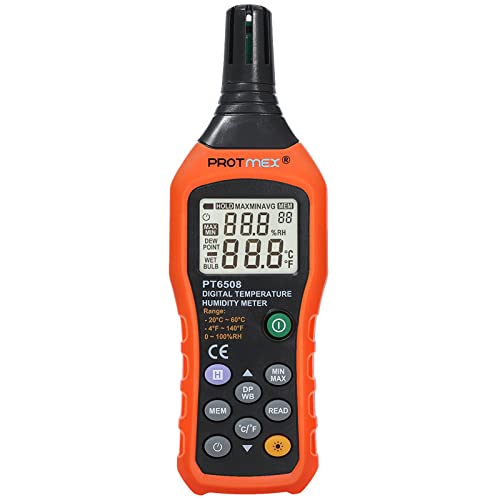
Humidity control is central to preventing Fusarium growth indoors. The EPA recommends keeping indoor relative humidity below 60%, with 30-50% considered the optimal range for inhibiting most mold species. If your basement or crawlspace consistently exceeds 60% relative humidity, you are at higher risk for Fusarium colonization and zearalenone production. Learn more about managing moisture in our guide to mold prevention strategies.
Health Effects of Zearalenone Exposure
Because zearalenone acts as a synthetic estrogen in the body, its health effects span several organ systems. The following sections outline the primary areas of concern. This information is educational only. If you suspect mycotoxin exposure is affecting your health, consult a licensed physician with experience in environmental medicine.
Reproductive and Hormonal System
Zearalenone’s most documented effect is on hormonal balance. It produces what are called hyperestrogenic syndromes, meaning the body behaves as though it has received excess estrogen stimulation. Reported associations include:
- Precocious (early) puberty in children
- Menstrual irregularities and severe premenstrual syndrome
- Infertility in both males and females
- Low testosterone (hypoandrogenism) in men
- Osteoporosis related to hormonal disruption
The impact on children is particularly notable. Zearalenone is globally recognized as a contributor to altered puberty timing in exposed pediatric populations, which makes source identification and remediation especially urgent in homes with children.
Cardiovascular Effects
Zearalenone can slow heart rate and decrease the contractile strength of the heart muscle. This mechanism is distinct from the more commonly discussed respiratory effects of other mycotoxins. Symptoms associated with cardiovascular involvement include:
- Slow heart rate or palpitations
- Heart block
- Postural orthostatic tachycardia syndrome (POTS)
- Fainting or near-fainting episodes
- Shortness of breath, with or without chest pain
- Dizziness and vertigo
Liver and Immune System
Zearalenone is toxic to liver tissue and to the immune glands responsible for producing immune cells. This can result in broader immune suppression, leaving the body more vulnerable to secondary infections. Clinically observed associations include frequent respiratory infections, pneumonia, reactivation of dormant viral infections such as Epstein-Barr virus (EBV), and increased susceptibility to fungal nail infections and Clostridioides difficile gastrointestinal infections.
Other Reported Symptoms
Additional symptoms reported in association with zearalenone exposure include acne, central weight gain, fatigue, edema (swelling), sinusitis, ear ringing (tinnitus), and changes in blood parameters. Zearalenone is also classified as genotoxic, meaning it has the potential to interact with genetic material, though clinical implications for any individual require evaluation by a qualified medical professional.
Body Systems Affected: At a Glance
| Body System | Noted Effect |
|---|---|
| Reproductive / Hormonal | Hyperestrogenic syndromes, infertility, altered puberty |
| Cardiovascular | Slowed heart rate, reduced contractile strength, POTS |
| Liver | Direct hepatotoxicity |
| Immune System | Immune suppression, increased infection susceptibility |
| Blood | Altered blood parameters |
| Genetic Material | Genotoxic activity |
Testing for Zearalenone
Testing for zearalenone falls into two main categories: environmental testing of your home or building, and clinical testing of the human body. Both approaches have distinct roles.
Environmental Testing
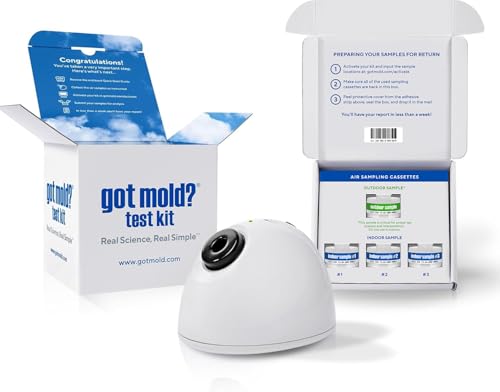
To detect zearalenone in your home, mycotoxin testing of air, dust, or surface samples is required. Standard mold spore counts from air sampling will identify Fusarium mold presence but will not quantify mycotoxin levels directly. For mycotoxin-specific results, collected dust or surface samples are sent to a certified laboratory for analysis using methods such as ELISA or mass spectrometry.
A certified mold inspector credentialed through the IICRC (Institute of Inspection, Cleaning and Restoration Certification) or a similar professional organization is the recommended starting point. They can determine which sampling protocol is appropriate for your situation. Costs for professional mold inspections typically range from $300 to $700, while laboratory mycotoxin panel testing can add $200 to $500 or more depending on the number of toxins tested and the laboratory used.
For more detail on how environmental testing works, visit our mold testing resource center.
Clinical / Human Testing
Physicians specializing in environmental or functional medicine may order urine mycotoxin panels to evaluate whether a patient has been exposed to zearalenone and is excreting it. These tests are offered by specialty labs and are not part of standard medical workups. Results should always be interpreted by a qualified clinician in the context of the patient’s full medical history, living environment, and symptom picture.
What to Do If Zearalenone Is Found
Finding zearalenone in your home requires a methodical response. The source mold must be identified and fully remediated before any meaningful reduction in ongoing exposure can occur. Mycotoxins can persist in building materials and settled dust long after visible mold growth is removed, which makes professional remediation important.
For affected areas larger than 10 square feet, the EPA recommends hiring a professional remediator rather than attempting cleanup yourself. The mold removal section of this site covers remediation standards, containment procedures, and how to choose a qualified contractor. After remediation, post-clearance testing is strongly advisable to confirm that mycotoxin levels have been reduced to acceptable levels.
You should also address any ongoing moisture issues that allowed Fusarium to establish in the first place. HVAC systems and humidifiers should be inspected, cleaned, and if necessary replaced. CPAP machines should be cleaned regularly per manufacturer instructions, with particular attention to the water reservoir. Read our article on crawlspace moisture control for practical steps on one of the most common source locations.
If you or a family member are experiencing symptoms consistent with zearalenone exposure, consult a physician before, during, and after any remediation work. Symptom improvement often takes time even after the environmental source is removed. For a broader overview of mycotoxin health concerns, our mycotoxin health effects resource covers the major toxin families found in water-damaged buildings.
Frequently Asked Questions
What mold produces zearalenone indoors?
Zearalenone is produced primarily by Fusarium species. These molds can appear white and dusty at early growth stages and may shift to tan, pink, light purple, or brown colors depending on the species and the material they are growing on. They are commonly found in basements, crawlspaces, HVAC ductwork, humidifiers, and CPAP machines.
Why is zearalenone considered an endocrine disruptor?
Zearalenone binds to human estrogen receptors, mimicking the effects of estrogen in the body. This can lead to a range of hormonal disturbances, including hyperestrogenic syndromes, altered puberty timing in children, infertility, and low testosterone in males. Its effects on the endocrine system are documented across multiple research contexts and are recognized internationally.
Is zearalenone only a concern for women?
No. While zearalenone’s estrogenic activity is often discussed in the context of female health, it significantly impacts male reproductive health as well. Exposure has been associated with effects on testicular function and germ cells, hypoandrogenism (low androgen levels), and infertility in males. Children of all sexes are also considered a vulnerable population due to the effects on puberty timing.
How do I test my home for zearalenone specifically?
Standard air sampling for mold spores can identify Fusarium mold presence but will not measure mycotoxin concentrations. To specifically test for zearalenone, dust or surface samples collected by a certified inspector are sent to a laboratory for mycotoxin panel analysis. This typically adds $200 to $500 to the cost of a standard mold inspection. Look for inspectors credentialed by the IICRC or equivalent professional organizations.
Can zearalenone remain in a home after mold is removed?
Yes. Mycotoxins including zearalenone can persist in building materials, settled dust, and porous surfaces after visible mold growth has been remediated. This is one of the primary reasons post-clearance testing is recommended following professional remediation. Thorough cleaning of soft furnishings, ductwork, and HVAC components is also important to reduce residual mycotoxin burden in the indoor environment.
These statements have not been evaluated by the Food and Drug Administration. This information is not intended to diagnose, treat, cure, or prevent any disease. Content is for informational purposes only and is not medical advice; consult a qualified healthcare provider before starting any supplement. As an Amazon Associate we earn from qualifying purchases.