Our Pick
See it on Amazon ›
Our pick for best mid-range smart air purifier
The Levoit Core 600S-P is AHAM VERIFIDE at 391 CFM for rooms up to 2,933 sq ft, with a 3-stage filter and an auto mode that raises fan speed when its own sensor reads a spike.
99.97% on 0.1 to 0.3 micron particles
As an Amazon Associate, we earn from qualifying purchases. Filtration captures airborne spores. It does not remove mold growing on a surface.
Key Indicators It’s Time for a Filter Change
Beyond the recommended timelines, your air purifier will often give you clues that its filters are nearing the end of their useful life. Paying attention to these signs can help you maintain optimal air quality and prolong the life of your unit.- Reduced Airflow: If you notice the fan running but less air coming out, it’s a strong indicator that the filters are clogged and restricting airflow. This means the purifier is working harder and less effectively.
- Increased Noise: A clogged filter can put a strain on the air purifier’s motor, causing it to work harder and produce more noise than usual.
- Persistent Odors: If you’ve been running your air purifier to combat musty mold odors and they return or persist, it’s a clear sign that your Activated Carbon Pre-Filter is saturated and needs replacement.
- Visible Dirt and Discoloration: While you shouldn’t be able to see through a HEPA filter, you might notice discoloration or a buildup of dust and debris on the surface of your filters, especially the pre-filter. A heavily discolored HEPA filter is definitely ready for replacement.
- “Change Filter” Indicator Light: Many modern air purifiers come equipped with a filter change indicator light. While these are often timed based on usage, they serve as a good reminder to check your filters. However, after mold cleanup, it’s best to rely more on the physical indicators and accelerated timelines rather than solely on the light.
Best Practices for Filter Replacement After Mold Cleanup
- Wear Protective Gear: When handling old filters, especially after mold cleanup, wear gloves and a mask to avoid inhaling captured spores or direct skin contact.
- Seal and Dispose Properly: Immediately place used filters into a sealed plastic bag before disposing of them in your outdoor trash to prevent re-releasing contaminants into your home.
- Clean the Unit: While changing filters, take the opportunity to gently wipe down the interior and exterior of your air purifier with a damp cloth to remove any accumulated dust or debris.
- Document Replacement Dates: Keep a record of when you change your filters. This helps you track their lifespan and anticipate future replacements.
- Consider Running Air Purifiers Continuously: For at least several weeks or even months after mold cleanup, consider running your air purifiers continuously, especially in affected areas, to ensure maximum air scrubbing.
- Purchase Genuine Replacements: Always use genuine or high-quality third-party replacement filters recommended by the air purifier manufacturer to ensure proper fit and performance. You can check current pricing on Amazon for both Replacement True HEPA Filter and Activated Carbon Pre-Filter.
Frequently Asked Questions
Can I clean and reuse my HEPA filter after mold cleanup?
No, true HEPA filters are not designed to be cleaned or washed. Attempting to clean them will damage the delicate filtration media, compromising their effectiveness. After mold cleanup, a HEPA filter will be heavily loaded with spores, and it’s crucial to replace it with a new one to ensure continued air quality.How often should I check my filters after mold remediation?
It’s advisable to visually check your Activated Carbon Pre-Filter at least once a month after mold cleanup, and your Replacement True HEPA Filter every 1-2 months. This allows you to monitor their condition and replace them proactively based on the accelerated timelines and visual indicators.Will replacing my filters eliminate all mold spores from my home?
While replacing filters in your air purifier significantly reduces airborne mold spores, it’s not a standalone solution for mold. Proper mold remediation involves identifying and eliminating the moisture source, removing contaminated materials, and thoroughly cleaning affected areas. Air purifiers with new filters are an excellent supplementary tool for improving air quality post-cleanup, but they cannot remove mold that has grown on surfaces or within building materials.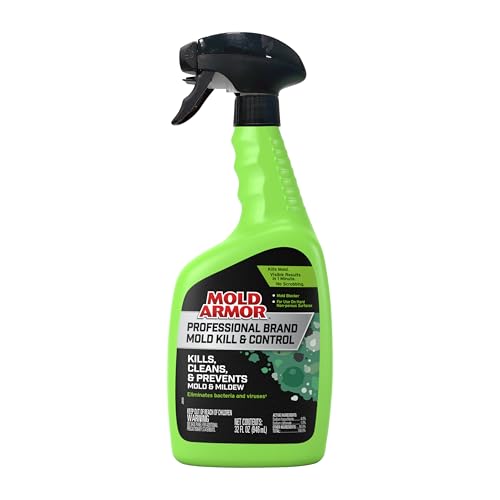
What happens if I don’t replace my HEPA filter after mold cleanup?
If you don’t replace your HEPA filter after mold cleanup, its effectiveness will diminish significantly. A clogged filter cannot capture new airborne spores efficiently, leading to reduced air purification and potentially allowing spores to recirculate. This can contribute to lingering odors and a less healthy indoor environment, and in extreme cases, a heavily saturated filter could potentially become a source of re-contamination if not properly disposed of.Cons of the Activated Carbon Pre-Filter
- Shorter Lifespan: Requires more frequent replacement compared to HEPA filters, especially in high-odor environments.
- Limited Particle Capture: Not designed to capture microscopic particles like mold spores, relying on the HEPA filter for that task.
- Can Become Saturated: Once the carbon is saturated, it loses its ability to absorb odors and can even release trapped odors back into the air.
These statements have not been evaluated by the Food and Drug Administration. This information is not intended to diagnose, treat, cure, or prevent any disease. Content is for informational purposes only and is not medical advice; consult a qualified healthcare provider before starting any supplement. As an Amazon Associate we earn from qualifying purchases.
