Our Pick
See it on Amazon ›
Our pick for best mid-range smart air purifier
The Levoit Core 600S-P is AHAM VERIFIDE at 391 CFM for rooms up to 2,933 sq ft, with a 3-stage filter and an auto mode that raises fan speed when its own sensor reads a spike.
99.97% on 0.1 to 0.3 micron particles
As an Amazon Associate, we earn from qualifying purchases. Filtration captures airborne spores. It does not remove mold growing on a surface.
MoldActionPlan is reader-supported. We may earn a commission from qualifying purchases made through links on this page, at no extra cost to you. This is educational information, not professional or medical advice.
Excess humidity is a silent enemy in many homes, creating the perfect breeding ground for mold. When faced with damp environments, homeowners often seek effective solutions to control moisture levels. Two popular contenders in this battle are DampRid Moisture Absorber and electric dehumidifiers. Understanding the strengths and limitations of each is crucial for making an informed decision, especially when the goal is to prevent or mitigate mold growth. This article examine into a detailed comparison of DampRid Moisture Absorber vs. electric dehumidifiers, examining their mechanisms, ideal use cases, pros, and cons. By the end, you’ll have a clearer picture of which solution is best suited for your specific humidity control needs, helping you maintain a drier, healthier living space.DampRid Moisture Absorber: Passive Humidity Control
What is DampRid Moisture Absorber?
DampRid Moisture Absorber is a passive humidity control product that utilizes calcium chloride crystals to draw excess moisture from the air. These crystals absorb airborne water vapor, dissolving into a brine solution that collects in a lower chamber of the unit. It operates without electricity, making it a convenient, set-it-and-forget-it option for specific situations. Various forms are available, including hanging bags, refillable tubs, and small containers designed for tight spaces.How Does DampRid Work?
The active ingredient, calcium chloride, is a hygroscopic salt, meaning it naturally attracts and holds water molecules from the surrounding atmosphere. As the crystals absorb moisture, they undergo a chemical reaction, transitioning from a solid to a liquid brine. This liquid then drips into a collection reservoir. The process continues until the crystals are fully dissolved or the surrounding air reaches a lower humidity level, at which point the absorption rate slows significantly.Who is DampRid Best For?
- Small, Enclosed Spaces: Ideal for areas with limited airflow where humidity can build up, such as closets, pantries, gun safes, and storage bins.
- RVs and Boats: Great for preventing mildew and musty odors in recreational vehicles and marine vessels during storage or periods of non-use.
- Seasonal Storage: Useful for protecting stored items like clothing, documents, and electronics in attics, basements, or garages where an electric dehumidifier isn’t practical.
- Temporary Solutions: Can offer a temporary fix for minor dampness issues in small areas before a more robust solution is implemented.
- Power Outages: Provides a non-electric option for humidity control during power outages or in locations without access to electricity.
Pros of DampRid Moisture Absorber
- No Electricity Required: Operates completely passively, making it perfect for remote locations, power outages, or areas without convenient outlets.
- Quiet Operation: Since there are no moving parts, DampRid Moisture Absorber is completely silent, which is a significant advantage in living spaces or bedrooms.
- Easy to Use: Simply unwrap and place it in the desired location. There’s no complex setup or programming.
- Portable: Its compact size and lack of power cords make it highly portable and easy to move between different small spaces.
- Cost-Effective for Small Areas: For very small, contained spaces, the initial and ongoing costs can be lower than running an electric dehumidifier. Check current pricing on Amazon.
- Prevents Musty Odors: By reducing humidity, it helps prevent the growth of mold and mildew, thereby eliminating associated musty smells.
Cons of DampRid Moisture Absorber
- Limited Capacity: DampRid Moisture Absorber has a finite absorption capacity. Once the crystals are dissolved, the unit needs to be replaced or refilled, which can be frequent in very damp environments.
- Not for Whole Rooms: It is ineffective for controlling humidity across an entire room, basement, or large open area. Its reach is limited to very close proximity.
- Slow Absorption Rate: The passive nature means it absorbs moisture much slower than an electric dehumidifier, making it unsuitable for rapid moisture removal.
- Ongoing Replacement Costs: While individual units may be inexpensive, the need for frequent replacement in damp conditions can lead to accumulating costs over time.
- No Set Humidity Control: It cannot be set to maintain a specific relative humidity level. It absorbs moisture until its capacity is met or the air naturally dries out.
- Potential for Spills: The collected brine solution can spill if the unit is knocked over, potentially causing damage or corrosion to surfaces.
Electric Basement Dehumidifier: Active, Room-Scale Humidity Control
What is an Electric Basement Dehumidifier?
An Electric Basement Dehumidifier is a powered appliance designed to actively remove significant amounts of moisture from the air in larger spaces. These units typically work by drawing in humid air over cold coils, condensing the moisture into liquid water, which then drips into a collection bucket or is drained continuously. The drier air is then expelled back into the room. They are available in various sizes, often rated by the number of pints of water they can remove per day.
How Does an Electric Dehumidifier Work?
Most electric dehumidifiers operate on a refrigeration principle. A fan draws humid air into the unit and over a set of refrigerated coils. As the warm, moist air comes into contact with these cold coils, the water vapor condenses into liquid droplets, much like condensation forming on a cold glass. This liquid water then falls into a removable collection bucket. The now-drier air is reheated slightly and then circulated back into the room. Many models include a humidistat, allowing users to set a target relative humidity level, and the unit will cycle on and off to maintain it. Some also offer continuous drain options, connecting a hose to a floor drain for hands-free operation.Who is an Electric Dehumidifier Best For?
- Basements and Crawl Spaces: These are notorious areas for high humidity and mold growth, making a dehumidifier an essential tool.
- Whole Rooms and Open Areas: Capable of effectively controlling humidity in living rooms, bedrooms, offices, and other large spaces.
- Laundry Rooms and Bathrooms (without adequate ventilation): Helps manage excess moisture generated by washing machines, dryers, and showers.
- Homes in Humid Climates: Essential for maintaining comfortable and healthy indoor humidity levels in regions with consistently high outdoor humidity.
- Water Damage Restoration: Crucial for drying out areas after leaks, floods, or other water-related incidents to prevent mold.
- Allergy and Asthma Sufferers: By reducing mold spores and dust mites (which thrive in humidity), a dehumidifier can improve indoor air quality.
Pros of Electric Basement Dehumidifiers
- High Capacity: Can remove a significant amount of moisture from the air daily (e.g., 30, 50, or 70 pints), making them highly effective for large, damp spaces.
- Whole-Room Control: Designed to regulate humidity across an entire room or basement, not just a small localized area.
- Precise Humidity Control: Most models feature a built-in humidistat, allowing you to set and maintain a specific target relative humidity level (e.g., 45-55% RH for optimal mold prevention).
- Continuous Drain Option: Many units can be set up with a hose for continuous drainage, eliminating the need to manually empty the water bucket.
- Faster Moisture Removal: Actively pulls moisture from the air at a much faster rate than passive absorbers, making it suitable for addressing existing dampness or post-water damage.
- Improved Air Quality: By controlling humidity, they help reduce allergens like mold spores and dust mites, contributing to a healthier indoor environment.
Cons of Electric Basement Dehumidifiers
- Requires Electricity: Needs a continuous power supply to operate, limiting placement and increasing energy consumption.
- Noise: Dehumidifiers produce some operational noise due to the fan and compressor, which can be a concern in quiet living areas.
- Higher Initial Cost: The upfront investment for an Electric Basement Dehumidifier is significantly higher than a DampRid Moisture Absorber. Check current pricing on Amazon.
- Maintenance: Requires periodic cleaning of air filters and the water bucket to maintain efficiency and prevent mold growth within the unit itself.
- Manual Water Emptying (if no continuous drain): If not set up for continuous drainage, the water bucket needs to be emptied regularly, which can be inconvenient.
- Heat Output: As a byproduct of their operation, dehumidifiers generate a small amount of heat, which can slightly increase room temperature.
DampRid vs Dehumidifier for Mold: Which Controls Humidity Better?
When it comes to the ultimate goal of controlling humidity to prevent mold, the Electric Basement Dehumidifier is the clear winner for whole rooms and larger spaces. Its active, powerful moisture removal capabilities, combined with the ability to set and maintain a target relative humidity, make it far superior for comprehensive mold prevention. Mold thrives when relative humidity consistently exceeds 60%, and an electric dehumidifier can reliably keep levels below this threshold. DampRid Moisture Absorber, while useful, is a niche product. It excels at mitigating moisture in very small, enclosed, low-airflow areas where a dehumidifier would be overkill or impractical. Think of it as a spot treatment for dampness, whereas an electric dehumidifier is a comprehensive environmental control system. For persistent or widespread humidity issues that could lead to mold, investing in a properly sized Electric Basement Dehumidifier is the more effective and reliable solution. DampRid serves as an excellent supplementary tool for specific damp spots or temporary needs, but it cannot replace the robust performance of a powered dehumidifier for room-scale humidity control.Frequently Asked Questions
Can DampRid really prevent mold?
DampRid Moisture Absorber can help prevent mold growth in very small, enclosed spaces by reducing humidity levels in those specific areas. However, its capacity is limited, and it is not effective for preventing mold across an entire room or basement. For larger spaces, a more powerful solution like an electric dehumidifier is needed.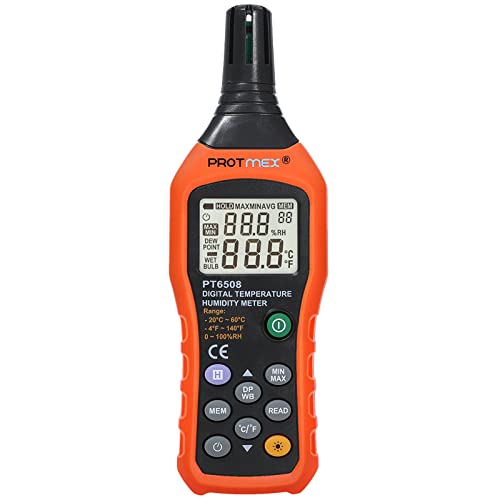
How often do I need to replace DampRid?
The frequency of replacing DampRid Moisture Absorber depends on the humidity levels in the area and the size of the unit. In very damp conditions, a unit might last only a few weeks, while in less humid environments, it could last for several months. You’ll know it’s time to replace when all the crystals have dissolved and the collection chamber is full of liquid.Is it safe to run a dehumidifier all the time?
Yes, it is generally safe to run an Electric Basement Dehumidifier continuously, especially if it has a humidistat that allows it to cycle on and off to maintain a set humidity level. Many homeowners in humid climates or with damp basements run their dehumidifiers 24/7 during certain seasons to keep humidity under control and prevent mold. Regular maintenance, such as cleaning the filter and emptying the water bucket (if not using continuous drain), is important for safe and efficient operation.What is the ideal humidity level for a home to prevent mold?
To effectively prevent mold growth, it’s recommended to maintain indoor relative humidity levels between 30% and 50%, ideally closer to 45%. Mold spores begin to thrive when humidity consistently rises above 60%. An Electric Basement Dehumidifier with a humidistat can help you achieve and maintain these optimal levels.Can I use both DampRid and a dehumidifier together?
Yes, you can use both DampRid Moisture Absorber and an Electric Basement Dehumidifier in your home, but they serve different purposes. The dehumidifier should be the primary tool for controlling humidity in larger rooms or basements. DampRid can be used as a supplementary solution in very specific, small, enclosed areas like closets, gun safes, or storage bins that might not be directly affected by the dehumidifier’s reach.These statements have not been evaluated by the Food and Drug Administration. This information is not intended to diagnose, treat, cure, or prevent any disease. Content is for informational purposes only and is not medical advice; consult a qualified healthcare provider before starting any supplement. As an Amazon Associate we earn from qualifying purchases.
