How to Find Hidden Mold in Your Home
Disclosure: As an Amazon Associate, I earn from qualifying purchases. This article contains affiliate links. If you buy something through these links, I may earn a small commission at no extra cost to you.
TL;DR: How to Find Hidden Mold in 3 Steps
If you smell a musty odor but see nothing, hidden mold is likely growing behind walls, under flooring, or inside HVAC ducts. Here is the short version:
- Follow your nose. The strongest musty smell points to the problem area. Check near bathrooms, kitchens, basements, and around windows.
- Use a moisture meter. A pinless moisture meter lets you scan walls and floors for elevated moisture without damaging surfaces. Readings above 16 percent indicate a problem.
- Look inside with a borescope. Drill a small pilot hole and insert an inspection camera to see mold growth directly. If you find visible mold, collect a sample with a test kit and send it to a lab for identification.
Hidden mold is almost always caused by a moisture source you cannot see. Fix the leak or humidity problem first, or the mold will return after cleanup.
What You Will Need
Before you start searching, gather the right tools. Using the wrong equipment wastes time and can expose you to harmful spores.
Personal Protective Equipment (PPE)
- N95 respirator or better. A basic dust mask is not enough. Mold spores are small enough to pass through cheap masks. Use an N95, N100, or P100 respirator.
- Safety goggles. Protect your eyes from airborne spores and cleaning chemicals.
- Disposable gloves. Nitrile gloves work well. Avoid touching mold with bare skin.
- Disposable coveralls (optional). Useful if you are working in a heavily contaminated area like a crawlspace or basement.
Detection Tools
| Product | Best For | Key Feature | Approx. Price |
|---|---|---|---|
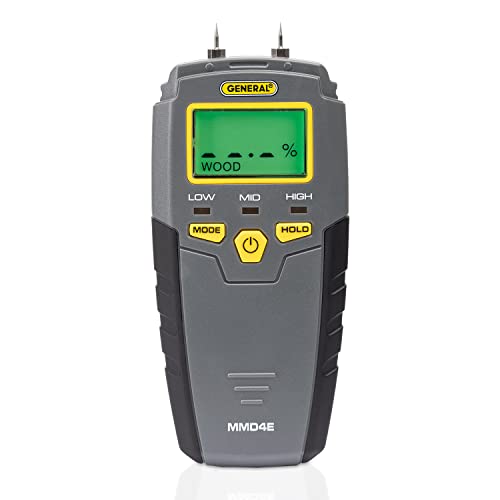
| General Tools MMD4E Pinless Moisture Meter | Scanning walls and floors for hidden moisture | Pinless sensor, no surface damage, 0-50% range | $35-$45 |
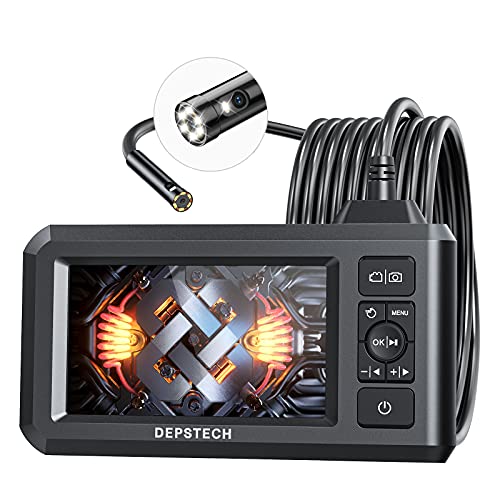
| DEPSTECH Dual Lens Borescope | Looking inside wall cavities and tight spaces | Dual camera, 8.5mm head, 16.5ft semi-rigid cable | $25-$35 |
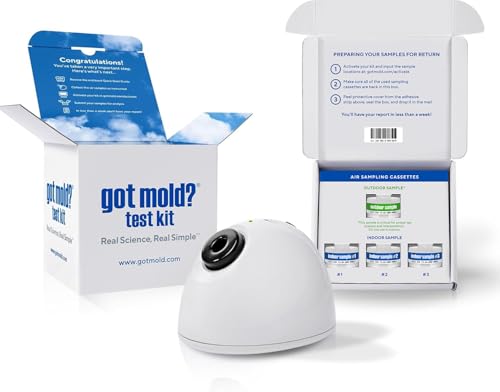
| PRO-LAB Mold Test Kit (MO109) | Lab analysis of mold samples | Includes lab analysis for mold, pollen, dust mites | $10-$15 |
| Mold Armor FG500 Do It Yourself Mold Test Kit | Quick presence/absence screening | Settling plate method, results in 48 hours | $10-$12 |
| RMR-86 Instant Mold Stain Remover | Removing visible mold stains after discovery | Fast-acting formula, works in 15 seconds | $20-$25 |
Prices are approximate and may vary by seller and date. Check the current price on Amazon before ordering.
Step-by-Step: How to Find Hidden Mold
Step 1: Do a Sensory Inspection
Start with your senses. Walk through every room and note where the musty smell is strongest. Pay special attention to bathrooms, laundry rooms, kitchens (under sinks and behind the dishwasher), basements, crawlspaces, attics, around windows, behind furniture against exterior walls, and closets on exterior walls. Look for peeling paint, bubbling wallpaper, dark stains, white powdery deposits on concrete (efflorescence), or warped baseboards. These are signs that moisture has been present long enough to support mold growth.
Step 2: Check for Moisture Sources
Mold needs moisture, a food source (wood, drywall, dust), and temperatures between 40 and 100 degrees Fahrenheit. Since you cannot remove the food or control the temperature inside your walls, you must find and fix the moisture. Common hidden moisture sources include slow plumbing leaks, condensation on cold water pipes, roof leaks, poorly sealed windows, high indoor humidity (above 60 percent), clogged gutters, and cracked caulk around tubs or sinks.
Step 3: Use a Moisture Meter to Scan Suspect Areas
A pinless moisture meter like the General Tools MMD4E is your best tool for non-destructive scanning. It uses electromagnetic sensors to detect moisture content through drywall, tile, and wood without leaving a mark.
- Turn the meter on and set it to the correct material mode (drywall, wood, or tile).
- Press the sensor flat against the surface and slide it slowly across the wall in a grid pattern.
- Readings above 16 percent on wood or drywall indicate elevated moisture. Mark hot spots with painter’s tape.
- Normal drywall reads 6-12 percent. Above 20 percent means the material is saturated and must be opened up immediately.
Step 4: Inspect Inside Wall Cavities with a Borescope
When your moisture meter identifies a hot spot, use a borescope like the DEPSTECH Dual Lens to look inside the wall through a small hole.
- Drill a 3/8-inch to 1/2-inch pilot hole in the marked area at a slight upward angle to avoid wiring or plumbing.
- Insert the borescope camera and rotate it to inspect the cavity.
- Look for black (Stachybotrys), green or gray (Aspergillus, Penicillium), white (may be mold or efflorescence), or orange/pink growth (bacteria or yeast).
- Seal the hole with spackle or tape after inspection.
Step 5: Test for Mold with a Lab-Analyzed Kit
If you see suspicious growth, use a mold test kit like the PRO-LAB Mold Test Kit (MO109) for lab identification. Wear PPE, collect a sample with the swab or tape lift method, seal it, and mail it. The lab report will tell you the mold species and concentration, helping you decide whether to clean it yourself or call a professional. Stachybotrys and large Aspergillus colonies usually require professional remediation.
Step 6: Check HVAC Systems and Ductwork
Hidden mold often grows inside HVAC systems. Look for a musty smell when the system runs, visible mold around vents or on evaporator coils, condensation on ductwork, or worsening allergy symptoms indoors. Remove a vent cover and use your borescope to look inside. Check the drip pan for standing water. If you find mold in the HVAC system, do not run the system and call a professional.
Tips for Stubborn Cases
Mold Behind Tile and Shower Walls
Grout is porous and allows moisture to seep behind tile. If your moisture meter shows high readings on tile walls, the only reliable fix is to remove the affected tile, replace the water-damaged backer board, and re-tile with proper waterproofing.
Mold Under Laminate or Hardwood Flooring
Flooring mold is common after leaks or high humidity. Look for buckling, cupping, or dark stains between planks. Remove the flooring, dry the subfloor, and treat with an antimicrobial solution before reinstalling.
Mold in Crawlspaces and Basements
These spaces are naturally damp. Lay a vapor barrier (6-mil polyethylene) in crawlspaces. In basements, check behind paneling and insulation. Use a dehumidifier set to 50 percent relative humidity.
Mold Inside Wall-Mounted Electronics
In humid climates, mold can grow inside wall-mounted TVs, thermostats, and outlet boxes. Condensation forms when the electronics cool at night. If you smell mold near a device, unplug it and inspect the wall cavity behind it with your borescope.
What NOT to Do
Do Not Use Bleach on Porous Surfaces
Bleach kills surface mold on non-porous surfaces but leaves moisture in drywall, wood, and carpet, allowing regrowth. Use a dedicated mold cleaner like RMR-86 or white vinegar for porous surfaces.
Do Not Paint Over Mold
Painting over mold is temporary. Mold will grow under the paint and cause it to bubble and peel within months. Remove the mold completely before painting.
Do Not Ignore Small Leaks
A dripping pipe can saturate cabinets, subfloor, and walls over time. Fix every leak immediately, no matter how small.
Do Not Disturb Mold Without Containment
If you find a large area (more than 10 square feet), do not scrape or drill without proper containment. Seal the area with plastic sheeting, use negative air pressure with a HEPA fan, and wear full PPE. For large infestations, hire a certified professional.
Do Not Rely on Air Purifiers Alone
HEPA air purifiers capture airborne spores but cannot remove mold growing on surfaces. Find and remove the source of mold and fix the moisture problem.
Do Not Use Ozone Generators in Occupied Spaces
Ozone is a lung irritant and does not effectively kill mold on surfaces. The EPA and American Lung Association advise against using ozone generators in occupied homes.
Prevention
Control Humidity
Keep indoor relative humidity between 30 and 50 percent. Use a hygrometer. In humid climates, a whole-house dehumidifier is best. For single rooms, a portable dehumidifier works well. Empty the reservoir regularly or connect to a drain.
Fix Leaks Immediately
Inspect under sinks, behind toilets, around water heaters, and near washing machines monthly. Fix any drips the same day.
Improve Ventilation
Run bathroom exhaust fans during and 20 minutes after showers. Use kitchen exhaust fans when cooking. Make sure dryer vents exhaust outside. Open windows when weather permits.
Maintain Gutters and Downspouts
Clean gutters twice a year. Direct downspouts at least 6 feet away from the foundation to prevent basement mold.
Use Mold-Resistant Materials During Renovation
Use mold-resistant drywall (purple board or paperless drywall) in bathrooms, basements, and kitchens. Use mold-resistant primer and paint. Install a vapor barrier in crawlspaces.
Monitor with a Moisture Meter
After fixing a moisture problem, check the area weekly with your moisture meter for the first month, then monthly for three months. Readings should stay below 16 percent.
Frequently Asked Questions
Can mold grow behind drywall without a visible leak?
Yes. High indoor humidity above 60 percent can cause moisture to condense inside wall cavities, especially on exterior walls in cold weather. This condensation provides enough moisture for mold to grow even without a plumbing leak. This is called condensation-driven mold growth and is common in poorly insulated homes.
How do I know if mold is making me sick?
Common symptoms of mold exposure include nasal congestion, sneezing, coughing, wheezing, eye irritation, and skin rashes. People with asthma or allergies are more sensitive. If your symptoms improve when you leave the house for several hours and return when you come back, mold in the home is a likely cause. See a doctor for a proper diagnosis.
Do home mold test kits give accurate results?
Lab-analyzed kits like the PRO-LAB Mold Test Kit are accurate for identifying the presence and species of mold in a specific sample. However, they cannot tell you the total mold spore count in your indoor air or pinpoint the exact location of hidden mold. Use them to confirm what you found with your moisture meter and borescope, not as a standalone diagnostic tool.
Should I hire a professional or do it myself?
You can handle small areas less than 10 square feet yourself with proper PPE and containment. For larger areas, mold in HVAC systems, suspected toxic black mold (Stachybotrys), or mold in homes with immunocompromised residents, hire a certified mold remediation professional. Look for certifications from the IICRC or the ACAC.

How long does it take for mold to grow after a leak?
Mold can begin to grow within 24 to 48 hours of moisture exposure. Visible colonies typically appear within 3 to 12 days, depending on temperature, humidity, and the type of surface. This is why you must dry out water damage within 24 hours to prevent mold growth.

These statements have not been evaluated by the Food and Drug Administration. This information is not intended to diagnose, treat, cure, or prevent any disease. Content is for informational purposes only and is not medical advice; consult a qualified healthcare provider before starting any supplement. As an Amazon Associate we earn from qualifying purchases.