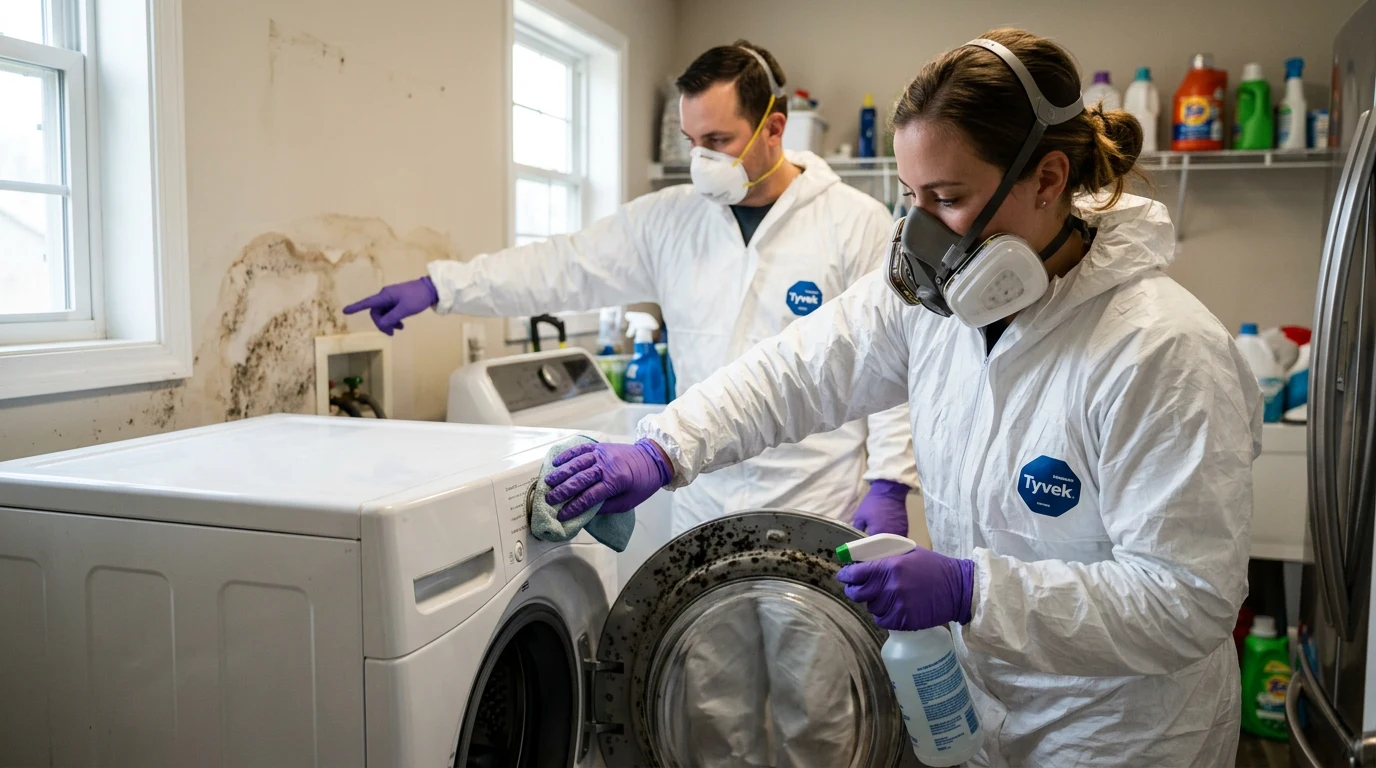
Your clothes come out of the wash smelling worse than they went in. You open the washer door and a stale, mildewy odor hits you. You pull back the rubber gasket on your front-loader and find black, slimy growth lurking in the folds. Washing machine mold is one of the most common household mold problems — and one of the most frustrating because the very appliance designed to clean your clothes is contaminating them instead.
The good news: washing machine mold is fixable. The better news: preventing it from coming back requires only a few habit changes. This guide covers why washing machines grow mold, how to clean every component, and how to ensure the problem does not return.
Why Washing Machines Grow Mold
A washing machine is essentially a warm, wet box that processes organic material (body oils, skin cells, food stains, detergent residue) multiple times per week. From mold’s perspective, it is an ideal habitat. Several design and usage factors make the problem worse:
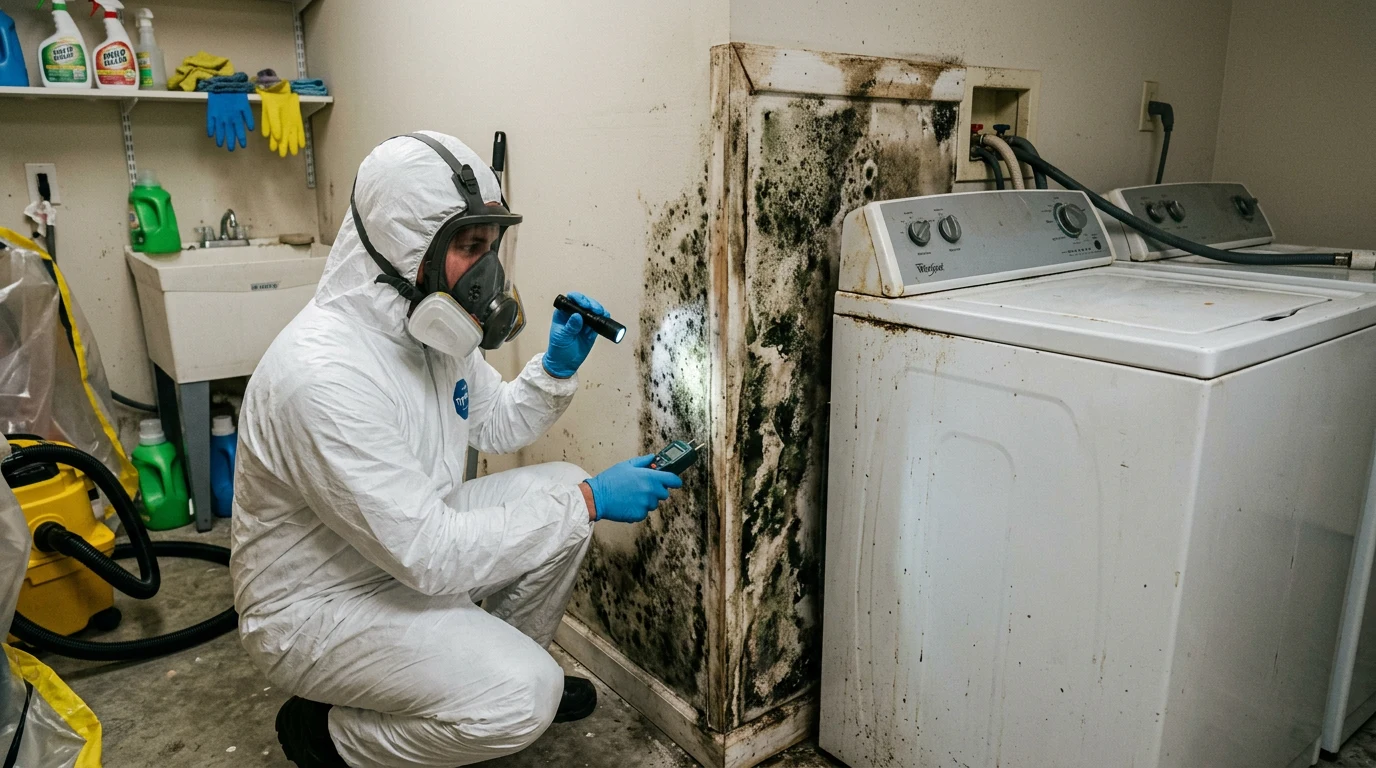
- Front-loader gasket design — the rubber door gasket (boot) on front-loading washers has deep folds that trap water after every cycle. This standing water never fully dries if the door stays closed, creating a permanently moist mold nursery
- Detergent buildup — excess liquid detergent and fabric softener leave a film on the drum, gasket, and dispenser tray. This biofilm feeds mold colonies
- Cold water washing — energy-efficient cold water cycles do not generate enough heat to inhibit mold growth. Water temperatures below 140 degrees Fahrenheit allow mold to survive on surfaces between cycles
- Closed door after use — shutting the washer door immediately after a cycle traps moisture inside. The sealed drum becomes a humid chamber that mold colonizes within 24 to 48 hours
- Infrequent use — vacation homes, guest laundry rooms, and secondary machines that sit idle for weeks develop mold faster than frequently used machines because moisture from the last cycle has unlimited time to foster growth
According to the EPA’s guide on mold and moisture, the key to mold prevention is moisture control — and that principle applies inside your washing machine just as much as in your walls and basement.
Signs You Have Washing Machine Mold
Not all washing machine mold is visible. Look for these indicators:
- Musty smell from the machine — a sour, stale odor when you open the door, even when the drum is empty
- Clothes smell musty after washing — the most telling sign. If freshly washed laundry smells damp, mildewed, or “off,” mold in the machine is transferring to your clothes
- Black spots on the gasket — pull back the rubber door seal and inspect the folds. Black, brown, or greenish spots or slimy residue indicate mold growth
- Dark residue inside the drum — look closely at the drum surface, especially near the door opening and at the back of the drum
- Discolored detergent dispenser — pull out the dispenser tray and check for slimy buildup or dark discoloration
- Skin irritation from laundered clothes — itching or rashes from clean clothes can indicate mold spores or mVOCs transferred during the wash cycle
How to Clean a Moldy Washing Machine: Step by Step
Step 1: Clean the Door Gasket
The gasket is ground zero for front-loader mold. Here is how to clean it thoroughly:
- Put on rubber gloves
- Pull back each fold of the gasket to expose hidden surfaces
- Mix a solution of 1 cup white distilled vinegar and 1 cup warm water in a spray bottle
- Spray the solution generously into all gasket folds and crevices
- Let it sit for 15 to 20 minutes to break down mold and biofilm
- Scrub with an old toothbrush or small cleaning brush, working into every fold and seam
- Wipe clean with a microfiber cloth
- For stubborn mold that vinegar does not remove, make a paste of baking soda and water, apply to the mold, let sit for 30 minutes, then scrub and rinse
- Dry the gasket thoroughly with a clean towel
If the gasket has extensive black staining that does not come clean after repeated treatment, the mold has penetrated the rubber material. Gasket replacement costs $100 to $250 for the part plus $150 to $200 for professional installation, or you can do it yourself with a YouTube tutorial and basic tools.
Step 2: Run a Hot Vinegar Cycle
With the gasket cleaned, run a full cleaning cycle for the drum and internal components:
- Pour 2 cups of white distilled vinegar directly into the drum (not the detergent dispenser)
- Set the machine to the hottest water setting available — ideally the sanitize or clean cycle if your machine has one. These cycles reach 150 to 170 degrees Fahrenheit
- Run the full cycle with no clothes or detergent
- The vinegar’s acetic acid kills mold on contact while the hot water dissolves detergent residue and biofilm throughout the system
Step 3: Run a Baking Soda Cycle
Immediately after the vinegar cycle:
- Add 1/2 cup of baking soda directly to the drum
- Run another hot cycle
- Baking soda neutralizes remaining vinegar, deodorizes, and provides mild abrasive cleaning action for residue the vinegar loosened
Step 4: Clean the Detergent Dispenser
Remove the detergent dispenser tray (most pull straight out or have a release tab). Soak it in a sink filled with hot water and 1 cup of vinegar for 30 minutes. Scrub all surfaces with a brush, paying attention to the fabric softener compartment where residue accumulates. Clean the dispenser housing inside the machine — use a long brush or bottle brush to reach the back. Rinse and dry before reinstalling.
Step 5: Clean the Filter and Drain
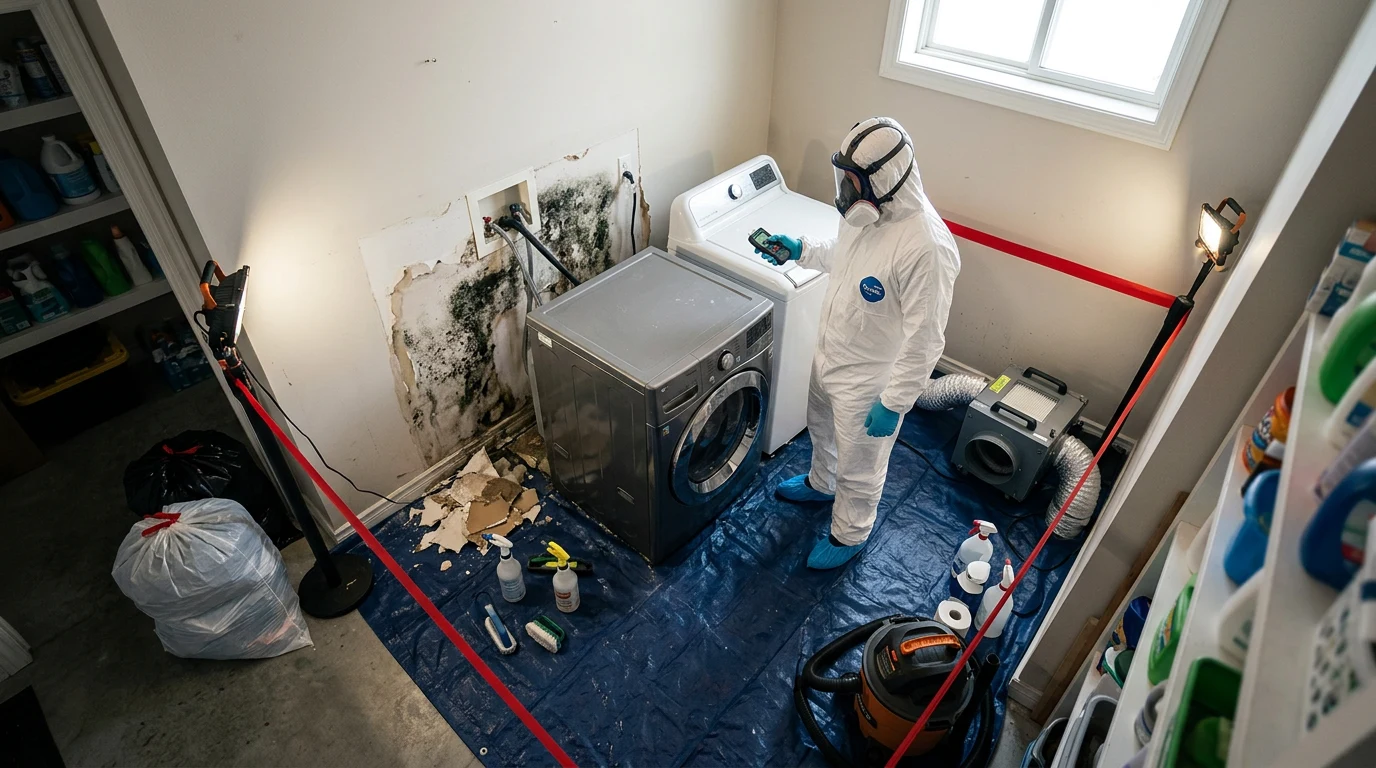
Most front-loading washers have a drain pump filter (usually behind a small access panel at the front bottom of the machine). Place towels on the floor, open the access panel, and slowly unscrew the filter cap. Water will drain out — sometimes a surprising amount. Remove the filter, clean off accumulated lint, coins, and debris, then scrub with vinegar. This filter is another hidden mold location. Clean it every 1 to 2 months.
Step 6: Wipe Down the Exterior
Wipe the door glass, control panel, and outer surfaces with a vinegar solution. Pay special attention to the door hinge area and the rim where the door meets the machine — moisture collects in these crevices.
Top-Loading Washers: Different Problem, Similar Solution
Top-loading washers are less prone to mold than front-loaders because gravity drains water more completely and the open-top design allows natural air circulation. However, they are not immune:
- Common mold locations — the rim around the top of the drum, under the agitator (if equipped), the fabric softener dispenser, and the drain hose connection
- Cleaning method — fill the drum with hot water, add 4 cups of white vinegar, let soak for 1 hour, then run a complete cycle. Follow with a baking soda cycle (1 cup in the drum, hot water, full cycle)
- Agitator cleaning — some top-loader agitators lift off for cleaning. Remove it and scrub the base and shaft where residue and mold accumulate
Prevention: 7 Habits That Stop Washing Machine Mold
Cleaning a moldy washer is a one-time fix. These ongoing habits prevent mold from returning:
1. Leave the Door Open After Every Cycle
This is the single most effective prevention measure. After removing laundry, leave the washer door open (front-loaders) or lid up (top-loaders) for at least 4 to 6 hours to allow the drum and gasket to dry completely. Mold cannot grow on dry surfaces. If pets or children make an open door a safety concern, crack it open just 2 to 3 inches rather than closing it fully.
2. Wipe the Gasket After Every Load
Keep a small towel near the washer. After removing clothes, spend 30 seconds wiping down the gasket folds to remove standing water. This habit alone prevents the majority of front-loader gasket mold.
3. Use the Right Amount of Detergent
More detergent does not mean cleaner clothes. Excess detergent leaves residue that feeds mold. High-efficiency (HE) washers require HE detergent — using regular detergent creates excessive suds and residue buildup. Follow the dosing lines on the cap, and for lightly soiled loads, use even less than the minimum line suggests.
4. Reduce or Eliminate Liquid Fabric Softener
Liquid fabric softener coats the drum, gasket, and dispenser with a waxy residue that is an ideal food source for mold. Switch to dryer sheets, wool dryer balls, or white vinegar (1/2 cup in the rinse cycle) as alternatives that do not leave residue.
5. Run a Monthly Maintenance Cycle
Once a month, run an empty hot cycle with 2 cups of white vinegar or a commercial washing machine cleaner tablet. This prevents biofilm and residue from accumulating to mold-supporting levels. Many modern washers have a dedicated “Clean Washer” cycle — use it.
6. Run a Hot Cycle Weekly
If most of your laundry uses cold water, run at least one hot water load per week (towels and sheets are good candidates). Water above 130 degrees Fahrenheit inhibits mold growth on internal surfaces. A machine that only ever runs cold cycles never gets hot enough to discourage mold colonization.
7. Remove Wet Clothes Promptly
Wet laundry left sitting in the drum for hours increases internal humidity and provides organic material for mold. Transfer clothes to the dryer or clothesline within 30 minutes of the cycle ending. If you frequently forget, use the delay-end feature to time the cycle completion to when you will be available.
When to Replace vs. Clean
In most cases, thorough cleaning restores a moldy washing machine. Consider replacement when:
- Mold odor persists after 3 cleaning cycles — mold may have colonized areas you cannot access (behind the drum, inside the pump, in the drain hose)
- The gasket is cracked, torn, or permanently stained — damaged gaskets cannot seal properly, and deep staining indicates mold has penetrated the rubber
- The machine is over 10 years old — repair costs for older machines approach the price of a new unit, and newer models have better mold-resistant designs
- Health symptoms persist — if household members continue experiencing mold exposure symptoms after cleaning, the machine may harbor inaccessible contamination
If purchasing a new machine, look for models with a drum-clean cycle, antimicrobial gasket treatment, and a vent fan that automatically dries the drum after each cycle (several manufacturers now include this feature).
Does Washing Machine Mold Affect Your Health?
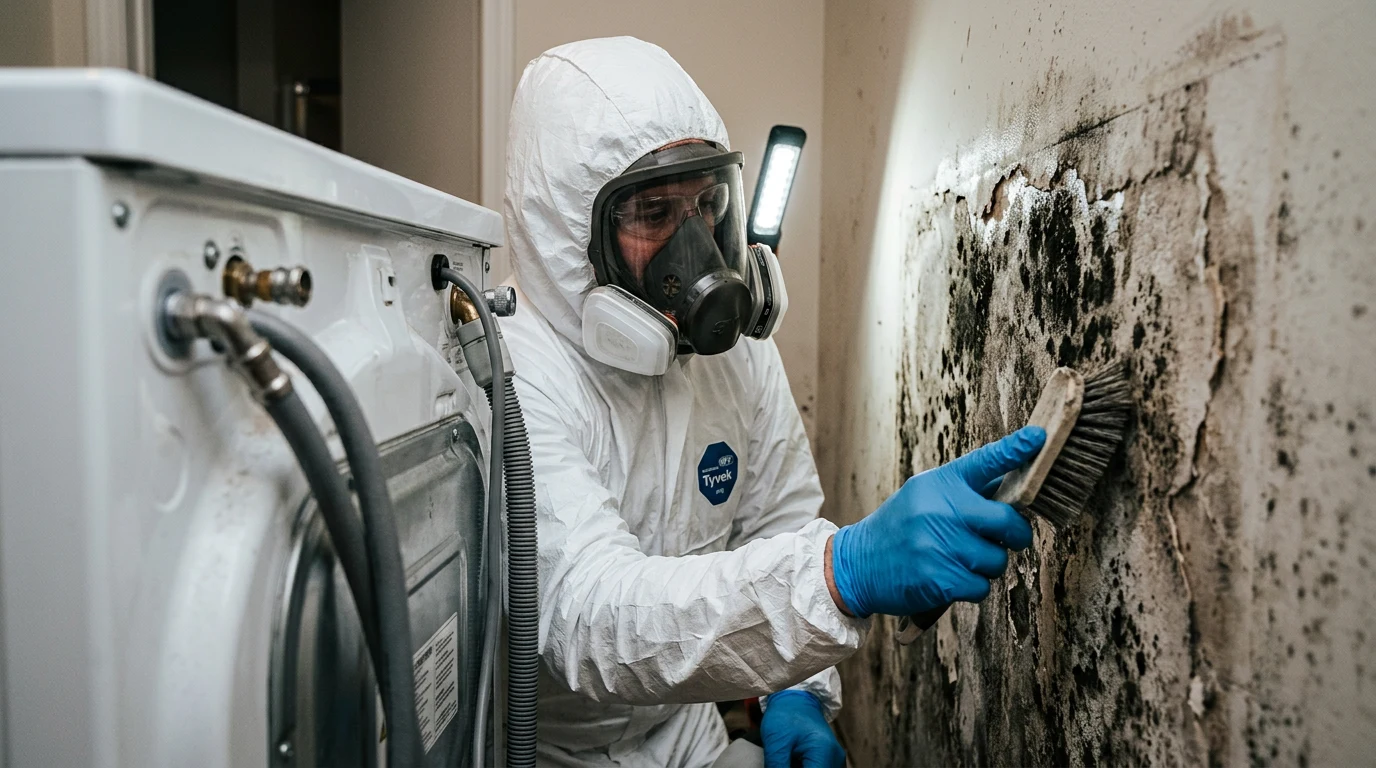
Yes. Mold growing inside your washing machine produces spores and mVOCs that become airborne when you open the door. These can trigger allergic reactions, worsen asthma, and cause the musty smell that transfers to clothes worn against your skin all day.
Mold spores and fragments on laundered clothing sit against your skin for hours, potentially causing contact dermatitis, itching, and rashes in sensitive individuals. People with existing mold allergies may experience flare-ups from wearing clothes washed in a contaminated machine without understanding the source.
If your laundry room is in the basement, washing machine mold compounds any existing basement mold problems. The combination of a moldy washer and a damp basement creates elevated spore counts that can affect the entire house through the stack effect.
Frequently Asked Questions
Can I use bleach instead of vinegar to clean washing machine mold?
You can, but vinegar is generally preferred for routine maintenance. Bleach kills surface mold effectively but does not dissolve the detergent residue and biofilm that feed mold colonies. Vinegar dissolves both mold and residue. If you use bleach, add 1 cup to an empty hot cycle. Never mix bleach and vinegar — the combination produces toxic chlorine gas. Learn more about vinegar versus bleach for mold removal.
Why does my front-loader smell worse than my old top-loader?
Front-loaders use less water (making them more efficient) but this means less water to rinse away detergent residue. The horizontal drum does not drain as completely as a vertical top-loader. The airtight door seal traps moisture when closed. And the rubber gasket creates folds that hold standing water. These design tradeoffs make front-loaders significantly more mold-prone than top-loaders.
How often should I clean my washing machine to prevent mold?
Run a hot vinegar or cleaning cycle monthly. Wipe the gasket after every load. Clean the detergent dispenser and drain filter every 1 to 2 months. If you live in a humid climate, use the machine frequently, or use cold water for most loads, increase the vinegar cycle to twice monthly.
Is the black stuff on my washer gasket definitely mold?
In most cases, yes. Black, slimy residue in the gasket folds of a washing machine is almost always mold (typically Cladosporium or Aspergillus species) growing on a layer of detergent residue and organic matter. The warm, wet, dark environment of the gasket fold is textbook mold habitat. Mineral deposits from hard water can also be dark but are typically hard and crusty rather than slimy.
Can washing machine mold spread to other parts of my house?
Yes. Mold spores from the washing machine become airborne when you open the door and when the machine agitates. These spores circulate through the laundry room and into connected spaces via air currents and HVAC ductwork. In a poorly ventilated laundry room, elevated humidity from the washer can also create conditions that support mold growth on surrounding walls and surfaces.
What causes mold to grow in my washing machine?
Mold thrives in damp, dark environments, and washing machines often retain moisture after cycles, especially in the gasket and detergent dispenser. Using too much detergent can also leave residue that feeds mold growth, contributing to the problem.
How can I tell if there’s mold in my washing machine?
A common sign of mold is a musty or mildewy smell emanating from the machine or your freshly washed laundry. You might also visually spot black, green, or pinkish slime or spots, particularly around the rubber gasket of front-loaders or in the detergent dispenser.
Is it safe to use bleach to clean mold from my washing machine?
Yes, bleach is an effective disinfectant for killing mold in washing machines, especially for non-porous surfaces like the drum and gasket. Run a hot water cycle with bleach in the dispenser, and use a diluted bleach solution to wipe down visible mold, ensuring good ventilation.
What are some natural alternatives to bleach for cleaning washing machine mold?
White vinegar is an excellent natural alternative, as its acidity can kill mold and neutralize odors. You can run an empty hot water cycle with two cups of white vinegar, and use a vinegar solution to wipe down affected areas.

Can mold in my washing machine affect my health or laundry?
Yes, mold can transfer to your clothes, potentially causing skin irritation or allergic reactions in sensitive individuals. It also imparts a persistent musty odor to your laundry, even after washing, indicating the need for thorough machine cleaning.
These statements have not been evaluated by the Food and Drug Administration. This information is not intended to diagnose, treat, cure, or prevent any disease. Content is for informational purposes only and is not medical advice; consult a qualified healthcare provider before starting any supplement. As an Amazon Associate we earn from qualifying purchases.