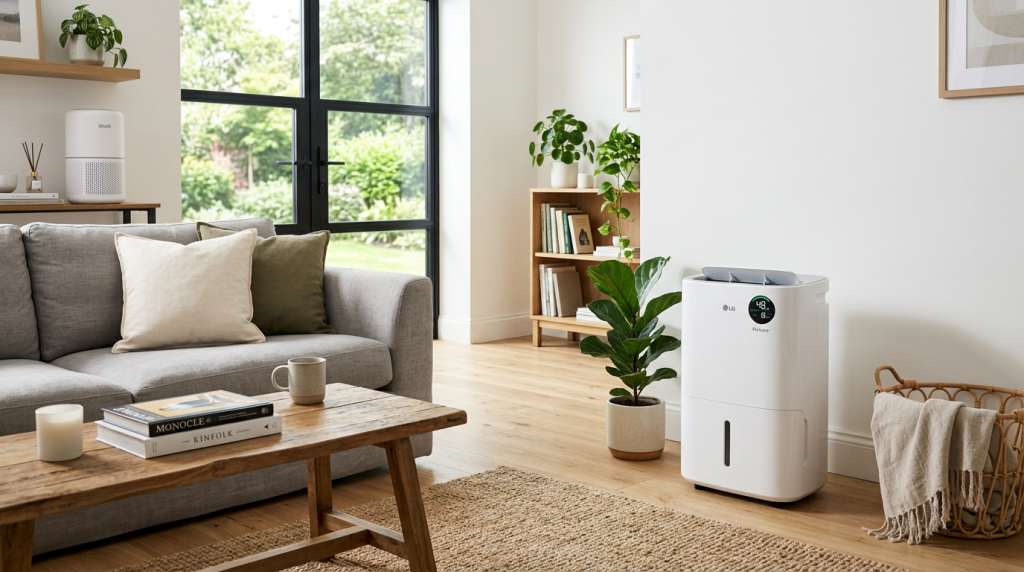
Does a Dehumidifier Help With Mold?
A dehumidifier prevents mold by holding humidity under 60 percent, but it cannot kill what is already growing. What it does and does not do.
Expert-reviewed air purifiers, dehumidifiers, test kits, and mold removal products.
A dehumidifier prevents mold by holding humidity under 60 percent, but it cannot kill what is already growing. What it does and does not do.
Concrobium wins on porous drywall, wood and fabric. Bleach suits sealed surfaces only and can worsen porous mold. Full head to head comparison.
Seven moisture meters compared for catching damp before mold starts, pin type and pinless. The specs that matter and the ones that do not.
Hydrogen peroxide is EPA-registered and kills mold on non porous surfaces with a 10 minute dwell. Where vinegar still fits, and how to use each.
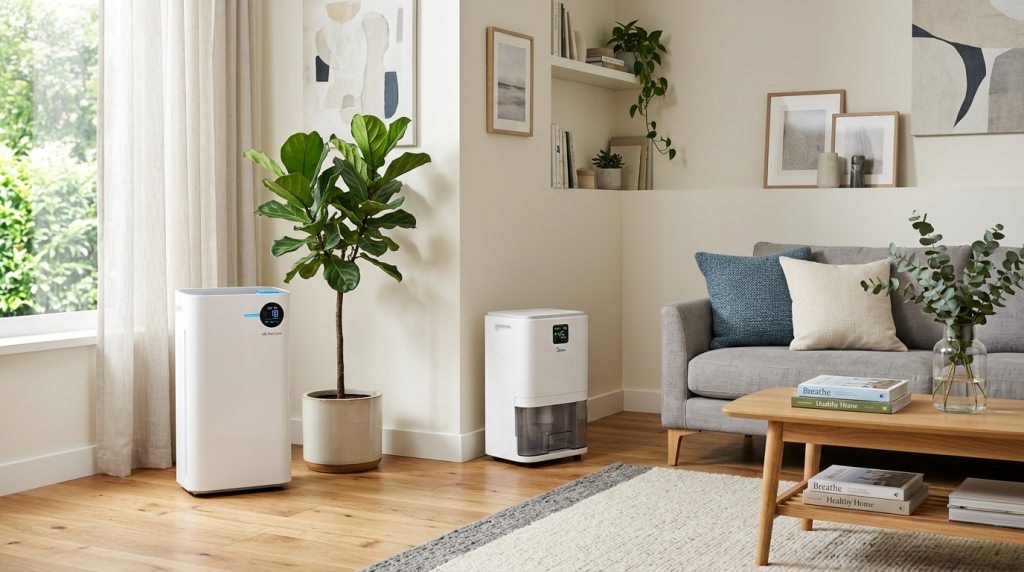
Borax wins on porous surfaces like wood and drywall, vinegar on light non porous spots. A side by side comparison plus the right method for each.
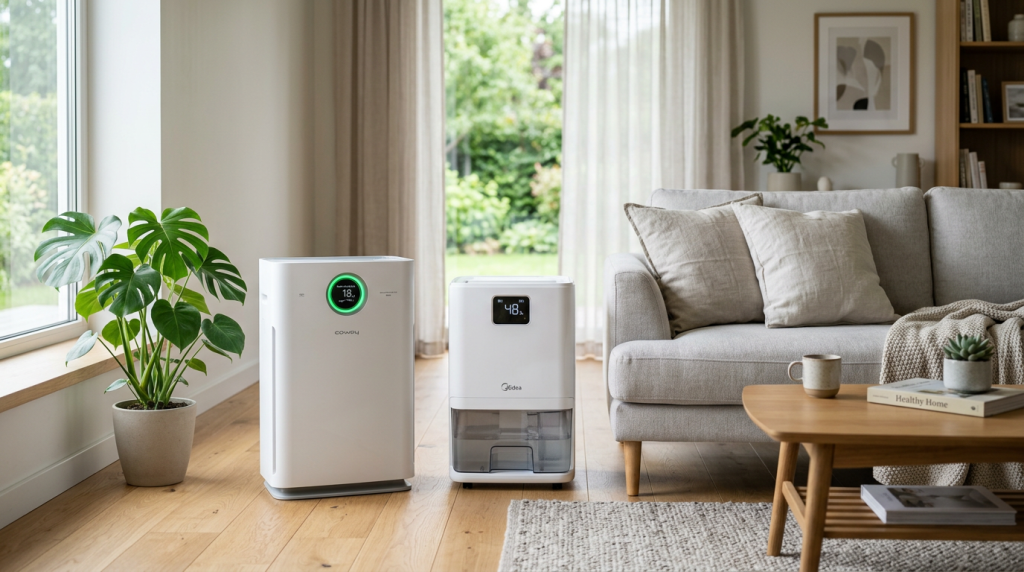
The best respirators for mold removal, compared on filtration rating and face seal quality, including full facepiece options for serious remediation.
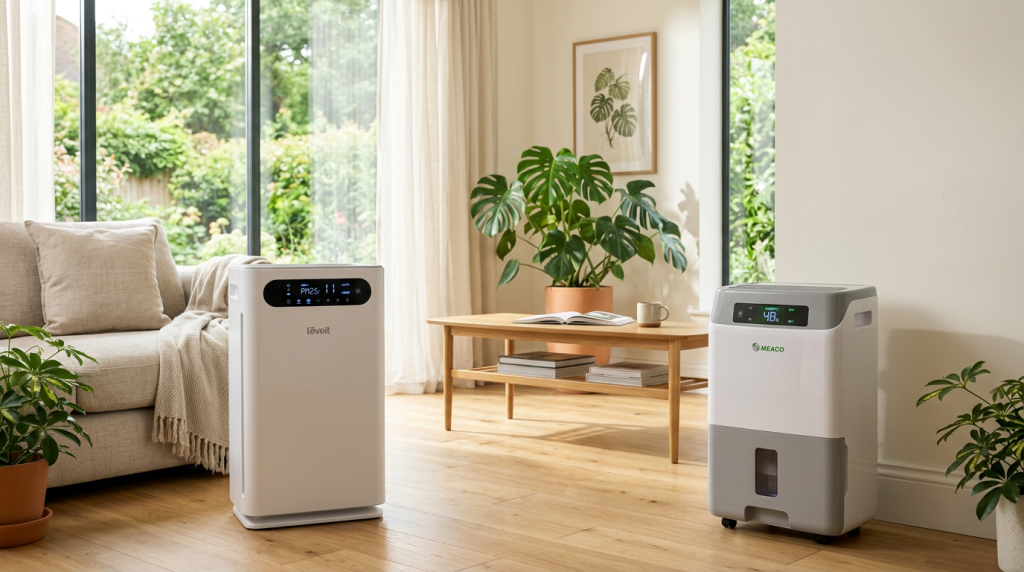
Clorox vs Concrobium for mold. Concrobium kills at the root on porous surfaces without bleach; Clorox Plus Tilex wins on fast stain removal on tile.
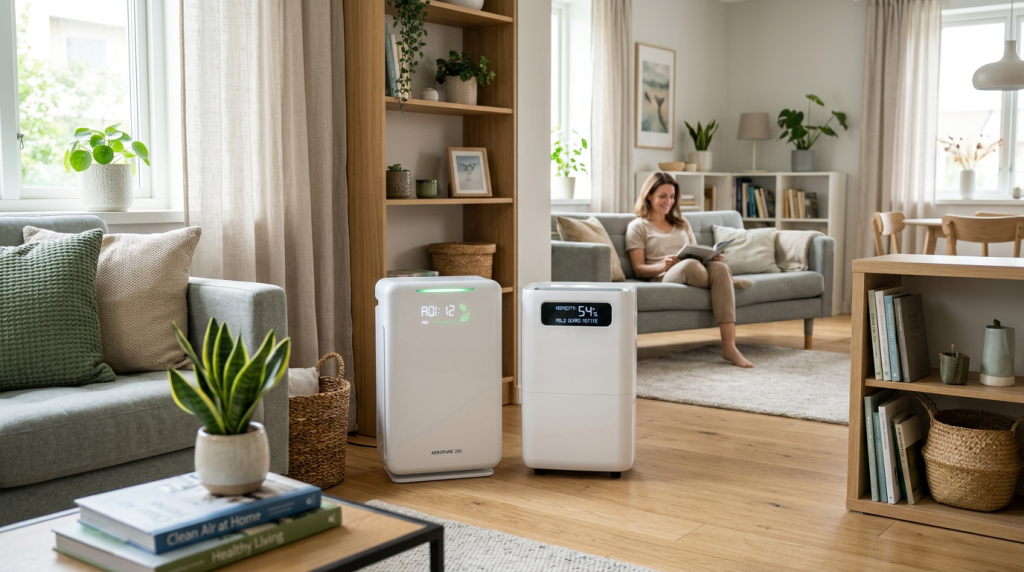
Mold vs mildew: mildew is flat, powdery, and surface level; mold grows into materials and looks fuzzy or slimy. How to tell them apart and what to do.
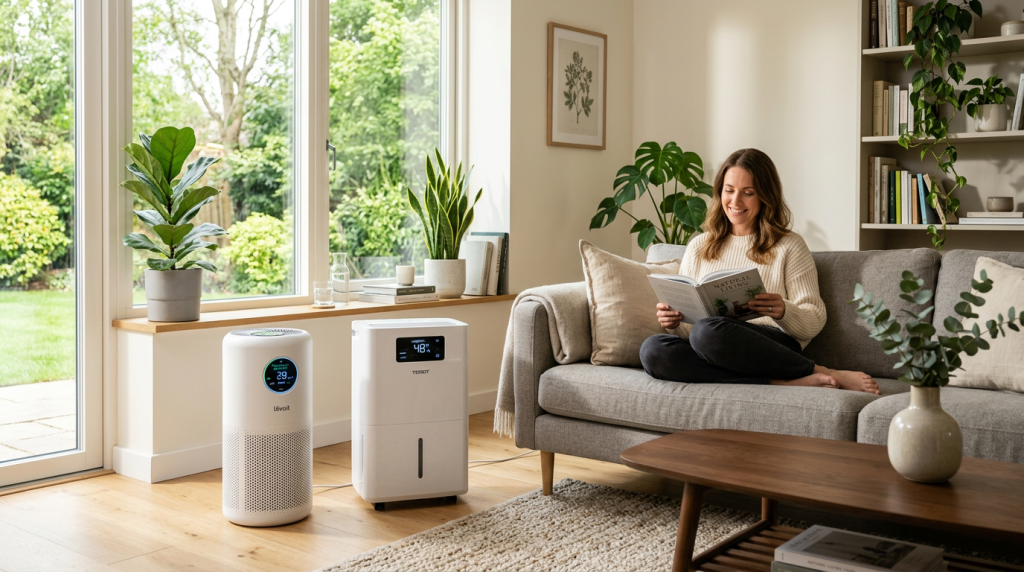
The best air purifiers for mold spores, judged on True HEPA filtration, CADR rating, and room coverage, with how each pick was evaluated.
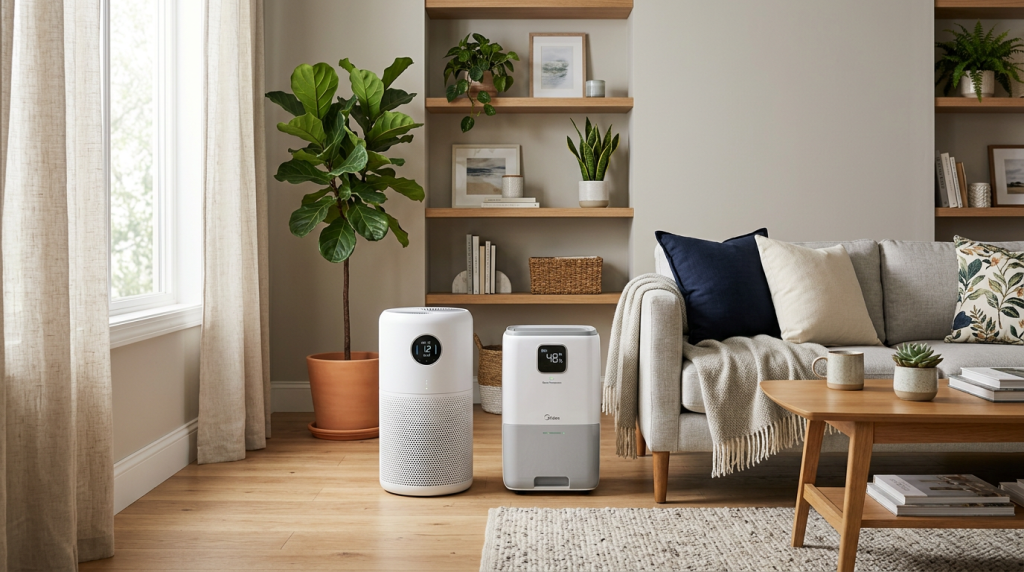
Tilex vs RMR-86 for bathroom mold. Tilex is EPA-registered, kills spores, and costs less per ounce; RMR-86 is the faster stain remover. Full comparison.
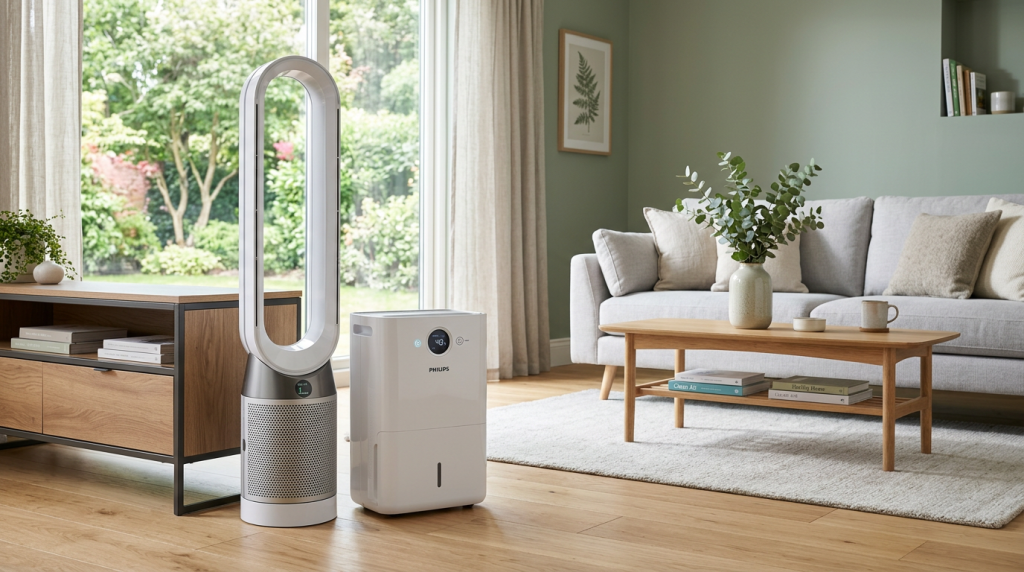
The best dehumidifiers for mold prevention, compared on moisture removal rate, coverage, and humidity control, so you can hold indoor humidity under 50%.
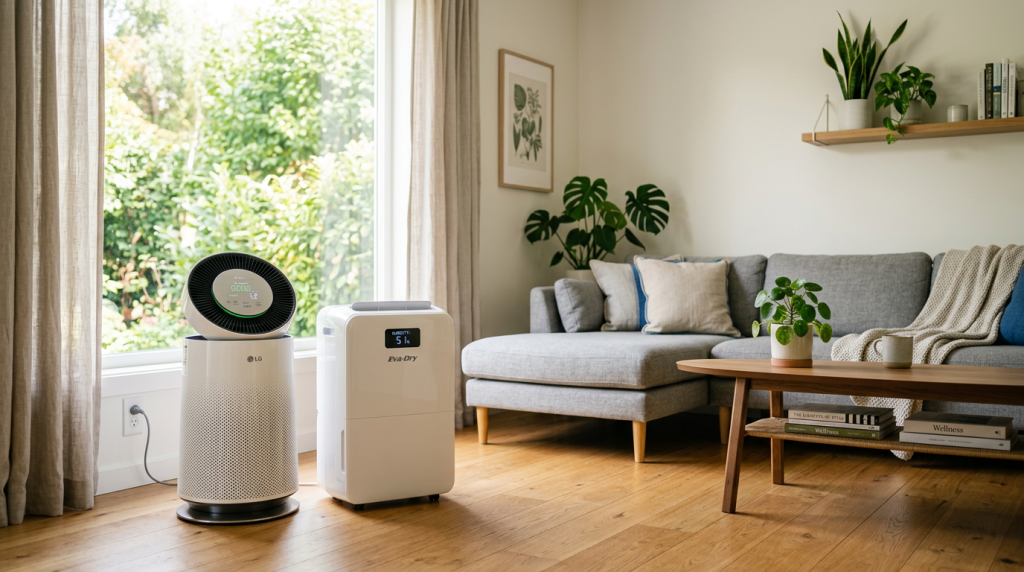
Shop vac vs HEPA vacuum for mold. A standard shop vac blows fine spores straight back into the room. Why HEPA filtration matters for mold cleanup.