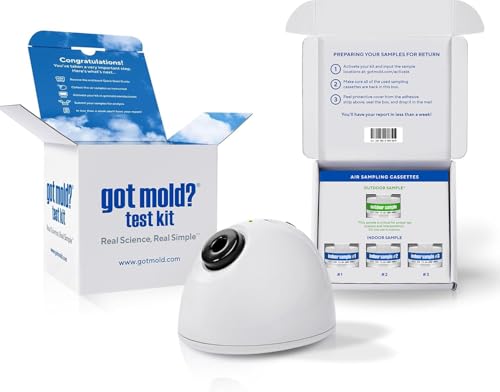
An ERMI test is one of the most detailed mold screening tools available to homeowners, giving you a standardized DNA-based score that reflects the overall mold burden in a home. Because it uses a specific lab methodology and produces a comparative score, many people want to know exactly what they will spend before ordering one. Costs vary depending on who collects the sample, which lab processes it, and what add-on services you choose.
What Is an ERMI Test?
ERMI stands for Environmental Relative Moldiness Index. The U.S. Environmental Protection Agency originally developed the methodology for research purposes, using a technique called MSQPCR (mold-specific quantitative polymerase chain reaction) to identify and quantify 36 mold species from a settled dust sample. Those 36 species are divided into two groups: Group 1 contains 26 molds associated with water-damaged buildings, and Group 2 contains 10 molds commonly found in homes without significant water damage. The final ERMI score is the log-transformed sum of Group 1 species minus the log-transformed sum of Group 2 species.
A higher ERMI score suggests a greater presence of water-damage-related molds. Scores above +5 are generally considered elevated, while scores below 0 are considered low risk. However, interpretation requires context, and a single number should never replace a thorough professional inspection. You can learn more about how results fit into a broader assessment on our mold testing overview.
ERMI Test Cost Breakdown
The total cost of an ERMI test depends on three main components: sample collection, laboratory analysis, and any optional professional consultation or follow-up testing.
DIY Mail-In ERMI Test Kits
The most affordable entry point is a do-it-yourself dust collection kit that you mail to a certified lab. You collect a settled dust sample yourself using the included Swiffer-style cloth or vacuum collection cassette, following the lab’s instructions, then ship it back for analysis.
- Typical price range: $200 to $325 for the full 36-species ERMI panel
- Turnaround time: Usually 5 to 10 business days after the lab receives the sample
- What is included: The ERMI score, a species-level breakdown of all 36 molds, and a comparison to the national database
- What is not included: Professional interpretation, visual inspection, or source identification
Several accredited labs offer direct-to-consumer kits, including those with AIHA (American Industrial Hygiene Association) accreditation. Always confirm a lab’s accreditation before ordering.
ERMI Test Through a Certified Inspector
Hiring a certified mold inspector or industrial hygienist to collect the dust sample and order the lab analysis adds professional oversight to the process. This is especially valuable in homes with visible water damage, musty odors, or occupants experiencing unexplained health symptoms.
- Typical price range: $400 to $700 or more, depending on your region and the inspector’s credentials
- What is added: A trained collector reduces sampling errors, and the inspector can visually assess the home, note moisture readings, and contextualize the ERMI score within a full report
- Credentials to look for: CIEC (Council-certified Indoor Environment Consultant), CIH (Certified Industrial Hygienist), or CMRS (Certified Mold Remediation Supervisor)
If you are already paying for a professional inspection, asking them to include ERMI sampling is often more cost-effective than running separate tests. See our guide to finding a qualified mold inspector for what to look for in credentials and experience.
HERTSMI-2: A Lower-Cost Alternative
The HERTSMI-2 (Health Effects Roster of Type-Specific Formers of Mycotoxins and Inflammagens, 2nd version) is a subset of the ERMI that measures only 5 of the most clinically significant mold species: Aspergillus penicillioides, Aspergillus versicolor, Chaetomium globosum, Stachybotrys chartarum, and Wallemia sebi.
- Typical price range: $100 to $175 for a DIY kit
- Scoring: A HERTSMI-2 score below 11 is generally considered acceptable; 11 to 15 is borderline; above 15 is considered potentially problematic
- Best use case: Post-remediation clearance testing or initial screening when budget is a primary concern
Some labs will calculate the HERTSMI-2 score from a full ERMI panel at no extra charge, since the data is already present in the results.
What Affects the Final Price?
Geographic Location
Lab fees themselves are relatively consistent nationwide since the sample is mailed in. However, if you hire a local inspector, professional rates in high cost-of-living areas like New York City, San Francisco, or Boston can push the total well above $700. In mid-size markets, inspector fees tend to be lower.
Rush Processing
Most labs charge an expedite fee of $50 to $100 for faster turnaround, typically reducing processing time from 7 to 10 days down to 2 to 3 business days. This is worth considering if you are under a real estate contract deadline or dealing with an acute illness situation.
Combination Testing Panels
Some labs bundle ERMI testing with mycotoxin testing, volatile organic compound (VOC) analysis, or additional environmental panels. Bundled pricing typically runs $400 to $600 and can offer better value than ordering each test separately.
Number of Samples
The standard ERMI protocol calls for one composite sample from the main living area. However, some inspectors recommend testing multiple rooms in larger homes or when damage appears in a specific zone. Each additional sample adds the full per-sample lab fee, so costs scale quickly in larger properties.
ERMI vs. Other Mold Tests: A Cost Comparison
| Test Type | Typical Cost Range | What It Measures | Best Use Case |
|---|---|---|---|
| ERMI (DIY kit) | $200 – $325 | 36 mold species via DNA | Baseline home screening |
| ERMI (with inspector) | $400 – $700+ | 36 mold species via DNA + visual assessment | Water damage, health concerns |
| HERTSMI-2 | $100 – $175 | 5 key mold species via DNA | Clearance testing, tight budgets |
| Air sampling (spore trap) | $150 – $400 per sample | Airborne spore count and types | Active spore presence, complaints |
| Surface/tape lift culture | $50 – $150 per sample | Species at a specific spot | Identifying visible growth |
For a deeper look at how these methods compare, visit our mold testing methods guide.
Is an ERMI Test Worth the Cost?
The ERMI’s main strength is that it measures accumulated settled dust, which represents the cumulative mold history of a space rather than a single moment in time. A single air sample can miss mold if conditions are calm on the day of testing. The ERMI is less susceptible to that variability.
However, the EPA notes that the ERMI was developed as a research tool and was not originally designed for individual building assessments. A high score tells you that elevated mold DNA is present in the dust, but it does not tell you where the source is, whether it is currently active, or whether remediation has been effective without follow-up sampling. You will likely still need a visual inspection and possibly source-specific testing to act on a concerning result.
The EPA’s indoor air quality and mold resources provide additional context on interpreting mold data and protecting indoor air quality.
For homeowners who are sensitive to mold, have experienced unexplained respiratory symptoms, or are purchasing a home with an unknown history, the ERMI offers meaningful data at a reasonable price point. For straightforward post-remediation verification, the HERTSMI-2 may be sufficient and more cost-effective. Learn more about what to do after a positive result in our mold removal and remediation section.
Tips for Getting the Most From Your ERMI Test
- Do not vacuum the area you plan to sample for at least one week before collection. You want accumulated settled dust, not a freshly cleaned surface.
- Collect from areas with the highest dust accumulation, such as carpet near air returns or bedroom floors, following your lab’s specific instructions.
- Use a lab with AIHA accreditation or equivalent third-party certification to ensure result reliability.
- Keep the chain of custody documentation the lab provides. You will need it if you pursue remediation or resale disclosures later.
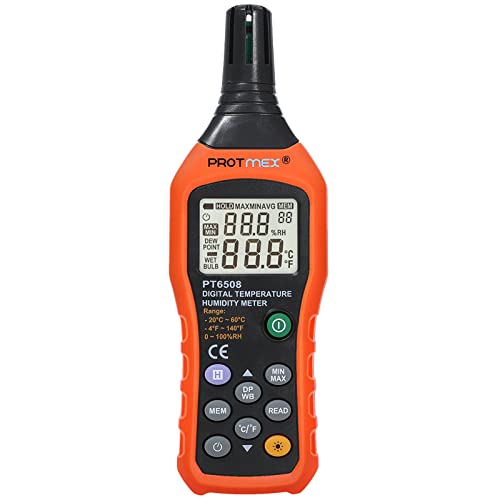
- Pair the ERMI with a relative humidity reading in key areas. Sustained indoor humidity above 60% is a key driver of mold growth, and addressing moisture is always the first step.
For guidance on moisture control as a prevention strategy, see our article on controlling indoor humidity to prevent mold.
Frequently Asked Questions
Can I use an ERMI test to pass a real estate inspection?
ERMI results are not a standardized pass/fail requirement in real estate transactions, though buyers increasingly request them. A high score can be useful negotiating information and may prompt further investigation before closing. Always consult with a licensed inspector and, if health symptoms are involved, a qualified physician. Some states have specific disclosure laws around mold; a real estate attorney can clarify your obligations.
How often should I run an ERMI test in my home?
There is no universal standard interval. Testing after any significant water intrusion event (flooding, roof leak, plumbing failure) makes practical sense. Post-remediation clearance is another common use case. For ongoing monitoring in a home with no known issues, most environmental health professionals do not recommend annual testing unless occupants have documented mold sensitivity or chronic illness related to indoor exposures.
Does insurance cover ERMI testing costs?
Standard homeowner’s insurance policies typically do not cover preventive environmental testing. If testing is part of a documented claim following water damage, some policies may reimburse a portion of inspection costs, but this varies significantly by policy and insurer. Always review your policy terms and speak directly with your insurance adjuster before assuming coverage.
What ERMI score should I be concerned about?
Scores above +5 are generally associated with elevated water-damage mold burden based on the national reference database used to build the index. Scores in the range of +5 to +10 warrant further investigation. Scores above +10 are considered high and typically indicate significant mold presence. However, no single numerical threshold is a diagnosis, and interpretation should involve a qualified indoor environmental professional who can consider the full context of the building and its occupants.
Is a DIY ERMI kit as accurate as one collected by a professional?
The lab analysis itself is identical regardless of who collects the sample, since the same MSQPCR methodology is applied to the dust. The key variable is sampling technique. Improper collection, such as sampling a recently vacuumed area, using too little or too much sample material, or collecting from an unrepresentative location, can produce misleading results. If you are thorough in following the lab’s instructions, a DIY kit can yield reliable data. When the stakes are high, such as a real estate transaction or a health-related concern, professional collection reduces the risk of a flawed sample.
These statements have not been evaluated by the Food and Drug Administration. This information is not intended to diagnose, treat, cure, or prevent any disease. Content is for informational purposes only and is not medical advice; consult a qualified healthcare provider before starting any supplement. As an Amazon Associate we earn from qualifying purchases.