Our Pick
See it on Amazon ›
Our pick for best mid-range smart air purifier
The Levoit Core 600S-P is AHAM VERIFIDE at 391 CFM for rooms up to 2,933 sq ft, with a 3-stage filter and an auto mode that raises fan speed when its own sensor reads a spike.
99.97% on 0.1 to 0.3 micron particles
As an Amazon Associate, we earn from qualifying purchases. Filtration captures airborne spores. It does not remove mold growing on a surface.
MoldActionPlan is reader-supported. We may earn a commission from qualifying purchases made through links on this page, at no extra cost to you. This is educational information, not professional or medical advice.
When tackling mold in your home, choosing the right primer is a critical step in both remediation and prevention. You’ve cleaned the visible mold, addressed the moisture source, and now you’re ready to seal and prepare the surface for a fresh coat of paint. But which primer is best for the job? Two of the most popular and highly regarded options are Zinsser Mold Killing Primer and KILZ Mold & Mildew Primer. Understanding the differences between these two can make a significant impact on your project’s success. This article will provide a detailed comparison of Zinsser Mold Killing Primer and KILZ Mold & Mildew Primer, helping you decide which product is the superior choice for your specific mold remediation needs. We’ll explore their formulations, key features, ideal applications, and offer insights to help you make an informed decision when considering kilz vs zinsser for your mold-related project.Zinsser Mold Killing Primer: The Mold Eradicator
Zinsser Mold Killing Primer is a water-based primer specifically engineered to tackle existing mold and mildew on surfaces. What sets it apart is its active ingredient: an EPA-registered antimicrobial agent. This isn’t just a primer that covers stains; it actively kills existing surface mold, mildew, moss, and odor-causing bacteria upon application. Beyond its mold-killing capabilities, it also creates a film that prevents future regrowth of mold and mildew on the dried paint film.What is it?
This product is a water-based primer containing an EPA-registered antimicrobial. Its primary function is to kill existing surface mold, mildew, moss, and odor-causing bacteria. It also offers excellent adhesion, bonding over existing stained surfaces, and prepares them for a topcoat of paint. The antimicrobial properties are designed to remain effective on the dried paint film, resisting future mold and mildew growth.Who is it best for?
- Surfaces with existing mold: If you’ve cleaned a surface but are concerned about lingering spores or want to ensure complete eradication of surface mold, this primer is ideal.
- High-humidity areas prone to mold: Bathrooms, basements, laundry rooms, and kitchens where mold and mildew are recurring issues.
- Post-remediation projects: After proper mold removal, applying this primer provides an extra layer of defense against regrowth.
- Homeowners seeking maximum protection: Those who want the reassurance of an antimicrobial agent actively working to kill and prevent mold.
Pros of Zinsser Mold Killing Primer
- Active Mold Killing: Contains an EPA-registered antimicrobial that kills existing surface mold, mildew, moss, and odor-causing bacteria. This is a significant advantage over primers that only seal or resist growth.
- Prevents Regrowth: The dried film actively resists the regrowth of mold and mildew, offering long-term protection.
- Excellent Adhesion: Bonds well to various surfaces, including drywall, wood, plaster, concrete, and masonry, even over existing stains.
- Water-Based Formula: Easy cleanup with soap and water, low odor, and quick drying time.
- Seals Stains: Effectively seals existing water and mold stains, preventing them from bleeding through the topcoat.
- Versatile Use: Suitable for interior and exterior applications.
Cons of Zinsser Mold Killing Primer
- Requires Surface Cleaning: While it kills surface mold, it’s still crucial to clean and remove heavy mold growth before application for optimal results and to address the underlying moisture issue.
- May Require Two Coats: For heavily stained or porous surfaces, two coats might be necessary to achieve full stain blocking and coverage.
- Check Current Pricing: While effective, you should always check current pricing on Amazon to ensure it fits your budget.
KILZ Mold & Mildew Primer: The Humidity Shield
KILZ Mold & Mildew Primer is a well-known name in the world of primers, and this specific formulation is designed to resist mold and mildew growth on its dried film. It’s a water-based primer-sealer tailored for high-humidity environments. Unlike Zinsser Mold Killing Primer, KILZ emphasizes resistance and sealing, and it’s explicitly designed for surfaces that have already been cleaned of active mold.What is it?
This is a water-based primer-sealer formulated for high-humidity areas such as bathrooms, basements, and kitchens. Its primary function is to seal porous surfaces and provide a durable film that resists mold and mildew growth. It’s crucial to understand that this primer is intended for use on surfaces that have already been thoroughly cleaned of any active mold or mildew growth. It serves as a preventative barrier, not a mold killer.Who is it best for?
- Surfaces already cleaned of active mold: If you’ve meticulously cleaned a surface and removed all visible mold, this primer provides an excellent preventative barrier.
- High-humidity environments: Ideal for areas like bathrooms, kitchens, and basements where moisture is consistently present, increasing the risk of mold and mildew.
- Sealing porous surfaces: Great for drywall, wood, masonry, and plaster, providing a uniform base for topcoats.
- Preventative maintenance: For those looking to proactively prevent mold and mildew growth in susceptible areas.
Pros of KILZ Mold & Mildew Primer
- Resists Mold & Mildew Growth: Its dried film is specially formulated to resist the growth of mold and mildew, making it suitable for damp environments.
- Excellent Sealer: Effectively seals porous surfaces, creating a smooth, uniform base for paint. It also helps block stains.
- Water-Based Formula: Easy to clean up with water, has a low odor, and dries relatively quickly.
- Good Adhesion: Provides a strong bond to various interior surfaces.
- Budget-Friendly Option: Often a more economical choice compared to primers with active mold-killing ingredients. (Always check current pricing on Amazon).
- Specifically for High-Humidity: Formulated with high-humidity areas in mind, making it a reliable choice for these challenging environments.
Cons of KILZ Mold & Mildew Primer
- Does Not Kill Existing Mold: This is a critical distinction. It is not designed to kill active mold; it only resists growth on its dried film. Surfaces must be thoroughly cleaned of mold first.
- Less Aggressive Against Stains: While it seals and blocks some stains, it might not be as aggressive as other primers for severe water or mold stains.
- Requires Pre-Cleaning: The effectiveness of its mold resistance relies heavily on the surface being completely free of active mold before application.
KILZ vs Zinsser: Key Differences and Which to Choose
The fundamental difference between Zinsser Mold Killing Primer and KILZ Mold & Mildew Primer lies in their approach to mold.- Zinsser Mold Killing Primer: Contains an EPA-registered antimicrobial that actively kills existing surface mold, mildew, moss, and odor-causing bacteria. It also prevents regrowth. Think of it as a “kill and prevent” solution.
- KILZ Mold & Mildew Primer: Its dried film resists mold and mildew growth, but it does not kill existing mold. It’s a “clean and prevent” solution, requiring thorough pre-cleaning of active mold.
When to choose Zinsser Mold Killing Primer:
- You have visible, but minor, surface mold or mildew that you’ve cleaned, but you want the added assurance of an antimicrobial agent to kill any lingering spores or bacteria.
- You’re dealing with persistent mold issues in a specific area and want the strongest preventative measure possible.
- You need a primer that not only prevents but also actively treats existing surface mold (after proper cleaning).
- You want superior stain-blocking capabilities for mold and water stains.
When to choose KILZ Mold & Mildew Primer:
- You have thoroughly cleaned and removed all active mold and mildew from the surface, and you need a reliable primer to resist future growth.
- You’re working in a high-humidity environment (bathroom, kitchen, basement) and want a preventative barrier against mold and mildew.
- You’re looking for a more budget-friendly option for mold prevention, provided you’ve done all the necessary pre-cleaning.
- Your primary concern is sealing porous surfaces and providing a uniform base for painting, with mold resistance as a secondary benefit.
Conclusion
Both Zinsser Mold Killing Primer and KILZ Mold & Mildew Primer are excellent products in their respective categories. Your choice between them should be guided by the specific condition of your surface and your primary goal. If you’re dealing with areas where mold has been a persistent problem, or if you want the added assurance of an active antimicrobial agent to kill surface mold and prevent regrowth, Zinsser Mold Killing Primer is likely the superior choice. Its “kill and prevent” formulation offers a robust defense. However, if you’ve meticulously cleaned all active mold and mildew, and your priority is to seal the surface and prevent future growth in a high-humidity environment, KILZ Mold & Mildew Primer is a highly effective and often more economical option. Always remember that no primer can solve a moisture problem. Before applying any mold-resistant primer, it’s crucial to identify and fix the underlying source of moisture that caused the mold in the first place. Once that’s addressed, choosing the right primer will help ensure your surfaces remain mold-free for the long term.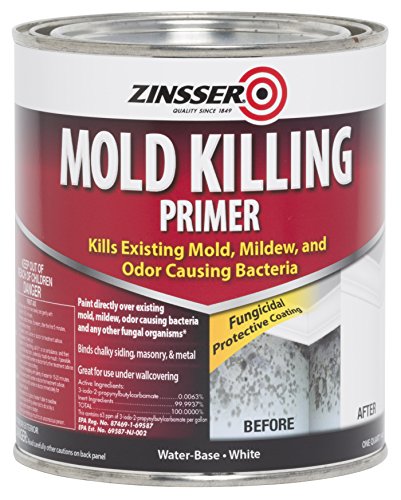
Frequently Asked Questions
Does Zinsser Mold Killing Primer actually kill mold?
Yes, Zinsser Mold Killing Primer contains an EPA-registered antimicrobial agent that is specifically designed to kill existing surface mold, mildew, moss, and odor-causing bacteria upon application. It also prevents their regrowth on the dried paint film. However, it’s still recommended to clean off heavy mold growth before applying the primer for optimal results.Can KILZ Mold & Mildew Primer be applied over existing mold?
No, KILZ Mold & Mildew Primer is not designed to kill existing mold. It’s formulated to resist mold and mildew growth on its dried film. For best results and to ensure its effectiveness, all active mold and mildew must be thoroughly cleaned and removed from the surface before applying this primer.Are these primers suitable for both interior and exterior use?
Zinsser Mold Killing Primer is suitable for both interior and exterior applications. KILZ Mold & Mildew Primer is primarily designed for interior use in high-humidity areas, though always check the product label for specific exterior recommendations if needed.Do I still need to clean mold before using these primers?
Yes, absolutely. While Zinsser Mold Killing Primer contains mold-killing agents, and KILZ Mold & Mildew Primer resists growth, neither product is a substitute for proper mold remediation. Always clean and remove visible mold and address the underlying moisture source before applying any primer to ensure long-term effectiveness and prevent further issues.Can these primers be tinted?
Both Zinsser Mold Killing Primer and KILZ Mold & Mildew Primer are typically white and can often be tinted with universal colorants. However, it’s always best to consult the product’s specific instructions or a paint professional regarding tinting to ensure it doesn’t compromise the primer’s performance or mold-resistant properties.These statements have not been evaluated by the Food and Drug Administration. This information is not intended to diagnose, treat, cure, or prevent any disease. Content is for informational purposes only and is not medical advice; consult a qualified healthcare provider before starting any supplement. As an Amazon Associate we earn from qualifying purchases.