The most frustrating part of getting mold remediation quotes is the range. “It could be $500 or it could be $15,000” does not help you plan or budget. The reason for the wide range is that mold remediation pricing depends on specific factors: where the mold is, how much material is affected, how accessible the area is, and whether the moisture source has been fixed. Once you understand these variables, the numbers become predictable.
This guide breaks down real-world mold remediation costs by room, severity level, and line item. These figures are based on industry pricing data and typical contractor rates across the United States as of 2026. Your local market may be 10-20% higher or lower depending on labor costs and demand.
Cost by Location
Where the mold is growing is the single biggest factor in cost. A bathroom with surface mold on tile grout is a fundamentally different project than a basement with mold throughout the framing and insulation.
Bathroom: $500-$1,500
Bathrooms are the most common and typically the least expensive remediation. The contained size of most bathrooms (40-80 sq ft) limits the scope, and much of the surface area is non-porous tile, glass, and fixtures that can be cleaned rather than removed.
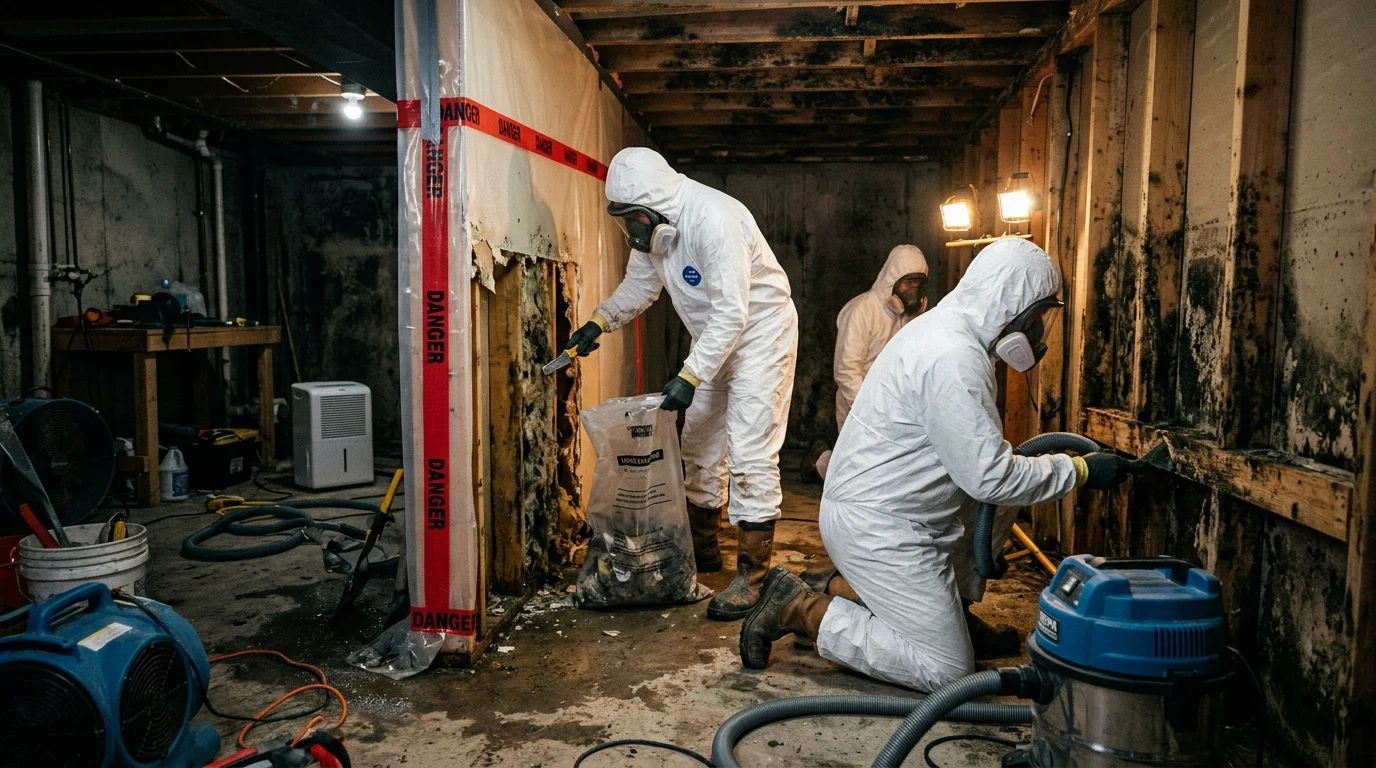
- Minor (surface mold on grout, caulk, or around fixtures): $500-$800. This often involves removing old caulk, treating grout, replacing caulk, and cleaning non-porous surfaces. This level is frequently a DIY-appropriate project.
- Moderate (mold on drywall behind toilet or vanity): $800-$1,200. Requires cutting out affected drywall sections, treating framing, and replacing materials. Vanity or toilet may need temporary removal for access.
- Severe (mold in wall cavities, subfloor, or ceiling): $1,200-$1,500. Involves opening walls, removing insulation, treating or replacing framing, and potentially addressing plumbing leaks causing the moisture. A bathroom renovation may be needed simultaneously.
For guidance on handling bathroom drywall mold yourself, see our guide on mold on drywall.
Attic: $1,000-$4,000
Attic mold remediation is moderately expensive because of access difficulty and the typical extent of contamination. Attic mold often covers large surface areas of roof sheathing and rafters before it is discovered.
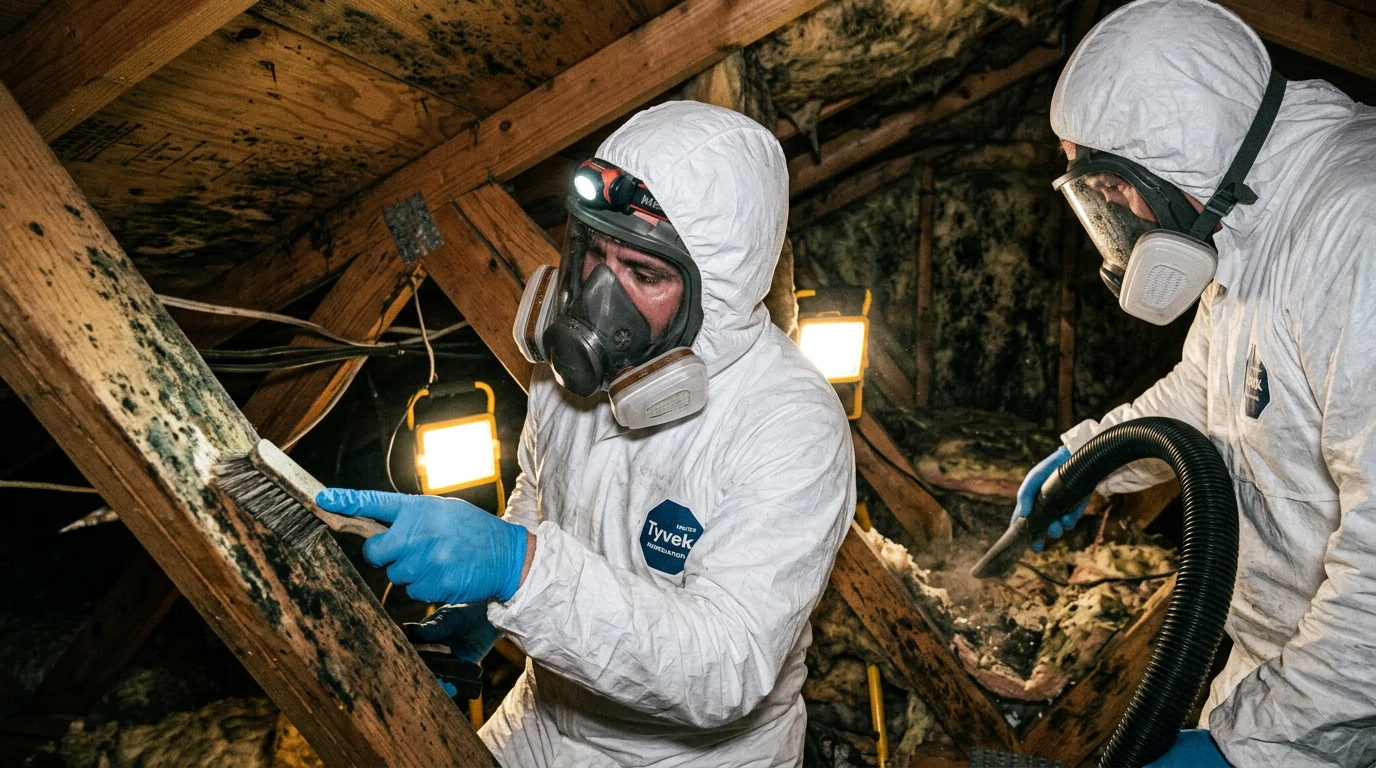
- Minor (localized mold on a few rafters or small sheathing area): $1,000-$1,500. Sanding or media blasting affected wood, applying antimicrobial treatment, and improving ventilation.
- Moderate (mold across 100-300 sq ft of sheathing): $1,500-$3,000. Requires removing contaminated insulation, sanding or blasting sheathing, HEPA vacuuming, and often adding soffit or ridge vents to address the ventilation deficiency causing the mold.
- Severe (mold across most of the attic, structural compromise): $3,000-$4,000+. May require replacement of severely damaged sheathing sections, complete insulation replacement, and significant ventilation upgrades. If the roof itself is leaking, roofing repairs add $500-$3,000+ depending on scope.
Attic mold is almost always caused by either a roof leak or inadequate ventilation. Bathroom exhaust fans venting into the attic instead of outside are a leading cause. The remediation cost is wasted if the ventilation problem is not corrected simultaneously.
Basement: $3,000-$15,000
Basement remediation is the most expensive category because basements combine large square footage, chronic moisture issues, and often extensive material removal requirements.
- Minor (mold on a single wall or small area): $3,000-$5,000. Removing affected drywall and insulation along one wall, treating framing, HEPA vacuuming, and replacing materials.
- Moderate (mold on multiple walls, floor joists, or HVAC components): $5,000-$10,000. Full containment setup, extensive material removal, air scrubbing, and treatment of structural framing. If the HVAC system is contaminated, duct cleaning adds $500-$1,500.
- Severe (whole-basement contamination, structural concerns): $10,000-$15,000+. Complete gut of finished basement — all drywall, insulation, carpet, and ceiling materials removed. Full framing treatment. Professional drying. Often requires waterproofing ($5,000-$15,000 additional) to address the chronic moisture source.
Basement mold remediation frequently uncovers moisture intrusion problems (foundation cracks, poor drainage, high water table) that require separate waterproofing work. Budget for both remediation and waterproofing when planning a basement mold project.
Crawl Space: $2,000-$8,000
Crawl space work is costly relative to the area because of difficult access. Technicians work in confined spaces (often 2-4 feet of clearance), which slows labor and requires specialized equipment.
- Minor (surface mold on floor joists): $2,000-$3,500. Sanding or treating affected joists, removing contaminated insulation, HEPA vacuuming.
- Moderate (extensive joist and subfloor contamination): $3,500-$6,000. Full treatment of all accessible wood surfaces, insulation removal, vapor barrier installation.
- Severe (structural damage, standing water history): $6,000-$8,000+. May require sistering damaged joists, full encapsulation ($5,000-$15,000 additional), and installation of a sump pump or dehumidifier system.
For prevention strategies specific to crawl spaces, see our guide on crawl space mold removal.
HVAC System: $2,000-$6,000
HVAC mold remediation involves cleaning or replacing ductwork, treating the air handler, and addressing the moisture source within the system.
- Duct cleaning with antimicrobial treatment: $500-$1,500 for a standard residential system
- Air handler cleaning and coil treatment: $300-$800
- Duct replacement (if heavily contaminated): $2,000-$5,000 depending on system size
- Condensate drain repair and UV light installation: $200-$600
HVAC mold is particularly important to address because the system distributes spores throughout the entire home. For more on this topic, see our guide on mold in HVAC ducts.
Line-Item Cost Breakdown
Understanding what you are paying for at the line-item level helps you evaluate quotes and identify overcharges.
Labor
Labor is typically 50-60% of the total remediation cost. Certified mold remediation technicians earn $25-$45 per hour depending on region and certification level. A two-person crew working 8 hours represents $400-$720 in direct labor per day before overhead.
- Setup and containment: 2-4 hours for a standard project
- Material removal: 4-8 hours depending on scope
- Cleaning and treatment: 4-8 hours
- HEPA vacuuming: 2-4 hours
- Breakdown and cleanup: 2-3 hours
A small bathroom project might take 1 day with a 2-person crew. A large basement project can take 3-5 days with a 3-4 person crew.
Materials and Equipment
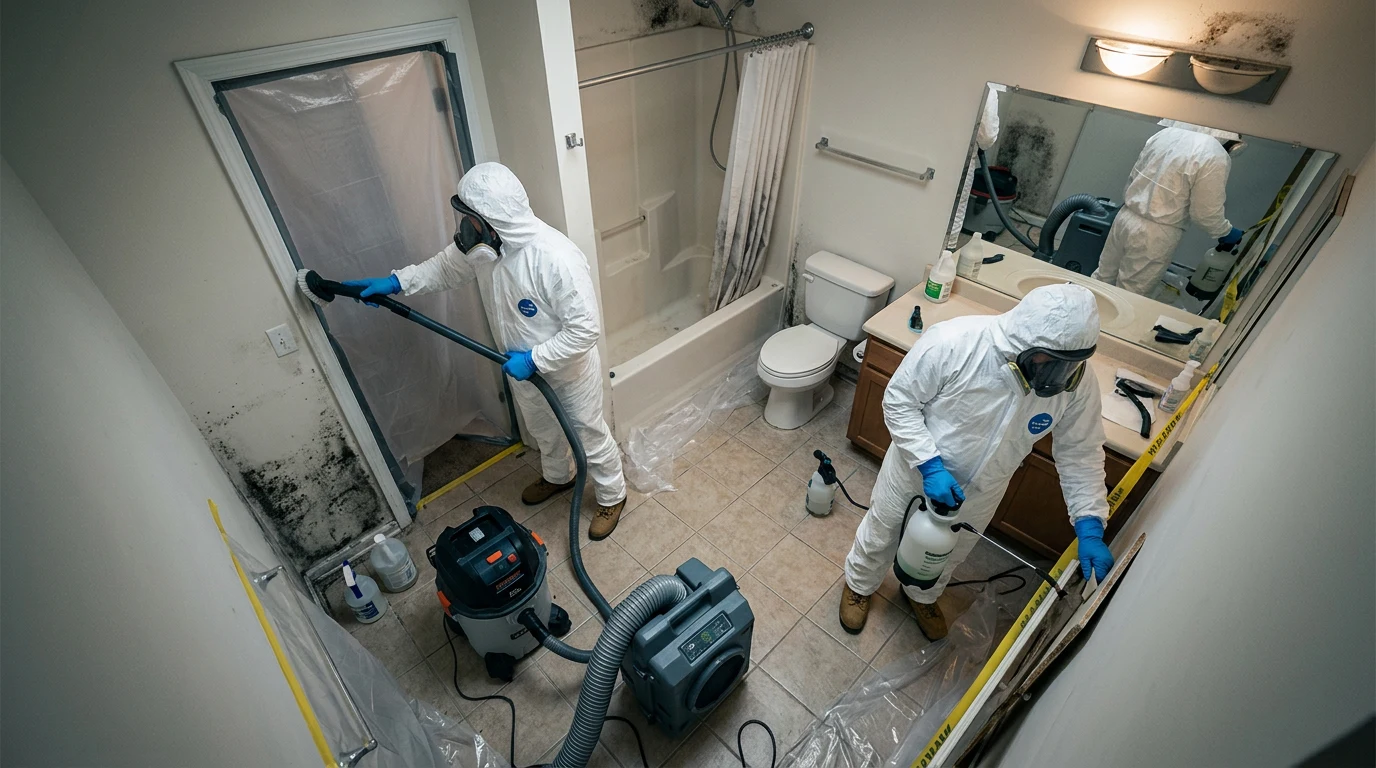
- Containment materials (poly sheeting, tape, zipper doors): $100-$300 per project
- HEPA air scrubber rental: $75-$200 per day (typically run 2-5 days)
- Negative air machine: $75-$150 per day
- Antimicrobial treatments: $50-$200 depending on product and area
- PPE (respirators, Tyvek suits, gloves): $50-$100 per day for a crew
- Disposal bags and containers: $50-$150
- Dehumidifier rental: $50-$150 per day
Testing
- Pre-remediation testing (if not already done): $300-$500
- Post-remediation clearance testing: $300-$600
- Laboratory analysis per sample: $35-$75
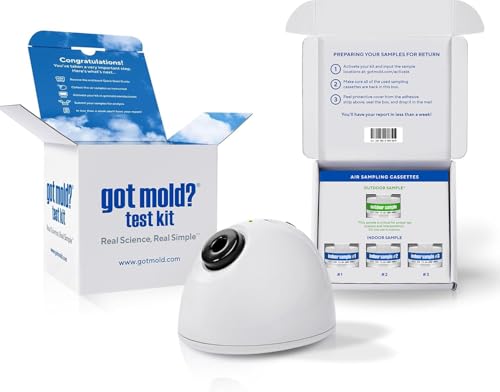
Pre-remediation testing is typically done before hiring a remediation company, so it may be a separate cost. Post-remediation testing should always be performed by an independent company. For details on the clearance process, see our guide on DIY mold testing vs professional testing.
Disposal
- Dumpster rental: $300-$600 for a 10-20 yard container
- Hazardous material disposal (if applicable): $200-$500
- Transport and landfill fees: Included in dumpster rental for most standard materials
Hidden Costs Most Quotes Do Not Include
The remediation quote addresses the mold. These related costs are frequently separate:
- Moisture source repair: Fixing the plumbing leak, roof, foundation crack, or ventilation issue that caused the mold. Ranges from $200 for a simple plumbing repair to $15,000+ for waterproofing.
- Reconstruction: Replacing drywall, insulation, flooring, trim, paint, and fixtures removed during remediation. Typically 30-50% of the remediation cost. A bathroom might need $500-$1,500 in reconstruction. A basement gut can require $5,000-$15,000.
- Temporary housing: Large remediation projects (whole basement, multiple rooms) may require the household to relocate for 3-7 days. Hotel costs average $100-$200 per night. Check whether your homeowner’s insurance covers additional living expenses (ALE).
- HVAC cleaning: If mold has entered the duct system, cleaning the HVAC adds $500-$1,500 to the project.
- Content cleaning: Furniture, clothing, and personal items in the affected area may need professional cleaning. Ranges from $200-$2,000 depending on volume.
How to Compare Remediation Quotes
Get a minimum of three quotes for any remediation project over $1,000. When comparing, make sure each quote addresses the same scope:
- Is containment included? Full containment with negative air pressure should be standard for any project over 10 square feet.
- Is HEPA air scrubbing included? Running air scrubbers during and after work is standard practice.
- Is antimicrobial treatment included? Application of EPA-registered antimicrobials after removal is standard.
- What about disposal? Dumpster and disposal should be in the quote, not a surprise add-on.
- Is post-remediation testing included or separate? Some companies include independent testing; others do not. Either way, the testing must be by an independent party.
- Is the quote for remediation only, or does it include reconstruction? Some companies do both; others only remediate and you hire a separate contractor to rebuild.
- What is the re-work guarantee? Reputable companies guarantee they will re-clean at no charge if independent clearance testing fails.
Be suspicious of quotes that are dramatically lower than competitors. Cutting corners on containment, air scrubbing, or disposal can result in cross-contamination that makes the problem worse. The cheapest quote is not always the best value. For a full understanding of what proper remediation should include, see our guide on the mold remediation process.
Insurance Coverage for Mold Remediation
Whether insurance covers mold remediation depends on the cause of the moisture:
- Covered (usually): Mold resulting from a sudden pipe burst, appliance failure, or accidental water damage. The key word is “sudden and accidental.”
- Not covered (usually): Mold from gradual leaks, poor maintenance, humidity, flooding from external sources, or long-term neglect.
- Mold coverage limits: Many policies cap mold coverage at $5,000-$10,000 even when the underlying water damage is covered. Some policies offer riders to increase this limit.
- Filing tips: Document everything (photos, videos, receipts). File the claim as water damage, not mold. The mold is a consequence of the covered water event, not the primary claim.
According to the EPA’s brief guide to mold, moisture, and your home, the key to mold control is moisture control. Insurance considerations aside, fixing the moisture source is always the first priority.
When DIY Saves Money (and When It Does Not)
Not every mold situation requires professional remediation. Here is the realistic DIY threshold:
- DIY-appropriate: Surface mold on non-porous materials (tile, glass, metal, sealed wood) covering less than 10 square feet. Cost: $20-$100 in cleaning supplies and PPE.
- Gray area: Mold on a small section of drywall (under 10 sq ft) with a known, fixed moisture source. Cost: $100-$300 if you do the drywall replacement yourself.
- Professional required: Mold on porous materials exceeding 10 square feet, mold in wall cavities or HVAC systems, Stachybotrys (black mold) of any size, or any situation where the moisture source is unresolved.
For effective DIY cleaning methods, see our comparison of vinegar vs bleach for mold and our reviews of the best mold remover sprays.
Frequently Asked Questions
What is the average cost of mold remediation?
The national average for professional mold remediation is $2,200-$6,000 for a typical residential project. However, this average is misleading because costs vary enormously by location and severity. A small bathroom project averages $500-$1,500. A full basement remediation runs $3,000-$15,000. The most accurate way to estimate your cost is to match your situation to the location-specific ranges above and get three professional quotes.
Why is mold remediation so expensive?
Mold remediation is labor-intensive and requires specialized equipment, trained technicians, proper containment, HEPA filtration, antimicrobial treatments, and licensed disposal of contaminated materials. A two-person certified crew with professional equipment costs remediation companies $800-$1,500 per day in direct costs before profit margin. The industry also carries high insurance costs due to liability exposure.
Does mold remediation include fixing the water problem?
Usually not. Mold remediation companies remove the mold and contaminated materials. The plumbing repair, roof fix, waterproofing, or ventilation improvement that caused the moisture is typically a separate contractor and a separate cost. Some full-service companies offer both, but most specialize in remediation only. Always fix the moisture source before or during remediation — removing mold without fixing the water problem guarantees the mold returns.
How long does mold remediation take?
A small project (single bathroom wall) typically takes 1-2 days. A medium project (bedroom or small basement section) takes 2-3 days. A large project (full basement or multiple rooms) takes 3-5 days for remediation, plus 1-3 additional days for drying. Add 1-2 days for post-remediation testing. Reconstruction time is additional. Total timeline from start to move-back-in for a large project is typically 7-14 days.
Can I negotiate mold remediation costs?
Yes, to a degree. Getting three quotes creates natural price competition. You can negotiate by asking if the company offers a discount for scheduling during their slower season (typically late fall through early spring). Ask about payment plans. Clarify exactly what is included and remove items you do not need (some companies bundle reconstruction into the remediation quote). However, do not negotiate by cutting corners on containment, air scrubbing, or clearance testing — these are critical to a successful outcome.
What factors most significantly influence the cost of mold remediation?
The primary factors driving mold remediation costs are the size and location of the mold infestation, as well as the type of material affected. Remediation in hard-to-reach areas like crawl spaces or behind walls, or involving specialized materials like HVAC systems, typically incurs higher expenses due to increased labor and specialized equipment requirements.
How does the severity of a mold problem impact the overall remediation cost?
The severity of a mold problem directly correlates with remediation costs; larger areas of contamination or deeply embedded mold require more extensive and costly interventions. This includes more aggressive removal techniques, longer containment periods, and potentially the replacement of heavily damaged structural components.
Are there regional variations in mold remediation costs?
Yes, mold remediation costs can vary significantly by geographic location due to differences in labor rates, cost of living, and local regulations. Areas with higher demand for specialized services or stricter environmental compliance often see elevated pricing for remediation projects.

Does the type of mold affect the remediation cost?
While all mold should be treated seriously, the specific species of mold generally does not drastically alter the remediation cost itself, as the removal process is largely similar for most types. However, concerns about particularly toxic molds might lead to more stringent safety protocols and testing, which could add to the overall expense.
What is typically included in a mold remediation cost estimate?
A comprehensive mold remediation cost estimate typically includes initial inspection and assessment, containment setup, mold removal and cleaning, disposal of contaminated materials, and post-remediation verification testing. It should also detail labor, equipment rental, and any necessary repairs to damaged structures.
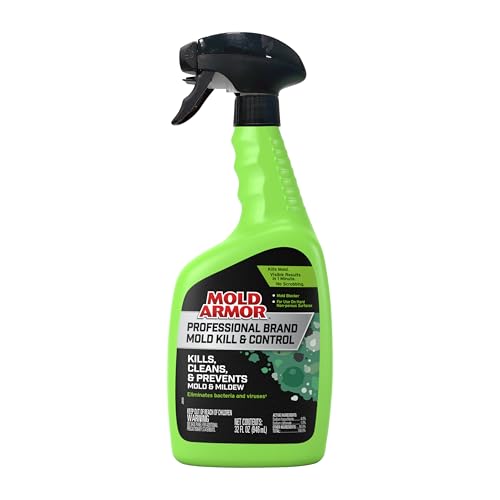
Can I save money by attempting DIY mold remediation?
While small, superficial mold patches (less than 10 square feet) might be manageable for DIY, attempting to remediate larger or deeply embedded mold infestations yourself can be a false economy. Improper removal can spread spores, worsen the problem, and ultimately lead to more expensive professional remediation later.
These statements have not been evaluated by the Food and Drug Administration. This information is not intended to diagnose, treat, cure, or prevent any disease. Content is for informational purposes only and is not medical advice; consult a qualified healthcare provider before starting any supplement. As an Amazon Associate we earn from qualifying purchases.