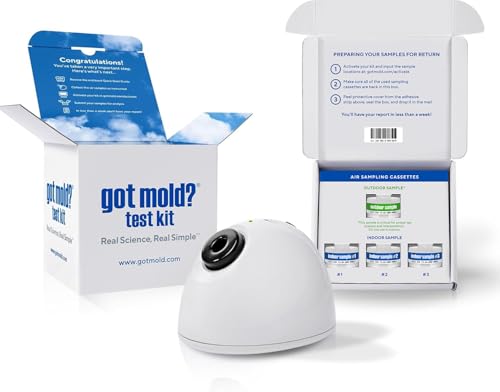
A mold inspection report can feel overwhelming at first glance, pages of species names, numerical scores, and lab terminology that most homeowners have never encountered. Understanding what these numbers and classifications actually mean is the first step toward making informed decisions about your home and your health. This guide walks you through the key sections of a mold inspection report, explains the most common report formats, and tells you exactly what to look for when yours arrives.
Why Mold Inspection Reports Matter
A mold inspection report documents what species of mold are present, at what concentrations, and in which areas of a home. It serves as the baseline for any remediation plan and as the benchmark for post-remediation verification. Without a properly interpreted report, you may spend money on unnecessary work, or miss a genuine problem entirely.
Mold reports are also health-adjacent documents. Certain mold species are associated with respiratory symptoms and other health concerns, particularly in sensitive individuals. The Centers for Disease Control and Prevention (CDC) recommends that people concerned about health effects related to mold consult a qualified healthcare provider. A mold report alone does not diagnose illness; it identifies environmental conditions that a professional can help you address.
Common Types of Mold Inspection Reports
Before you can read your report, you need to know which type of testing was used. The methodology determines the format and what the numbers represent.
Air Sampling Reports (Spore Trap)
Spore trap reports capture airborne mold spores over a set period and identify them under a microscope. Results are expressed as spores per cubic meter of air (spores/m³). A comparative outdoor sample is always collected alongside indoor samples so the lab can determine whether indoor counts are elevated relative to outside conditions. If an indoor species appears at concentrations significantly higher than the outdoor control, that is a flag for further investigation.
Surface and Bulk Sample Reports
These reports analyze a tape lift, swab, or physical sample taken directly from a surface. They confirm whether visible growth is mold, identify the genus and sometimes the species, and provide a rough sense of density. Surface reports do not tell you about airborne concentrations throughout the home.
ERMI Reports (DNA-Based Testing)
The Environmental Relative Moldiness Index, or ERMI, uses quantitative PCR (qPCR) DNA analysis to identify and quantify 36 specific mold species from a single dust sample, typically a vacuum or Swiffer-style collection from settled dust. Because the sample captures accumulated dust over time, ERMI reflects longer-term mold presence rather than a single moment in time. Results are reported as Spore Equivalents per milligram of dust (SE/mg), and a composite ERMI score is calculated.
ERMI testing is commonly used for initial screening as well as post-remediation verification. Learn more about the difference between testing methods in our guide to mold testing options.
How to Read an ERMI Report Step by Step
ERMI reports are among the most detailed and data-rich formats you will encounter. Here is how to work through one systematically.
Step 1: Confirm the Sample Type and Status
The header of an ERMI report will state the sample type (for example, a Swiffer dust collection) and the status of the test, whether it is an initial assessment or a post-remediation verification. A post-remediation report is held to a stricter standard than a baseline report, because remediation should have reduced mold levels. Always confirm these details before interpreting any numbers.
Step 2: Understand the Two Groups
ERMI analysis divides the 36 species into two groups:
- Group 1, Water Damage Molds: 26 species that are strongly associated with water-damaged buildings. High counts in this group are the primary concern. Species in this group include Stachybotrys chartarum, Chaetomium globosum, Aspergillus niger, and Penicillium purpurogenum, among others.
- Group 2, Common Indoor Molds: 10 species considered normal background molds found in most buildings. This group includes species like Cladosporium cladosporioides, Alternaria alternata, and Penicillium chrysogenum.
The ERMI score is calculated as: Sum of logarithms (Group 1) minus Sum of logarithms (Group 2). In a sample report scenario, a Group 1 sum of 32.5 and a Group 2 sum of 15.9 would produce an ERMI score of 16.6, a high result indicating significant water-damage mold presence.
Step 3: Read the Asterisk Notation
Most ERMI reports use a star system to flag species that are elevated above the national geometric mean from the reference dataset (derived from U.S. EPA research):
| Asterisk Symbol | What It Means |
|---|---|
| * | 10-fold higher than the national geometric mean |
| ** | 100-fold higher than the national geometric mean |
| *** | 1,000-fold higher than the national geometric mean |
| ND | None Detected |
A species marked *** is not just elevated, it is present at concentrations roughly 1,000 times greater than what is typically found in a reference U.S. home. Multiple species carrying *** ratings in Group 1 is a serious finding that warrants professional remediation review.
Step 4: Interpret the ERMI Score
The calculated ERMI score is compared against a standardized interpretation table. The general guidance based on research data is as follows:
| Quartile | ERMI Score Range | Interpretation |
|---|---|---|
| Q1 (Low) | Less than -4 | Low relative moldiness; further investigation generally not needed |
| Q2 (Low-Medium) | -4 to less than 0 | Further investigation may be warranted if occupants are reactive or sensitized |
| Q3 (Medium-High) | 0 to less than 5 | Elevated; investigation recommended |
| Q4 (High) | 5 and above | High relative moldiness; professional investigation strongly recommended |
For individuals with Chronic Inflammatory Response Syndrome (CIRS) or other conditions that may increase sensitivity to mold, many practitioners recommend that an ERMI score of 2 or less be the target. If you or a family member has health concerns that may be related to mold exposure, consult with both your physician and a certified Indoor Environmental Professional (IEP). Do not rely on the report alone to make medical decisions.
Key Species to Know
You do not need a biology degree to understand which species are most significant. These are the ones that appear most often on reports and carry the most weight in remediation decisions:
- Stachybotrys chartarum: Often called “black mold,” this Group 1 species requires sustained moisture to grow. Its presence at any measurable level in a dust sample is a significant finding.
- Chaetomium globosum: A Group 1 species strongly associated with water-damaged cellulose materials like drywall and wood. Its detection often points to a hidden or historical water intrusion.
- Aspergillus niger: A Group 1 species capable of producing mycotoxins under certain conditions. It can grow on a wide range of materials and is sometimes visible as dark specks on surfaces.
- Penicillium purpurogenum: Another Group 1 species associated with damp conditions, commonly found on water-damaged building materials.
- Aureobasidium pullulans: A Group 1 species frequently found in bathroom environments; elevated levels point to persistent moisture problems.
For a broader overview of species and what they indicate, see our mold removal and remediation resources.
What to Check Beyond the Numbers
The score and species data are only part of the picture. A complete mold inspection report should also include:
- Chain of custody documentation: Confirms the sample was handled properly from collection through lab analysis. An unbroken chain of custody protects the integrity of results.
- Sample condition on receipt: The lab should note whether samples arrived intact. Damaged or compromised samples can skew results.
- Dates: Confirm the date of sampling, date received, and date of report. Significant delays between sampling and lab receipt can sometimes affect biological samples.
- Sample location: The report should clearly state where the sample was collected. A sample described only as “living room” provides less useful context than one specifying “living room near HVAC return vent.”
- Laboratory accreditation: Look for AIHA (American Industrial Hygiene Association) laboratory accreditation or equivalent. An accredited lab follows standardized procedures and participates in proficiency testing.
If any of these elements are missing or unclear, contact the inspector or laboratory for clarification before acting on the results. Learn about what to look for when hiring an inspector on our mold inspector checklist page.
Post-Remediation Reports: A Higher Bar
When a report is labeled “post-remediation,” it should demonstrate that mold levels have returned to normal or acceptable ranges after professional remediation work. For ERMI testing, this means the score should ideally fall below the Q2 threshold, and any previously flagged Group 1 species should show substantially reduced counts or ND (none detected) results.
A post-remediation report that still shows multiple Group 1 species at *** levels suggests remediation was incomplete. In that case, do not close out the project or release final payment to a contractor until the issue is resolved and a clean clearance report is obtained. Our guide on post-remediation testing and clearance covers this process in detail.
Humidity and Environmental Context
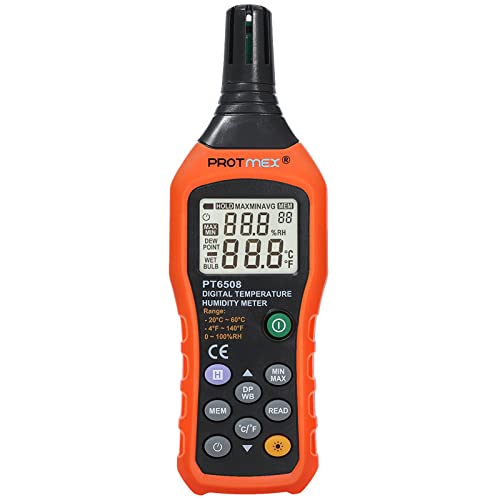
Mold reports are more useful when read alongside environmental data. Mold requires moisture to grow, and the EPA recommends maintaining indoor relative humidity below 60%, with 30-50% being the ideal range for most homes. If a report shows elevated mold levels and your home’s relative humidity is consistently above 60%, addressing the moisture source is as important as any remediation work. A report without moisture investigation is incomplete.
Remediation costs vary widely depending on the scope of contamination. Localized remediation for an area under 10 square feet may cost $500-$1,500, while whole-home remediation involving structural materials can run $10,000-$30,000 or more. Understanding your report helps you have a more informed conversation with remediation contractors about the actual scope of work needed.
Frequently Asked Questions
What is a good ERMI score?
An ERMI score below -4 falls in the lowest quartile and generally indicates low relative moldiness, meaning no further investigation is typically needed. Scores between -4 and 0 are in the low-to-medium range and may warrant attention if occupants have known sensitivities. For individuals with conditions that increase susceptibility to mold-related illness, many practitioners recommend targeting a score of 2 or lower. Any score above 5 is in the highest quartile and calls for professional investigation.
Is ERMI testing better than air sampling?
Neither method is universally superior, they answer different questions. Air sampling captures what is airborne at a single point in time. ERMI dust sampling reflects accumulated mold presence over a longer period, which can detect past water damage events even if active growth is no longer visible. For initial screening and post-remediation verification, ERMI is often considered more comprehensive. An Indoor Environmental Professional can recommend the most appropriate method based on your specific situation. You can also explore our comparison in the mold testing category.
What does “ND” mean on a mold report?
ND stands for “None Detected.” It means the laboratory analysis did not find that particular mold species in the sample at a detectable level using the methods applied. ND for a Group 1 species is a positive outcome. It does not guarantee absolute absence, it means the species was below the detection threshold of the test, but it is reassuring, particularly on a post-remediation report.
Should I be alarmed if Stachybotrys is detected?
The detection of Stachybotrys chartarum, often called toxic black mold, is a serious finding that deserves prompt professional attention. It requires sustained water activity to grow and its presence in settled dust suggests an existing or past significant moisture problem. That said, a report finding alone is not a medical diagnosis and does not tell you about health outcomes. If Stachybotrys is detected, engage a certified mold remediation professional to locate the source and develop a remediation plan, and consult your doctor if you have health concerns related to your home environment.
Can I interpret a mold report on my own, or do I need a professional?
This guide gives you the tools to understand the basic structure and numbers in your report, which is valuable for asking informed questions and evaluating contractor proposals. However, a full interpretation, including identifying the likely source of contamination, determining remediation scope, and advising on building conditions, requires an IICRC-certified inspector or Indoor Environmental Professional. For health-related questions, always consult a qualified physician. A report number alone cannot substitute for professional assessment of your specific building and circumstances.
These statements have not been evaluated by the Food and Drug Administration. This information is not intended to diagnose, treat, cure, or prevent any disease. Content is for informational purposes only and is not medical advice; consult a qualified healthcare provider before starting any supplement. As an Amazon Associate we earn from qualifying purchases.