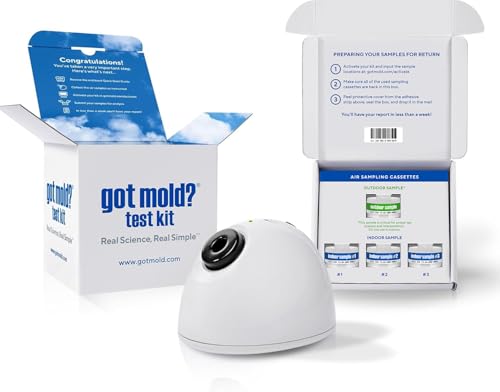
Urine mycotoxin testing is one tool some clinicians use to assess a patient’s exposure to mold-related compounds called mycotoxins. Like any laboratory test, the results can be affected by what you eat, drink, and do in the days leading up to collection. Understanding how to prepare properly, and what the test can and cannot tell you, helps you and your doctor interpret the results with greater confidence.
What Is a Urine Mycotoxin Test?
Mycotoxins are toxic compounds produced by certain mold species. When a person is exposed to mold, mycotoxins can be absorbed through the respiratory tract, skin, or digestive system and eventually excreted through urine. A urine mycotoxin test analyzes a urine sample for the presence and concentration of specific mycotoxins such as ochratoxin A, aflatoxins, trichothecenes, and gliotoxin.
It is important to understand what this test does not do. It does not diagnose illness, identify the specific mold species in your environment, or confirm a medical condition. It is one piece of data that a qualified clinician interprets alongside your symptoms, history, and environmental findings. Always work with a licensed healthcare provider when ordering or reviewing this type of test. For broader context on mold health concerns, the CDC’s mold FAQ page offers a reliable starting point.
Two Types of Urine Mycotoxin Tests
Your doctor may recommend either an unprovoked or a provoked urine collection. The distinction matters because each answers a different clinical question.
Unprovoked Testing
An unprovoked test uses your first morning urine collected under normal conditions, without the use of any agents intended to increase mycotoxin release. This approach is typically chosen when the goal is to measure your current daily mycotoxin exposure or ongoing burden. It reflects what your body is actively excreting at baseline.
Provoked Testing
A provoked test involves using an agent such as sauna therapy or lymphatic massage before urine collection to encourage the body to release mycotoxins stored in tissues. The collection window for a provoked test is typically 6 hours after the provoking activity. This method may be recommended when the goal is to estimate total body burden or when someone is considered a poor natural excretor of mycotoxins.
Which approach is right for you is a conversation to have with your doctor. Some laboratories, including Great Plains and Vibrant, have specific instructions around certain supplements like glutathione during a provoked collection, so always follow the guidance provided by your ordering clinician.
How to Prepare: 3 Days Before Collection
Because mycotoxins occur naturally in many common foods and beverages, dietary exposure can significantly influence test results. To reduce the chance of false positives or artificially elevated readings, most practitioners recommend avoiding the following for at least 3 days before collecting your sample.
Foods and Beverages to Avoid
- All grains (wheat, oats, rice, barley, and others)
- Leavened bread and baked goods made with yeast (baker’s, brewer’s, or nutritional)
- Commercial dairy products (organic dairy is generally considered acceptable)
- Aged and moldy cheeses (blue cheese, brie, camembert, etc.)
- Peanuts and peanut butter
- Corn and corn-derived products
- Potatoes
- Dried fruits
- Mushrooms
- Commercial eggs (pasture-raised eggs are generally considered acceptable)
- Cured meats
- Pickles and pickled foods
- Vinegar
- Soy and soy sauce
- Oolong and black teas
- Coffee that may be moldy (lower-quality commercial coffee is a common source of ochratoxin A)
- Alcoholic beverages of all kinds
- Fermented beverages including kombucha and cider
- Cantaloupe, grapes, and apples
Supplements to Avoid
Certain supplements can also interfere with results by either binding mycotoxins or introducing yeast-derived compounds. Avoid the following for the same 3-day window:
- Binders (such as activated charcoal, bentonite clay, and similar agents)
- Saccharomyces boulardii (a probiotic yeast)
- Medicinal mushroom products
- Red yeast rice
The Morning of Your Test
On the day of collection, avoid the following before providing your sample:
- Eating or drinking anything
- Exercise of any kind
- A hot shower or bath
- Sexual intercourse
These activities can temporarily alter the concentration or composition of substances in your urine and may affect test accuracy.
Factors That May Still Influence Results
Even with careful preparation, several other variables can affect urine mycotoxin results. These are worth discussing with your doctor before and after testing:
| Factor | Potential Effect |
|---|---|
| Glutathione and precursors (alpha-lipoic acid, NAC) | May increase mycotoxin mobilization and excretion |
| Deep-tissue massage | Can release stored toxins from tissue |
| Methylene blue | May influence excretion patterns |
| Sauna use | Increases excretion; used intentionally in provoked testing |
| Strenuous exercise | Similar mobilizing effect to sauna |
| Acute infection or illness | May alter immune and detoxification activity |
If following the full preparation protocol is not possible for any reason, your clinician may recommend serum mycotoxin antibody testing as an alternative approach.
What the Test Results Can Tell You
A positive result means detectable levels of one or more mycotoxins were found in your urine at the time of testing. This finding should prompt a conversation with your doctor about possible sources of exposure, which could include your home, workplace, or diet. It does not automatically mean you are sick or that your home has dangerous mold levels.
A negative result does not fully rule out mold exposure. Poor excretion, recent detoxification, or low current exposure can all contribute to a negative test even in someone with a significant history of mold exposure.
Test results should always be interpreted in context. If your clinician suspects an environmental source, pairing urine testing with a thorough home inspection is a logical next step. You can learn more about professional inspection options in our mold testing guide and read about what inspectors typically find in our article on what to expect from a mold inspection.
Next Steps After Testing
If your results show elevated mycotoxin levels and an environmental source is suspected, addressing the source is critical. No detoxification protocol will produce lasting results if ongoing exposure continues. That means identifying and professionally remediating any mold growth in your living or work environment.
Depending on the extent of mold growth found, remediation costs can range from a few hundred dollars for minor surface mold to several thousand dollars or more for larger infestations, particularly those involving wall cavities, HVAC systems, or structural materials. Explore our mold removal resources for guidance on choosing a qualified remediator and understanding what the process involves.
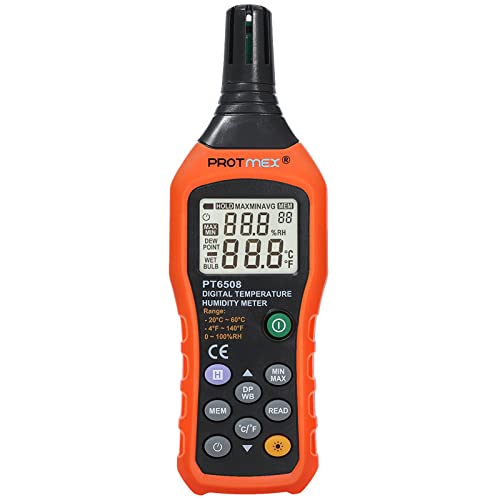
Maintaining indoor relative humidity below 50% is one of the most reliable ways to prevent future mold growth. Consistent monitoring with an inexpensive digital hygrometer can help you stay within that range. Our article on controlling indoor humidity covers practical strategies for different home types and climates.
Frequently Asked Questions
Can I eat normally and still get meaningful results from a urine mycotoxin test?
Eating a typical diet in the days before collection can elevate mycotoxin levels in your urine simply from food sources, not from environmental mold exposure. This can make it harder for your doctor to determine whether elevated results reflect dietary intake or genuine exposure from your home or workplace. Following the 3-day preparation protocol significantly improves the clinical usefulness of the test.
Is urine mycotoxin testing the same as testing my home for mold?
No. Urine testing looks at what your body has absorbed and is excreting. It says nothing directly about the mold species or spore levels in your environment. A certified mold inspector uses air sampling, surface sampling, and visual inspection to assess your home. Both types of information can be useful, but they answer different questions. Visit our mold testing section to learn about environmental testing options.
What is the difference between provoked and unprovoked urine mycotoxin testing?
An unprovoked test reflects your baseline daily excretion and is best for assessing current ongoing exposure. A provoked test uses a method such as sauna or lymphatic massage to encourage release of mycotoxins stored in tissues, which may give a better picture of total body burden. Your doctor will recommend one approach over the other based on your clinical situation.
Are urine mycotoxin tests covered by insurance?
Coverage varies widely by insurer and plan. Many specialty mycotoxin panels are ordered through functional or integrative medicine practices and are not covered by standard insurance plans, meaning out-of-pocket costs apply. It is worth contacting your insurance provider directly before ordering. Some clinicians offer guidance on submitting for potential reimbursement.
Should I stop taking all my supplements before the test?
Not necessarily all of them, but certain ones can meaningfully affect results. Binders, Saccharomyces boulardii, medicinal mushrooms, and red yeast rice should be stopped for at least 3 days before collection. Glutathione, NAC, and alpha-lipoic acid may also influence results and should be discussed with your doctor, particularly in relation to whether your test is provoked or unprovoked. Always follow the specific instructions from your ordering clinician and the laboratory performing the test.
These statements have not been evaluated by the Food and Drug Administration. This information is not intended to diagnose, treat, cure, or prevent any disease. Content is for informational purposes only and is not medical advice; consult a qualified healthcare provider before starting any supplement. As an Amazon Associate we earn from qualifying purchases.