Citrinin is a mycotoxin produced by several common mold species and is most frequently associated with poorly stored grains, though it also appears in water-damaged buildings. It poses particular concern for kidney and liver health, and it often occurs alongside ochratoxin, another nephrotoxic mycotoxin. Understanding where citrinin comes from, how it affects the body, and how to test for it are essential steps for anyone dealing with a potential mold exposure situation.
What Is Citrinin?
Citrinin is a naturally occurring mycotoxin, meaning it is a toxic secondary metabolite produced by certain mold species. It was first isolated from Penicillium citrinum in 1931 and has since been identified in a range of agricultural and indoor environmental contexts. Like many mycotoxins, it is chemically stable, which means it can persist in building materials and food products even after the mold itself has been remediated or removed.
One characteristic that makes citrinin notable is its color. It typically appears lemon-yellow, though its color can shift depending on the substrate it grows on. This visual clue is rarely enough to confirm its presence, which is why laboratory testing is necessary for a definitive identification.
Mold Species That Produce Citrinin
Several mold genera are associated with citrinin production. The primary species include:
- Aspergillus niger
- Aspergillus awamori
- Aspergillus ostianus
- Aspergillus fumigatus
- Aspergillus niveus
- Aspergillus parasiticus
- Penicillium citrinum
- Penicillium expansum
- Monascus species
Many of these species are extremely common in water-damaged buildings. Aspergillus niger, for instance, is one of the most frequently identified molds in indoor air quality investigations. The presence of any of these species does not automatically confirm citrinin contamination, but it does raise the probability enough to warrant targeted mycotoxin testing.
In building environments, citrinin-producing molds tend to colonize specific materials. Confirmed favorite substrates include wallpaper, wood, drywall, linoleum, and insulation paper. These are all materials that retain moisture readily, which creates the sustained humidity conditions mold requires. The mold testing section of this site covers how to sample these materials appropriately.
Where Citrinin Shows Up Indoors
While citrinin is widely studied in the context of food contamination, particularly stored grains, cereals, and fermented products, its presence in water-damaged buildings is well-documented. Indoor exposure typically occurs through inhalation of mold spores or mycotoxin-laden dust particles, rather than through ingestion as with food-related exposures.
Buildings with a history of flooding, roof leaks, plumbing failures, or chronically elevated indoor humidity above 60 percent relative humidity are at the highest risk for harboring the mold species that produce citrinin. Basements, crawl spaces, and areas behind walls where moisture accumulates without adequate airflow are particularly common problem zones.
Citrinin frequently co-occurs with ochratoxin A, another mycotoxin that also targets kidney function. Finding one in testing should prompt evaluation for the other, since co-exposure compounds the toxic burden on the body’s detoxification systems.
Health Effects of Citrinin Exposure
Citrinin has a broad range of negative effects on the body, but the kidneys bear the greatest burden. Both the kidneys and liver are involved in processing and eliminating citrinin, which puts these organs under direct stress during exposure. Mitochondrial dysfunction is another prominent mechanism of harm, and because mitochondria power every cell in the body, the symptoms show up most clearly in organ systems with the highest energy demands, including the heart, the digestive tract, and the reproductive system.
Reported Symptoms
The following symptoms have been associated with citrinin exposure. This list is informational only and is not a basis for self-diagnosis. If you are experiencing these symptoms and suspect mold exposure, consult a qualified healthcare provider with experience in environmental illness.
- Fatigue, frequently accompanied by muscle pain
- Reactive blood sugar irregularities
- Urinary pain, frequent urination, and nephrogenic diabetes insipidus
- Edema (fluid retention and swelling)
- Reflux, nausea, vomiting, and diarrhea
- Ulcers and blood in stool
- Food and chemical sensitivities
- Shortness of breath
- Heart palpitations and chest pain
- Menstrual changes and miscarriage
- Infertility in both males and females
The reproductive effects are worth specific attention. Citrinin can impede fertility and interfere with successful pregnancy. Anyone experiencing unexplained reproductive difficulties while living or working in a potentially water-damaged building should discuss mold exposure with their physician as part of their evaluation.
For a broader overview of how mycotoxins affect the body systemically, see our mycotoxin health effects resource page.
Testing for Citrinin
Standard air quality or surface mold tests identify mold species but do not directly measure mycotoxin levels. To confirm citrinin contamination, you need mycotoxin-specific testing, which is typically performed on one of the following sample types:
| Sample Type | What It Measures | Typical Use |
|---|---|---|
| ERMI dust test | Mold species in settled dust via DNA analysis | Initial building screening |
| Mycotoxin ELISA panel (dust or swab) | Specific mycotoxins including citrinin | Confirming mycotoxin presence in building |
| Urine mycotoxin test | Mycotoxin metabolites in patient urine | Assessing human body burden (ordered by physician) |
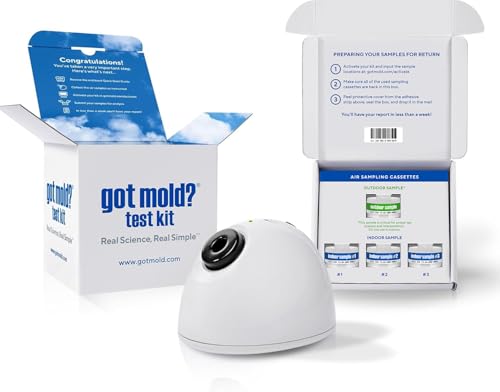
For building testing, a certified industrial hygienist or mold inspector should collect samples to ensure proper chain of custody and sampling protocol. DIY test kits have significant limitations in accuracy and interpretability. The EPA’s guidance on mold sampling emphasizes that testing without a clear remediation plan and professional interpretation is often of limited value.
Our detailed guide on how to choose a mold testing method walks through the pros and cons of each approach in more depth.
What to Do If Citrinin Is Found
Finding citrinin in a building test result is a serious finding that warrants prompt action. The steps below outline a responsible response framework.
Step 1: Address the Moisture Source
No remediation will be durable if the underlying moisture problem is not corrected first. This means fixing leaks, improving drainage, sealing basements, and controlling indoor relative humidity to below 50 percent. Without this step, mold and mycotoxin production will resume.

Step 2: Professional Remediation
Citrinin-contaminated materials in a building typically require professional remediation following established industry protocols such as those published by the IICRC (Institute of Inspection, Cleaning and Restoration Certification). Remediation for areas under 10 square feet may sometimes be appropriate for a trained homeowner, but contamination beyond that threshold generally warrants a certified remediator. Costs for professional mold remediation commonly range from $500 to $6,000 or more depending on the size and complexity of the affected area. Our mold removal category covers what to expect during a professional remediation project.
Step 3: Post-Remediation Verification
After remediation is complete, a clearance test should be performed by a third party independent from the remediator. This confirms that mycotoxin and mold levels have returned to acceptable baseline conditions before re-occupancy.
Step 4: Consult a Healthcare Provider
If you or family members have experienced symptoms consistent with citrinin exposure, discuss this with a physician who has experience in environmental medicine or mold-related illness. A physician may order urine mycotoxin testing to assess body burden. Treatment and support strategies should always be supervised by a qualified medical professional and tailored to the individual patient.
Frequently Asked Questions
Can citrinin be found in buildings that do not look visibly moldy?
Yes. Mold growth producing citrinin can occur inside wall cavities, under flooring, behind wallpaper, or within insulation where it is not visible during a casual inspection. A professional mold inspection that includes invasive sampling or moisture meter readings in suspect areas is more reliable than a visual check alone.
Is citrinin more dangerous than other mycotoxins?
All mycotoxins carry health risks, and comparisons between them are difficult without knowing specific exposure levels and individual health status. Citrinin is particularly notable because it targets kidney and liver function directly, and because it frequently co-occurs with ochratoxin, a compound with similar nephrotoxic properties. The combined effect of multiple mycotoxins in the same environment warrants serious attention.
How does humidity control help prevent citrinin-producing molds?
Most citrinin-producing mold species require sustained relative humidity above approximately 70 percent at the material surface to grow actively. Maintaining indoor air relative humidity between 30 and 50 percent, combined with adequate ventilation, significantly reduces the conditions under which these molds can colonize building materials. Dehumidifiers, exhaust fans in kitchens and bathrooms, and vapor barriers in crawl spaces are all practical tools toward that goal.
What building materials are most at risk for citrinin contamination?
Based on the mold species involved, wallpaper, wood substrates, drywall paper facing, linoleum, and insulation paper are particularly susceptible. These materials share the quality of retaining moisture at the surface or within their structure, creating favorable conditions for mold colonization. In water damage events, these materials should be assessed promptly and replaced if they have been wet for more than 24 to 48 hours.
Should I test for citrinin if I just see black mold in my bathroom?
Surface mold in a bathroom, particularly the black discoloration commonly seen on grout or caulk, is most often Cladosporium or mildew rather than a citrinin-producing species. However, if you have experienced any of the symptoms described in this article, if there has been a significant water intrusion event, or if you notice mold on drywall, wallpaper, or wood surfaces, a more thorough assessment including mycotoxin testing is reasonable. A certified mold inspector can help you determine the appropriate scope of testing for your specific situation. You can also review our guide to what a professional mold inspection involves for more context.
These statements have not been evaluated by the Food and Drug Administration. This information is not intended to diagnose, treat, cure, or prevent any disease. Content is for informational purposes only and is not medical advice; consult a qualified healthcare provider before starting any supplement. As an Amazon Associate we earn from qualifying purchases.