The Environmental Relative Moldiness Index, or ERMI, is one of the most detailed dust-based mold tests available to homeowners and inspectors. Developed by the U.S. Environmental Protection Agency, it uses DNA analysis to identify and quantify 36 specific mold species in settled dust, then produces a single score that reflects how moldy a home is relative to a reference database of American homes. Understanding what that score actually means, and what counts as a “good” ERMI score, can help you make informed decisions about remediation, re-testing, and your home’s long-term health.
How the ERMI Score Is Calculated
The ERMI formula is straightforward in concept, even if the lab work behind it is complex. The 36 mold species in the test are divided into two groups:
- Group 1 (26 species): Water-damage indicator molds, such as Stachybotrys chartarum, Aspergillus versicolor, Chaetomium globosum, and Penicillium variabile. These species are strongly associated with past or ongoing moisture problems.
- Group 2 (10 species): Common indoor molds found in most homes regardless of water damage, such as Cladosporium cladosporioides, Alternaria alternata, and Penicillium chrysogenum.
The lab measures each species in spore equivalents per milligram of dust (SE/mg) using quantitative PCR (qPCR). The results are log-transformed, summed within each group, and the final score is calculated as:
ERMI = Sum of Log(Group 1 species) minus Sum of Log(Group 2 species)
Because the score is based on logarithms, small numerical changes represent large real-world differences in mold concentrations. A score of 5 reflects a meaningfully different situation than a score of 2, even though the gap looks modest on paper.
What Is a Good ERMI Score?
The EPA’s original research established score ranges based on a national reference database. While the agency does not set a legally enforceable threshold, the research literature and the remediation industry commonly use the following interpretive ranges:
| ERMI Score Range | General Interpretation | Suggested Action |
|---|---|---|
| Below 0 | Lower mold burden than average U.S. homes | Maintain good ventilation and humidity control |
| 0 to 5 | Average range; moderate mold presence | Monitor; address any visible moisture sources |
| 5 to 10 | Elevated; above average for most homes | Investigate moisture sources; consider professional inspection |
| Above 10 | High mold burden; significant water-damage indicators | Professional inspection and likely remediation warranted |
A score below 0 is generally considered a good ERMI score, it means the Group 2 common molds outweigh the Group 1 water-damage species, which is the pattern seen in homes without significant mold problems. Scores in the 0 to 5 range are typical of many American homes and are not automatically a cause for alarm, but they do warrant attention to moisture management. Scores above 5, and especially above 10, indicate that water-damage associated species are present at levels well above normal and deserve professional follow-up.
For context, the EPA’s Mold Remediation in Schools and Commercial Buildings guide emphasizes that any confirmed moisture intrusion or mold growth should be addressed promptly, regardless of index scores.
Understanding Quartile (Q) Rankings on Your Report
Most ERMI lab reports, including those from qPCR-based labs, assign each individual mold species a quartile ranking in addition to the overall score. The quartile scale runs from 1 to 4 and reflects how that species’ concentration compares to the national reference database:
- Quartile 1: Concentration in the lowest 25% of reference homes
- Quartile 2: Between the 25th and 50th percentile
- Quartile 3: Between the 50th and 75th percentile
- Quartile 4: In the highest 25% of reference homes, elevated
When reviewing your report, pay close attention to any Group 1 species ranked at Quartile 3 or 4. Multiple Group 1 species at Quartile 4 is a strong signal that water-damage mold communities are established in the home, even if only one or two species are visually detectable. Species marked with a double asterisk (**) on many lab reports indicate concentrations roughly 100 times higher than normal reference levels, which is a significant finding.
Reading an Example ERMI Report
To illustrate how to interpret a real-world result, consider this fictional example for instructional purposes:
Fictional Example: “123 Example Street” Pre-Remediation Test
In this invented scenario, the lab report shows the following findings in Group 1:
- Aspergillus versicolor: 965 SE/mg, Quartile 4 (100x above normal)
- Cladosporium sphaerospermum: 795 SE/mg, Quartile 4
- Penicillium purpurogenum: 392 SE/mg, Quartile 4
- Aspergillus sydowii: 538 SE/mg, Quartile 4
- Penicillium corylophilum: 208 SE/mg, Quartile 4
The Sum of Logs for Group 1 in this example is approximately 36.3, and the Sum of Logs for Group 2 is approximately 15.6. This yields an ERMI score of roughly 20.7, well above the threshold of concern. The presence of five or more Group 1 species at Quartile 4, several at 100 times normal concentrations, paints a clear picture: this home has a significant water-damage mold problem requiring professional remediation before occupancy or routine use.
Note that Stachybotrys chartarum showed as “None Detected” in this example. That does not make the result benign. The combination of elevated Aspergillus and Penicillium species associated with moisture damage is independently significant.
Factors That Affect ERMI Score Accuracy
The ERMI is a powerful tool, but its accuracy depends heavily on how the sample is collected.
Sample Collection Method
Most ERMI tests use a Swiffer-style dry cloth or a vacuum cassette to collect settled dust from a specific area, usually all interior rooms combined into one composite sample. The amount of dust collected, typically measured in milligrams, directly affects the spore equivalents per milligram calculation. Too little dust or inconsistent collection technique can skew results in either direction. Always follow your lab’s sampling instructions precisely, and consider having a certified mold inspector collect the sample if you want the most defensible result.
Timing and Home Conditions
A home that has been heavily cleaned or vacuumed in the days before sampling may show artificially low spore counts in settled dust. Conversely, disturbing mold-affected materials before sampling can spike results. For pre-remediation testing, the goal is an accurate baseline, so normal living conditions for at least a week before sampling are ideal. For post-remediation clearance testing, your remediator and inspector should agree on a protocol before sampling begins. Learn more about what to expect from professional remediation and clearance testing.
Relative Humidity in the Home
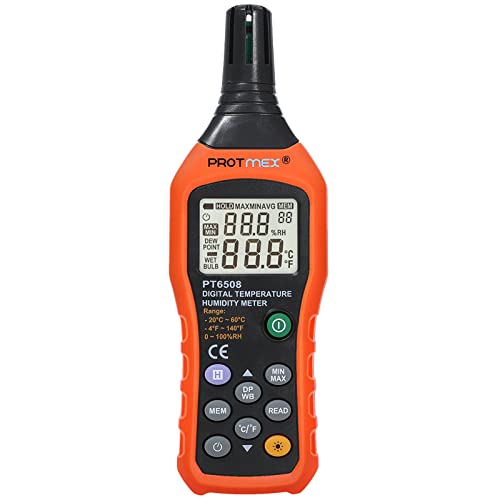
Indoor relative humidity above 60% creates conditions that support ongoing mold growth. If your home has sustained high humidity, especially above 70%, Group 1 mold species can proliferate rapidly, which will be reflected in a higher ERMI score. Maintaining indoor relative humidity between 30% and 50% is the standard recommendation for mold prevention. A high ERMI score combined with documented high humidity suggests the source of moisture must be resolved before remediation will produce lasting results.
What to Do After Getting Your ERMI Results
An ERMI score is a starting point, not a final verdict. Here is a practical approach based on your results:
- Score below 0: Maintain current conditions. Focus on humidity control, adequate ventilation, and prompt repair of any future leaks.
- Score between 0 and 5: Identify and address any known moisture sources. Re-test in 6 to 12 months if symptoms or concerns persist.
- Score between 5 and 10: Hire a certified mold inspector (look for ACAC or IICRC credentials) for a visual inspection and possibly targeted air or surface sampling to locate the source. Read our guide on choosing the right mold test for your situation.
- Score above 10: Professional remediation is very likely warranted. Do not attempt to address this level of contamination with consumer products alone. Get an assessment from a qualified remediator and request a post-remediation ERMI to verify clearance.
The cost of professional ERMI testing typically ranges from $200 to $400 for the lab analysis alone, depending on the lab and whether it includes a consultation. A professional inspection that includes ERMI sampling may run $400 to $800 depending on home size and region. Post-remediation clearance testing adds another $200 to $400. These costs are modest compared to the expense of remediation for a problem that was not caught early, or the health consequences of prolonged exposure. Consult a qualified physician if you or any household members are experiencing symptoms you believe may be related to mold exposure, this article is informational only and does not constitute medical advice.
For additional context on how ERMI results compare to other testing methods, see our article on ERMI vs. air sampling: which test is right for you.
Frequently Asked Questions
What is a good ERMI score for a healthy home?
A score below 0 is generally considered good, indicating that the home’s mold profile is lower than the average American home in the EPA’s reference database. Scores between 0 and 5 are in the normal range but should prompt attention to any moisture issues. Scores above 5 are elevated and warrant professional investigation.
Can a low ERMI score mean there is no mold problem?
A low ERMI score reduces the probability of significant water-damage mold but does not guarantee a mold-free home. The ERMI tests only 36 species, and sampling is limited to settled dust in the areas collected. A visual inspection by a certified professional is still valuable, especially if there are musty odors, visible staining, or known water intrusion history. The ERMI is best used as one part of a broader assessment.
How soon after remediation should I re-test with an ERMI?
Most remediation professionals recommend waiting at least a few days after remediation is complete and the space has been cleaned and dried before collecting a post-remediation dust sample. Some protocols call for a minimum settling period of 24 to 72 hours after final cleaning. Confirm the timing with your remediator and the certifying inspector, as protocols can vary. A post-remediation ERMI score that has dropped significantly from the pre-remediation baseline is a strong indicator of successful treatment.
Does an ERMI test detect Stachybotrys (black mold)?
Yes. Stachybotrys chartarum is one of the 26 Group 1 species included in the ERMI panel. However, Stachybotrys does not always shed spores readily into the air or settle heavily into dust, so a “None Detected” result does not rule out its presence somewhere in the structure. If there is visible dark staining on water-damaged materials, targeted surface sampling or bulk sampling of the material itself may be more diagnostic than a dust-based ERMI alone.
Is the ERMI score the same as the HERTSMI-2 score?
No. The HERTSMI-2 is a shorter, derived index that scores only 5 of the 36 ERMI species: Stachybotrys chartarum, Aspergillus versicolor, Chaetomium globosum, Wallemia sebi, and Penicillium variabile. It was developed as a lower-cost screening tool and uses a different point-based scoring system rather than a log subtraction formula. Many labs can calculate a HERTSMI-2 score from the same ERMI dust sample, so you do not necessarily need to pay for a separate test. For more detail on these related tools, see our overview of mold testing methods.
These statements have not been evaluated by the Food and Drug Administration. This information is not intended to diagnose, treat, cure, or prevent any disease. Content is for informational purposes only and is not medical advice; consult a qualified healthcare provider before starting any supplement. As an Amazon Associate we earn from qualifying purchases.