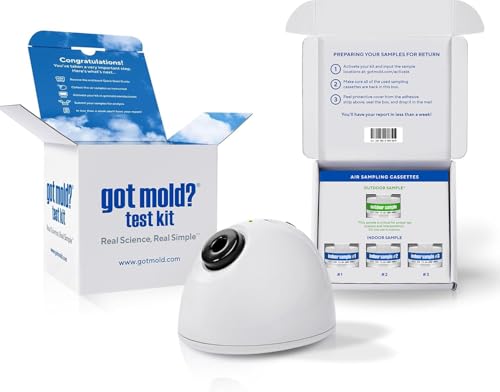
If you suspect mold is affecting your health or your home, knowing how to test for mold exposure means understanding two separate but complementary types of tests: one that measures the mold burden in your building, and one that looks for mycotoxin evidence in your body. Used together, these tests give you a far clearer picture than either one alone. This article explains how ERMI testing works for your home environment and how urine mycotoxin testing works for your body, so you can make informed decisions alongside qualified professionals.
Why Two Tests Instead of One?
A common mistake people make is assuming that a single test answers all their questions. It does not. An environmental test tells you what mold species are present in your home and at what relative levels. A body-based test tells you whether mycotoxins, the toxic compounds produced by certain mold species, are present in your tissues or being excreted. These are distinct questions, and they require distinct methodologies.
Someone can have a high mold burden in their home but excrete mycotoxins efficiently, showing lower body levels. Conversely, someone who has moved out of a moldy building may still carry a significant body burden while their new environment tests clean. Pairing both tests helps you and your healthcare provider understand the full picture. Always work with a certified mold inspector and a qualified physician when interpreting results.
ERMI Testing: Measuring Your Home’s Mold Burden
The Environmental Relative Moldiness Index, commonly called ERMI, is a dust-based DNA analysis developed by the U.S. EPA. It uses a method called MSQPCR (mold-specific quantitative polymerase chain reaction) to identify and quantify 36 mold species from a single settled-dust sample collected from your home.
How the ERMI Score Works
The 36 mold species are divided into two groups:
- Group 1 (26 species): Water-damage-associated molds, including notorious species like Stachybotrys chartarum, Chaetomium globosum, and several Aspergillus and Penicillium species linked to moisture problems.
- Group 2 (10 species): Common indoor/outdoor molds that appear in most homes regardless of water damage, used as a baseline reference.
The ERMI score is calculated by subtracting the log sum of Group 2 species from the log sum of Group 1 species. Scores typically range from about -10 to +20. As a general reference point, scores above 5 are considered elevated, and scores above 10 are associated with a higher likelihood of a significant mold problem. The EPA provides background on this methodology through their research publications. You can review foundational EPA guidance on indoor air quality at the EPA Indoor Air Quality resource center.
How to Collect an ERMI Sample
Most commercially available ERMI kits use one of two collection methods:
- Swiffer-style electrostatic cloth: You wipe a defined surface area, typically 2 square feet from multiple rooms, and send the cloth to the lab.
- Vacuum collection: A small vacuum with a collection filter gathers settled dust from carpet or flooring across a larger area, often 30 to 100 square feet.
The vacuum method is generally considered more representative of the whole-home dust reservoir. Many labs offer ERMI kits with prepaid return shipping. Laboratory costs typically range from $150 to $325 depending on the provider and turnaround time. Results usually return within 5 to 10 business days.
ERMI Limitations You Should Know
ERMI is a screening tool, not a definitive assessment. It does not tell you where mold is growing, how extensive the growth is, or whether the source has been remediated. A high ERMI score warrants a full inspection by a certified mold professional. The ERMI also does not measure airborne spore counts in real time, which means conditions can vary based on ventilation, season, and recent disturbances to the dust reservoir. For a deeper look at professional inspection options, see our guide on mold testing methods.
Urine Mycotoxin Testing: Looking at Your Body’s Burden
While ERMI examines your environment, urine mycotoxin testing examines what your body is actually excreting. Certain laboratories offer tests that detect and quantify specific mycotoxins in urine using mass spectrometry or immunoassay methods. Common mycotoxins screened include ochratoxin A, aflatoxins, trichothecenes, gliotoxin, and zearalenone.
This type of testing is ordered and interpreted by physicians, typically integrative medicine doctors, functional medicine practitioners, or clinicians who specialize in biotoxin illness. It is not a self-diagnosis tool. The results are one data point in a broader clinical picture.
Provoked vs. Non-Provoked Tests
One of the most important distinctions in urine mycotoxin testing is whether the test is provoked or non-provoked. This choice significantly changes what the result means:
- Non-provoked (baseline): You collect first-morning urine without any prior intervention. This reflects your current daily mycotoxin excretion burden, essentially, what your body is clearing on its own right now. This is useful for gauging ongoing exposure.
- Provoked: Prior to collection, you use an agent, such as sauna therapy or lymphatic massage, to mobilize mycotoxins stored in tissues so they can be excreted. Urine is then collected for a 6-hour window following the provoking activity. This approach reflects total body burden more than daily exposure. Provocation is more appropriate for people who are poor excretors or who want to assess accumulated tissue stores.
The choice between provoked and non-provoked testing is a clinical decision you should make with your doctor, not independently. Each method answers a different question.
Dietary and Supplement Preparation Before Testing
Because mycotoxins are naturally present in many common foods and beverages, preparation before urine collection is critical for accurate results. Without proper preparation, dietary mycotoxins can elevate your results and lead to misinterpretation. For 3 days before collecting your sample, standard preparation guidance includes avoiding foods and beverages that commonly carry mycotoxins.
Foods and beverages to avoid for 3 days prior:
- All grains
- Leavened bread
- Yeast (baker’s, brewer’s, and nutritional)
- Commercial dairy (organic is generally acceptable)
- Aged and moldy cheeses
- Peanuts and peanut butter
- Corn
- Dried fruits
- Mushrooms
- Potatoes
- Cured meats
- Pickles and pickled foods
- Vinegar
- Soy and soy sauce
- Oolong and black tea
- Alcoholic beverages
- Fermented beverages such as cider and kombucha
- Cantaloupe, grapes, and apples
Supplements to avoid before testing:
- Binders (charcoal, cholestyramine, clay-based binders)
- Saccharomyces boulardii
- Medicinal mushrooms
- Red yeast rice
On the morning of collection, avoid eating or drinking, exercise, hot showers, and strenuous activity before providing your sample, as these can influence results. If you are unable to follow the dietary preparation protocol, discuss serum mycotoxin antibody testing with your doctor as an alternative approach.
Other Factors That May Affect Results
Several additional factors can influence urine mycotoxin levels and should be discussed with your prescribing physician before testing:
- Glutathione and precursors such as alpha-lipoic acid and NAC
- Deep-tissue massage
- Methylene blue
- Sauna use
- Strenuous exercise
- Acute infection
Note that if you are using Great Plains or Vibrant America labs for a provoked test, glutathione should be avoided as a provoking agent specifically with those platforms.
Using ERMI and Mycotoxin Testing Together
When both tests are used in sequence or simultaneously, they can reveal patterns that neither reveals alone. A high ERMI score paired with elevated urine mycotoxins points strongly toward an active environmental exposure driving body burden. A clean ERMI score with elevated urine mycotoxins may suggest a prior exposure, a different exposure source, or a poor excretion issue. A high ERMI with low or normal urine mycotoxins may indicate that the person is excreting efficiently or that exposure is recent.
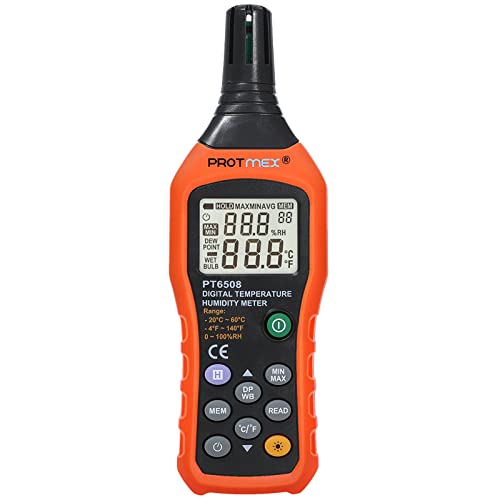
These patterns should always be interpreted by a qualified clinician alongside a physical examination and symptom history. Mold-related illness is complex, and no single lab value is diagnostic on its own. Learn more about the full evaluation process in our article on recognizing mold-related health symptoms and our overview of professional mold remediation for when an environmental problem is confirmed.
What to Do With Your Results
If your ERMI score is elevated, the next step is a professional mold inspection and, if indicated, air and surface sampling to identify source locations. Remediation should be performed according to IICRC S520 standards by a certified remediator. Do not attempt to remediate large areas, generally defined as more than 10 square feet, without professional help.
If your urine mycotoxin test shows elevated levels, bring those results to a physician experienced with mold-related illness. Treatment and detoxification protocols are individualized and fall outside the scope of this informational resource. Visit our mold testing category for guidance on finding certified inspectors and labs in your area.
Frequently Asked Questions
What is a normal ERMI score for a healthy home?
ERMI scores below 2 are generally associated with typical, lower-mold environments. Scores between 2 and 5 are in a borderline range that warrants attention, especially if occupants have symptoms. Scores above 5 are considered elevated, and scores above 10 are strongly associated with water-damage-related mold problems. These thresholds are reference points, not absolute cutoffs, and should be interpreted alongside a full inspection by a certified professional.
Can I use ERMI to confirm that remediation was successful?
ERMI can be used as one tool in post-remediation verification, but it has limitations in this role because settled dust can retain mold DNA long after active growth has been eliminated. Post-remediation clearance testing typically involves a combination of air sampling, surface tape lifts, and visual inspection in addition to or instead of ERMI. Consult with your remediator and a certified indoor environmental professional about the right clearance protocol for your situation. See our section on mold removal and clearance testing for more detail.
Do I need a doctor’s order to get a urine mycotoxin test?
Most urine mycotoxin tests are ordered through a licensed healthcare provider. Some direct-to-consumer laboratory options exist, but test preparation, result interpretation, and any treatment decisions require physician oversight. Self-ordering and self-interpreting these tests without clinical guidance can lead to misinterpretation and inappropriate treatment. Always involve a qualified healthcare provider.
Why does diet matter so much before a urine mycotoxin test?
Mycotoxins occur naturally in a wide range of common foods, including grains, peanuts, corn, dried fruits, and fermented products. If you consume these foods in the days before testing, the mycotoxins from your diet will appear in your urine alongside any that may be coming from environmental exposure or stored body burden. This can produce falsely elevated results. A 3-day dietary preparation window helps ensure the test reflects your actual exposure and body burden rather than recent food intake.
Is a high urine mycotoxin result proof that mold made me sick?
A positive urine mycotoxin result indicates that your body is excreting detectable mycotoxins, but it is not by itself a diagnosis of mold illness. Mycotoxin exposure can come from food, occupational settings, or the built environment, and people vary widely in how they respond to the same exposure levels. Elevated results should be evaluated by a physician who can correlate them with your symptom history, other laboratory findings, and environmental test data. For context on health symptoms that may relate to mold exposure, the CDC’s resources on indoor environmental quality and mold provide a useful reference point.
These statements have not been evaluated by the Food and Drug Administration. This information is not intended to diagnose, treat, cure, or prevent any disease. Content is for informational purposes only and is not medical advice; consult a qualified healthcare provider before starting any supplement. As an Amazon Associate we earn from qualifying purchases.