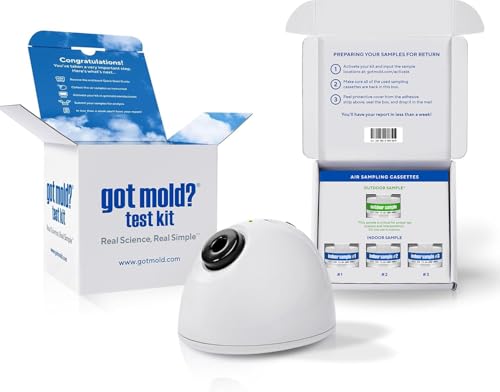
If you suspect mold is affecting your home or your health, the worst thing you can do is guess. A structured situation audit gives you a clear picture of what you are dealing with before you spend money on remediation or pursue any health interventions. This article walks you through how to assess mold exposure by examining both your living environment and your body, so you can make informed decisions and work effectively with qualified professionals.
Why You Need a Two-Sided Assessment
Most people focus exclusively on one side of the mold problem: either they test the house and ignore their symptoms, or they chase health complaints without ever confirming whether their environment is the source. Neither approach is complete. Mold exposure is a building problem and a body problem at the same time, and the two reinforce each other. A contaminated space continually reloads the body with mycotoxins, while a body that is already burdened has a harder time tolerating even low-level exposures.
A thorough situation audit looks at both sides simultaneously. Once you have that full picture, you can build a realistic action plan rather than spending money on solutions that address only half the issue.
Step One: Recognize Whether an Investigation Is Warranted
Before running any tests, confirm that at least one meaningful indicator is present. Either of the two below is enough to justify moving forward with a full audit.
- Physical symptoms that are unexplained or chronic and that seem to improve when you are away from the building for several days.
- History of water damage, visible moisture staining, musty odors, or known leaks in the home or workplace, whether past or present.
Common symptoms associated with mold and mycotoxin exposure can include fatigue, brain fog, sinus congestion, headaches, and skin irritation, among others. These symptoms overlap with many other conditions, so this article is informational only and is not a substitute for medical advice. If you are experiencing health symptoms, consult a licensed physician or qualified healthcare provider. The CDC’s mold FAQ is a reliable starting point for understanding general health considerations related to mold.
Step Two: Audit the Environment
Your home or workplace audit should answer one central question: is there a mold problem, and if so, where is it coming from? This requires the right testing method and, eventually, a qualified inspector.
Choose the Right Test: ERMI Over Air Testing
For an initial home screen, an ERMI (Environmental Relative Moldiness Index) dust test is generally preferred over standard air sampling. Air testing captures only what is airborne at one specific moment, which means it can miss settled spore reservoirs in carpets, subfloor materials, and wall cavities. ERMI testing analyzes a dust sample from the living space using DNA-based analysis (MSQPCR) to identify and quantify 36 mold species.
ERMI scores range roughly from about -10 (very clean) to +20 or higher (heavily contaminated). A score above 0 warrants attention; scores above 5 are associated with higher health risk in sensitive individuals, and scores in double digits indicate a serious problem. That said, the score is a screening tool, not a final diagnosis of the building. You still need a qualified inspector to locate the source.
See our full breakdown of testing options in our mold testing category.
Control Humidity at the Source
While you wait for test results, document every area of the home that has experienced moisture. Mold requires sustained relative humidity above 60 percent to colonize building materials. Ideal indoor humidity is between 30 and 50 percent. Walk through the building and note:
- Water stains on ceilings, walls, or around windows
- Discoloration or bubbling of paint or drywall
- Warped flooring or baseboards
- Musty odor in basements, crawlspaces, or closets on exterior walls
- Condensation on windows or cold pipes during cooler months
Photograph everything and record approximate locations. This documentation becomes essential for the inspection phase.
When to Bring in a Professional Inspector
If your ERMI score is elevated or you have visible signs of water damage, the next step is an inspection by a qualified indoor environmental professional (IEP) or building biologist. A good inspector will use moisture meters, thermal imaging, and visual assessment to locate the origin of water intrusion. They can identify hidden mold behind walls or under flooring that no surface test would catch.
For more on what to expect from a professional inspection, visit our mold removal and remediation category.
Step Three: Audit the Body
Environmental testing tells you about the building. Functional lab testing tells you what, if anything, has accumulated in your body and how your system is responding. This is particularly important because two people living in the same moldy house can have very different physiological responses based on their genetics, immune status, and prior exposures.
Functional Labs Worth Considering
The following tests are commonly used as part of a mold-related health assessment. These are not diagnostic medical tests in the conventional sense, and their interpretation should be guided by a qualified healthcare or functional health practitioner:

| Test | What It Assesses |
|---|---|
| Mycotoxin Panel (urine) | Screens for a range of mycotoxins, including ochratoxin, trichothecenes, and aflatoxins |
| Organic Acids Test (OAT) | Evaluates metabolic markers, nutritional deficiencies, and indicators of yeast or mold overgrowth in the gut |
| Tickborne Panel | Relevant because Lyme and co-infections often present alongside mold illness and can complicate recovery |
Running baseline labs before your first practitioner consultation is useful because it gives the practitioner data to work from on day one. However, the lab results mean much more in context. Work with a licensed physician or a qualified functional health practitioner who has specific experience with mold and mycotoxin cases to interpret results and build a protocol.
Tracking Symptom Patterns
Before your consultation, keep a simple symptom log for one to two weeks. Note the time of day symptoms appear, your location, and any changes when you travel or spend time in a different building. This pattern data is often more revealing than people expect and helps a practitioner distinguish building-related illness from other root causes.
For context on how symptoms fit into the broader picture, see our article on tracking mold health symptoms.
Step Four: Bring the Two Sides Together
Once you have your ERMI results and your lab work in hand, you are ready for a meaningful consultation. At this point, you are not guessing. You have objective data about both your environment and your body, and a qualified professional can help you prioritize next steps.
The order of operations matters. Attempting to recover your health while still living in an active mold environment is ineffective. The body needs a clean, low-toxin space to repair. That means the environmental side of the plan should be addressed in parallel with or prior to aggressive health interventions.
Remediation of a contaminated space typically involves identifying and stopping active water intrusion, removing compromised materials, and cleaning surfaces and contents using protocols established by a qualified remediator. For small, contained areas under 10 square feet, careful DIY removal may be appropriate. For anything larger, or any area involving HVAC systems, structural materials, or crawlspaces, professional remediation is strongly recommended. Costs for professional mold remediation vary widely, from approximately $500 for a minor localized job to $10,000 or more for whole-house contamination.
For a detailed walkthrough of the remediation process, see our professional remediation guide.
Ongoing Monitoring After the Audit
A situation audit is not a one-time event. After remediation, periodic ERMI retesting (typically at three to six months post-remediation) confirms the work was effective and that no new moisture sources have developed. Maintaining indoor humidity between 30 and 50 percent year-round remains the single most effective preventive measure against future mold growth. Inspect areas prone to condensation, including crawlspaces, around windows, and in bathrooms, at least seasonally.
Frequently Asked Questions
What is the most important first step in assessing mold exposure?
The most important first step is confirming that at least one key indicator is present: physical symptoms that may be environment-related, or a known or suspected history of water damage in your home or workplace. If either is true, proceed with both a home test and a consultation with a qualified professional. Skipping straight to remediation without testing means you may miss the actual source of the problem.
Why is ERMI testing recommended over standard air sampling?
Standard air sampling captures a snapshot of what is airborne at a single moment, which can miss significant mold reservoirs settled in dust and building materials. ERMI testing analyzes accumulated dust from the living area using DNA-based analysis, giving a broader picture of the mold species present and their relative concentrations. ERMI scores above 0 warrant attention, and scores above 5 are associated with increased health risk in sensitive individuals. Air testing can still be useful in specific scenarios, such as post-remediation clearance testing, but it is generally not the best first-pass screening tool.
Can I clean up mold myself, or do I always need a professional?
The EPA generally considers mold patches under 10 square feet suitable for careful DIY removal using appropriate protective equipment and containment procedures. Areas larger than that, mold involving HVAC systems, or any situation where the source of moisture is unknown or unresolved should involve a certified mold remediation professional. Attempting to clean mold without addressing the underlying water source guarantees the problem will return.
How do I know if my symptoms are related to mold exposure?
There is no single symptom or test that definitively proves mold is the cause of a health complaint, which is why this type of assessment is inherently a process of ruling things in and out. A useful clue is whether symptoms improve when you spend several consecutive days away from the building in question. Functional lab work, such as a mycotoxin urine panel or organic acids test, can provide additional data points. Always consult a licensed physician to rule out other medical causes before attributing symptoms to mold.
What should I do if my ERMI score comes back elevated?
An elevated ERMI score is a signal to investigate further, not an immediate call to gut your home. The next step is a professional inspection by a qualified indoor environmental professional or building biologist who can locate the water source driving the mold growth. From there, a targeted remediation plan can be developed. Retesting with ERMI after remediation is complete helps confirm the work was effective.
These statements have not been evaluated by the Food and Drug Administration. This information is not intended to diagnose, treat, cure, or prevent any disease. Content is for informational purposes only and is not medical advice; consult a qualified healthcare provider before starting any supplement. As an Amazon Associate we earn from qualifying purchases.