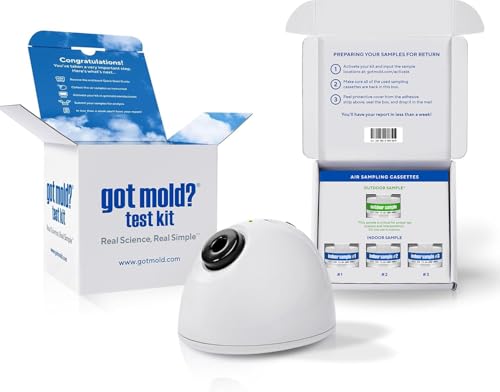
Mold problems are often invisible until they become serious. Many homeowners notice something is wrong only after persistent health complaints, a mysterious odor, or visible discoloration appears on a wall or ceiling. Knowing the signs of mold in a house early gives you the best chance to act before the problem spreads and before prolonged exposure affects your health.
Why Mold Is So Easy to Miss
The EPA estimates that approximately 50% of fungal growth in buildings is hidden from view. Mold grows inside wall cavities, beneath flooring, behind drywall, inside ductwork, and under insulation. By the time you can see it, a colony is often already well established. This is part of why mold has earned a reputation for being difficult to detect without professional testing.
Mold spores are dormant until they contact moisture. Once wet, the EPA, CDC, and National Institutes of Health all agree that mold can begin to grow and release spores into the air within 24 to 48 hours. That window is short, and any water intrusion event, whether a slow pipe leak, roof damage, or a flooding appliance, can set the process in motion quickly.
Physical Warning Signs in the Building
Before symptoms appear in occupants, the building itself often shows warning signs. Knowing what to look for can help you catch a mold problem earlier.
Visible Mold Growth
Visible mold is the most obvious sign, but it is frequently misidentified. It may appear as black, gray, green, white, or orange spots. Common locations include grout lines in bathrooms, caulk around tubs and sinks, window sills and frames, basement walls, and ceiling tiles. Even a small patch should not be ignored. A visible area smaller than 10 square feet may be manageable by a careful homeowner, but anything larger typically warrants a certified remediation professional. See our guide to mold removal options for more detail on when to call a pro.
Musty or Earthy Odor
A persistent musty smell is one of the most reliable early signs of mold in a house, even when no growth is visible. That odor is caused by volatile organic compounds (VOCs) produced by mold colonies. If a room, basement, or closet smells damp or earthy even after cleaning, there is likely active mold growth somewhere nearby. Chronic exposure to even low levels of mold VOCs can cause serious health problems over time.
Water Damage History or Current Moisture Problems
Any history of water damage is a strong indicator of potential mold. This includes:
- Staining or discoloration on ceilings or walls
- Bubbling, peeling, or warping paint
- Buckled hardwood floors or swollen baseboards
- Rust stains around pipes or fixtures
- Efflorescence (white mineral deposits) on basement walls
- Condensation regularly forming on windows, walls, or pipes
Water intrusion from leaky roofs, pipes, windows, poorly maintained flashings, and flooding from appliances like washing machines, dishwashers, and ice makers are all documented sources of mold growth. Indoor humidity above 60% consistently creates conditions favorable for mold. Keeping indoor relative humidity between 30% and 50% is the range most experts recommend for mold prevention.
HVAC and Ductwork Concerns
Even small amounts of mold growth inside an air conditioning system or ductwork can result in occupants being continuously exposed to mold spores throughout the entire living space. Signs to watch for include visible dust buildup with dark discoloration around registers, musty odors that appear only when the system runs, and a history of water in the air handler or drain pan.
Health Symptoms That May Signal Mold Exposure
This section is informational only. It does not constitute medical advice or diagnosis. If you are experiencing health symptoms, consult a qualified medical professional. Mold-related health concerns fall under YMYL territory and require professional evaluation.

The World Health Organization has referred to mycotoxins, the toxic compounds produced by mold, as a “Great Masquerader” because the symptoms they cause mimic many other conditions. Patients affected by mycotoxin exposure are frequently misdiagnosed with chronic Lyme disease, chronic fatigue syndrome, fibromyalgia, autoimmune disorders, or psychiatric conditions including depression.
Common Symptoms Reported by Occupants
The following symptoms, particularly when they improve during time away from the home and return upon coming back, may warrant investigation for mold exposure:
- Persistent coughing, sneezing, or nasal congestion
- Recurring headaches
- Fatigue that does not resolve with rest
- Brain fog or difficulty concentrating
- Watery, itchy, or irritated eyes
- Skin irritation or rashes
- Shortness of breath or wheezing
- Heightened sensitivity to chemicals, odors, or foods
- Digestive complaints
How a person responds to mold and mycotoxin exposure depends on several individual factors, including overall health status, nutritional status, the presence of other medical conditions, the duration of exposure, and age. Children and the elderly are generally considered more vulnerable.
The alteration of immune responses from mycotoxin exposure may also reduce the immune system’s ability to respond to other environmental challenges. This can explain why some individuals with mold exposure report an expanding list of sensitivities over time. For more information on the health side of mold exposure, see our mold illness resource section.
The Location and Timing Pattern Matters
A key diagnostic clue is whether symptoms follow a pattern tied to location. If you feel significantly better on vacation, during a work trip, or after spending extended time away from home, and symptoms return when you come back, that pattern strongly suggests the home environment may be a contributing factor. Keeping a simple symptom diary noting location and time of day can help you identify this pattern before consulting a professional.
A Simple Two-Indicator Checklist
A straightforward way to decide whether further investigation is needed involves checking just two questions:
| Indicator | Present? |
|---|---|
| Are physical symptoms present in one or more occupants? | Yes / No |
| Is there a history of, or observed signs of, water damage in the home? | Yes / No |
If either box is checked, the situation warrants formal investigation. Proceeding with environmental testing and a professional inspection is the appropriate next step. Waiting or hoping the issue resolves on its own is rarely effective, and mold does not go away without addressing the moisture source.
Next Steps: Testing and Professional Assessment
If warning signs are present, a structured approach to testing and assessment makes sense. Air testing alone is widely considered insufficient for a complete picture of mold contamination. The ERMI (Environmental Relative Moldiness Index) is a dust-based DNA test that many inspectors and functional health practitioners recommend for a more thorough environmental assessment. Learn more about how testing works in our mold testing guide.
A qualified indoor environmental professional (IEP) or certified mold inspector can use moisture meters, thermal imaging, and visual inspection to locate hidden moisture sources and mold colonies. The EPA’s mold guidance recommends that remediation areas larger than 10 square feet be handled by trained professionals following established protocols.
If health symptoms are a concern alongside the environmental findings, working with a physician familiar with environmental illness is advisable. Functional lab panels, including mycotoxin urine testing and organic acids testing, are used by some practitioners to assess internal exposure. These should be ordered and interpreted by a qualified health professional.
For guidance on what to do after confirming a problem, our mold remediation process overview walks through how professional remediation works step by step. You can also review our article on finding hidden mold in your home for practical inspection techniques you can use before calling a professional.
Frequently Asked Questions
What are the most common signs of mold in a house?
The most common signs include a persistent musty or earthy odor, visible discoloration on walls or ceilings, a history of water damage or leaks, condensation on windows or walls, and health symptoms in occupants that improve when they leave the building. You do not need to see visible mold to have a significant mold problem, since roughly half of mold growth can be hidden from view.
Can mold make you sick even if you cannot see it?
Yes. Hidden mold inside walls, under flooring, or in ductwork can still release spores and mycotoxins into the air you breathe. Chronic exposure to low levels of airborne mold spores and VOCs is well documented in the medical literature as a cause of serious health problems. If symptoms improve when you leave your home and return when you come back, that pattern is worth investigating. Always consult a medical professional regarding any health concerns.
How quickly does mold grow after water damage?
According to the EPA, CDC, and National Institutes of Health, mold can begin to grow and release spores within 24 to 48 hours of a surface becoming wet. This is why prompt drying and repair after any water intrusion event is critical. Waiting several days before addressing wet materials significantly increases the risk of mold establishment.
What humidity level prevents mold growth?
Most experts recommend maintaining indoor relative humidity between 30% and 50% to discourage mold growth. Once indoor humidity consistently exceeds 60%, conditions become favorable for mold colonies to establish and expand. Inexpensive digital hygrometers can help you monitor humidity in different areas of your home, especially basements and bathrooms.
When should I hire a professional instead of handling mold myself?
The EPA recommends that any mold contamination covering more than 10 square feet be handled by a trained remediation professional. You should also call a professional if mold is present in your HVAC system, if the contamination is the result of sewage or contaminated water, if you or household members have health conditions that make mold exposure especially risky, or if you are unable to identify and fix the underlying moisture source. A certified indoor environmental professional (IEP) can help locate hidden mold and develop a remediation plan before work begins.
These statements have not been evaluated by the Food and Drug Administration. This information is not intended to diagnose, treat, cure, or prevent any disease. Content is for informational purposes only and is not medical advice; consult a qualified healthcare provider before starting any supplement. As an Amazon Associate we earn from qualifying purchases.