Our Pick
See it on Amazon ›
Our pick for best mid-range smart air purifier
The Levoit Core 600S-P is AHAM VERIFIDE at 391 CFM for rooms up to 2,933 sq ft, with a 3-stage filter and an auto mode that raises fan speed when its own sensor reads a spike.
99.97% on 0.1 to 0.3 micron particles
As an Amazon Associate, we earn from qualifying purchases. Filtration captures airborne spores. It does not remove mold growing on a surface.
MoldActionPlan is reader-supported. We may earn a commission from qualifying purchases made through links on this page, at no extra cost to you. This is educational information, not professional or medical advice.
Mold growth in your home is a serious concern, often stemming from excess humidity. Dehumidifiers are powerful tools in the fight against mold, working to reduce the moisture levels that allow spores to thrive. When considering a dehumidifier for mold prevention and control, a key decision you’ll face is choosing between a Whole-House / Ducted Dehumidifier and a Portable Room Dehumidifier. This comparison article will help you understand the nuances of each option, guiding you to make an informed choice for your specific situation. Understanding the differences between a whole house vs portable dehumidifier is crucial for effective mold management. While both aim to lower indoor humidity, their operational scope, installation, maintenance, and overall cost-effectiveness vary significantly. This guide will break down each type, outlining their features, ideal use cases, pros, and cons, so you can confidently select the best dehumidifier to protect your home from mold.Understanding Humidity and Mold
Mold thrives in environments with high humidity, typically above 60%. Reducing indoor humidity to a range of 30-50% is a widely recommended strategy to inhibit mold growth. Dehumidifiers work by drawing in moist air, cooling it to condense the water vapor, and then releasing drier air back into the space. The collected water is either stored in a reservoir that needs to be emptied or drained away. While dehumidifiers don’t kill existing mold, they create an inhospitable environment, preventing new growth and making it easier to remediate existing issues.Portable Room Dehumidifier
What is a Portable Room Dehumidifier?
A Portable Room Dehumidifier is a standalone, plug-in unit designed to remove moisture from a single room or a confined area like a basement. These units are typically compact, often equipped with wheels for easy relocation, and feature an integrated water tank that collects condensed moisture. Many models also offer the option to connect a drain hose for continuous drainage, eliminating the need for manual emptying. They come in various sizes, measured by their pint capacity per day, indicating how much moisture they can remove in a 24-hour period.
Who is it Best For?
- Targeted Humidity Issues: Ideal for specific problem areas in a home, such as a damp basement, a humid bathroom without adequate ventilation, a laundry room, or a musty bedroom.
- Renters or Temporary Solutions: A great choice for individuals who rent their homes or need a temporary solution for humidity control without permanent installation.
- Budget-Conscious Homeowners: Generally a lower upfront investment compared to whole-house systems.
- Small to Medium Spaces: Best suited for controlling humidity in single rooms or open-plan areas up to a certain square footage, depending on the unit’s capacity.
- Intermittent Use: If humidity is only an issue during certain seasons or specific events (e.g., after a leak), a portable unit offers flexibility.
Pros of Portable Room Dehumidifiers
- Lower Upfront Cost: Portable Room Dehumidifiers are significantly less expensive to purchase than whole-house systems, making them accessible for many budgets. Check current pricing on Amazon.
- Easy Installation: Simply plug them into a standard electrical outlet, and they are ready to operate. No complex wiring or ductwork modifications are required.
- Portability and Flexibility: Their design allows them to be easily moved from one room to another, addressing humidity issues wherever they arise. This is particularly useful for homes with varying humidity levels in different areas.
- Targeted Dehumidification: You can focus the dehumidifying power precisely where it’s needed most, which can be more energy-efficient for isolated damp spots.
- No HVAC Integration Needed: Operates independently of your home’s heating and cooling system, meaning it can be used even when the HVAC is off.
- Variety of Sizes: Available in many capacities (pint ratings) to match the size and humidity level of the room you’re treating.
Cons of Portable Room Dehumidifiers
- Limited Coverage: Effective only for the room or immediate area they are placed in. They cannot effectively control humidity throughout an entire multi-room home.
- Manual Maintenance (Often): If not connected to a drain hose, the water tank needs to be emptied regularly, which can be a daily chore depending on humidity levels.
- Noise Levels: Many portable units produce noticeable operational noise, which can be disruptive in living areas or bedrooms.
- Takes Up Floor Space: Even compact units occupy floor space, which can be a consideration in smaller rooms.
- Less Energy Efficient (Per Cubic Foot): While cheaper to buy, they can be less energy-efficient per cubic foot of air processed compared to a whole-house system, especially if multiple units are used.
- Aesthetics: A portable unit may not seamlessly blend into your home’s decor.
- Less “Set-and-Forget”: Requires more manual intervention (emptying, moving) and monitoring to ensure consistent humidity control across different areas.
Whole-House / Ducted Dehumidifier
What is a Whole-House / Ducted Dehumidifier?
A Whole-House / Ducted Dehumidifier is a powerful, high-capacity system designed to integrate directly with your home’s existing HVAC (heating, ventilation, and air conditioning) ductwork. It works in conjunction with your furnace or air handler to remove moisture from the air circulating throughout your entire home. Unlike portable units, these systems are typically installed in an attic, basement, crawl space, or utility closet and are designed for continuous, automatic operation. They usually feature a dedicated drain line, eliminating the need for manual water disposal.Who is it Best For?
- Chronic Whole-Home Humidity Issues: Ideal for homes with persistent high humidity levels throughout multiple rooms, a musty smell, or widespread mold risk.
- Large Homes: Best for effectively managing humidity in larger residences where multiple portable units would be impractical or insufficient.
- Homeowners Seeking Convenience: Provides a “set-and-forget” solution with automatic operation and continuous drainage.
- Energy Efficiency Seekers: Often more energy-efficient for whole-home humidity control than running multiple portable units.
- Homes with Existing HVAC Systems: Designed to integrate seamlessly with central heating and cooling, using existing ductwork.
- Long-Term Mold Prevention: The most robust solution for proactive, continuous mold prevention across the entire living space.
Pros of Whole-House / Ducted Dehumidifiers
- Whole-Home Coverage: Effectively controls humidity levels uniformly throughout your entire house, ensuring consistent comfort and mold prevention in every room.
- Automated “Set-and-Forget” Operation: Once installed and set to your desired humidity level, the system operates automatically, requiring minimal intervention. Most units integrate with a central humidistat.
- Continuous Drainage: Connects directly to a drain, eliminating the need to manually empty water tanks, which is a significant convenience.
- Energy Efficiency: While the initial cost is higher, whole-house units are generally more energy-efficient for comprehensive humidity control than running multiple portable units simultaneously. They are designed for continuous, optimized operation.
- Improved Indoor Air Quality: By reducing humidity, these systems help prevent mold, mildew, and dust mites, contributing to healthier indoor air.
- Reduced Strain on AC: In humid climates, a whole-house dehumidifier can allow your air conditioner to run less, as it doesn’t have to work as hard to remove moisture from the air, potentially saving on cooling costs.
- Out of Sight, Out of Mind: Typically installed in an attic, basement, or utility closet, they are hidden from view and operate quietly, without taking up living space.
- Durability and Longevity: Built for continuous operation, these systems are generally more robust and have a longer lifespan than portable units.
Cons of Whole-House / Ducted Dehumidifiers
- Higher Upfront Cost: The initial purchase price of a Whole-House / Ducted Dehumidifier is substantially higher than a portable unit. Check current pricing on Amazon.
- Professional Installation Required: Installation is complex, requiring integration with your existing HVAC ductwork and electrical system. This typically necessitates professional installation, adding to the overall cost.
- Not Portable: Once installed, the system is fixed in place and cannot be moved to another location.
- No Targeted Spot Treatment: While excellent for whole-home control, they are not designed for isolated, extreme humidity issues in a single, disconnected space (e.g., a detached garage or a crawl space that isn’t part of the main duct system).
- Maintenance Can Be More Complex: While less frequent, maintenance may involve filter changes and professional servicing, which can be more involved than cleaning a portable unit.
- Requires Existing HVAC: This system is designed to work with central air systems, making it unsuitable for homes without ductwork or central HVAC.
Key Differences: Whole-House vs Portable Dehumidifier
- Coverage Area: Portable units are for single rooms or small areas; whole-house units cover the entire home.
- Installation: Portable units are plug-and-play; whole-house units require professional HVAC integration.
- Cost: Portable units have lower upfront costs; whole-house units have higher initial investment but may offer long-term energy savings for whole-home control.
- Maintenance: Portable units often require manual tank emptying; whole-house units feature continuous drainage. Both require filter cleaning/replacement.
- Convenience: Portable units offer flexibility to move; whole-house units provide automated, “set-and-forget” operation.
- Noise: Portable units can be noisy in living spaces; whole-house units are typically installed out of sight and operate quietly.
- Energy Efficiency: For targeted, small-area dehumidification, a portable unit can be efficient. For comprehensive, whole-home humidity control, a whole-house unit is generally more energy-efficient per cubic foot of air processed.
Making Your Decision
The choice between a Whole-House / Ducted Dehumidifier and a Portable Room Dehumidifier largely depends on the scope of your humidity problem, your budget, and your desire for convenience.- Choose a Portable Room Dehumidifier if:
- You have isolated areas of high humidity (e.g., a damp basement, a single musty room).
- Your budget is limited for the initial purchase.
- You need a temporary solution or live in a rental property.
- You don’t mind manual tank emptying or have access to a convenient drain for a hose.
- You need the flexibility to move the unit.
- Choose a Whole-House / Ducted Dehumidifier if:
- You experience consistent high humidity throughout your entire home.
- You are looking for a permanent, “set-and-forget” solution for long-term mold prevention.
- You have a larger home where multiple portable units would be inadequate or inefficient.
- You prioritize convenience, quiet operation, and integration with your existing HVAC system.
- You are prepared for a higher initial investment, including professional installation.
Frequently Asked Questions
Can a portable dehumidifier really prevent mold?
Yes, a Portable Room Dehumidifier can effectively prevent mold growth in the specific area it is operating in by reducing humidity levels below the threshold where mold thrives (typically below 60%). However, its effectiveness is limited to that single room or immediate space and won’t address humidity issues in other parts of your home.Is a whole-house dehumidifier worth the investment?
For homeowners dealing with persistent, widespread high humidity throughout their entire house, a Whole-House / Ducted Dehumidifier is often a worthwhile investment. It provides consistent, automated, and energy-efficient humidity control across all living spaces, offering long-term protection against mold, improved indoor air quality, and enhanced comfort without the daily hassle of portable units.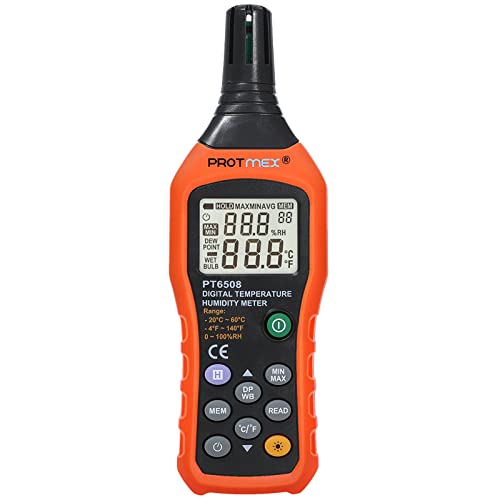
Can I use multiple portable dehumidifiers instead of one whole-house unit?
While you can use multiple Portable Room Dehumidifiers, it’s generally not as efficient or convenient as a single Whole-House / Ducted Dehumidifier for comprehensive home coverage. Running multiple units can lead to higher overall energy consumption, increased noise, more frequent manual emptying, and uneven humidity control across different areas. A whole-house system is designed for uniform, optimized performance.How important is the pint capacity for a dehumidifier?
The pint capacity (e.g., 30-pint, 50-pint, 70-pint) is very important as it indicates how much moisture a dehumidifier can remove from the air in 24 hours. A higher pint capacity is needed for larger spaces or extremely damp conditions. For a Portable Room Dehumidifier, match the capacity to the room size. For a Whole-House / Ducted Dehumidifier, the capacity is calculated based on the entire home’s square footage and humidity levels.Do dehumidifiers help with existing mold?
Dehumidifiers do not kill existing mold. Their primary function is to remove moisture from the air, thereby creating an environment that is unfavorable for mold growth. By reducing humidity, they prevent new mold from forming and can help dry out areas where mold has already appeared, making it easier to clean and remediate. However, any existing mold must be physically removed and the underlying moisture source addressed.These statements have not been evaluated by the Food and Drug Administration. This information is not intended to diagnose, treat, cure, or prevent any disease. Content is for informational purposes only and is not medical advice; consult a qualified healthcare provider before starting any supplement. As an Amazon Associate we earn from qualifying purchases.
