Our Pick
See it on Amazon ›
Our pick for best mid-range smart air purifier
The Levoit Core 600S-P is AHAM VERIFIDE at 391 CFM for rooms up to 2,933 sq ft, with a 3-stage filter and an auto mode that raises fan speed when its own sensor reads a spike.
99.97% on 0.1 to 0.3 micron particles
As an Amazon Associate, we earn from qualifying purchases. Filtration captures airborne spores. It does not remove mold growing on a surface.
MoldActionPlan is reader-supported. We may earn a commission from qualifying purchases made through links on this page, at no extra cost to you. This is educational information, not professional or medical advice.
Mold thrives in damp environments, making proper humidity control a critical component of any effective mold remediation and prevention strategy. When tackling a mold problem or aiming to prevent one, choosing the right dehumidifier is paramount. Two primary types dominate the market: compressor (refrigerant) and desiccant dehumidifiers. Understanding the nuances of desiccant vs compressor dehumidifier performance is essential for making an informed decision for your specific situation. This article will explore the characteristics, advantages, and disadvantages of both Compressor Dehumidifiers and Desiccant Dehumidifiers, helping you determine which is the superior choice for tackling mold in different areas of your home in 2026. From warm, humid basements to cold, damp crawl spaces, the right dehumidifier can make all the difference in maintaining a dry, mold-free environment.Compressor (Refrigerant) Dehumidifier
A Compressor Dehumidifier, also known as a refrigerant dehumidifier, is the most common type found in homes and businesses. These units operate on a principle similar to a refrigerator or air conditioner. Warm, humid air is drawn into the unit over a set of cold coils. As the air cools, moisture condenses out of it and collects in a water reservoir or drains away. The now drier, cooler air is then reheated (often by passing over the warm condenser coils) and released back into the room.Who is a Compressor Dehumidifier Best For?
Compressor Dehumidifiers are ideal for environments that are consistently warm and humid, typically above 60°F (15°C). This makes them an excellent choice for:- Warm Basements: Many basements, especially during warmer months, can become very humid, creating perfect conditions for mold growth. A compressor dehumidifier is highly effective here.
- Living Areas: If you experience general humidity issues in your main living spaces, a compressor unit can efficiently reduce moisture levels.
- Laundry Rooms: These rooms often generate significant humidity, and a compressor dehumidifier can help keep the air dry.
- Garages (Heated): In garages that are heated or maintain warmer temperatures, these units perform well.
Pros of Compressor Dehumidifiers
- Energy Efficiency in Warm Conditions: They are very efficient in terms of energy consumption when operating in temperatures above 60°F. This can lead to lower running costs compared to desiccant models in suitable environments.
- High Water Removal Capacity: Compressor Dehumidifiers typically have a high pint capacity, meaning they can remove a large amount of moisture from the air per day.
- Lower Operating Temperature Cut-Offs: While less effective in cold, many modern compressor units now feature auto-defrost modes, allowing them to operate at slightly lower temperatures than older models, though their efficiency still drops significantly.
- Widely Available and Diverse Models: You’ll find a vast selection of sizes, features, and price points for compressor dehumidifiers, making it easier to find one that fits your needs and budget. Check current pricing on Amazon.
Cons of Compressor Dehumidifiers
- Ineffective in Cold Temperatures: This is their primary drawback. Below approximately 60°F (15°C), the coils can freeze, reducing efficiency and potentially causing damage. While auto-defrost helps, it still means the unit spends time defrosting rather than dehumidifying.
- Noise: The compressor mechanism can be quite noisy, which might be a concern in living areas or quiet spaces.
- Larger and Heavier: Compared to desiccant models of similar capacity, Compressor Dehumidifiers tend to be larger and heavier.
- Humidity Set Point Limitations: While they effectively reduce humidity, they may struggle to reach very low relative humidity levels (e.g., below 40%) as efficiently as desiccant models, especially in cooler conditions.
Desiccant Dehumidifier
A Desiccant Dehumidifier operates on a fundamentally different principle than its compressor counterpart. Instead of cooling air to condense moisture, it uses a desiccant material, typically a rotating wheel impregnated with a moisture-absorbing substance like silica gel. Air is drawn into the unit, and as it passes through the desiccant wheel, moisture is absorbed. A separate, smaller airflow is then heated and passed through a different section of the wheel, “regenerating” the desiccant by driving the absorbed moisture out, which is then condensed and collected in a tank or drained away.
Who is a Desiccant Dehumidifier Best For?
Desiccant Dehumidifiers excel in cooler or colder environments where compressor units falter. They are particularly well-suited for:- Cold Crawl Spaces: This is arguably their strongest application. Crawl spaces are often unheated and can drop to very low temperatures, making desiccant units the clear winner for mold prevention in these areas.
- Unheated Basements or Garages: If your basement or garage regularly dips below 60°F, a desiccant dehumidifier will maintain effective operation.
- Winter Use: For areas that become damp during colder months, a desiccant unit offers consistent performance.
- Storage Units or Workshops: Any unheated area where you need to protect items from dampness and mold will benefit from a desiccant dehumidifier.
- Achieving Very Low Humidity: If you need to maintain a very low relative humidity (e.g., for sensitive equipment or materials), desiccant units can often reach lower RH levels more consistently.
Pros of Desiccant Dehumidifiers
- Excellent Performance in Cold Temperatures: This is their defining advantage. They operate efficiently and effectively even in temperatures well below freezing, making them ideal for unheated spaces.
- Can Reach Lower Humidity Levels: Desiccant Dehumidifiers are capable of achieving and maintaining lower relative humidity levels (e.g., 30-40% RH) more consistently than compressor units, which is crucial for preventing mold and protecting sensitive items.
- Quieter Operation: Generally, desiccant dehumidifiers tend to be quieter than compressor models because they lack a noisy compressor.
- Lighter and More Compact: Often, desiccant units are lighter and have a smaller footprint, making them easier to move and place in tighter spaces.
- Consistent Performance: Their moisture removal capacity is less affected by ambient temperature fluctuations.
Cons of Desiccant Dehumidifiers
- Higher Energy Consumption: This is their main drawback. The internal heater used to regenerate the desiccant material consumes more electricity, leading to higher running costs, especially if used continuously.
- Less Efficient in Warm Conditions: While they work in warm conditions, their energy efficiency drops compared to compressor units when temperatures are above 60°F. The heat generated during regeneration can also slightly raise the room temperature.
- Lower Water Removal Capacity (Pints/Day): For their size, Desiccant Dehumidifiers often have a lower pint-per-day rating than compressor models, meaning they might take longer to dry out a very damp space initially.
- Less Common and Potentially Higher Initial Cost: While available, the selection is generally smaller than for compressor units, and the initial purchase price can sometimes be higher. Check current pricing on Amazon.
Desiccant vs Compressor Dehumidifier: Which to Choose for Mold?
The decision between a desiccant vs compressor dehumidifier boils down to the specific conditions of the area you need to dehumidify. There isn’t a universally “better” option; rather, there’s a more suitable option for each scenario.- For Warm, Humid Spaces (e.g., warm basements, living areas, laundry rooms, heated garages) consistently above 60°F (15°C): A Compressor Dehumidifier is almost always the more energy-efficient and cost-effective choice. Its ability to remove large amounts of moisture efficiently in these conditions makes it ideal for preventing mold.
- For Cold, Damp Spaces (e.g., unheated crawl spaces, unheated basements, cold garages, winter use) consistently below 60°F (15°C): A Desiccant Dehumidifier is the superior option. Its ability to operate effectively and reach lower humidity levels in cold temperatures is unmatched by compressor models, making it essential for mold prevention in these challenging environments.
Frequently Asked Questions
Can I use a compressor dehumidifier in a cold crawl space?
While a Compressor Dehumidifier might technically run in a cold crawl space, its efficiency will be severely compromised below roughly 60°F. The coils will frequently freeze, forcing the unit into defrost mode, which means it won’t be actively dehumidifying. This leads to poor performance, higher energy consumption for the amount of moisture removed, and potential wear on the unit. For cold crawl spaces, a Desiccant Dehumidifier is a much better choice.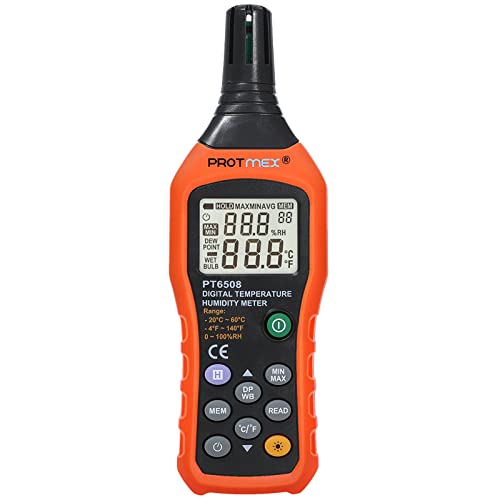
Which type of dehumidifier is more energy efficient?
The energy efficiency depends heavily on the ambient temperature. In warm, humid conditions (above 60°F), a Compressor Dehumidifier is generally more energy-efficient. However, in cold conditions (below 60°F), a Desiccant Dehumidifier becomes the more efficient option because a compressor unit would struggle to operate at all. Consider the typical temperature of your space when evaluating overall energy costs.Do desiccant dehumidifiers heat up the room?
Yes, Desiccant Dehumidifiers do generate some heat during their operation due to the internal heater used to regenerate the desiccant material. This can be a benefit in very cold spaces, as it provides a slight warming effect. However, in already warm environments, this added heat can be a drawback, potentially making the room feel warmer.What relative humidity level should I aim for to prevent mold?
To effectively prevent mold growth, it’s generally recommended to maintain indoor relative humidity levels below 60%, with an ideal range being between 40% and 50%. Consistently higher humidity provides a hospitable environment for mold spores to germinate and grow.Are there any maintenance differences between the two types?
Both types require regular emptying of the water reservoir (unless continuously drained) and cleaning of air filters to ensure optimal performance. Compressor Dehumidifiers may occasionally require defrosting if operating in marginal temperatures. Desiccant Dehumidifiers have a desiccant wheel that generally doesn’t require replacement under normal conditions but can wear over a very long lifespan.These statements have not been evaluated by the Food and Drug Administration. This information is not intended to diagnose, treat, cure, or prevent any disease. Content is for informational purposes only and is not medical advice; consult a qualified healthcare provider before starting any supplement. As an Amazon Associate we earn from qualifying purchases.
