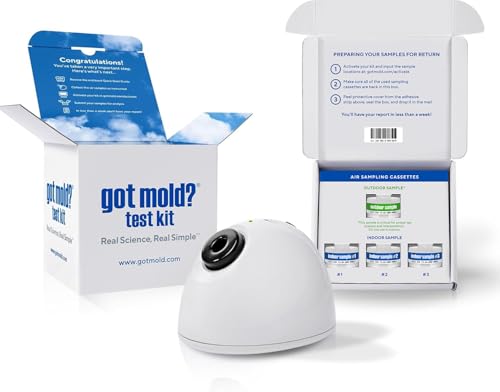
Professional vs DIY Mold Removal: When to Choose
Disclosure: Some links below are affiliate links. We may earn a commission at no extra cost if you buy through them. All product data was verified from manufacturer sources at time of writing.
Quick Verdict
For small areas (under 10 square feet) on non-porous surfaces, DIY mold removal with a product like RMR-86 or Concrobium works well. For larger infestations, mold inside walls or HVAC systems, or any mold that might be toxic black mold (Stachybotrys chartarum), call a professional remediator. The choice depends on the size of the problem, the surface type, and your tolerance for chemical exposure.
At-a-Glance Comparison
| Product | Active Ingredient | Surface Types | Dwell Time | EPA Reg Status | Best For |
|---|---|---|---|---|---|
| RMR-86 Instant Mold & Mildew Stain Remover | Sodium hypochlorite (bleach-based) | Tile, grout, wood, vinyl, fiberglass, concrete, brick | Seconds | EPA-registered disinfectant; on EPA N-List | Non-porous surfaces, visible mold stains |
| Concrobium Mold Control | Sodium carbonate + sodium bicarbonate (encapsulation technology) | Drywall, wood, concrete, fabric, furniture, upholstery, tile, grout | 15-30 minutes | No EPA pesticide registration (physical mode of action) | Porous surfaces, prevention, musty odors |
| Professional Remediation | HEPA vacuuming, antimicrobials, containment, removal | Any | Days | IICRC-certified protocols | Large areas, HVAC, behind walls, toxic mold |
RMR-86: The Fast Stain Remover
What It Is
RMR-86 Instant Mold & Mildew Stain Remover is a bleach-based spray formulated by disaster restoration professionals. It is designed to remove the staining left behind by mold and mildew, not just kill surface mold. The manufacturer (RMR Solutions) sells it directly and through major retailers like Amazon, where it has thousands of reviews. The 32 oz bottle is sold direct from RMR Solutions and through major retailers like Amazon.
Strengths
- Works in seconds. You spray it on and watch the stain disappear. No scrubbing required.
- Very effective on non-porous surfaces. Tile, grout, vinyl, fiberglass, and sealed concrete clean up fast.
- Affordable for small jobs. A 32 oz bottle covers typical bathroom mold stains.
- EPA-registered disinfectant. Listed on the EPA N-List for use against pathogens.
Weaknesses
- Strong bleach odor. You need heavy ventilation, gloves, and eye protection. Not suitable for occupied spaces during application.
- Can discolor or damage certain surfaces. Not safe on painted walls, some fabrics, unfinished wood, or metal. Testing on an inconspicuous area is required.
- Does not prevent regrowth. It removes the stain and kills surface mold, but provides no residual protection against future growth.
- Not designed for porous materials. On drywall or bare wood, the stain may reappear as moisture wicks salts to the surface.
Best Use
Bathroom tile and grout, vinyl shower curtains, outdoor siding, concrete patios, decks, and fiberglass boats. Situations where you need visible results immediately and the surface can handle bleach.
Concrobium Mold Control: The Gentle Preventer
What It Is
Concrobium Mold Control uses a patented polymer-based technology (sodium carbonate and sodium bicarbonate) to encapsulate mold spores and create a microscopic barrier that resists moisture. It contains no bleach, no volatile organic compounds (VOCs), and no harsh chemical fumes. The product is owned by Rust-Oleum and widely available at Home Depot, Lowe’s, and Amazon. Pricing varies by retailer and package size.
Strengths
- No harsh chemicals. Safe to use around family and pets when following directions. No bleach smell.
- Works on porous surfaces. Absorbs into drywall, wood, and fabric to treat mold below the surface.
- Prevents regrowth. The residue it leaves behind is a moisture barrier that resists future mold growth.
- Eliminates musty odors. The encapsulation technology traps odor-causing compounds.
- Broad surface compatibility. Safe on painted drywall, wallpaper, wood, plastic, metal, brick, stone, and most fabrics.
Weaknesses
- Slower acting. Requires 15-30 minutes minimum dwell time and often a second application for heavy stains.
- May not fully remove dark stains. It kills mold and prevents regrowth, but heavy staining may still be visible afterward. Some users report needing to repaint or use a stain-blocking primer.
- Not a disinfectant. It captures and encapsulates mold spores but does not chemically kill bacteria or viruses in the same way bleach-based products do.
- Requires proper drying. The treatment area must stay dry after application for the barrier to form.
Best Use
Painted drywall in bathrooms, basements, and bedrooms; unfinished wood surfaces; fabric upholstery; and areas where you want to prevent mold from returning. Good for ongoing maintenance and treating small to medium spots (under 10 sq ft).
Professional Remediation: When to Call for Help
Professional mold remediation companies follow IICRC S520 standards, which include containment with negative air pressure, HEPA vacuuming, removal of affected building materials, antimicrobial application, and clearance testing. Costs range from $500 for a small crawlspace job to $6,000 or more for whole-room remediation after a flood or roof leak.
When You Absolutely Need a Professional
- Area is larger than 10 square feet. The EPA recommends professional remediation for areas exceeding roughly a 3×3 foot section.
- Mold is inside walls or under flooring. DIY products cannot reach hidden growth. Cutting into walls and removing contaminated material requires professional containment.
- HVAC systems are involved. Mold in ductwork spreads spores throughout the house. Professional cleaning with HEPA-equipped equipment is required.
- Suspected toxic black mold. Stachybotrys chartarum produces mycotoxins. Leave sampling and removal to trained professionals in full PPE.
- Health concerns. Anyone with asthma, allergies, or immune conditions should not be in the same building during remediation, let alone doing the work.
- Flood water (Category 2 or 3 water damage). Gray or black water contamination introduces bacteria and requires professional structural drying.
Head-to-Head Comparison
Effectiveness
RMR-86 is unmatched for immediate stain removal on non-porous surfaces. Spray it, watch the stain vanish. Concrobium takes longer but penetrates porous surfaces that RMR-86 cannot treat safely. Professional remediation removes the source entirely, including the building materials if needed. For long-term resolution on porous surfaces, Concrobium or professional removal wins. For instant cosmetic results, RMR-86 wins.
Safety
Concrobium is the safest option for occupied spaces, with no fumes and no harsh chemicals. RMR-86 (sodium hypochlorite) requires gloves, goggles, and ventilation, similar to handling bleach. Professional remediation involves full PPE and containment barriers, keeping the rest of your home safe during work.
Smell
Concrobium has virtually no odor. RMR-86 has a strong chlorine bleach smell that can linger for hours and requires windows open and fans running. Professional work can include odor from antimicrobials but containment keeps it localized.
Cost Per Use
RMR-86 covers roughly 100-200 sq ft of surface treatment per 32 oz. Concrobium covers about 80-150 sq ft per 32 oz. Professional remediation covers 10-200 sq ft per job. The cost differential is massive, but so is the scope of work.
Ease of Use
RMR-86 is the easiest for spot treatment: spray and watch. No scrubbing, no waiting. Concrobium requires a 15-30 minute dwell time and often a second coat, plus a clean dry cloth wipe-down. Professional work requires vacating the premises for days.
Which to Choose by Scenario
Bathroom Mold (Tile, Grout, Shower Curtain)
Winner: RMR-86. Spray it on grout and tile, wait 10-30 seconds, rinse. Bathroom surfaces are mostly non-porous and the fast action handles the job. Use Concrobium on any painted drywall nearby to prevent regrowth.
Painted Drywall (Bedroom, Living Room, Basement Wall)
Winner: Concrobium. Bleach products damage paint and fail to penetrate drywall. Concrobium absorbs into the paper face of drywall, encapsulates spores, and leaves a protective barrier. If the drywall is soft or crumbling, cut it out and replace it; call a professional.
Outdoor Decks and Siding
Winner: RMR-86. Outdoor areas have ventilation, and wood or composite surfaces tolerate bleach-based treatment. The fast spray-and-rinse approach matches the scale of outdoor jobs. For large decks, consider a pressure washer with a chemical injector.
Fabric, Upholstery, and Carpet
Winner: Concrobium. Bleach destroys fabric. Concrobium is safe on most upholstery and carpet fibers. Spray evenly, let dry, vacuum. Repeat if the musty smell persists.
Large Area (Over 10 Sq Ft) or HVAC Contamination
Winner: Professional. No DIY product is appropriate for this scale. Call an IICRC-certified remediator for assessment, containment, and removal.
How to Use the Winner Correctly
Safety First
- Identify the mold type. If you see greenish-black slimy mold on water-damaged wood or drywall, suspect Stachybotrys and stop. Call a professional.
- Wear protection. N95 respirator or better, gloves, and goggles for any DIY mold work. For bleach products, upgrade to a chemical-rated respirator.
- Ventilate. Open windows, run exhaust fans, and keep doors open. Do not run central HVAC during treatment (it spreads spores).
- Fix the water source first. Mold needs moisture. If you have a leaky pipe, roof leak, or condensation problem, fix it before treating the mold or it will return.
For RMR-86
- Shake the bottle well.
- Spray directly on the mold stain from 6-8 inches away.
- Wait 10-30 seconds. The stain should lighten or vanish.
- Wipe with a clean damp cloth or rinse with water.
- For heavy stains, repeat the application.
- Dispose of cleaning cloths in a sealed bag.
For Concrobium
- Shake the bottle or mix the concentrate per label directions.
- Spray generously on the mold-affected area until visibly wet.
- Allow to air dry completely (15-30 minutes minimum). Do not wipe.
- After drying, brush or vacuum dead mold residues with a HEPA vacuum.
- For heavy growth, apply a second coat and repeat the drying and vacuuming.
- The residue left behind is the protective barrier. Do not wash it away with cleaners.
Frequently Asked Questions
Can I use bleach for mold removal?
Household bleach kills surface mold on non-porous surfaces like tile and glass, but it does not penetrate porous materials like drywall or wood. The chlorine evaporates quickly, leaving water that can actually soak into the material and feed future mold growth. A dedicated product like RMR-86 or Concrobium performs better than straight bleach and includes surfactants that improve penetration and dwell time.
How can I tell if mold is toxic?
Only lab testing can confirm whether a specific mold species produces mycotoxins. Visual identification alone is unreliable. If you see extensive black or greenish-black growth, especially on water-damaged building materials, treat it as potentially hazardous. The safe approach is to assume any visible mold in a living space should be removed promptly, whether by DIY methods for small areas or professional remediation for larger ones.
Does painting over mold work?
Painting over active mold does not solve the problem. Mold will continue growing underneath the paint and eventually bleed through as stains and discoloration. If you want to paint after mold treatment, first clean the area with Concrobium, let it dry completely, then apply a mold-inhibiting primer like Kilz or Zinsser before painting. This approach only works on surfaces where the mold has been properly treated and the moisture source has been fixed.
How much does professional mold remediation cost?
Professional mold remediation typically costs $500 to $6,000 depending on the affected area size, accessibility, and degree of contamination. A small bathroom or crawlspace job may run $500-$1,500, while whole-room remediation after a flood can exceed $6,000. Most companies offer free estimates. The cost includes containment setup, HEPA filtration, removal of affected materials, antimicrobial treatment, and clearance testing. Homeowners insurance sometimes covers remediation if the cause is a covered water loss, so check your policy.
Can I use a mold fogger or spray my whole house?
Whole-house fogging with antimicrobial chemicals is not a substitute for source removal. Fogging treats surface spores but does not remove mold growing inside walls, under flooring, or in HVAC systems. Most remediation protocols recommend fogging only as a finishing step after physical removal of contaminated materials. For DIY use, Concrobium sells a Mold Control Fogger designed for large or inaccessible spaces like attics and crawlspaces, but it is a supplement to, not a replacement for, proper cleaning.
Can I use bleach for mold removal?
Household bleach kills surface mold on non-porous surfaces like tile and glass, but it does not penetrate porous materials like drywall or wood. The chlorine evaporates quickly, leaving water that can actually soak into the material and feed future mold growth. A dedicated product like RMR-86 or Concrobium performs better than straight bleach and includes surfactants that improve penetration and dwell time.
How can I tell if mold is toxic?
Only lab testing can confirm whether a specific mold species produces mycotoxins. Visual identification alone is unreliable. If you see extensive black or greenish-black growth on water-damaged building materials, treat it as potentially hazardous. The safe approach is to assume any visible mold in a living space should be removed promptly, whether by DIY methods for small areas or professional remediation for larger ones.
Does painting over mold work?
Painting over active mold does not solve the problem. Mold will continue growing underneath the paint and eventually bleed through as stains and discoloration. If you want to paint after mold treatment, first clean the area with Concrobium, let it dry completely, then apply a mold-inhibiting primer like Kilz or Zinsser before painting.
How much does professional mold remediation cost?
Professional mold remediation typically costs $500 to $6,000 depending on the affected area size, accessibility, and degree of contamination. A small bathroom or crawlspace job may run $500-$1,500, while whole-room remediation after a flood can exceed $6,000. Most companies offer free estimates. The cost includes containment setup, HEPA filtration, removal of affected materials, antimicrobial treatment, and clearance testing.
Can I use a mold fogger or spray my whole house?
Whole-house fogging with antimicrobial chemicals is not a substitute for source removal. Fogging treats surface spores but does not remove mold growing inside walls, under flooring, or in HVAC systems. Most remediation protocols recommend fogging only as a finishing step after physical removal of contaminated materials. For DIY use, Concrobium sells a Mold Control Fogger designed for large or inaccessible spaces like attics and crawlspaces.
These statements have not been evaluated by the Food and Drug Administration. This information is not intended to diagnose, treat, cure, or prevent any disease. Content is for informational purposes only and is not medical advice; consult a qualified healthcare provider before starting any supplement. As an Amazon Associate we earn from qualifying purchases.