When people worry about indoor mold, they usually picture the dramatic, slimy black growth on basement walls. But the mold species that actually causes the most health problems in homes and buildings is far less conspicuous. Aspergillus mold is the most common indoor mold genus on the planet, with over 180 identified species. It grows on everything from drywall to dust to leftover food, and its microscopic spores are present in virtually every indoor environment.
For most healthy adults, low-level Aspergillus exposure is harmless — the immune system handles it effortlessly. But when concentrations rise in water-damaged buildings, or when exposed individuals have compromised immune systems, Aspergillus becomes a serious health threat. This guide covers identification, health risks, how Aspergillus compares to the more feared Stachybotrys, and what to do when you find it in your home.
What Is Aspergillus Mold?
Aspergillus is a genus of filamentous fungi found worldwide in soil, decaying vegetation, and indoor environments. Of the 180+ species, approximately 40 can cause disease in humans. The species most relevant to indoor air quality are:
- Aspergillus fumigatus — the primary cause of invasive aspergillosis. Thrives at body temperature (37 degrees Celsius), making it uniquely adapted to infect humans. Produces the mycotoxin gliotoxin
- Aspergillus niger — common black mold found on damp walls, food, and textiles. Frequently confused with Stachybotrys (toxic black mold) due to its dark color
- Aspergillus flavus — produces aflatoxins, among the most potent carcinogens known. More commonly associated with contaminated grain and nuts but can grow on indoor surfaces
- Aspergillus versicolor — one of the most frequently detected species in water-damaged buildings. Produces the mycotoxin sterigmatocystin. Often appears as small green, yellow, or white colonies on damp surfaces
- Aspergillus ochraceus — produces ochratoxin A, a mycotoxin linked to kidney damage and neurological effects
According to the CDC’s aspergillosis information page, most people breathe in Aspergillus spores every day without getting sick. Problems arise when spore counts are elevated indoors or when immune defenses are compromised.
How to Identify Aspergillus Mold
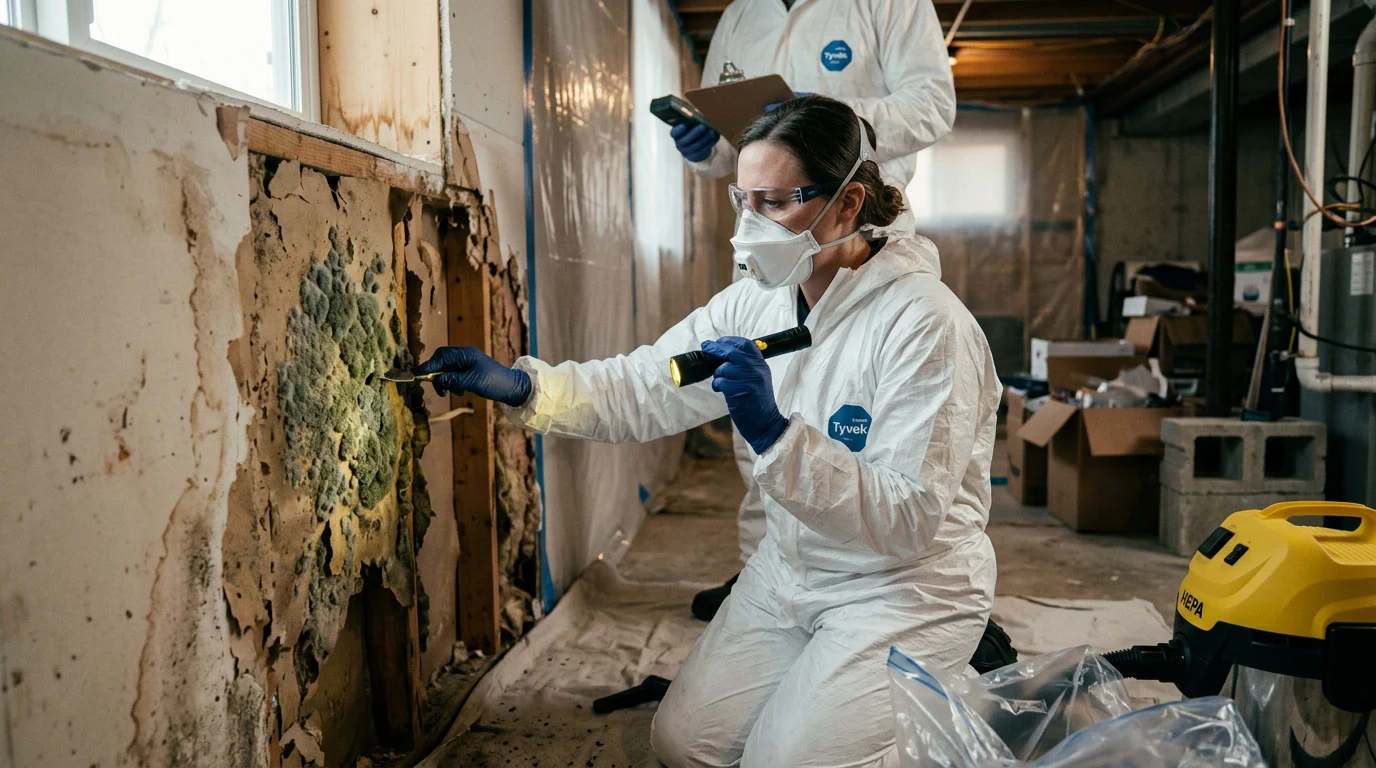
Aspergillus colonies are highly variable in appearance depending on the species, making visual identification unreliable without laboratory testing:
- Color — ranges from white, yellow, and green to brown and black depending on species. A. niger is black, A. flavus is yellow-green, A. fumigatus is blue-green to gray
- Texture — typically powdery or velvety. Colonies often appear as circular patches with a denser center and feathery edges
- Size — individual colonies start as small spots (under 1 centimeter) but can expand to cover large areas if moisture persists
- Location — found on virtually any organic surface including drywall, wood, carpet, insulation, dust, food, soil in houseplants, and HVAC components
- Spore structure — under a microscope, Aspergillus produces distinctive chain-like spore structures (conidia) radiating from a central stalk (conidiophore). This structure is unique to the genus
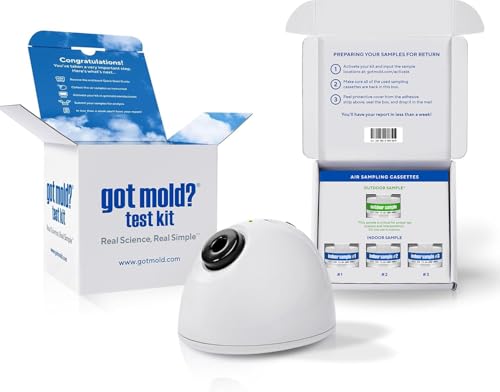
Because multiple Aspergillus species look similar to other common molds, professional mold testing with laboratory analysis is the only reliable way to confirm Aspergillus identification and determine the specific species present.
Health Risks: Aspergillosis and Beyond
Aspergillus-related illness falls into several categories based on severity and the individual’s immune status:
Allergic Reactions (Most Common)
The majority of health effects from Aspergillus are allergic responses. Symptoms include sneezing, runny nose, itchy eyes, coughing, and worsening asthma. These occur in individuals sensitized to Aspergillus allergens and are triggered by elevated spore counts — the same mechanism as any airborne allergy. Symptoms resolve when exposure decreases.
Allergic Bronchopulmonary Aspergillosis (ABPA)
ABPA is a hypersensitivity condition affecting approximately 1% to 2% of asthma patients and 2% to 15% of cystic fibrosis patients. The immune system overreacts to Aspergillus in the airways, causing recurrent bronchial inflammation, mucus plugging, and progressive lung damage if untreated. Symptoms include worsening asthma control, brown mucus plugs, and recurrent pulmonary infiltrates on chest X-ray.
Aspergilloma (Fungal Ball)
An aspergilloma is a mass of Aspergillus fungus that colonizes a pre-existing lung cavity — typically from previous tuberculosis, sarcoidosis, or COPD. The fungal ball grows within the cavity without invading surrounding tissue. Symptoms include chronic cough and hemoptysis (coughing blood), which can occasionally be life-threatening. Treatment ranges from observation to surgical removal depending on symptoms.
Invasive Aspergillosis (Most Dangerous)
Invasive aspergillosis occurs when Aspergillus penetrates lung tissue and spreads through the bloodstream to other organs. This almost exclusively affects severely immunocompromised individuals: organ transplant recipients, patients on chemotherapy, people with advanced HIV/AIDS, or those on high-dose corticosteroids. The mortality rate for invasive aspergillosis ranges from 30% to 95% depending on the patient population and how early treatment begins.
Mycotoxin Exposure
Beyond direct infection, several Aspergillus species produce mycotoxins that affect health through chronic low-level exposure. Aflatoxin B1 (from A. flavus and A. parasiticus) is classified as a Group 1 carcinogen. Ochratoxin A (from A. ochraceus and A. carbonarius) has been linked to kidney damage and neurological effects. Gliotoxin (from A. fumigatus) suppresses immune function.
Aspergillus vs. Stachybotrys: Understanding the Difference
Homeowners often fixate on Stachybotrys chartarum (commonly called “toxic black mold”) while overlooking Aspergillus. Here is how these two genera actually compare:
- Prevalence — Aspergillus is found in nearly every indoor environment. Stachybotrys is relatively rare, requiring sustained heavy water saturation of cellulose materials to grow
- Growth requirements — Aspergillus grows at lower moisture levels (water activity of 0.75+), while Stachybotrys needs very wet conditions (water activity of 0.94+). This makes Aspergillus far more common in moderately damp homes
- Spore release — Aspergillus releases vast quantities of dry, lightweight spores that become easily airborne. Stachybotrys produces wet, sticky spores that are harder to aerosolize except when disturbed
- Health impact — both produce mycotoxins. Stachybotrys trichothecenes are potent but exposure is less common. Aspergillus mycotoxins and the risk of actual infection (aspergillosis) make it a more frequent real-world health threat
- Clinical infections — Aspergillus causes documented invasive infections killing thousands annually. Stachybotrys does not cause invasive infections
The takeaway: do not ignore Aspergillus just because it is not “black mold.” In terms of actual health impact across the population, Aspergillus causes far more documented illness and death than Stachybotrys.
Where Aspergillus Grows in Your Home
Aspergillus is an opportunistic colonizer that takes hold wherever moisture and organic material meet:
- HVAC systems — evaporator coils, drip pans, and ductwork provide the dark, damp conditions Aspergillus thrives in. Every time the system runs, it can distribute spores throughout the building
- Bathroom surfaces — ceilings, grout, caulk, and behind tiles where moisture from showers accumulates
- Kitchen areas — under sinks, behind refrigerators, and around dishwasher connections where minor leaks go unnoticed
- Window sills — condensation provides regular moisture, and dust provides organic nutrients
- Attics — poor ventilation and roof leaks create conditions for extensive attic mold growth
- Drywall — water-damaged drywall is one of the most common substrates for Aspergillus, which feeds on the paper facing and organic additives
- Houseplant soil — frequently overlooked, potting soil commonly harbors Aspergillus species
How to Remove Aspergillus Mold
Aspergillus removal follows the same principles as any mold removal project, with some species-specific considerations:
Small Areas (Under 10 Square Feet)
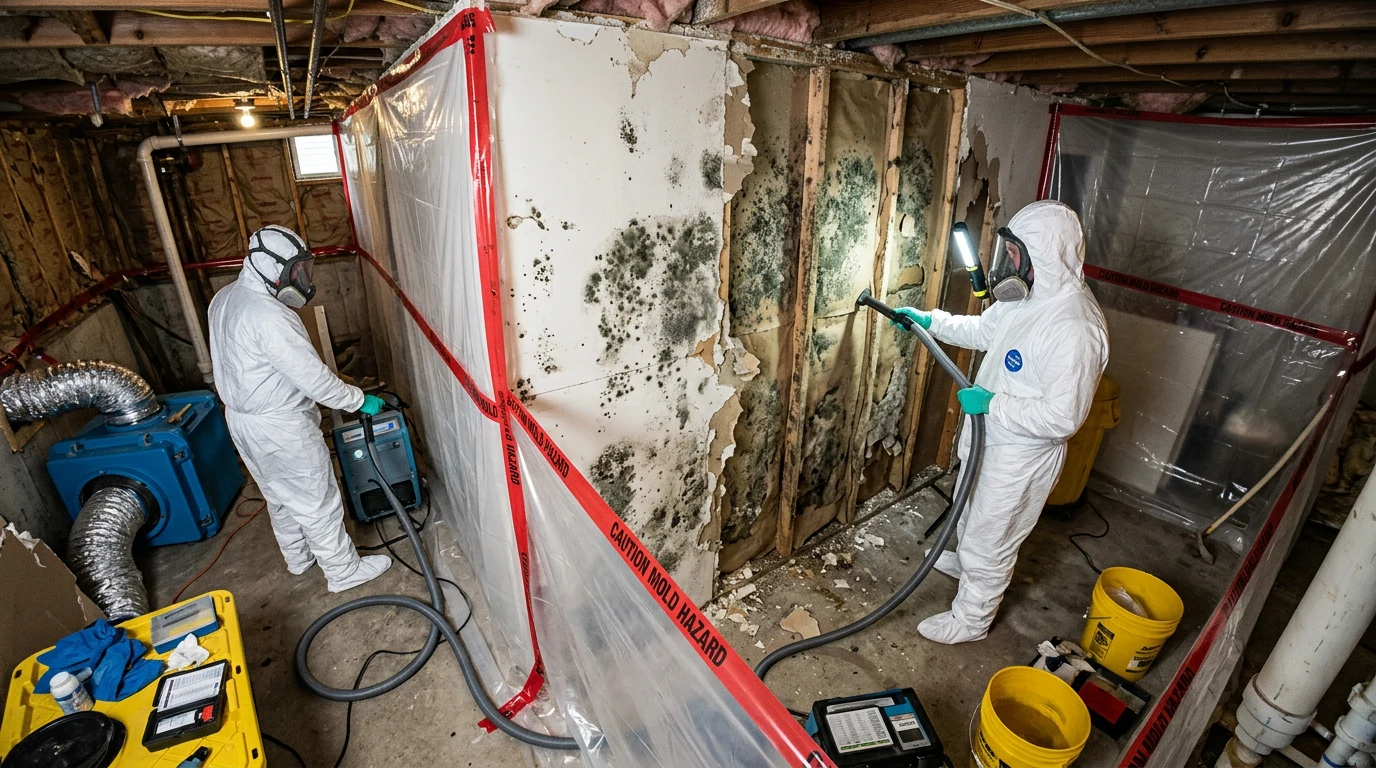
- Wear an N95 respirator, gloves, and eye protection — Aspergillus spores are exceptionally lightweight and become airborne at the slightest disturbance
- Seal the area with plastic sheeting to prevent spore migration to other rooms
- Clean hard surfaces with appropriate cleaning solutions
- HEPA vacuum all surrounding surfaces after cleaning to capture settled spores
- Dispose of porous materials (drywall, carpet, insulation) that show mold growth
Large Areas or HVAC Contamination
For contamination exceeding 10 square feet or any mold in the HVAC system, hire a professional remediation company. HVAC contamination is particularly important to address professionally because the system actively distributes spores to every room. Professional remediation includes containment, HEPA air filtration, removal of contaminated materials, antimicrobial treatment, and post-remediation testing.
Address the Moisture Source
Removal is pointless without eliminating the moisture that allowed Aspergillus to grow. Fix leaks, improve ventilation, and maintain indoor humidity below 50%. Use mold prevention products in high-risk areas after remediation to inhibit regrowth.
Who Needs to Be Most Careful Around Aspergillus?
While healthy adults typically tolerate normal Aspergillus exposure, the following groups should take elevated precautions:
- Organ transplant recipients — immunosuppressive medications create the highest risk for invasive aspergillosis
- Cancer patients on chemotherapy — depleted white blood cells cannot fight fungal invasion
- People with asthma — risk of ABPA and severe asthma exacerbation from Aspergillus exposure
- Cystic fibrosis patients — altered airway conditions favor Aspergillus colonization
- COPD patients — existing lung damage increases vulnerability to aspergilloma and infection
- Infants and young children — developing immune systems are less equipped to manage high spore exposures. Learn about mold risks for children
- HIV/AIDS patients — advanced immune suppression allows invasive disease
If anyone in your household falls into these categories, even minor indoor mold growth should be treated as urgent. Do not wait for symptoms — take preventive action immediately.
Prevention Strategies for Aspergillus
- Control humidity — maintain indoor relative humidity between 30% and 50% using a dehumidifier and proper ventilation
- Service HVAC systems annually — have evaporator coils, drip pans, and ductwork inspected and cleaned. Change filters every 60 to 90 days with MERV 11 or higher rated filters
- Fix water leaks immediately — every leak is a potential Aspergillus colony waiting to happen. Mold begins growing within 24 to 48 hours
- Use exhaust fans — run bathroom fans for 30 minutes after showers and kitchen fans during cooking
- Manage houseplants — avoid overwatering, use well-draining pots, and consider removing plants from bedrooms of immunocompromised individuals
- Clean refrigerator drip pans — a frequently overlooked Aspergillus habitat
Frequently Asked Questions
Is Aspergillus mold dangerous to healthy adults?
At normal indoor concentrations, Aspergillus poses minimal risk to healthy adults with functioning immune systems. The risk increases significantly when indoor spore counts are elevated due to water damage or poor ventilation. Even healthy adults can develop allergic reactions, chronic sinusitis, and mycotoxin exposure symptoms when living in buildings with heavy Aspergillus contamination.
How can I tell if black mold is Aspergillus niger or Stachybotrys?
You cannot distinguish them visually with certainty. Aspergillus niger tends to appear as powdery, dry black colonies while Stachybotrys is typically slimy and wet. However, environmental conditions and growth stage affect appearance. Only laboratory analysis of a sample — either surface swab or air sampling — can definitively identify the species. Given the health implications, professional testing is always recommended.
Can Aspergillus grow inside air conditioning systems?
Yes, and it is one of the most concerning locations for Aspergillus growth. The evaporator coil area combines moisture (from condensation), darkness, and organic material (dust and debris). When Aspergillus colonizes HVAC components, every heating and cooling cycle distributes spores throughout the building. Annual professional HVAC inspection and cleaning is the best preventive measure.
Does Aspergillus always produce mycotoxins?
Not all Aspergillus species produce mycotoxins, and even mycotoxin-producing species do not always produce toxins under all conditions. Mycotoxin production depends on the species, substrate, temperature, humidity, and competition with other organisms. However, in water-damaged buildings where conditions favor mold growth, assuming mycotoxin production is the safer approach for health decisions.
What exactly is Aspergillus mold and why is it so common indoors?
Aspergillus is a genus of common molds found globally, with various species thriving in diverse environments. Its prevalence indoors stems from its ability to grow on a wide range of organic materials commonly found in homes, such as drywall, insulation, and wood, especially when moisture is present.
What are the common health risks associated with exposure to Aspergillus mold?
Exposure to Aspergillus can lead to various health issues, particularly for individuals with compromised immune systems or respiratory conditions. These can range from allergic reactions like asthma attacks and rhinitis to more severe infections such as aspergillosis, which can affect the lungs and other organs.
How can I identify Aspergillus mold in my home?
Aspergillus mold can appear in various colors, including green, black, white, or yellow, often with a powdery or cottony texture. While visual identification is a strong indicator, professional testing is recommended for definitive identification and to determine the extent of contamination.
What conditions encourage Aspergillus mold growth indoors?
Aspergillus thrives in damp, humid environments with a readily available food source. Leaky pipes, roof leaks, high indoor humidity levels, and condensation provide the ideal conditions for its spores to germinate and grow on organic materials.

When should I be concerned enough about Aspergillus to call a professional?
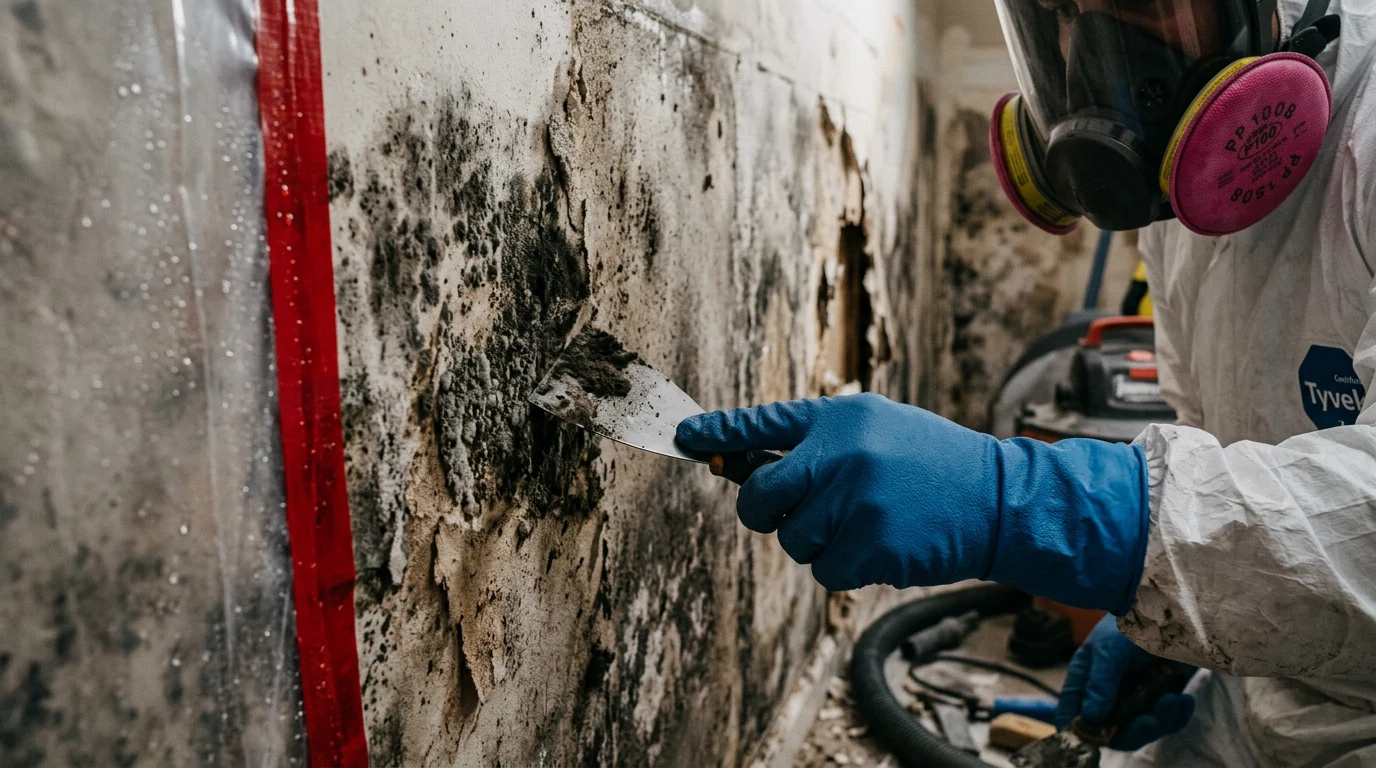
You should contact a professional mold remediator if you see visible mold growth covering an area larger than 10 square feet, experience persistent moldy odors, or if occupants are exhibiting health symptoms consistent with mold exposure. Professionals can safely assess and remove the mold, preventing further spread and health risks.
Can I effectively remove Aspergillus mold myself, or is professional remediation always necessary?
For small areas of mold growth (less than 10 square feet) on non-porous surfaces, you might be able to clean it yourself using appropriate personal protective equipment and cleaning solutions. However, for larger infestations, porous materials, or if you suspect hidden mold, professional remediation is crucial to ensure complete removal and prevent recurrence.
These statements have not been evaluated by the Food and Drug Administration. This information is not intended to diagnose, treat, cure, or prevent any disease. Content is for informational purposes only and is not medical advice; consult a qualified healthcare provider before starting any supplement. As an Amazon Associate we earn from qualifying purchases.