Mold exposure symptoms are easy to dismiss. A stuffy nose that never clears, fatigue that sleep does not fix, headaches that come and go without explanation. Most people blame allergies, stress, or seasonal changes. But when these symptoms persist for weeks or months and standard treatments do not help, indoor mold may be the hidden cause.
The challenge with mold exposure is that its symptoms overlap with dozens of other conditions. That overlap is exactly why so many cases go undiagnosed. This guide covers the specific symptoms linked to mold exposure, who is most at risk, and when you need to act.
Why Mold Exposure Symptoms Are So Hard to Pin Down
Mold produces three categories of irritants that affect human health: allergens, irritants, and in some species, mycotoxins. Each triggers different biological responses, and the severity depends on the mold species, concentration of airborne spores, duration of exposure, and individual susceptibility.
According to the CDC’s overview of mold and health, mold exposure can cause symptoms in both allergic and non-allergic individuals. People with compromised immune systems or chronic lung conditions face the greatest risk of serious complications.
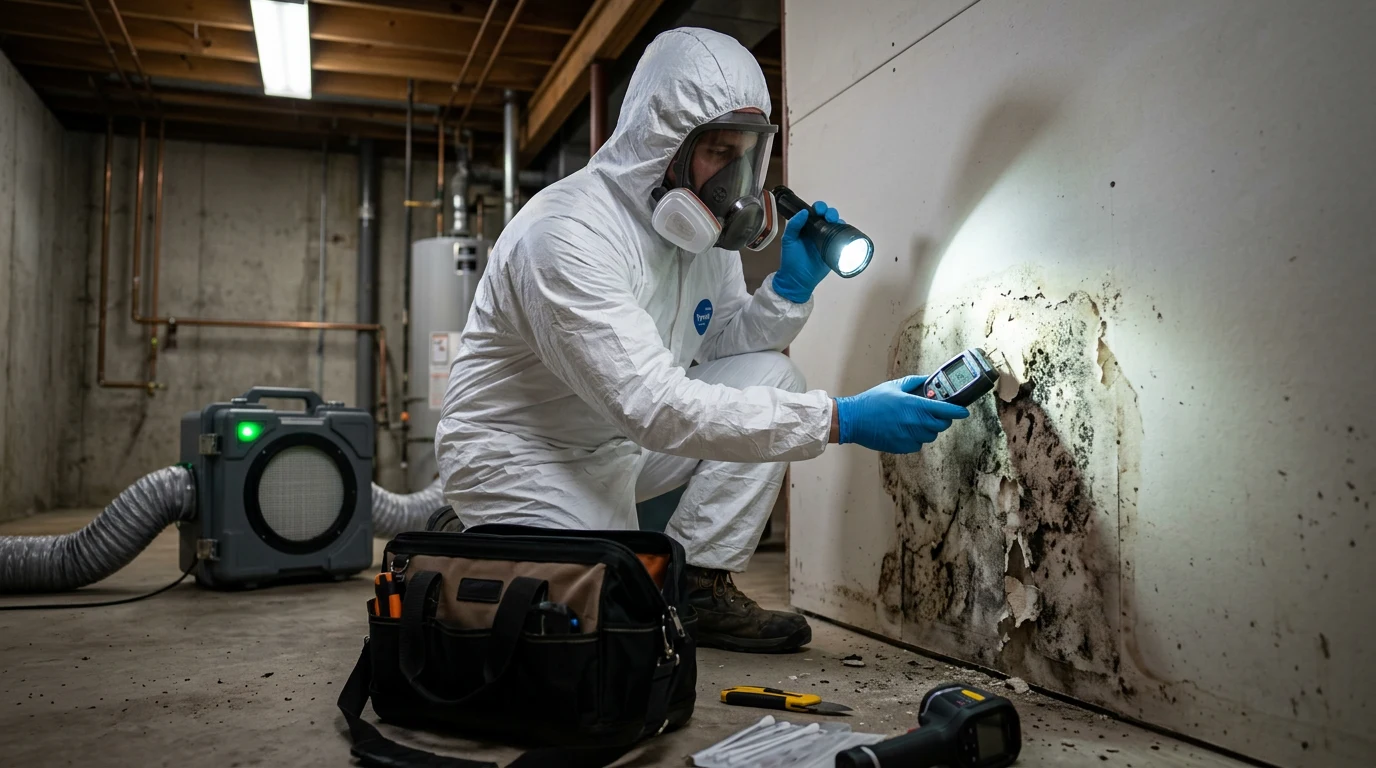
What makes diagnosis difficult is that symptoms can appear immediately upon entering a moldy space or develop gradually over weeks and months of low-level exposure. You may feel fine at home and only notice symptoms after years of cumulative contact.
Respiratory Symptoms: The Most Common Warning Sign
The respiratory system takes the first hit because you breathe mold spores directly into your lungs. These are the respiratory mold exposure symptoms reported most frequently:
Chronic Nasal Congestion
Persistent stuffiness that does not respond to decongestants is one of the earliest mold exposure symptoms. Mold spores trigger inflammation in the nasal passages and sinuses. Unlike a cold that resolves in 7 to 10 days, mold-related congestion continues as long as you remain exposed. Many people report that congestion improves within 48 to 72 hours of leaving the affected building.
Sinus Infections That Keep Returning
If you experience 3 or more sinus infections within a 12-month period, environmental mold should be on your radar. Research published in the Mayo Clinic Proceedings found that fungal organisms were present in 96% of chronic rhinosinusitis patients studied. While not all sinus infections are mold-related, recurrent infections in the same building warrant investigation.
Coughing and Wheezing
A dry, persistent cough — especially one that worsens at night or in certain rooms — can indicate mold spore irritation. Wheezing occurs when spores trigger bronchial inflammation, narrowing the airways. People with existing asthma may notice their rescue inhaler use increasing significantly while living or working in a mold-affected building.
Shortness of Breath
Feeling breathless during activities that previously caused no difficulty is a more advanced symptom. This occurs when mold exposure triggers persistent lower airway inflammation. If shortness of breath develops alongside other symptoms on this list, prioritize testing your home for mold and consulting a healthcare provider.
Fatigue and Brain Fog: The Overlooked Symptoms
Beyond the respiratory system, mold exposure frequently affects energy levels and cognitive function. These systemic symptoms are the ones most often misattributed to other causes.
Unexplained Chronic Fatigue
Feeling exhausted despite 7 to 9 hours of sleep is a hallmark of ongoing mold exposure. The immune system expends significant energy fighting mold spores and mycotoxins, leaving less available for daily function. This fatigue is different from normal tiredness — it does not improve with rest and often worsens over months of continued exposure.
Research on occupants of water-damaged buildings consistently shows fatigue as one of the top 3 reported symptoms, affecting approximately 70% of symptomatic individuals in studied populations.
Brain Fog and Cognitive Difficulty
Difficulty concentrating, memory lapses, and a general sense of mental cloudiness are reported by many people exposed to mold-contaminated indoor environments. Certain mold species produce mycotoxins that can affect neurological function. Occupants describe forgetting common words, struggling with tasks that were previously easy, and feeling “disconnected” mentally.
Brain fog from mold exposure tends to be most noticeable in the building where exposure occurs and may partially clear within hours of leaving. If you notice improved mental clarity on vacations or weekends away from home, your indoor environment deserves investigation.
Skin Reactions Linked to Mold Exposure
The skin is the body’s largest organ and another common target for mold-related reactions:
- Itchy, red rashes — particularly on the arms, neck, and face where skin contacts airborne spores
- Hives — raised, itchy welts that appear and disappear, often worsening at night when spore counts in bedrooms peak
- Dermatitis — dry, scaly patches that do not respond to standard moisturizers
- Worsening eczema — pre-existing eczema flaring significantly in mold-affected environments
Skin symptoms are especially telling when they improve outside the affected building. Track whether rashes clear during trips away from home and return within 24 to 48 hours of coming back.
Eye and Throat Irritation
Mold spores and the volatile organic compounds (mVOCs) that mold produces during active growth irritate mucous membranes throughout the head and throat:
- Red, watery, itchy eyes — similar to allergic conjunctivitis but persistent indoors
- Sore throat — a scratchy or raw feeling, particularly in the morning after sleeping in a mold-affected bedroom
- Postnasal drip — constant mucus drainage down the back of the throat
- Hoarseness — voice changes from chronic throat irritation
If you notice a musty smell in your home, these symptoms are likely connected. The same mold colonies producing that odor are releasing spores and mVOCs that irritate your eyes and throat.
Who Is Most Vulnerable to Mold Exposure Symptoms?
While anyone can develop symptoms from mold exposure, certain groups face elevated risk:
The 25% With Genetic Susceptibility
Approximately 25% of the population carries HLA-DR gene variants that make their immune systems less efficient at clearing mold toxins from the body. For these individuals, mold exposure can trigger a cascade of inflammatory responses that persist long after exposure ends. This genetic susceptibility is the foundation of Chronic Inflammatory Response Syndrome (CIRS), a condition identified by researchers studying water-damaged building occupants.
People with this genetic profile often experience more severe and longer-lasting symptoms than others exposed to the same mold conditions. They may also develop symptoms at lower exposure levels that cause no reaction in the remaining 75% of the population.
Other High-Risk Groups
- Children — smaller airways, developing immune systems, and higher respiratory rates increase spore intake per pound of body weight. Learn more about mold risks for children.
- Adults over 65 — age-related immune decline reduces the ability to fight mold-related infections
- People with asthma — mold is a known asthma trigger that can cause life-threatening attacks
- Immunocompromised individuals — organ transplant recipients, HIV patients, and those on immunosuppressive medications risk invasive mold infections
- People with existing allergies — a sensitized immune system reacts more aggressively to mold allergens
Symptom Patterns That Point to Mold
Individual symptoms can have many causes. What distinguishes mold exposure is specific patterns:
- Location dependency — symptoms worsen in a specific building and improve when you leave for 24 or more hours
- Multiple simultaneous symptoms — respiratory, cognitive, and skin symptoms occurring together rather than in isolation
- Gradual onset — symptoms developing over weeks or months after moving to a new home or after water damage
- Resistance to standard treatment — allergy medications, antibiotics, and sleep aids provide little or no relief
- Multiple household members affected — when 2 or more people in the same home develop similar unexplained symptoms, the shared environment is the likely cause
If 3 or more of these patterns match your situation, mold investigation should be your next step.
When to See a Doctor About Mold Symptoms
Seek medical evaluation if you experience any of the following:
- Respiratory symptoms lasting more than 3 weeks without improvement
- New-onset wheezing or asthma-like symptoms
- Fever alongside respiratory symptoms (may indicate aspergillosis or other mold infection)
- Significant cognitive decline, persistent brain fog, or memory problems
- Symptoms that multiple family members share simultaneously
Tell your doctor that you suspect mold exposure. Ask about IgE allergy testing for common mold species and whether further evaluation for mycotoxin exposure is warranted. Not all physicians are familiar with mold-related illness, so you may need to seek a provider experienced in environmental medicine.
What to Do If You Suspect Mold in Your Home
Once you recognize the symptom patterns, take these steps:
- Inspect common mold locations — check under sinks, behind toilets, around windows, in the attic, and in the crawl space
- Check humidity levels — use a hygrometer to measure indoor humidity. Anything consistently above 60% creates mold-friendly conditions. A dehumidifier can bring levels into the safe 30% to 50% range.
- Test the air — professional mold testing identifies spore types and concentrations, providing evidence for remediation decisions
- Address water sources — fix any leaks, drips, or condensation problems immediately. Mold cannot grow without moisture.
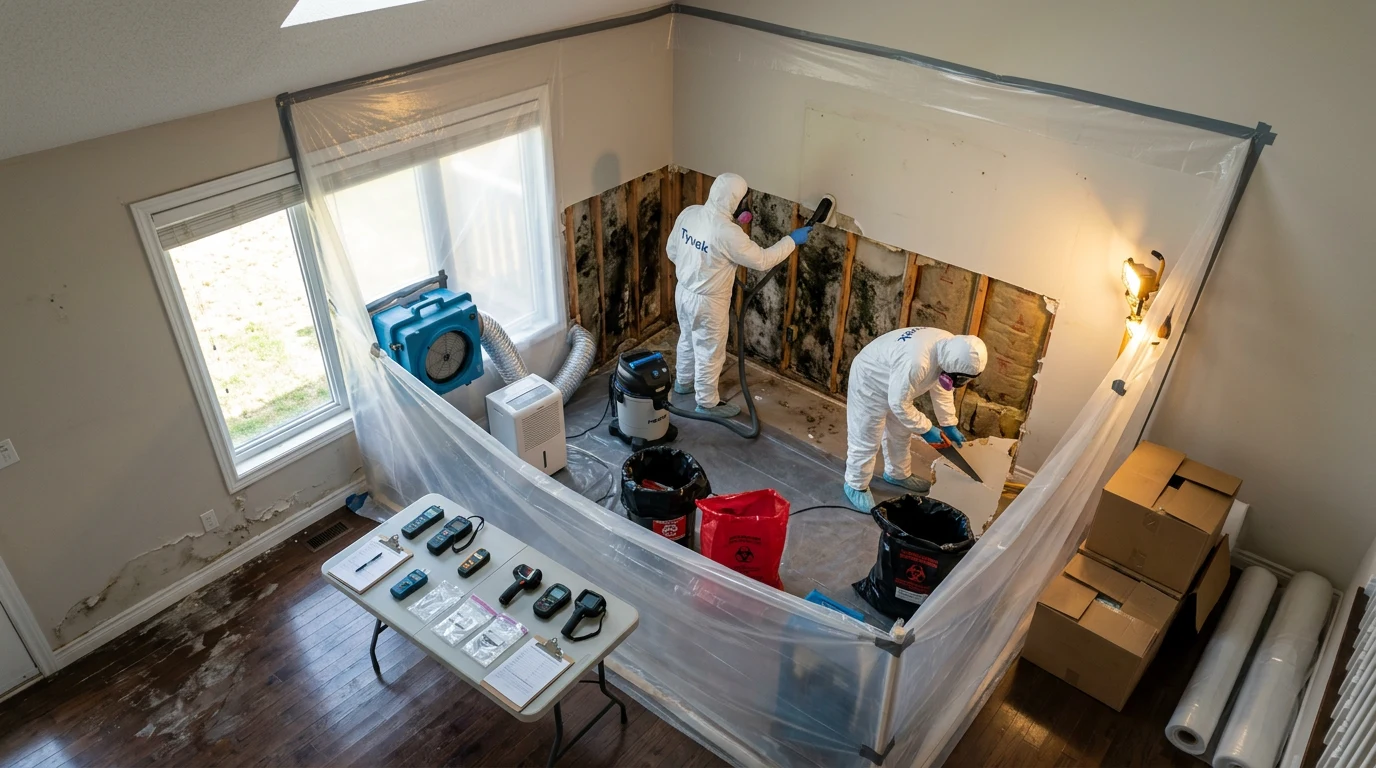
- Begin remediation — for small areas under 10 square feet, follow proper mold removal procedures. For larger areas, hire a professional who follows the standard remediation process.
How Quickly Do Symptoms Improve After Mold Removal?
Recovery timelines depend on the duration and intensity of exposure, the individual’s genetic susceptibility, and how thoroughly the mold was removed:
- Acute symptoms (congestion, eye irritation, sore throat) — typically improve within 1 to 2 weeks after exposure ends
- Moderate symptoms (persistent cough, skin rashes, recurring infections) — may take 1 to 3 months to fully resolve
- Chronic symptoms (fatigue, brain fog, CIRS-related issues) — can take 6 to 12 months or longer, particularly in genetically susceptible individuals who may need targeted medical treatment
Complete removal of the mold source is essential. Partial remediation that leaves hidden mold in walls, behind drywall, or in HVAC ducts means continued exposure and continued symptoms.
Frequently Asked Questions
Can mold exposure cause permanent health damage?
Most mold exposure symptoms resolve after the source is removed and the environment is remediated. However, prolonged exposure — particularly to mycotoxin-producing species — can lead to sensitization that makes individuals more reactive to future mold encounters. People with the HLA-DR genetic susceptibility may require extended medical treatment to fully recover.
How much mold does it take to cause symptoms?
There is no established safe threshold for mold exposure. Sensitive individuals can react to spore counts as low as 500 spores per cubic meter, while others may tolerate concentrations 10 times higher. This is why comparing indoor spore counts to outdoor baseline levels is important in professional testing — indoor counts should be lower than outdoor counts.
Can you have mold symptoms without visible mold?
Yes. Mold frequently grows in hidden locations — inside wall cavities, under flooring, above ceiling tiles, and within HVAC systems. A home can have a significant mold problem with zero visible growth. If you have symptoms and a musty odor but cannot see mold, professional testing with air sampling can detect hidden infestations.
Do air purifiers help with mold exposure symptoms?
HEPA air purifiers can reduce airborne spore counts by 90% or more in the room where they operate, which may relieve symptoms. However, air purifiers do not eliminate the mold source. They are a temporary measure while you address the underlying moisture problem and remove the mold.
Should I leave my home if I have mold symptoms?
If symptoms are severe — significant breathing difficulty, persistent high fever, or worsening neurological symptoms — temporarily relocating while the mold is professionally removed is the safest option. For mild to moderate symptoms, minimizing time in affected rooms and running HEPA air filtration can reduce exposure while remediation is arranged.
What are the most common mold symptoms I might experience?
Common mold symptoms often mimic allergy symptoms, including sneezing, runny nose, itchy eyes, and skin rashes. Individuals may also experience a persistent cough or wheezing, especially if they have underlying respiratory conditions.
Can mold exposure cause fatigue or headaches?
Yes, some individuals report experiencing fatigue, headaches, and general malaise as symptoms of mold exposure. These non-specific symptoms can be particularly challenging to link directly to mold without further investigation.
Are certain people more susceptible to mold symptoms?
Individuals with allergies, asthma, or compromised immune systems are generally more susceptible to experiencing severe mold symptoms. Young children and the elderly can also be more vulnerable to health effects from mold exposure.

How quickly do mold symptoms typically appear after exposure?
Mold symptoms can appear relatively quickly, sometimes within hours of exposure, especially for sensitive individuals. However, for others, symptoms might develop gradually over days or weeks of continuous exposure.
Can mold symptoms be mistaken for other illnesses?
Absolutely, mold symptoms are often non-specific and can easily be mistaken for common colds, seasonal allergies, or even flu-like illnesses. This is why it’s crucial to consider potential mold exposure if symptoms persist or worsen indoors.
When should I seek medical attention for mold symptoms?
You should seek medical attention if your mold symptoms are severe, persistent, or if you have underlying respiratory conditions like asthma that are exacerbated. A doctor can help determine if your symptoms are related to mold and recommend appropriate treatment.
These statements have not been evaluated by the Food and Drug Administration. This information is not intended to diagnose, treat, cure, or prevent any disease. Content is for informational purposes only and is not medical advice; consult a qualified healthcare provider before starting any supplement. As an Amazon Associate we earn from qualifying purchases.
