You spent $5,000-$15,000 on professional mold remediation. The clearance test passed. New drywall went up, fresh paint went on, and for a few months everything seemed fine. Then the musty smell came back. Dark spots appeared in the same area — or worse, in a new location. The mold is back, and so is the sinking feeling that you wasted thousands of dollars.
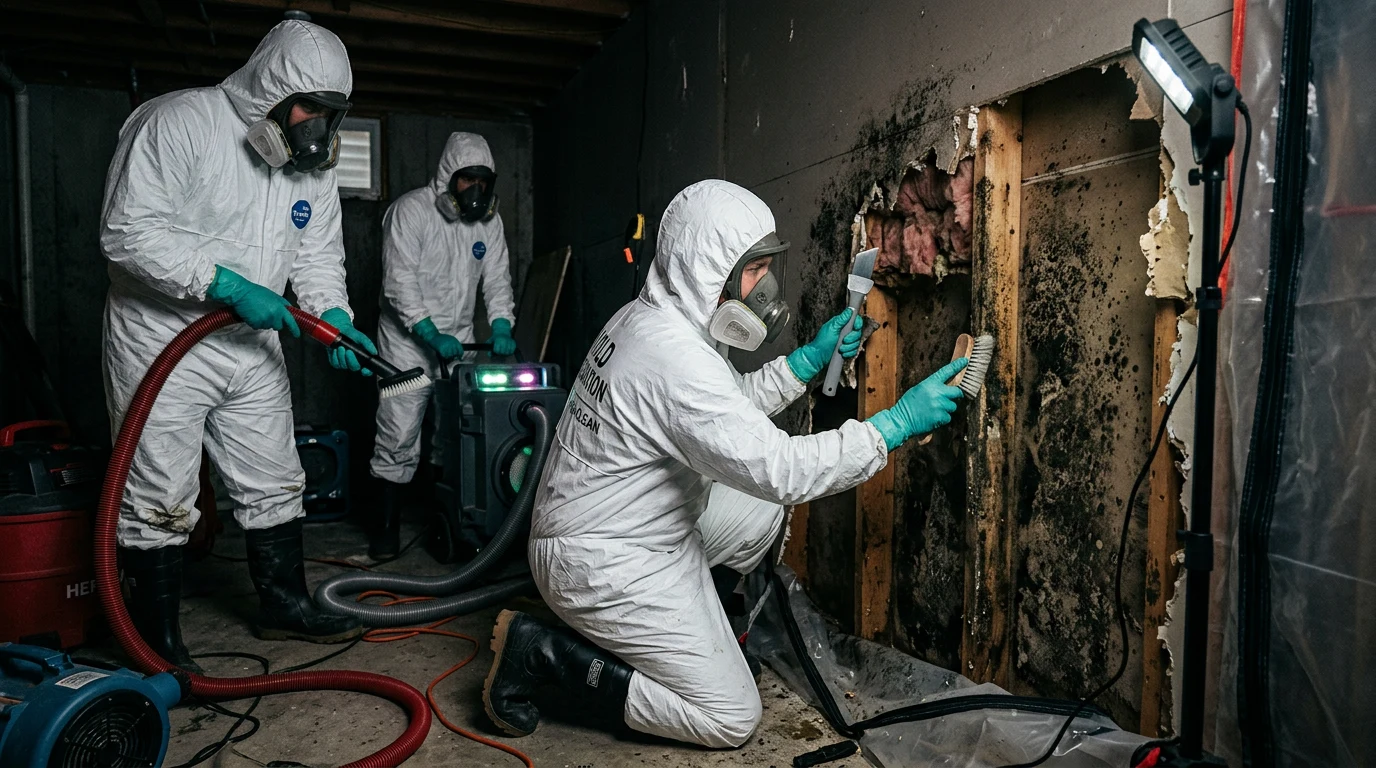
Mold recurrence after professional remediation happens more often than the industry wants to admit. Studies of residential remediation projects suggest that 15-20% of homeowners report mold returning within 2 years. But the mold is not coming back because the remediation failed. It is coming back because the conditions that caused it were never fully resolved. Understanding the difference is the key to breaking the cycle.
The Three Reasons Mold Comes Back
Every mold recurrence traces back to one of three root causes. Identifying which one applies to your situation determines the permanent fix.
1. The Moisture Source Was Never Fixed
This is the most common cause of mold recurrence, accounting for an estimated 60-70% of cases. The remediation company removed the mold, but the water that caused the mold is still there.
Common unfixed moisture sources:
- Slow plumbing leaks. A pinhole leak in a supply line or a hairline crack in a drain pipe behind the wall. These can release as little as a few ounces of water per day — not enough to notice on the floor, but enough to keep the wall cavity at 80%+ relative humidity permanently.
- Foundation water intrusion. Hydrostatic pressure from groundwater pushes moisture through basement walls and floor slabs. The wall surface may appear dry, but moisture meters read elevated levels. Without interior or exterior waterproofing, the water returns every time it rains or the water table rises.
- Roof leak. A small roof leak that only produces moisture during heavy rain or wind-driven rain from a specific direction. It may not leak every storm, which makes it hard to detect. But 3-4 moisture events per year are more than enough to sustain mold growth in an attic or ceiling cavity.
- Condensation on HVAC ductwork. Uninsulated supply ducts in unconditioned spaces (attics, crawl spaces) sweat when cold air meets warm, humid air. The condensation drips onto framing, insulation, or drywall, creating chronic moisture. See our guide on mold in HVAC ducts for more detail.
- Exhaust fans venting into enclosed spaces. Bathroom and kitchen exhaust fans that terminate in the attic instead of outside pump warm, moist air directly into an enclosed space. A family of four generates 2-4 gallons of moisture per day through cooking, showering, and breathing. If that moisture has nowhere to go, mold follows.
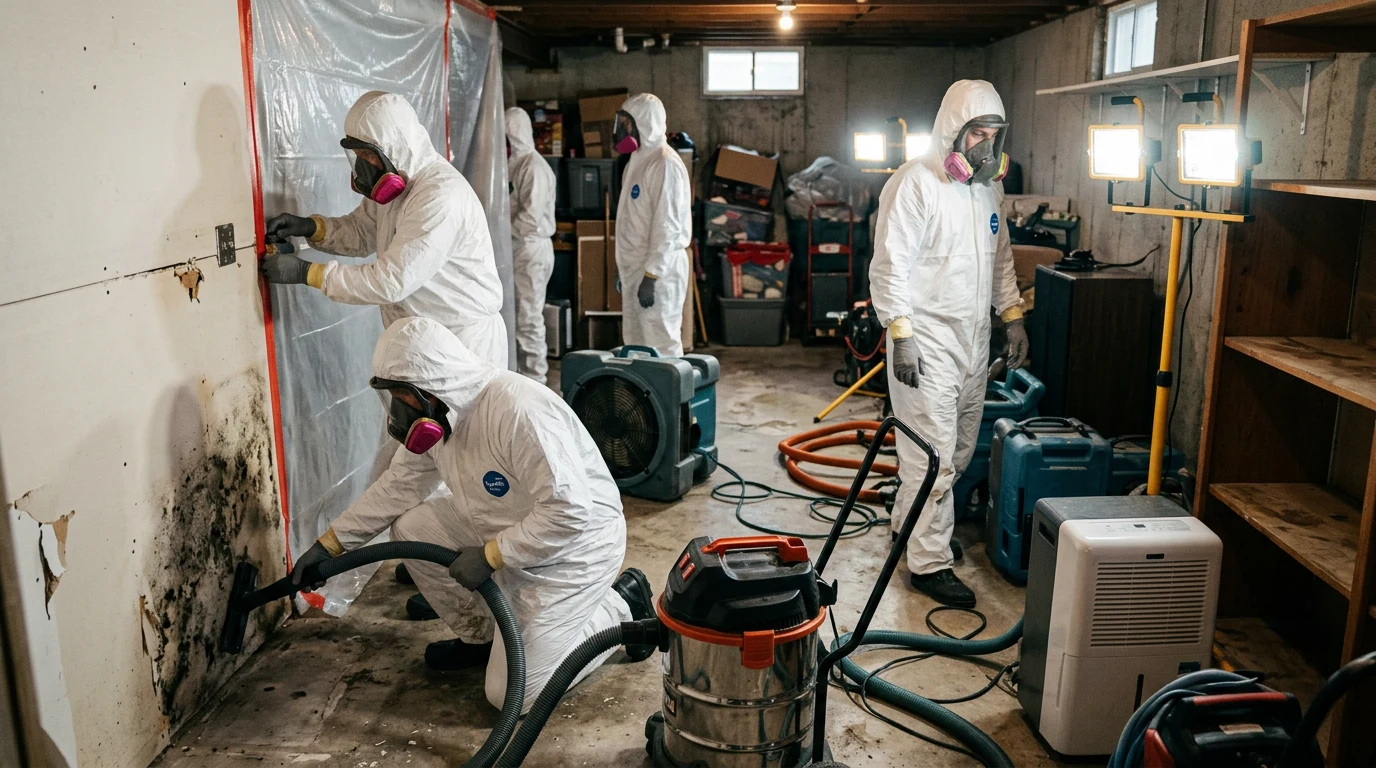
A reputable remediation company addresses the mold but may not have the expertise or scope of work to diagnose and repair the underlying plumbing, roofing, or waterproofing issue. You may need a separate specialist (plumber, roofer, waterproofing contractor) to permanently resolve the moisture source.
2. Elevated Humidity Without Active Water Intrusion
Sometimes there is no leak. No dripping pipe, no crack in the foundation, no roof problem. The moisture source is the air itself. Indoor relative humidity consistently above 60% provides enough moisture for mold to grow on surfaces — particularly in areas with poor air circulation.
Common high-humidity scenarios:
- Basements without dehumidification. Below-grade spaces naturally have higher humidity because concrete walls and slabs absorb and release ground moisture. Without a dehumidifier maintaining humidity below 50%, basements are perpetual mold risk zones.
- Homes in humid climates. The Gulf Coast, Southeast, and Pacific Northwest have extended periods where outdoor humidity exceeds 70-80%. Without proper HVAC sizing and operation, indoor humidity tracks outdoor levels.
- Over-sealed homes. Modern energy-efficient construction with spray foam insulation, house wraps, and tight windows dramatically reduces air infiltration. This is great for energy bills but eliminates the natural drying that air exchange provides. Without mechanical ventilation (ERV or HRV), moisture from cooking, showering, and breathing accumulates.
- Crawl spaces without vapor barriers. An unsealed crawl space allows ground moisture to evaporate directly into the space below your home, contributing 12-16 gallons of moisture per day in a typical 1,000 sq ft crawl space. See our guide on crawl space mold removal for encapsulation solutions.
3. Incomplete Remediation
Less common but still possible: the original remediation did not remove all the contamination. This can happen when:
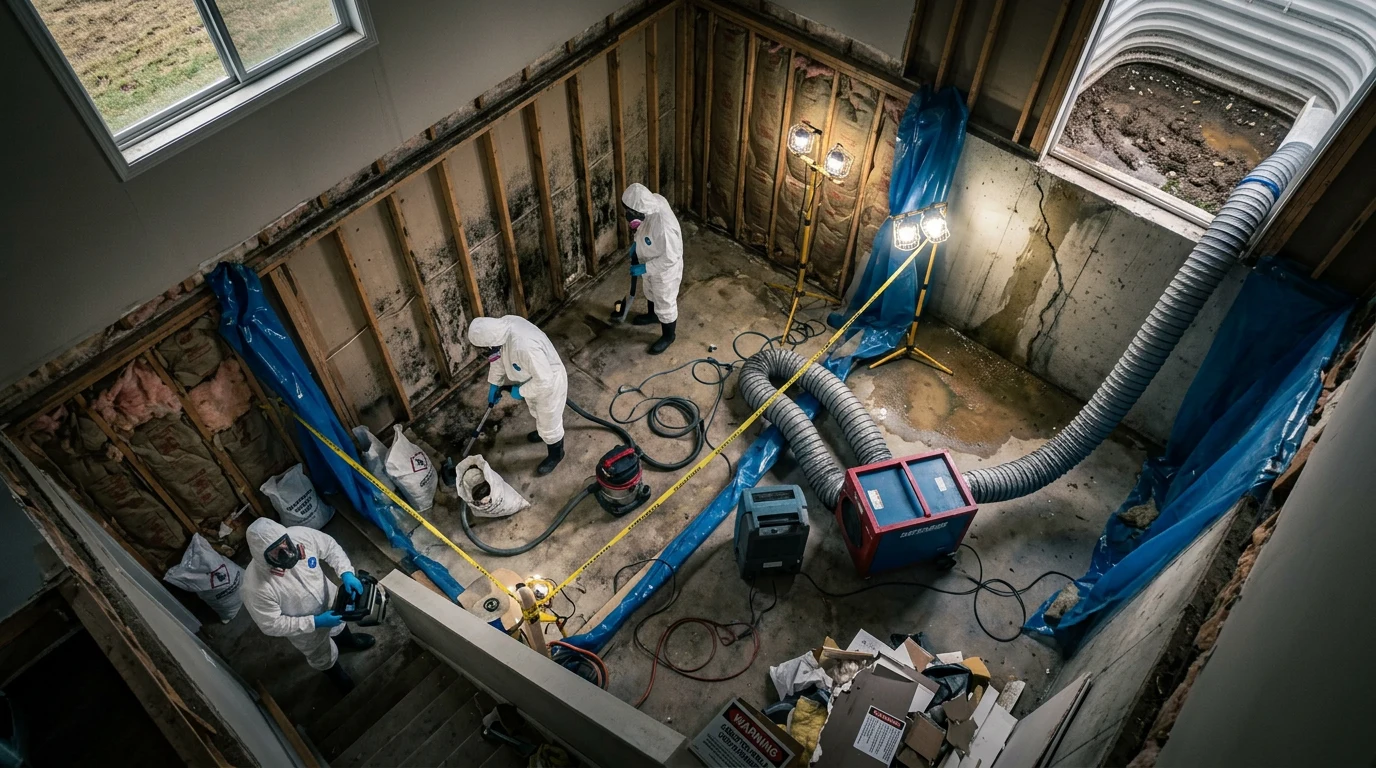
- Hidden mold was missed. Mold inside wall cavities, behind cabinets, above ceiling tiles, or in HVAC ductwork may not have been discovered or addressed during the initial remediation.
- Clearance testing was inadequate. If the remediation company performed their own clearance instead of using an independent tester, or if the testing protocol was insufficient (too few samples, wrong locations), contamination may have been present but undetected.
- Adjacent areas were not checked. Mold in one room often coexists with mold in adjacent spaces. If only the visible area was addressed, mold in wall cavities or adjoining rooms can recolonize the treated area.
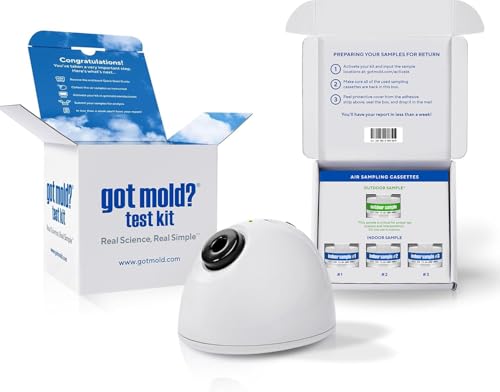
For understanding what thorough remediation should include, see our guide on the mold remediation process. For information on proper verification testing, see our guide on DIY mold testing vs professional testing.
The Prevention System: Four Layers of Defense
Preventing mold recurrence requires a layered approach. No single measure is sufficient. The four layers work together to create conditions where mold cannot establish.
Layer 1: Fix the Water
Before spending money on prevention systems, confirm the moisture source is permanently resolved:
- Have a plumber pressure-test supply lines and inspect drain connections in the affected area
- If the mold was in a basement, have a waterproofing contractor assess foundation drainage, grading, and gutter discharge
- If the mold was in an attic, have a roofer inspect for leak points and verify all exhaust fans vent to the exterior
- If condensation was a factor, insulate HVAC ductwork and cold water pipes in unconditioned spaces
- Address any identified issues completely before closing up walls or installing new materials
Layer 2: Humidity Control
Maintain indoor relative humidity between 30-50% year-round. This is the single most important ongoing prevention measure.
- Whole-house dehumidifier: Installed in the HVAC system, these units maintain consistent humidity throughout the home. Cost: $1,500-$3,000 installed. Recommended for homes in humid climates or homes with recurring moisture issues.
- Portable dehumidifier: For basements and crawl spaces that are not connected to HVAC. Units pulling 50-70 pints per day cost $250-$400. For crawl spaces, a commercial unit rated for the space size is recommended.
- Properly sized HVAC: An oversized AC unit cools air quickly but does not run long enough to dehumidify. A correctly sized system runs longer cycles, removing more moisture from the air. If your AC short-cycles (runs for only 5-10 minutes), it may be oversized.
- Exhaust fans: Run bathroom exhaust fans for 20-30 minutes after every shower. Run kitchen exhaust during and after cooking. Verify fans vent to the exterior, not into the attic or wall cavity.
Layer 3: Monitoring
You cannot manage what you do not measure. Install monitoring devices in previously affected areas and high-risk locations:
- Hygrometers: $10-$20 each. Place one in every room that has had mold, plus the basement, bathroom, and any crawl space. Check weekly. If readings exceed 55%, investigate and increase dehumidification.
- Smart humidity sensors: $25-$50 each. These connect to your phone and send alerts when humidity exceeds your set threshold. Brands like Govee, SensorPush, and Temp Stick provide continuous logging and alerts.
- Water leak sensors: $15-$30 each. Place under sinks, behind toilets, near water heaters, and near washing machines. Smart versions alert your phone; basic versions produce an audible alarm.
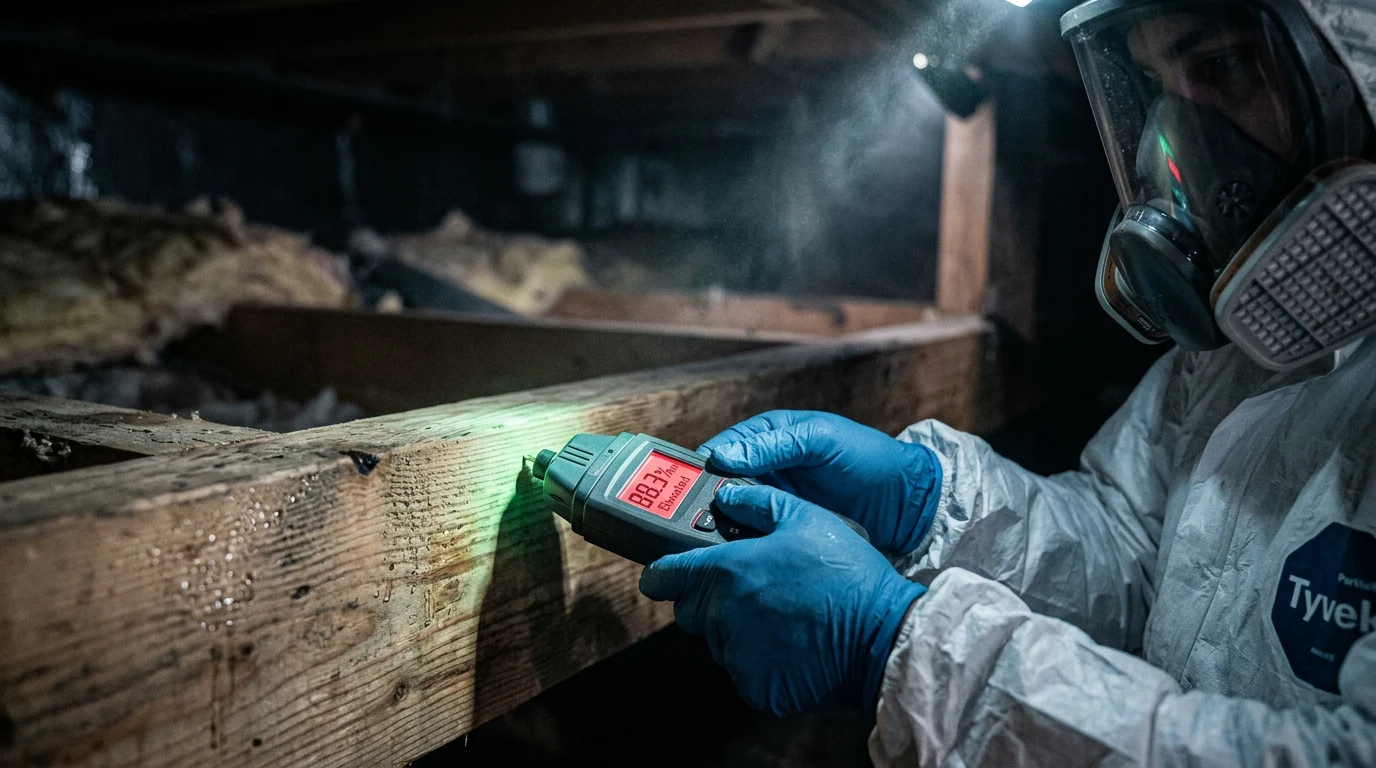
- Moisture meters: $25-$40 for a pin-type meter. Check walls, floors, and ceilings in previously affected areas monthly for the first year after remediation. Any reading above normal should trigger investigation.
For detailed recommendations on monitoring and prevention tools, see our guide on mold prevention products.
Layer 4: Mold-Resistant Materials
When rebuilding after remediation, use materials that resist mold even if moisture returns:
- Mold-resistant drywall (paperless or fiberglass-faced): Standard drywall has a paper face that is mold’s favorite food source. Mold-resistant drywall replaces that paper with fiberglass or an inorganic facing. Cost: $12-$20 per sheet vs. $8-$12 for standard. Brands include DensArmor Plus and M2Tech.
- Closed-cell spray foam insulation: Unlike fiberglass batts (which absorb water and provide a mold food source when dusty), closed-cell spray foam is an air barrier, vapor barrier, and insulation in one. It does not absorb water and provides no food source for mold. Cost: $1.50-$3.00 per square foot installed.
- Mold-resistant paint: Paints with built-in mildewcides (like Zinsser Mold Killing Primer followed by a mold-resistant topcoat) provide a surface that resists colonization. This is a supplementary measure, not a primary defense — no paint stops mold if the wall behind it is wet.
- Tile or vinyl in moisture-prone areas: In basements and bathrooms, consider tile, luxury vinyl plank (LVP), or sealed concrete instead of carpet. These materials do not absorb moisture and do not provide a mold food source.
The First-Year Protocol After Remediation
The 12 months following remediation are the highest-risk period. Follow this monitoring schedule:
Monthly
- Check humidity levels in all monitored rooms
- Take moisture meter readings on walls and floors in previously affected areas
- Visually inspect for any new discoloration, staining, or musty odor
- Check under sinks and around plumbing fixtures for any signs of moisture
- Verify dehumidifiers are functioning and draining properly
Quarterly
- Inspect exterior drainage — gutters clean, downspouts directing water 4-6 feet from foundation
- Check HVAC condensate drain line for clogs
- Replace HVAC air filter (minimum MERV-11 rating for mold spore capture)
- Inspect caulk and grout in bathrooms for deterioration
Annually
- Have HVAC system inspected, including interior of air handler and ductwork
- Inspect roof for damaged or missing shingles
- Check basement walls and floor for new cracks or efflorescence (white mineral deposits indicating water movement through concrete)
- Consider professional air quality testing if any concerns have arisen during the year
When Mold Returns Despite Prevention
If mold reappears despite implementing prevention measures, the approach changes:
- Do not panic. A small spot of surface mold on a bathroom ceiling is not the same as a recurring wall cavity infestation. Assess the scope.
- Identify the pattern. Is the mold in the exact same location as before? A different location? Same species or different? The answers point to the cause.
- Same location = unresolved moisture source. The original water problem was either not found or not fully repaired. Hire a building envelope specialist or forensic moisture investigator ($300-$800 for an assessment) to perform a comprehensive moisture analysis.
- Different location = systemic humidity issue. Mold appearing in new locations suggests whole-house humidity is the problem, not a specific water source. Re-evaluate your HVAC system, dehumidification capacity, and ventilation.
- Consider professional air quality testing. If mold keeps returning, professional testing ($300-$600) can reveal whether airborne spore levels throughout the house are elevated, pointing to hidden reservoirs you have not found yet.
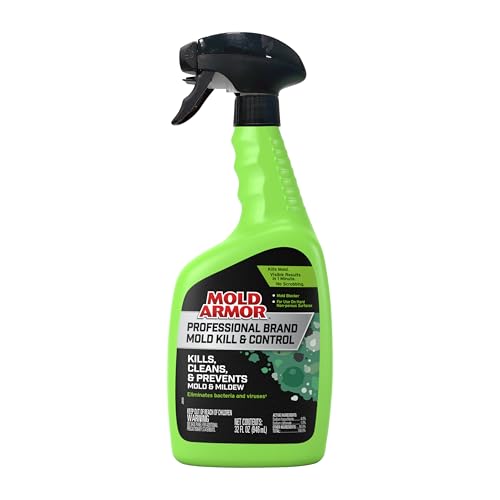
For small recurrences on non-porous surfaces (tile, glass, sealed wood), DIY cleaning is appropriate. Our guides on vinegar vs bleach for mold and the best mold remover sprays cover effective cleaning approaches. For mold on porous materials (drywall, wood), professional assessment is recommended. According to the EPA’s guide to mold and moisture, controlling moisture is the key to controlling mold.
Frequently Asked Questions
How common is it for mold to return after professional remediation?
Industry estimates suggest 15-20% of homeowners experience some degree of mold recurrence within 2 years of remediation. In the vast majority of these cases, the recurrence is caused by an unresolved moisture source rather than a failure of the remediation itself. Homes where the moisture source was identified and permanently fixed have recurrence rates below 5%.
Will my remediation company come back for free if mold returns?
Most remediation companies offer a workmanship warranty of 1-5 years covering their remediation work. However, these warranties typically exclude mold caused by new water intrusion events or ongoing moisture problems that were not part of the original scope. If the same mold returns in the same location due to incomplete removal, the warranty should cover it. If new mold appears due to an unrelated water event, it likely will not. Review your contract terms carefully.
What humidity level prevents mold growth?
Maintaining indoor relative humidity consistently below 50% prevents mold growth on most building materials. The ideal range is 30-50%. Below 30% can cause discomfort (dry skin, static electricity, respiratory irritation). Above 60% creates conditions where mold can colonize even without a direct water source. A hygrometer ($10-$20) in each room of concern allows you to monitor and maintain the target range.
Are mold-resistant materials worth the extra cost?
In areas that have previously had mold, absolutely. Mold-resistant drywall costs roughly 50% more than standard drywall ($12-$20 vs. $8-$12 per sheet) but eliminates the paper food source that mold targets. Closed-cell spray foam insulation costs more than fiberglass but also serves as a vapor barrier. Given that a single mold recurrence costs $3,000-$15,000+ to remediate, the upfront material premium pays for itself if it prevents even one recurrence.
Should I get air testing done annually after remediation?
Annual professional air testing is not necessary for most homeowners if you are monitoring humidity, checking moisture levels, and inspecting visually. However, it is recommended in specific situations: if anyone in the household has mold allergies or respiratory conditions, if the original mold problem was extensive (affecting multiple rooms or the HVAC system), or if you detect musty odors that you cannot trace to a visible source. Professional testing costs $300-$600 per visit.
Why would mold return even after professional remediation?
Mold often returns because the underlying moisture problem was not fully identified and resolved during the initial remediation. Without addressing the source of water intrusion or high humidity, new mold growth is almost inevitable, even if all visible mold was removed.
What are common hidden moisture sources that lead to recurring mold?
Common hidden moisture sources include slow leaks in plumbing behind walls, roof leaks, foundation cracks allowing water intrusion, or even persistent high indoor humidity due to inadequate ventilation. These issues can continue to provide the necessary moisture for mold spores to germinate and grow, even after initial cleanup.
How can I tell if the mold that returned is the same type as before, or a new growth?
Visually, it’s difficult to distinguish between recurring mold of the same type or new growth without professional testing. However, if mold reappears in the same area or an adjacent one within a few weeks or months, it strongly suggests the original moisture source was not fully resolved, allowing the original problem to re-establish itself.

Is it possible that some mold spores were left behind during remediation, causing the return?
While professional remediation aims to remove all mold and spores, it’s possible that microscopic spores in inaccessible areas or those not properly cleaned could survive. However, these spores typically won’t grow into visible mold without a persistent moisture source, emphasizing the critical role of moisture control in preventing recurrence.
What preventative measures should be taken immediately after remediation to avoid mold return?
Immediately after remediation, ensure all moisture sources are permanently fixed, including repairing leaks and improving drainage around the foundation. Additionally, maintain indoor humidity levels below 60% using dehumidifiers or proper ventilation, and ensure good airflow throughout the affected areas.
When should I consider re-hiring a professional if mold returns after initial remediation?
If mold returns after professional remediation, it’s crucial to re-engage a qualified professional, ideally a different one or one who offers a guarantee, to reassess the situation. They can help identify the missed moisture source and implement a more comprehensive solution to prevent further recurrence.
These statements have not been evaluated by the Food and Drug Administration. This information is not intended to diagnose, treat, cure, or prevent any disease. Content is for informational purposes only and is not medical advice; consult a qualified healthcare provider before starting any supplement. As an Amazon Associate we earn from qualifying purchases.