Mold on a Mattress: How to Handle It
Affiliate disclosure: This article contains Amazon affiliate links. If you buy through these links, MoldActionPlan earns a small commission at no extra cost to you.
Is Mold on a Mattress Dangerous? Can You Handle It Yourself?
Finding mold on a mattress is unsettling. The good news is that surface mold on a mattress is almost always a diy job for healthy homeowners, provided you catch it early and follow the right steps. According to the EPA, mold cleanup on areas smaller than roughly 10 square feet (a 3 ft by 3 ft patch) is safe to handle without professional help, as long as you take proper precautions. That covers most mattress outbreaks.
The health concern is real but manageable. Mold spores are allergens and irritants. Inhaling them can trigger sneezing, runny nose, red eyes, and skin rash. People with asthma, allergies, or weakened immune systems are more vulnerable. If you or a household member falls into those groups, consider having someone else do the cleanup or calling a pro. For everyone else, wearing the right PPE (N95 mask, gloves, goggles) and ventilating the room is sufficient protection.
This guide walks you through every step: identifying the moisture source, selecting the right cleaner, removing the mold safely, deciding whether to save or replace the mattress, and preventing a return.
Why Mold Grows on a Mattress
Mold needs three things to grow: moisture, a food source, and the right temperature. A mattress provides all three. The foam, fabric, and organic fibers (cotton, wool, natural latex) are excellent food sources. Your body heat and the insulated environment of a bed frame create an ideal temperature zone. The only missing ingredient is moisture, and that is almost always the root cause.
Common moisture sources that lead to mattress mold:
- Sweat and body oils that soak into the mattress over time, especially without a waterproof protector
- Spills (water, coffee, juice) that penetrate the mattress layers and never fully dry
- High indoor humidity above 60 percent, which keeps the mattress perpetually damp
- Condensation on the underside of a mattress sitting directly on a cold floor or against an exterior wall
- Leaks or flooding from a nearby pipe, roof, or window
- Bedwetting or pet accidents that are not cleaned and dried fast enough
Fix the moisture problem first. If you clean the mold but leave a wet mattress against a humid wall, the mold will be back within weeks. Identifying the moisture source is step zero, before you buy any cleaner.
What You Will Need (Products and PPE)
Personal Protective Equipment
- N95 or N100 respirator mask to avoid inhaling spores. Standard dust masks are not enough.
- Nitrile or rubber gloves to keep mold and cleaning chemicals off your skin.
- Safety goggles to protect your eyes from splashes and airborne spores.
- Long sleeves and pants that you can wash immediately after.
Cleaning Products
Below are the top mold removal products specifically suited for mattresses. We recommend non-bleach options for fabric surfaces because bleach can damage mattress materials and does not penetrate porous surfaces effectively.
| Product | Best For | Active Ingredient | Size | Est. Price (Amazon) | Rating |
|---|---|---|---|---|---|
| Concrobium Mold Control | Surface mold, prevention, no-rinse cleaning | Sodium carbonate (EPA Reg 84526-7-54517) | 32 oz trigger | $16-$20 | 4.4 / 5 |
| RMR-86 Instant Mold Stain Remover | Stubborn stains, visible dark mold spots | Sodium hypochlorite, sodium hydroxide | 32 oz spray | $22-$28 | 4.5 / 5 |
| RMR-141 Mold Killer and Disinfectant | Full mattress disinfection, musty odors | Quaternary ammonium compounds (EPA Reg 6836-373-89562) | 1 gallon (ready-to-use) | $30-$35 | 4.3 / 5 |
| Foster First Defense 40-80 | Light surface mold, gentle on fabrics | Sodium carbonate peroxide | 22 oz spray | $12-$16 | 4.2 / 5 |
Concrobium Mold Control is the top pick for mattress use. It is EPA-registered, contains no bleach, and works by encapsulating mold spores with a polymer film that prevents regrowth. It dries clear and leaves no residue on fabric, making it ideal for surfaces you sleep on. The active ingredient is sodium carbonate, a naturally occurring alkali salt. Reviewers consistently report it removes surface mold in one application with no lingering chemical smell.
RMR-86 is the stronger option for stubborn, deeply set stains that have been there a while. It uses sodium hypochlorite (bleach) and sodium hydroxide, so it is more aggressive. Use it sparingly on mattresses and rinse well afterward. Reviewers praise it for removing stains in minutes that other products could not touch.
RMR-141 is a quaternary ammonium disinfectant registered with the EPA as a broad-spectrum antimicrobial. It kills mold, mildew, bacteria, and viruses on hard and soft surfaces. Use it after cleaning to disinfect the area and neutralize odors. It is sold as a ready-to-use gallon that covers a large area.
Foster First Defense 40-80 is a hydrogen peroxide based cleaner that is gentler on fabrics. It works best on light surface mold and is a good option if you are concerned about chemical residues on a mattress.
Step-by-Step Mold Removal
Step 1: Prepare the Room
Move the mattress to a well-ventilated area. If possible, take it outside on a dry, sunny day. Open windows and run a fan to exhaust air out of the room. Put on your N95 mask, gloves, and goggles before you touch the mattress. Cover the floor with plastic sheeting or old sheets to catch debris.

Step 2: Dry Brush the Surface
Using a stiff-bristled brush (dry, no water), gently brush the moldy areas to loosen spores. Do this outdoors or near an open window. Vacuum the brushed area with a HEPA-filter vacuum to collect the loosened spores. Dispose of the vacuum bag or clean the canister immediately outside.
Step 3: Apply the Mold Cleaner
Spray your chosen cleaner onto the moldy areas. For Concrobium, saturate the spot and let it sit for 15 minutes. For RMR-86, the stain may start to disappear within 60 seconds. Do not oversaturate the mattress: Concrobium is water-based and too much liquid can soak into the mattress core and create a new moisture problem.
Step 4: Scrub Gently
Using a soft scrub brush or sponge, work the cleaner into the fabric in a circular motion. Focus on the stained areas but also treat a few inches beyond the visible mold. For mattresses with fabric covers, be gentle to avoid tearing the material.
Step 5: Blot and Extract Moisture
Use clean, absorbent towels to blot the area and draw out as much moisture as possible. Press firmly. Repeat with dry towels until no more moisture transfers. Then use a wet/dry vacuum on upholstery mode to extract remaining moisture from the foam.
Step 6: Dry Thoroughly
This is the most important step. Place the mattress in direct sunlight if possible. UV light kills mold spores naturally. Run fans directly on the mattress for at least 24 hours. You can also use a hair dryer on low heat, keeping it several inches from the fabric. The mattress must be completely dry before you put sheets back on, or the mold will return. Check by pressing a paper towel into the cleaned area: it should come away bone dry.
Step 7: Apply a Preventive Treatment
Once the mattress is dry, apply a light mist of Concrobium as a preventive layer. It dries into an invisible polymer barrier that resists future mold growth. Let the mattress dry again for a few hours before remaking the bed.
When the Mattress Must Be Replaced vs. Cleaned
Not every moldy mattress can be saved. Here is how to decide:

Cleanable if:
- Mold is only on the surface (cover or top layer) and covers less than a few square feet
- The mattress is structurally sound with no sagging or broken springs
- There is no musty smell after cleaning and drying
- The mold has been present for less than a few weeks
Replace the mattress if:
- Mold has penetrated deep into the foam layers (detectable by persistent musty smell after cleaning)
- The mold patch is larger than 3 square feet
- The mattress has been wet for more than 48 hours at any point
- There is visible mold on both sides of the mattress
- You or a household member has a weakened immune system or chronic respiratory condition
- The mattress is older than 8 years and mold is present
A simple test: after cleaning and drying, place a clean white paper towel on the mattress, put a heavy book on top, and leave it for 24 hours. If the towel shows moisture or a musty smell develops, the mold has penetrated the core and the mattress should be replaced.
Preventing Mold from Coming Back
Prevention is simpler than remediation. Follow these practices to keep your mattress mold-free:
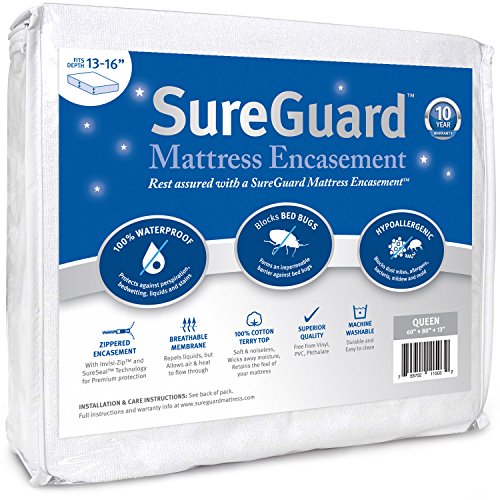
- Use a waterproof, breathable mattress protector. This is the single most effective measure. A good protector blocks sweat, spills, and humidity from reaching the mattress while still allowing airflow. Wash the protector monthly.
- Keep indoor humidity between 30 and 50 percent. A dehumidifier in the bedroom is worth the investment if you live in a humid climate. Monitor humidity with a cheap hygrometer.
- Air the mattress weekly. Strip the sheets and let the mattress breathe for a few hours. Pull it away from the wall to allow airflow on all sides.
- Elevate the mattress off the floor. Use a slatted bed frame or box spring that allows air circulation underneath. Never place a mattress directly on the floor.
- Flip or rotate the mattress regularly. This distributes wear and prevents moisture from pooling in one area.
- Clean spills immediately. Blot with towels, then use a fan or hair dryer to dry the area fully within a few hours.
- Use a preventive spray. A light treatment of Concrobium every two to three months adds a protective polymer layer that resists mold.
When to Call a Professional
Some situations require a certified mold remediation specialist rather than a diy approach:
- The mold patch exceeds 10 square feet (roughly 3 ft by 3 ft)
- You suspect the mold is inside the mattress core or has spread to the box spring, bed frame, and nearby walls
- A household member has a compromised immune system, severe asthma, or a known mold allergy
- The mold returns repeatedly despite proper cleaning and moisture control
- You have had a sewage backup or floodwater (Category 3 water damage) that reached the mattress
- You cannot identify or fix the moisture source yourself
A professional will use commercial-grade HEPA vacuums, antimicrobial fogging, and moisture meters to confirm the mattress is dry and clean. Expect to pay $200 to $600 for a single mattress treatment, depending on your area and the extent of the infestation.

Frequently Asked Questions
Can I use bleach to clean mold off my mattress?
Bleach is not recommended for porous surfaces like mattress fabric. It kills surface mold but does not penetrate into the foam where mold roots may be growing. Bleach can also damage mattress fibers and create toxic fumes. A dedicated mold cleaner like Concrobium or RMR-141 is safer and more effective.
How can I tell if the mold is completely gone?
Visually, the dark spots should be gone. More importantly, the mattress should have no musty smell. For a final check, vacuum the area with a HEPA vacuum, then seal the mattress in a plastic cover for 24 hours. If no musty smell develops when you open it, the mold is gone. If the smell returns, you need further treatment or replacement.
Does UV light from the sun kill mattress mold?
Yes. Direct sunlight is a natural mold killer. UV radiation damages mold DNA and dries out the spores. Place the mattress outside on a dry, sunny day for several hours. Turn it over to expose both sides. Sunlight is most effective when combined with a thorough cleaning and drying process.
Will a mattress protector prevent mold completely?
A high-quality waterproof and breathable mattress protector significantly reduces the risk but does not eliminate it. Mold can still grow if humidity is very high, if the protector is not washed regularly, or if moisture seeps in through the seams. A protector is your first line of defense, not the only one. Pair it with humidity control and regular airing for full protection.
Can mold grow inside a memory foam mattress without visible signs?
Yes. Memory foam is dense and retains moisture. Mold can develop inside the foam core from sweat or spills that soak through the cover. The first sign is usually a persistent musty smell even though the surface looks clean. If you suspect internal mold, press down on the mattress and smell the air that escapes. A musty odor means the mattress should be replaced.
These statements have not been evaluated by the Food and Drug Administration. This information is not intended to diagnose, treat, cure, or prevent any disease. Content is for informational purposes only and is not medical advice; consult a qualified healthcare provider before starting any supplement. As an Amazon Associate we earn from qualifying purchases.