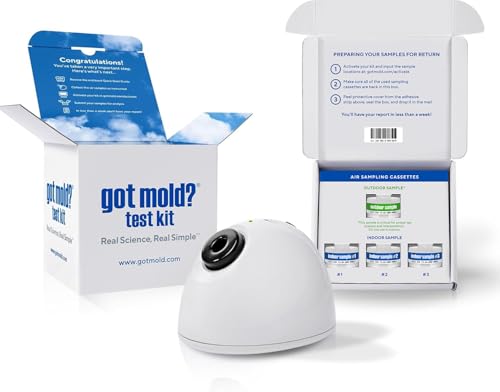
Buying a house is one of the largest financial decisions most people will ever make, and mold is one of the most commonly overlooked risks in that process. Understanding how to evaluate a property for mold risk before you sign anything can save you from serious health consequences and expensive remediation bills down the road. This guide walks you through the key red flags, inspection steps, and professional resources you need when buying a house with mold concerns.
Why Mold Risk Matters in a Home Purchase
Mold can grow anywhere moisture is present and air circulation is poor. In a home you are considering purchasing, hidden mold may already exist behind walls, under flooring, in attic spaces, or inside HVAC systems. Sellers are not always aware of the problem themselves, and standard real estate disclosures vary widely by state. The EPA’s guidance on mold basics makes clear that there is no acceptable indoor mold level, and that the only long-term solution is to identify and correct the underlying moisture source.
For buyers who are immunocompromised, have respiratory conditions, or are otherwise environmentally sensitive, a thorough mold evaluation before closing is not optional. It is essential. Always consult a qualified physician about health concerns and a certified mold inspector about any property-specific findings.
Start Before You Schedule a Showing: Pre-Check the Listing
You can rule out high-risk properties before you ever set foot inside. Review the online listing, satellite imagery, and any publicly available flood or environmental records with the following criteria in mind.
Location and Environmental Red Flags
A property’s surroundings influence its long-term moisture and contamination risk. Use this framework when evaluating a listing:
| Factor | OK | Caution | Red Flag |
|---|---|---|---|
| Flood history / regional flooding | No impact | Flooded neighbors | Flooded home, significant wind damage |
| FEMA flood plain designation | Minimal risk zone | Low risk zone | Moderate to high risk zone |
| Ground elevation relative to street | Above street level | At street level | Below street level |
| Foundation grade | At or above ground | At ground level | Below ground (basement or sub-grade crawlspace) |
| Ground slope at foundation | Slopes away from foundation | Level with foundation | Slopes toward foundation |
| Underground fuel tanks | None | Empty | Avoid |
| Coal ash ponds or fill material nearby | None nearby | — | Nearby property |
Properties sitting below street grade or in moderate-to-high flood plain zones face ongoing water intrusion pressure. A home that has flooded even once has a significantly elevated chance of harboring residual mold growth if remediation was not performed correctly.
Property Type and Structural Considerations
The structure itself influences how much control you will have over moisture sources:
- Single-family detached homes spaced well apart offer the most control over your environment.
- Condos and townhomes introduce shared walls, floors, and ceilings. A neighbor’s plumbing leak or HVAC condensate problem can become your mold problem. HOA involvement may slow or complicate remediation.
- Apartments offer little environmental control. For mold-sensitive individuals, these should be avoided if possible.
- Mobile homes are generally not recommended for environmentally sensitive occupants due to construction characteristics and moisture vulnerability.
- Modular homes may have higher VOC levels when new; request documentation on materials used.
During the Site Visit: What to Look For Yourself
A walkthrough with your agent is your first opportunity to use your eyes and your nose. You do not need any equipment for this initial pass, though a small flashlight is helpful.
Exterior Warning Signs
- Roof condition: A pitched roof is preferable to a flat or low-slope roof, which retains water. Multi-angled roofs with many valleys create more opportunities for water intrusion.
- Gutters and downspouts: Clogged, detached, or missing gutters are a caution sign. No gutters at all on a home in a rainy region is a red flag.
- Landscaping: Bushes planted close to the foundation, heavy mulch beds touching the siding, and irrigation systems directed toward the home all push moisture toward the structure. Ideal landscaping slopes away from the foundation and uses minimal mulch near the building.
- Foundation and grading: Walk the perimeter. If the ground slopes toward the home in any direction, water will pool against the foundation during rain events.
Interior Warning Signs
Inside the home, work through each area systematically. You are looking for visual signs of moisture damage, musty odors, and evidence of past or active leaks.
- Ceilings, light fixtures, and outlets: Staining around these areas indicates water has traveled down from above. Even old, dried stains suggest the roof or plumbing has leaked in the past.
- Under every sink: Open all cabinet doors under kitchen and bathroom sinks. Look for water staining on the cabinet floor, warped wood, dark discoloration along the back wall, or visible mold growth.
- Window seals and caulking: Cracked, missing, or discolored caulking around windows allows condensation and rainwater to enter wall cavities. This is one of the most common hidden mold sources.
- Shower and tub surrounds: Failed caulking and grout at the base of showers and tubs is a frequent moisture entry point into subfloor materials.
- Basement and crawlspace: If accessible, inspect for standing water, efflorescence (white mineral deposits on concrete walls), visible mold, or insulation that has fallen or become discolored. A crawlspace with a functioning sump pit and trench drains is better than one without, but still warrants a professional evaluation.
- Attic: Black staining on rafters or sheathing, daylight visible through the roof deck, or insulation that looks matted and discolored are all serious warning signs. Inadequate attic ventilation drives condensation and mold growth even in the absence of a roof leak.
- HVAC air vents and registers: Dusty, discolored, or rusted registers may indicate the system has moisture problems or has not been maintained. Ask when the system was last serviced.
- Odor: A musty, earthy smell in any room is a reliable indicator of mold or mildew, even when you cannot see it. Trust this signal.
Professional Inspections: What to Request and When
Your self-assessment should help you narrow down properties worth pursuing. Once you are serious about a home, professional evaluations are strongly recommended before you close.
Standard Home Inspection vs. Mold Inspection
A standard home inspection covers structural and mechanical systems but typically does not include air sampling or a detailed mold assessment. A certified mold inspector provides a separate, focused evaluation that includes visual inspection, moisture meter readings, and often air or surface sampling sent to a third-party laboratory. These are two different services, and for buyers with health concerns or properties showing any red flags, both are worth requesting. See our guide to mold testing methods for an explanation of the different sampling approaches and what they cost.
What a Professional Mold Inspection Typically Includes
- Moisture mapping of walls, ceilings, and floors using a non-invasive meter
- Visual inspection of high-risk areas including attic, crawlspace, and HVAC system
- Air sampling from inside the home compared against an outdoor control sample
- Surface or tape lift sampling if visible growth is present
- A written report identifying findings and recommended next steps
Inspection costs vary by region and property size, but a professional mold inspection for a typical single-family home generally falls in the range of $300 to $600, not including laboratory analysis fees. Properties with suspected extensive issues or large square footage will cost more. This is a modest investment relative to the potential remediation costs or health consequences of buying a house with mold you did not know about. Learn more about what to expect from professional mold inspections.
When to Walk Away
Not every mold finding is a reason to abandon a purchase. Small, isolated areas of surface mold in a well-maintained home that presents no other moisture problems can be addressed straightforwardly. However, the following situations warrant serious reconsideration or require a remediation plan and cost estimate before you proceed:
- Mold growth inside HVAC air handling units or ductwork
- Visible mold covering more than 10 square feet (the threshold often cited by the EPA for professional remediation)
- Mold growth in multiple areas of the home suggesting a systemic moisture problem
- Evidence of prior flooding that was not professionally remediated
- Elevated mold spore counts across multiple interior air samples, particularly for genera associated with water damage such as Stachybotrys or Chaetomium
- A seller or listing agent who cannot or will not disclose prior water damage history
If you decide to move forward on a property with known mold, negotiate remediation by a qualified contractor as a condition of sale, or request a price reduction equal to the estimated remediation cost. Review our mold removal and remediation guide to understand what professional remediation involves and how to verify it was done correctly.
After You Move In: Building Healthy Habits from Day One
Even a clean, mold-free home can develop problems if moisture is not actively managed. The following practices and tools help prevent mold from becoming an issue after you take ownership.
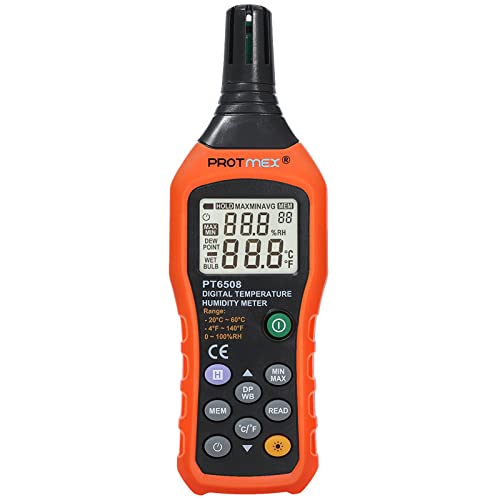
Tools Worth Buying Early
- Hygrometers: Place one in each room, prioritizing rooms with water sources. Indoor relative humidity should stay between 30% and 50% to inhibit mold growth. Readings above 60% consistently are a concern.
- Water leak detectors: Small electronic sensors placed under sinks, behind the refrigerator, and near the washing machine will alert you to leaks before they become a mold problem.
- Under-sink liners and drain pan mats: These catch slow drips before they soak into cabinet wood.
- Washer drain pan: Placed under front-load and top-load washing machines to catch overflow or supply line failures.
Regular Maintenance Checks
Schedule a consistent walkthrough of your home at least every few months. Check window and shower caulking for cracks or separation. Look under every sink. Inspect ceilings and around light fixtures for any new staining. Check your gutters during a rainstorm to confirm they are draining properly and not pulling away from the fascia. Visit your attic at least twice a year. Have your HVAC system professionally serviced once a year and photograph the unit each time so you have a baseline to compare against future visits. Keeping records and acting on small problems quickly is the most effective mold prevention strategy available. For ongoing guidance, visit our mold prevention resources.
Frequently Asked Questions
Can I buy a house if mold is found during the inspection?
Yes, in many cases. The key question is the extent of the mold, its location, and whether the underlying moisture problem can be corrected permanently. Small, isolated surface mold in a single area is very different from mold throughout a crawlspace or inside an HVAC system. If mold is found, get a scope and cost estimate from a certified remediation contractor before you decide. You can then negotiate remediation or a price reduction as part of the purchase agreement. Consult a certified industrial hygienist or mold inspector for an independent assessment of the severity.
Should I trust a seller’s disclosure about mold?
Disclosure requirements vary significantly by state, and sellers may not know about mold in areas they have never inspected, such as the attic or inside wall cavities. A disclosure saying “no known mold” is not the same as a property having no mold. Always pair any seller disclosure with an independent professional mold inspection, particularly for older homes, properties in humid climates, or any home that shows moisture-related warning signs during your walkthrough.
How much does mold remediation cost if I find problems after purchasing?
Remediation costs depend heavily on the size of the affected area, the material affected (drywall versus structural framing versus ductwork), and the mold genera present. Localized remediation of a single bathroom or under-sink area may cost a few hundred dollars. Remediation of a full crawlspace, attic, or HVAC system can run from several thousand dollars to well over $10,000 for severe cases. This is why a pre-purchase inspection is far less expensive than discovering the problem after closing.
What indoor humidity level should I maintain to prevent mold?
The EPA recommends keeping indoor relative humidity between 30% and 50%. Levels above 60% create conditions that support mold growth on common building materials. In humid climates or during summer months, a properly sized air conditioner or a standalone dehumidifier is often necessary to maintain safe levels. Use a hygrometer in each room to monitor conditions, particularly in basements, bathrooms, and laundry areas.
What is the difference between a standard home inspection and a mold inspection?
A standard home inspection evaluates the structural and mechanical systems of a home, including the roof, electrical, plumbing, and HVAC. Inspectors may note visible water damage or staining, but they are not trained or equipped to assess mold specifically. A mold inspection is a separate service performed by a certified mold assessor or industrial hygienist. It includes moisture measurements, targeted visual inspection of high-risk areas, and typically air or surface sampling analyzed by an accredited laboratory. For any property showing moisture warning signs, or for buyers with health sensitivities, both inspections are recommended before purchase.
These statements have not been evaluated by the Food and Drug Administration. This information is not intended to diagnose, treat, cure, or prevent any disease. Content is for informational purposes only and is not medical advice; consult a qualified healthcare provider before starting any supplement. As an Amazon Associate we earn from qualifying purchases.