Mold Fogger vs Spray: Which Method Actually Works for Your Home?
Disclosure: As an Amazon Associate, MoldActionPlan earns from qualifying purchases. We only recommend products we have researched and verified. This helps us keep our content free.
Quick Verdict
For most homeowners, a mold spray wins for day-to-day use. It gives you direct control over where the product lands, works on visible mold spots, and costs less per treatment. A fogger is the better choice when you need to treat large or hard-to-reach areas like attics, crawlspaces, or entire basements. In many cases, the smartest approach is to own both: keep a spray for spot treatments and use the fogger for whole-room jobs.
At-a-Glance Comparison: Fogger vs Spray
| Feature | Concrobium Mold Control Spray | Concrobium Mold Control Fogger |
|---|---|---|
| Delivery method | Trigger spray or aerosol | Cold ULV fogger machine |
| Active ingredient | Sodium carbonate (washing soda) | Sodium carbonate (washing soda) |
| Best for | Visible mold spots, small areas, porous surfaces | Large spaces, attics, crawlspaces, wall cavities |
| Dwell time | 15-30 minutes to dry; 24-48 hours for full effect | 2-4 hours to settle; 24-48 hours for full effect |
| Coverage per gallon | Roughly 150-200 sq. ft. per gallon | Roughly 600-800 sq. ft. per gallon (fogged) |
| Surfaces | Drywall, wood, concrete, tile, grout, fabric, metal, plastic | Same as spray (needs open surface exposure) |
| Odor | No harsh chemical smell | No harsh chemical smell |
Concrobium Mold Control Spray: What It Is and When to Use It
What It Is
Concrobium Mold Control is a liquid solution sold in ready-to-use trigger spray bottles (32 oz) and gallon refills. It uses a sodium carbonate base to physically encapsulate and eliminate mold spores on contact. Rather than poisoning mold with biocides, it crushes the spores by drying and leaves behind a thin crystalline residue that resists future growth. The manufacturer, Rust-Oleum, markets it as containing “no harmful chemicals” and lists compatibility with drywall, wood, concrete, tile, grout, fabric, metal, plastic, brick, stone, and more.
Strengths
- Targeted application. You spray exactly where the mold is, so no solution is wasted on clean surfaces.
- No harsh fumes. Because the active ingredient is sodium carbonate (essentially washing soda), you do not need a respirator for typical use, though gloves and eye protection are still recommended.
- Works on porous surfaces. The liquid soaks into drywall, wood, and grout where mold roots grow.
- Simple to use. No equipment to buy, no setup. Just spray, let dry, and wipe or vacuum residue.
- Leaves a protective barrier that helps prevent mold from returning.
Weaknesses
- Slow for large areas. Spraying a whole basement or attic takes time and physical effort.
- Hard to reach hidden mold. Wall cavities, ductwork, and joist pockets are difficult or impossible to treat with a spray bottle.
- Can leave a white residue on dark surfaces if not wiped down after drying.
Best Use Cases
- Visible mold spots on bathroom tile, grout, or caulk
- Small patches on drywall or wood trim
- Mold on baseboards, window sills, or door frames
- Kitchen and bathroom mildew between regular cleanings
- Outdoor mold on patio furniture, siding, or deck surfaces
Concrobium Mold Control Fogger: What It Is and When to Use It
What It Is
The Concrobium Mold Control Fogger (SKU 200620810 from the Rust-Oleum product catalog) is a cold ULV (ultra-low volume) fogger machine. You fill its reservoir with Concrobium Mold Control liquid, and the machine atomizes the solution into microscopic droplets that hang in the air for an extended period before settling onto every surface in the room. This gives you full coverage of ceilings, walls, floors, and everything in between. The machine comes with replacement filters (SKU 200080). It uses the exact same active ingredient as the spray, so there is no difference in chemistry, only in delivery.
Strengths
- Covers everything. Because the mist fills the entire space, it coats every surface including the tops of ducts, the back sides of studs, and the underside of floorboards.
- Treats large areas in one pass. A single fogging session can cover an entire basement or crawlspace in minutes rather than hours of manual spraying.
- Reaches hidden mold. The airborne mist penetrates wall cavities, attic rafters, and other tight spaces a spray bottle cannot reach.
- Same safe chemistry as the spray. No bleach, no ammonia, no volatile biocides.
- Can be used preventively on new construction to keep mold from starting.
Weaknesses
- Higher upfront cost. You need to buy or rent the fogger machine itself.
- Over-spray risks. The fine mist settles on everything in the room, including electronics, furniture, and finished floors. You need to cover or remove these items before fogging.
- Less practical for small jobs. For a single patch of mold in a bathroom corner, the fogger is overkill.
- Longer prep and cleanup time. You need to mask outlets, seal off HVAC vents, and tape door gaps before fogging.
- Not a standalone solution for thick mold growth. Heavy infestations may still need scrubbing or removal of porous materials after fogging.
Best Use Cases
- Unfinished basements with mold on multiple surfaces
- Crawlspaces and attics that are difficult to access
- After mold remediation to treat residual airborne spores
- New construction or renovation to prevent mold before it starts
- Vacant properties or rental units between tenants
Head-to-Head: How They Compare on Key Factors
Effectiveness on Mold
Both products use the same active ingredient (sodium carbonate), so the chemistry is identical. The difference is coverage. A spray bottle puts solution exactly where you aim it, which works well for visible spots. A fogger covers every square inch of a room, including areas you cannot see. For total mold elimination in a large space, the fogger has the edge. For a bathroom corner, the spray wins because it avoids wetting everything else in the room.
Safety
Both are safer than bleach-based mold killers. Sodium carbonate is a common household cleaning ingredient found in laundry detergents. You should still wear gloves and eye protection, and the fogger requires a respirator during operation because the airborne mist can irritate lungs. After the mist settles (2-4 hours), the area is safe to re-enter without protection.
Smell
Neither product produces a strong chemical odor. Concrobium has a faint alkaline scent during application, similar to washing soda in water. Within a few hours of drying, there is virtually no smell. This is a major advantage over bleach or vinegar-based mold treatments.
Cost Per Use
For the spray, your cost is just the price of the liquid. A 32 oz bottle covers roughly 150-200 sq. ft. For the fogger, you pay for the machine upfront (around $100-$150) plus the same Concrobium liquid. However, the fogger uses about a gallon to treat 600-800 sq. ft. because the mist covers more area with less liquid waste. If you have a single room to treat, the spray is cheaper. If you have a whole house or multiple properties, the fogger pays for itself.
Ease of Use
The spray wins on ease. You pull the trigger and aim. No assembly, no calibration, no cleanup. The fogger requires setup: read the instructions, choose nozzle size, seal the room, fill the tank, plug in the machine, set the timer, and wait for the mist to settle before re-entering. Then you clean the machine afterward. The trade-off is that the fogger covers in 20 minutes what would take hours of spraying.
Which To Choose by Scenario
Bathroom Mold
Winner: Spray. Bathrooms are small, enclosed, and full of things you do not want to fog (towels, toiletries, mirrors, electronics). A targeted spray on tile grout, caulk, and corners is faster, cleaner, and just as effective.
Outdoor Mold on Siding or Deck
Winner: Spray. The fogger mist is designed for enclosed spaces; outdoors, wind carries it away before it settles. Use a spray bottle or garden sprayer for outdoor surfaces. Concrobium works on siding, shakes, concrete, and deck wood.
Porous Surfaces (Drywall, Wood, Grout)
Winner: Spray. The liquid needs to soak into the material to reach mold roots. A spray delivers a concentrated stream that soaks in. A fogger leaves a lighter coating that may not penetrate as deeply into porous materials. For porous surfaces with visible mold, use the spray.
Large Area (Basement, Attic, Crawlspace)
Winner: Fogger. This is the fogger’s natural habitat. Unfinished basements and crawlspaces have exposed studs, joists, and insulation where mold hides. A fogger gets the solution behind every joist and into every corner. The spray would take hours and miss hidden areas.
Whole House After Remediation
Winner: Fogger. After a mold remediation project, thousands of spores remain airborne and settled on surfaces you cannot reach. A fogger treats the entire volume of air and room surfaces in one session. This is standard practice for professional remediation companies.
How To Use the Winner Correctly: Safety, Dwell Time, Ventilation
Whichever method you choose, follow these steps for safe and effective mold treatment:
For the Spray
- Clean the area first. Remove loose mold with a HEPA vacuum or a damp cloth. Do not use bleach, which can react with the mold and release harmful compounds.
- Apply the spray. Hold the nozzle 6-8 inches from the surface and saturate the moldy area. The surface should look wet but not dripping.
- Let it dry (15-30 minutes). Do not wipe or rinse. The solution needs to dry to form the protective crystalline barrier.
- Wipe if needed. If a white residue remains on dark surfaces, wipe lightly with a damp cloth. For porous surfaces like drywall, leave the residue in place for continued protection.
- Full dwell time: 24-48 hours. The product continues to work as it cures. Avoid rewetting the area during this period.
- Ventilation. Open a window or run an exhaust fan. While Concrobium has no harsh fumes, ventilation speeds drying.
For the Fogger
- Prepare the room. Remove or cover all electronics, furniture, and belongings. Cover HVAC vents and outlets with plastic and tape. Seal door gaps with painter’s tape.
- Fill the fogger. Fill the reservoir with Concrobium Mold Control liquid (not concentrated, use ready-to-use). Use the correct nozzle for the droplet size specified in the manual.
- Set up the machine. Place the fogger in the center of the room or on a raised platform for better coverage. Set the timer for the room size.
- Wear PPE. Use a respirator (N95 or higher), gloves, and eye protection. The mist is not toxic, but airborne particulates can irritate sensitive lungs.
- Fog the room. Start the machine and leave the room immediately. Close the door and seal the gap. Typical runtime is 10-30 minutes depending on room size.
- Wait for settlement (2-4 hours). Do not re-enter the room until the mist has fully settled. The air should be clear and surfaces should feel slightly damp.
- Full dwell time: 24-48 hours. Do not disturb the treated surfaces during this period. The solution must dry completely to form the protective barrier.
- Ventilate. After settlement, open windows and run fans for 30-60 minutes before normal use.
Frequently Asked Questions
Can I use Concrobium Mold Control in a pump sprayer instead of a fogger?
Yes. For outdoor use or areas where a trigger bottle is too slow, you can pour Concrobium Mold Control into a standard pump garden sprayer. This is a common approach for treating large outdoor surfaces like siding, decks, or fences. Do not use a pump sprayer indoors for broad coverage: a pump sprayer produces larger droplets that do not stay airborne long enough to coat all surfaces the way a fogger does. For indoor large-area treatment, a fogger is the correct tool.
Do I need to scrub mold before using Concrobium?
For light to moderate mold, you do not need to scrub. Concrobium penetrates the mold and kills it on contact. For heavy mold growth or visible buildup, mechanical removal (scrubbing or HEPA vacuuming) before application will give better results. The product is not a heavy-duty cleaner for thick organic growth: it works best when the surface has been pre-cleaned of loose debris.
Is Concrobium safe for pets and children after it dries?
Yes. The dried residue is non-toxic sodium carbonate, the same substance found in laundry detergents and dishwasher powders. Once the treated surface is dry to the touch, it is safe for pets and children. Keep pets and children out of the room during application and until the surface is fully dry. For fogger use, wait the full 2-4 hour settlement period plus drying time before re-entry.
How long does Concrobium last once applied?
The protective crystalline barrier remains active as long as it stays dry and undisturbed. On surfaces that are not cleaned or physically disturbed, the residue continues to prevent mold regrowth indefinitely. On surfaces that are regularly wiped or exposed to moisture (like shower walls), reapplication every 3-6 months is recommended. The barrier is water-soluble, so heavy rain or washing will remove it and require reapplication.
What is the difference between Concrobium Mold Control and bleach for mold?
Bleach (sodium hypochlorite) kills mold on non-porous surfaces but cannot penetrate porous materials like drywall or wood, where mold roots live. This means bleach only bleaches the stain on porous surfaces while the mold grows back. Bleach also produces harmful fumes and can damage fabrics, metals, and finishes. Concrobium penetrates porous surfaces, crushes the mold spores physically, and leaves a protective barrier. It has no harsh fumes, no bleaching effect, and is safe on more surface types.
Final Takeaway
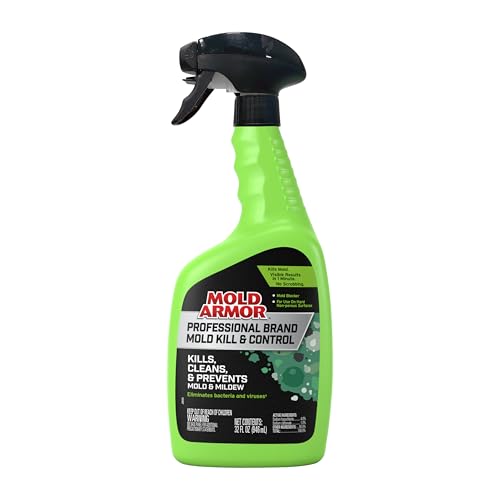
Choose a mold spray when you have visible spots in small or finished areas of your home. Choose a fogger when you need to treat large, unfinished, or inaccessible spaces. Because they use the same active ingredient, you can keep both on hand: a spray for quick bathroom and kitchen touch-ups, and access to a fogger for the bigger jobs. Either way, Concrobium Mold Control offers an effective, low-odor, non-toxic alternative to bleach and other harsh chemical mold treatments.
These statements have not been evaluated by the Food and Drug Administration. This information is not intended to diagnose, treat, cure, or prevent any disease. Content is for informational purposes only and is not medical advice; consult a qualified healthcare provider before starting any supplement. As an Amazon Associate we earn from qualifying purchases.