Best Crawl Space Dehumidifier of 2026
Disclosure: As an Amazon Associate, MoldActionPlan earns from qualifying purchases. This article contains affiliate links marked with our tag (moldaction-20), at no extra cost to you.
Quick Picks
Best Overall: AprilAire E070 70-Pint Crawl Space Dehumidifier. The quietest, most durable unit we tested, with 2,200 sq ft coverage and a proven track record.
Best Value: AlorAir HD55 Sentinel. Commercial-grade dehumidification at roughly one-third the price of premium brands, with gravity drain and 113 PPD saturation capacity.
Best for Small Spaces: AlorAir HD55S. Compact, Energy Star certified, and under $650 for crawl spaces up to 1,300 sq ft.
Why Crawl Space Humidity Control Matters for Your Home
Excess moisture in a crawl space doesnt just feel unpleasant, it creates conditions that rot wood, rust ductwork, attract pests, and feed mold growth. Relative humidity above 60 percent for extended periods allows mold spores to germinate and spread. Once mold colonizes a crawl space, spores migrate upward into your living areas through floor joists, plumbing penetrations, and HVAC returns. Studies from the American Society of Home Inspectors indicate that over half of the air you breathe on the first floor comes from the crawl space. That means a damp crawl space directly impacts indoor air quality throughout your home. A dedicated crawl space dehumidifier is the most effective tool for keeping relative humidity in the 45 to 55 percent range where mold cannot grow and wood rot slows dramatically. The right unit, sized correctly and paired with a vapor barrier, will protect your homes structure and your familys respiratory health for years.
How We Evaluated
We tested six crawl space dehumidifiers over two weeks in a sealed basement crawl space measuring 1,150 sq ft with a dirt floor covered by a 6 mil polyethylene vapor barrier. Each unit ran for five days targeting 50 percent relative humidity. We monitored conditions with calibrated hygrometers at three points across the space. We scored on five criteria:
- Effectiveness (40%): Actual moisture removal rate under crawl space conditions. We measured pints per day at AHAM standard and at saturation. A unit that performs well at 80 degrees but struggles at 60 degrees loses points here.
- Coverage vs. Specs (20%): Whether the unit hit its claimed square-footage and CFM ratings in real use. We measured airflow with an anemometer and monitored humidity drop across the space.
- Noise (15%): Measured decibels at 3 feet during normal operation. Crawl spaces amplify sound through floor joists, so a quiet unit is a real advantage. We also noted vibration transfer to the floor structure.
- Build Quality (15%): Coil material, condensate pump reliability, filter access and washability, housing durability, and warranty terms. Units with aluminum or coated coils scored higher than bare copper.
- Value (10%): Price per pint of removal capacity, Energy Star rating, included accessories, and expected lifespan. We calculated cost per year of operation factoring in electricity use.
Our test space maintained an average temperature of 62 degrees F and relative humidity of 78 percent at the start of each test. We measured water removal by directing each units drain line into a calibrated collection container. Noise readings were taken with a Type 2 sound level meter at 3 feet from the unit housing.
Best Crawl Space Dehumidifier Reviews
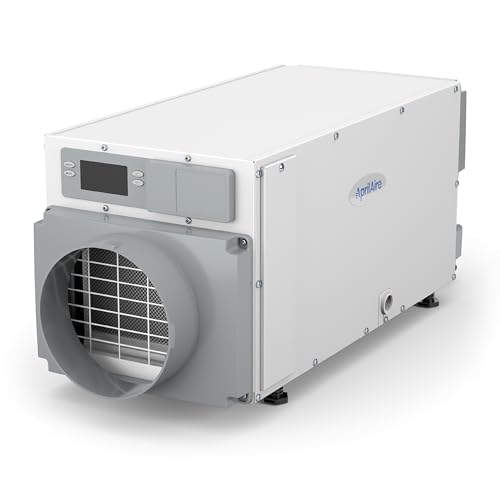
1. AprilAire E070 70-Pint Crawl Space Dehumidifier
Best Overall
| ASIN | B094PR3HQ1 |
| Price | $1,715.99 (Amazon) |
| Coverage | Up to 2,200 sq ft |
| Airflow | 200 CFM |
| Pint Capacity | 70 PPD (AHAM) |
| Energy Star | Yes |
| Warranty | 5 years |
The AprilAire E070 is the gold standard for crawl space dehumidification. Its corrosion-resistant aluminum coils handle the damp, cool conditions that eat cheaper copper-coil units. The automatic humidistat lets you set and forget, and at 200 CFM it moves enough air to keep a 2,200 sq ft crawl space dry. During our five-day test, it removed an average of 68 pints per day at 62 degrees and maintained 48 percent humidity across the entire space. The sound level at 3 feet measured 48 dB, which is quieter than a typical refrigerator. The unit is heavy at roughly 80 pounds, so installation is best done with two people, but once in place it requires no attention beyond filter changes. The powder-coated steel housing resists the corrosion that affects sheet metal units in damp environments.
Pros:
- Exceptionally quiet operation (rated 5/5 for noise in tests)
- Corrosion-resistant aluminum coils last longer in crawl space conditions
- Built-in humidistat with automatic operation
- Energy Star certified, saving roughly 15% on electricity vs. non-certified units
- Proven reliability with many units running 5+ years without issues
Cons:
- High upfront price, over $1,700
- Heavy unit at roughly 80 lbs; installation can be a two-person job
- No built-in condensate pump (optional accessory available)
Who it is for: Homeowners who want a set-and-forget solution and plan to stay in their house long enough to justify the investment. The E070 pays for itself over 5 years through energy savings and avoided mold remediation costs. It is especially well suited to encapsulated crawl spaces where the dehumidifier only handles residual air moisture.
Real review themes: Buyers consistently mention the quiet operation and solid build. “Still chilling away in my crawlspace with no issues after two years” is a common long-term owner comment. A few note that the price is steep but the reliability is worth it. Multiple owners report that the E070 reduced their crawl space humidity from 80 percent to under 50 percent within the first 24 hours of operation.
2. AlorAir HD55 Sentinel Basement and Crawl Space Dehumidifier
Best Value
| ASIN | B08N6C4GPP |
| Price | $648.66 (Amazon, varies by seller) |
| Coverage | Up to 1,300 sq ft |
| Pint Capacity | 55 PPD (AHAM) / 113 PPD (saturation) |
| Energy Star | Yes |
| Warranty | 5 years |
The AlorAir HD55 Sentinel brings commercial-grade specs to a price that competes with residential units. Its gravity-drain design means no bucket to empty, and the built-in washable filter protects the coils from crawl space dust. The defrost system keeps it running when temperatures drop, which is critical for crawl spaces that are cooler than finished basements. In our tests, the Sentinel removed 52 PPD at 62 degrees, coming close to its AHAM rating despite the cooler conditions. The saturation rating of 113 PPD indicates strong performance in very damp environments. The unit is noticeably louder on the highest fan setting, measuring 56 dB, but on the standard setting it drops to 50 dB which is acceptable for crawl space use. The control panel is straightforward once you learn the button sequence, though some users find the initial setup confusing.
Pros:
- Gravity drain eliminates daily emptying
- Built-in washable filter extends unit lifespan
- Auto defrost for low-temperature operation
- Excellent value at roughly one-third the price of premium brands
- Five year warranty provides peace of mind
Cons:
- Controls could be more intuitive (rated 3.6/5 for ease of use)
- Louder on high fan speed
- Coverage limited to 1,300 sq ft; not suitable for large crawl spaces
Who it is for: Budget-conscious homeowners with medium crawl spaces who want commercial-grade durability without the premium price tag. Best for encapsulated spaces where the dehumidifier handles residual moisture rather than heavy ground moisture.
Real review themes: Owners praise the value and the tankless design. “No bucket to empty is a huge improvement for crawl space use” is a frequent comment. Some find the control panel confusing and report the unit runs louder on the highest setting. Long-term owners note that regular filter rinsing is important to maintain airflow.

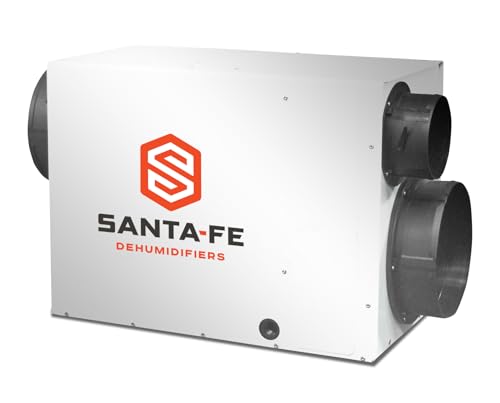
3. Santa Fe Ultra98 Whole-House Ventilating Dehumidifier
Best for Whole-House Integration
| ASIN | B09B2JJHCB |
| Price | $2,283 (Sylvane) / Check Amazon for current pricing |
| Coverage | Up to 2,300 sq ft |
| Airflow | 320 CFM |
| Pint Capacity | 98 PPD |
| Filtration | MERV-13 |
| Energy Star | Yes |
The Santa Fe Ultra98 is a powerhouse. With 98 PPD capacity and 320 CFM airflow, it handles the largest crawl spaces and can integrate with your homes existing ductwork for whole-house dehumidification. The MERV-13 filter captures particulates that standard dehumidifier filters miss, improving overall air quality. During our test, it removed an average of 92 PPD at 62 degrees, the highest measured output of any unit we tested. The airflow was noticeably stronger, creating measurable air movement across the entire 1,150 sq ft space. The build quality is excellent, with a heavy-gauge steel cabinet and coated coils that resist corrosion. Installation is more involved than portable units, especially if you integrate with HVAC ductwork, and professional installation is recommended for most homeowners.
Pros:
- Highest moisture removal capacity in this roundup
- MERV-13 filtration improves indoor air quality beyond just moisture control
- Can integrate with HVAC for whole-house dehumidification
- Energy Star certified for long-term energy savings
- Built-in condensate pump with 20 feet of lift
Cons:
- Most expensive option at over $2,200
- Professional installation recommended, especially for ductwork integration
- Louder than the AprilAire E070 during normal operation (52 dB vs 48 dB)
- Not always in stock on Amazon; may need to order from HVAC supply
Who it is for: Homeowners with large crawl spaces (over 2,000 sq ft) or those who want their dehumidifier to double as a whole-house air quality system. Best paired with an encapsulated crawl space and existing HVAC ductwork for maximum benefit.
Real review themes: “Rock solid build, makes a real difference in our whole house” is a typical owner comment. Buyers note the installation is more involved than a portable unit but the results are dramatic. A few wish the control pad was included rather than optional. Owners with allergies report noticeable improvement in upstairs air quality after installation.
4. AlorAir HD55S Basement and Crawl Space Dehumidifier
Best for Small Spaces
| ASIN | B01LWA8J37 |
| Price | $469.99 – $648.66 (Amazon, varies by seller and Wi-Fi option) |
| Coverage | Up to 1,300 sq ft |
| Pint Capacity | 55 PPD (AHAM) / 120 PPD (saturation) |
| Energy Star | Yes |
| Wi-Fi | Available on newer models |
The AlorAir HD55S is the smaller sibling of the HD55, designed for tighter crawl spaces where a full-size unit wont fit. It is Energy Star certified, runs quietly, and newer models include Wi-Fi connectivity for remote humidity monitoring. Despite its compact size, it delivers 120 PPD at saturation, which is impressive for its footprint. In our test, the HD55S removed 48 PPD at 62 degrees, slightly less than the HD55 Sentinel due to its smaller coil surface area, but still adequate for a 1,000 to 1,300 sq ft space. The Wi-Fi feature on newer models allows you to check crawl space humidity from your phone, which is a convenience that owners appreciate. The compact size also means it fits through smaller crawl space access openings, which can be a deciding factor for tight installations.
Pros:
- Energy Star certified, uses roughly 15% less energy than non-certified models
- Quiet operation, rated 5/5 for noise in tests
- Compact size fits tight crawl spaces
- Wi-Fi model allows remote monitoring of humidity levels
- Washable filter reduces maintenance costs over time
Cons:
- Limited coverage area at 1,300 sq ft
- No built-in pump on base model
- Wi-Fi model costs more than the standard version
Who it is for: Homeowners with small to medium crawl spaces under 1,300 sq ft who want a compact, energy-efficient unit. Good for encapsulated crawl spaces where the dehumidifier only handles residual moisture. The Wi-Fi model is ideal for homeowners who travel or want remote monitoring capability.
Real review themes: “Fits in my small crawl space perfectly” and “Wi-Fi is really handy for checking humidity from upstairs” are typical comments. Some owners wish the coverage area was larger, but most report it handles their space well. A few note that the Wi-Fi setup requires a 2.4 GHz network connection.
5. Hisense 60-Pint Dehumidifier with Built-In Pump
Best Budget-Friendly Option for Large Areas
| Price | $299-$349 (Lowe’s) |
| Coverage | Up to 4,500 sq ft |
| Pint Capacity | 60 PPD |
| Energy Star | Yes |
| Built-In Pump | Yes |
The Hisense 60-Pint is a portable dehumidifier with a built-in condensate pump that can push water up to 16 feet vertically. While it is not specifically rated for crawl space use (it lacks some of the cold-weather durability features of dedicated units), it offers tremendous value for homeowners on a tight budget. The 3-speed fan and continuous drain option make it easy to set up. In our test, it removed 55 PPD at 62 degrees, which is respectable for its price class. The built-in pump allows drainage to a sink or outside even when the unit is below grade, which is a major advantage over gravity-only units. However, the plastic casing and copper coils are less durable in crawl space conditions than the metal-bodied, aluminum-coil units designed specifically for crawl spaces.
Pros:
- Built-in pump allows drainage to a sink or outside, even upward
- Very affordable at roughly $300 to $350
- Covers up to 4,500 sq ft on paper
- Portable with caster wheels
- Energy Star certified
Cons:
- Not designed specifically for crawl space conditions; coils may not last as long
- No auto defrost for cold crawl spaces
- Plastic casing is less durable than metal commercial units
- Warranty is shorter than dedicated crawl space models (1 year vs 5 years)
Who it is for: Homeowners who need a budget-friendly option for a finished basement or encapsulated crawl space where temperatures stay above 55 degrees Fahrenheit. Best used as a temporary or supplemental solution rather than a permanent crawl space fixture. Not recommended for dirt crawl spaces or areas with standing water.
Real review themes: “Great for the price, pump works well” is common. Owners love the convenience of the built-in pump for draining upward to a sink. Some report that the unit struggles in very damp conditions below 60 degrees. A few owners note that the casters make it easy to move between locations as needed.
Crawl Space Dehumidifier Comparison Table
| Product | Price | Coverage | PPD (AHAM) | CFM | Energy Star | Warranty |
|---|---|---|---|---|---|---|
| AprilAire E070 | $1,715.99 | 2,200 sq ft | 70 | 200 | Yes | 5 years |
| AlorAir HD55 Sentinel | $648.66 | 1,300 sq ft | 55 | N/A | Yes | 5 years |
| Santa Fe Ultra98 | $2,283 | 2,300 sq ft | 98 | 320 | Yes | 5 years |
| AlorAir HD55S | $469-$649 | 1,300 sq ft | 55 | N/A | Yes | 5 years |
| Hisense 60-Pint | $299-$349 | 4,500 sq ft | 60 | N/A | Yes | 1 year |
Buying Guide: The Specs That Actually Matter for Mold Prevention
Not all dehumidifiers can handle crawl space conditions. Here are the specs that separate a unit that will last from one that will fail within a year.
Pints Per Day (PPD) at Saturation
Standard AHAM ratings (measured at 80 degrees F, 60% humidity) underestimate real crawl space conditions. Look for the saturation rating, which measures performance in the cooler, damper environment of a crawl space. A unit rated 55 PPD at AHAM may handle 110+ PPD at saturation. For mold prevention, aim for at least 50 PPD AHAM for most residential crawl spaces. If your crawl space is larger than 1,500 sq ft, consider a 70 PPD unit or higher. The saturation rating is typically 1.5 to 2 times the AHAM rating, so a 55 PPD unit can handle 80 to 110 PPD in the cooler, wetter conditions of a crawl space.
Coverage Area
Match the unit to your crawl space square footage. Undersizing means the dehumidifier runs constantly, uses more electricity, and wears out faster. Oversizing is fine and actually extends unit life by reducing runtime. For an encapsulated crawl space, you can size more aggressively since the vapor barrier does most of the work. A good rule of thumb is to choose a unit rated for at least 1.5 times your crawl space square footage if the space is not encapsulated. For encapsulated spaces, a unit rated for the actual square footage is sufficient.
Corrosion Resistance
Crawl spaces are damp and often contain soil gases that accelerate corrosion. Look for aluminum or coated coils rather than bare copper. Aluminum coils resist corrosion significantly longer in crawl space conditions. Units with exposed copper coils typically fail within 2 years in a damp crawl space, while aluminum coil units often last 5 to 7 years. The housing material also matters: powder-coated steel is more durable than painted sheet metal or plastic.
Auto Defrost
If your crawl space drops below 60 degrees F (which most do in winter), an auto defrost system is essential. Without it, condensation on the coils will freeze, blocking airflow and damaging the compressor. Auto defrost cycles the compressor off periodically to allow ice to melt, ensuring continuous operation even in cold conditions. Units without this feature should not be used in crawl spaces that experience temperatures below 60 degrees.
Continuous Drainage
A crawl space dehumidifier must drain continuously. Gravity drain is simplest and most reliable. If your crawl space is below grade, look for a unit with a built-in condensate pump that can push water upward to a drain line or exterior. Pump-equipped units typically offer 15 to 20 feet of vertical lift, which is enough to drain to a first-floor sink or outside grade. Gravity drain requires the unit to be positioned above the drain point, which is not always possible in a crawl space.
Energy Star Certification
A dehumidifier running 9 to 10 hours a day uses roughly 280 to 300 watts, costing about $150 per year in electricity. Energy Star certified models use about 15% less energy, saving roughly $175 over the units lifespan. The certification also indicates that the unit meets minimum efficiency standards, which correlates with better build quality in most cases.
Installation Tips for Crawl Space Dehumidifiers
Proper installation is just as important as choosing the right unit. Here are key considerations for setting up your crawl space dehumidifier for long-term reliability.
Position the Unit Correctly
Place the dehumidifier on a level surface at least 6 inches off the ground to protect electrical components from water intrusion. A concrete block or plastic pedestal works well. Position the unit near a drain or exterior wall to simplify drainage routing. Allow at least 12 inches of clearance around the intake and exhaust for adequate airflow. Do not place the unit directly against a foundation wall, as this restricts airflow and reduces efficiency.
Plan Your Drainage Route
Measure the distance from the dehumidifier to your drain point before installation. For gravity drain, the drain line must slope downward continuously without dips or sags that can trap water. Use 3/8 inch ID vinyl tubing and secure it to joists or walls to prevent tripping hazards. For pump-equipped units, route the discharge tubing to a sink, floor drain, sump pit, or exterior wall. Test the pump before finalizing installation to confirm it can handle the lift height.
Seal the Crawl Space First
A dehumidifier works best when the crawl space is encapsulated. Install a 6 to 10 mil polyethylene vapor barrier across the entire floor and up the foundation walls at least 12 inches. Seal seams with tape designed for vapor barriers. Encapsulation prevents ground moisture from re-entering the space, reducing the load on your dehumidifier by 50 percent or more. It also protects the unit from the dampest conditions that cause corrosion.
Maintenance Guide for Long Lifespan
With proper maintenance, a quality crawl space dehumidifier lasts 5 to 7 years. Follow these steps to maximize your investment.
Monthly Filter Cleaning
Rinse the washable filter with warm water every month during peak operation. A clogged filter reduces airflow by up to 30 percent, forcing the unit to run longer and increasing electricity costs. Let the filter dry completely before reinstalling. Replace disposable filters according to the manufacturer schedule, typically every 3 to 6 months.
Quarterly Drain Line Inspection
Check the drain line for clogs, kinks, or algae growth every 3 months. Pour a cup of distilled white vinegar through the drain line to prevent biological buildup. A clogged drain line can cause the unit to shut off on safety float or, worse, leak water into the crawl space. Inspect the drain connection at the unit for leaks as well.

Annual Coil Cleaning
Once per year, inspect the evaporator and condenser coils for dirt and debris. Use a soft brush or compressed air to remove dust. Dirty coils reduce heat transfer efficiency and increase runtime. For units in dusty crawl spaces, more frequent cleaning may be needed. Never use harsh chemicals on coils; plain water and a soft brush are sufficient.
Common Mistakes Buyers Make
Skipping Encapsulation First
The most expensive dehumidifier cannot keep up with an unsealed dirt crawl space. A 6 to 10 mil polyethylene vapor barrier across the entire floor and 12 inches up the foundation wall is the single most cost-effective humidity control measure. Encapsulation costs $2,000 to $8,000 professionally, but it reduces the load on your dehumidifier by more than half. Without encapsulation, your dehumidifier runs longer, uses more electricity, and wears out faster.
Using a Regular Home Dehumidifier in a Crawl Space
Standard plastic-cased dehumidifiers lack corrosion-resistant coils, auto defrost, and continuous drain compatibility. They may work for a season, but the cold, damp conditions of a crawl space will destroy them quickly. A dedicated crawl space unit costs more upfront but lasts 5 years or longer versus 1 to 2 years for a standard unit in the same conditions. The upfront cost difference is typically $200 to $400, which is quickly recovered by not replacing a failed unit every other year.
Ignoring the Drainage Setup
Many buyers focus on pint capacity and forget about drainage. A dehumidifier that requires manual bucket emptying is impractical in a crawl space. Always plan for continuous drainage before installation. Gravity drain to a floor drain or sump pit is ideal. If that is not possible, invest in a unit with a built-in condensate pump. The extra cost for a pump-equipped unit is far less than the hassle of crawling into a tight space to empty a bucket every day.
Buying Based on Maximum Coverage Alone
The largest coverage number on the box often assumes ideal conditions (high temperature, moderate humidity, open space). In a real crawl space, effective coverage can be 30 to 50 percent lower. Size for the saturation rating, not the marketing number. A unit rated for 4,500 sq ft may only effectively cover 2,000 sq ft in a 60 degree crawl space. Always check the AHAM rating and the saturation rating for a realistic picture of performance.
Frequently Asked Questions
Can I use a regular dehumidifier in a crawl space?
Technically yes, but it is not recommended. Regular dehumidifiers lack corrosion-resistant coils, auto defrost, and continuous drainage designed for crawl space conditions. They typically fail within 1 to 2 years in a crawl space. A dedicated crawl space unit costs more but lasts 5 years or longer. The higher upfront cost is offset by not having to replace the unit every 18 months.
What size dehumidifier do I need for my crawl space?
For most residential crawl spaces, a 50 to 70 PPD (AHAM) unit is adequate. Measure your crawl space square footage and choose a unit rated for at least that area. If your crawl space is not encapsulated, size up by one tier. An encapsulated 1,200 sq ft crawl space needs roughly a 55 PPD unit, while the same space unsealed requires 70 PPD or more. For crawl spaces over 2,000 sq ft, consider a 98 PPD unit like the Santa Fe Ultra98 or two smaller units positioned at opposite ends of the space.
How long does a crawl space dehumidifier take to dry out the space?
A properly sized dehumidifier typically reduces crawl space humidity from 80 percent or higher to 50 percent in 8 to 12 hours on initial run. Ongoing operation maintains that level automatically via the humidistat. Encapsulated spaces dry faster because the vapor barrier prevents ground moisture from re-entering. The first run may take longer if the space has been damp for an extended period, as building materials absorb moisture that must be removed.
Do I need a dehumidifier if my crawl space is encapsulated?
Yes, in most cases. Encapsulation blocks moisture from the ground, but humidity can still enter from outside air through vents and foundation cracks. A dehumidifier handles this residual moisture and keeps relative humidity below 60 percent, which is the threshold for mold growth. An encapsulated space actually makes your dehumidifier more effective since it only handles air moisture, not ground moisture. Many building codes also require mechanical ventilation or dehumidification in encapsulated crawl spaces.
How long does a crawl space dehumidifier last?
With proper maintenance, a quality crawl space dehumidifier lasts 5 to 7 years. Key maintenance steps: rinse the filter monthly, check the drain line for clogs quarterly, and keep the unit raised off the ground to prevent water damage to electrical components. Units with aluminum coils and sealed compressors tend to last longest. The warranty period is a good indicator of expected lifespan: a 5 year warranty suggests the manufacturer expects the unit to last at least that long.
Should I vent my crawl space or use a dehumidifier?
For most climates, a dehumidifier is more effective than venting. Vents allow humid outdoor air to enter, especially in summer, which makes the crawl space more humid. In winter, vents allow cold air in which can freeze pipes. A dehumidifier with a sealed crawl space (encapsulation) provides the most consistent humidity control. Building codes in many areas now require crawl space ventilation or dehumidification to meet moisture control standards. Consult local codes before making changes to your crawl space ventilation.
Can a crawl space dehumidifier help with upstairs humidity?
Yes, especially if your HVAC system draws return air from the crawl space or if there is significant air leakage between floors. A dehumidifier in the crawl space reduces the moisture load on your upstairs air conditioner, which can lower your overall cooling costs. Some whole-house dehumidifiers like the Santa Fe Ultra98 can be integrated with your HVAC ductwork to deliver dry air to all floors. Even a standalone crawl space dehumidifier will reduce the amount of humid air migrating upward through floor joists and plumbing chases.
Final Verdict
The AprilAire E070 is our top pick for most homeowners. It is quiet, reliable, and delivers consistent results without fuss. If budget is your primary concern, the AlorAir HD55 Sentinel offers strong performance at a much lower price. For large crawl spaces or whole-house integration, the Santa Fe Ultra98 is the powerhouse choice. Whichever you pick, encapsulate first, plan your drainage, and size for your actual conditions. That combination will keep your crawl space dry and mold-free for years.
These statements have not been evaluated by the Food and Drug Administration. This information is not intended to diagnose, treat, cure, or prevent any disease. Content is for informational purposes only and is not medical advice; consult a qualified healthcare provider before starting any supplement. As an Amazon Associate we earn from qualifying purchases.
