Finding mold in your apartment is stressful enough without wondering who’s responsible for fixing it. The good news: in most U.S. states, landlords have a legal obligation to provide habitable living conditions, and that includes addressing mold problems. The bad news: enforcing those rights requires documentation, patience, and knowing the correct steps.
This guide covers your rights as a tenant when mold appears, what your landlord is legally required to do, and the specific actions you can take if they refuse to act.
Landlord Obligations for Mold in Rental Properties
While there is no single federal law governing mold in rental housing, the implied warranty of habitability in every state requires landlords to maintain livable conditions. Mold caused by structural issues — leaking roofs, broken pipes, inadequate ventilation — falls squarely on the landlord’s shoulders.
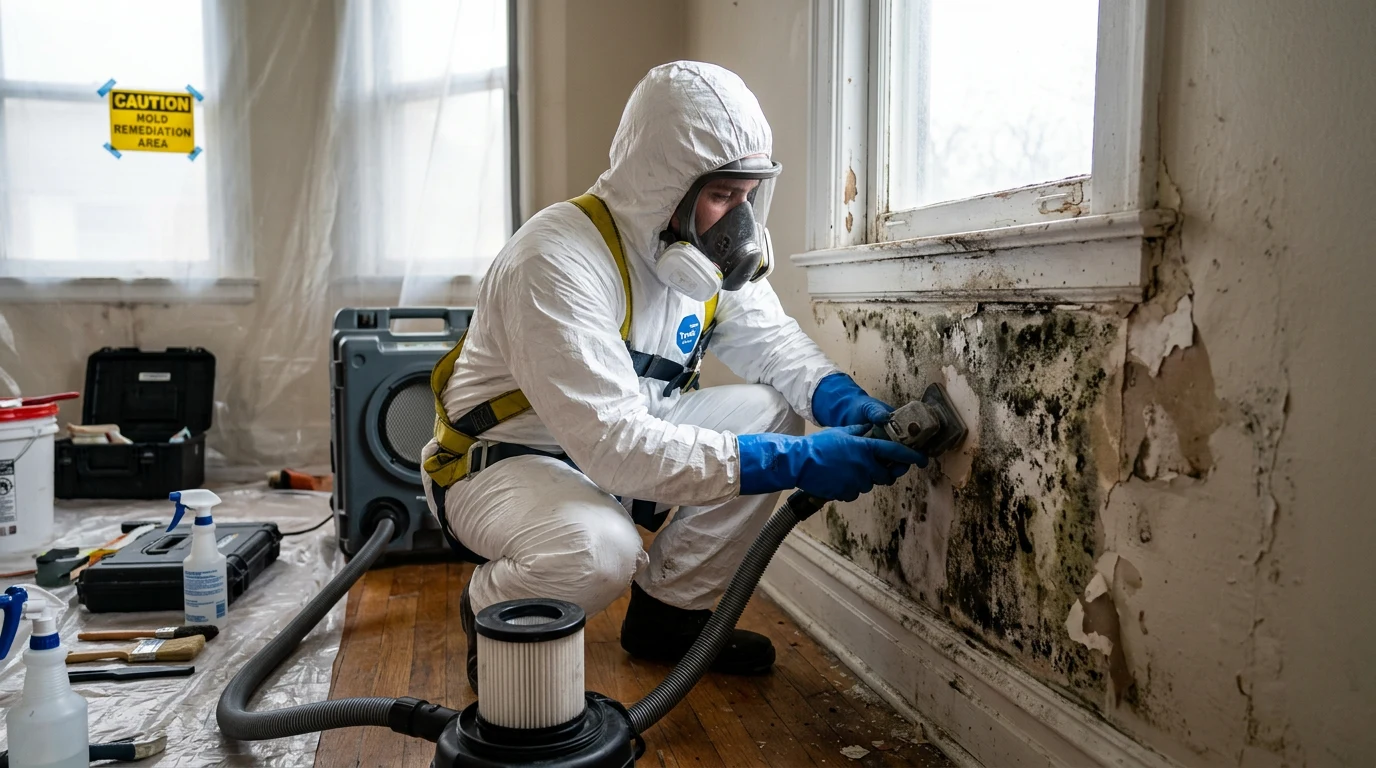
According to the EPA’s guidance on mold and moisture, the key to mold control is moisture control. When that moisture originates from building defects, the landlord bears responsibility.
What Landlords Must Do
- Fix water intrusion sources — leaking pipes, roof damage, foundation cracks, and failed window seals
- Maintain proper ventilation — working bathroom exhaust fans, kitchen vents, and HVAC systems
- Respond to mold complaints within a reasonable timeframe — typically 14 to 30 days depending on the state
- Hire qualified professionals for mold removal when growth exceeds 10 square feet
- Address the root cause, not just paint over visible mold
What Landlords Are NOT Responsible For
If mold results from tenant behavior — leaving windows open during rain, never running the bathroom fan, or blocking vents with furniture — the landlord may not be obligated to pay for remediation. Courts generally look at whether the mold source was a building defect or tenant negligence.
State-by-State Mold Laws: What You Need to Know
Mold regulations vary significantly by state. As of 2026, here is how the legal landscape breaks down:
- States with explicit mold disclosure laws: California, Indiana, Maryland, New Jersey, Texas, and Virginia require landlords to disclose known mold problems before or during tenancy
- States with mold-specific remediation standards: California, New York, and Texas have established guidelines for how mold must be addressed in rental properties
- All other states: Rely on the implied warranty of habitability and local building codes to hold landlords accountable
Even in states without specific mold laws, you still have rights. The habitability standard covers conditions that affect health and safety, and mold contamination qualifies.
How to Document Apartment Mold (Critical Step)
Documentation is the single most important thing you can do when dealing with apartment mold. If your case ever goes to court, a housing authority, or even a rent withholding hearing, you need evidence. Start documenting the moment you notice mold.
Photo and Video Evidence
- Take timestamped photos of all visible mold growth — your phone camera automatically timestamps images
- Include a ruler or coin for scale in at least one photo
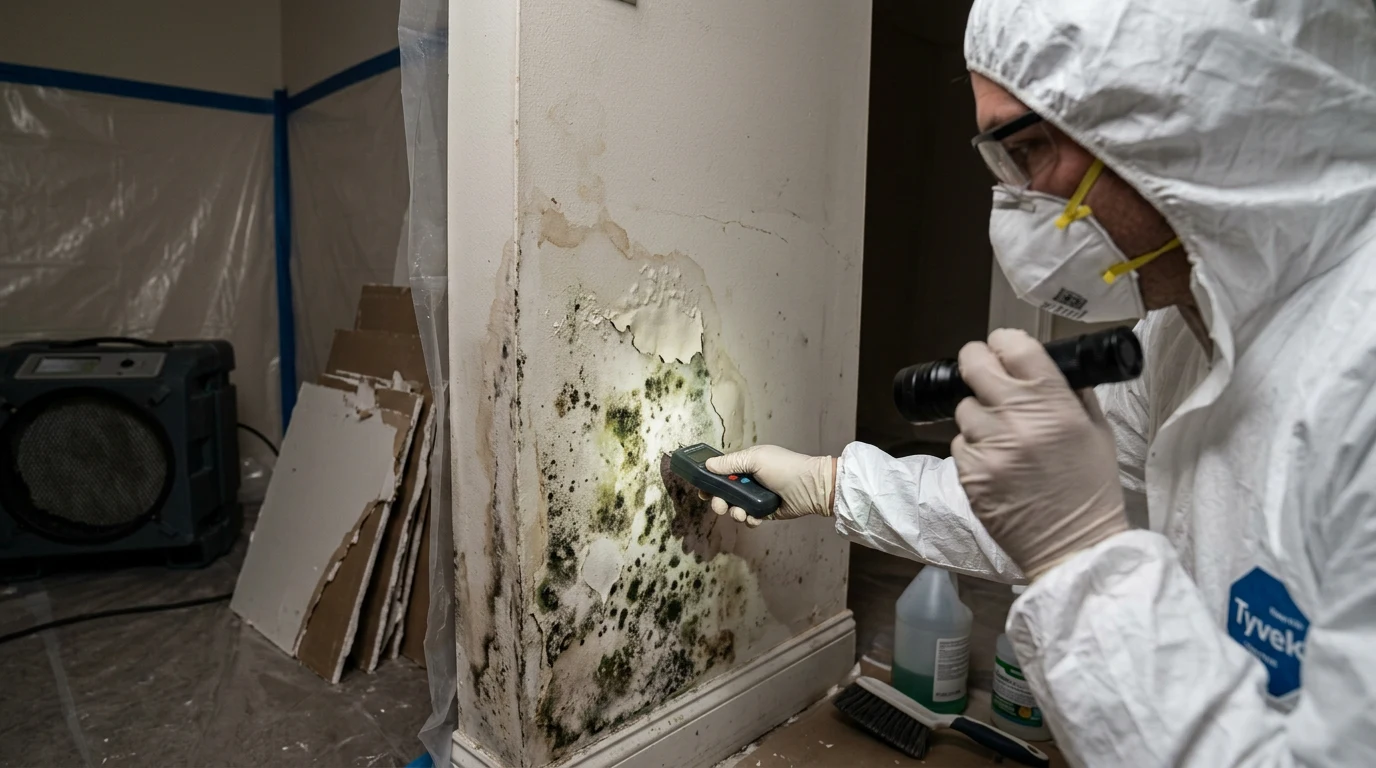
- Photograph the surrounding area to show water damage, peeling paint, or staining
- Record a walkthrough video showing the location within the apartment
- Take new photos every 3 to 7 days to document growth progression
Written Communication Trail
Always communicate with your landlord in writing. Even if you call first, follow up with an email or letter that says “Per our conversation on [date], I am writing to confirm…” This creates a paper trail that proves:
- When you first reported the problem
- How your landlord responded (or failed to respond)
- The timeline of events
Send your first written notice via certified mail with return receipt in addition to email. The certified mail receipt is admissible evidence that your landlord received the complaint.
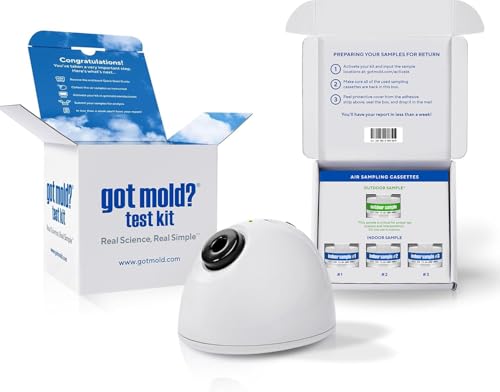
Professional Mold Testing
Consider getting a professional mold test if your landlord disputes the severity. Independent testing costs $300 to $600 but provides laboratory-verified evidence of mold species and spore counts. This documentation can be decisive in legal proceedings.
Step-by-Step: What to Do When You Find Mold
Step 1: Notify Your Landlord in Writing
Send a written notice describing the mold location, approximate size, and any associated water damage. Reference your lease and state habitability requirements. Request a response within 7 to 14 days. Keep a copy of everything you send.
Step 2: Allow Reasonable Time for Response
Most states consider 14 to 30 days a reasonable response window for non-emergency maintenance. If the mold covers a large area (over 10 square feet), causes respiratory symptoms, or involves black mold, argue for a shorter timeline by citing health concerns.
Step 3: Send a Second Notice
If your landlord does not respond or take action within the initial timeframe, send a second notice. This time, explicitly state that you intend to contact the local health department and explore legal remedies if the issue is not addressed within 7 additional days.
Step 4: Contact Your Local Health Department
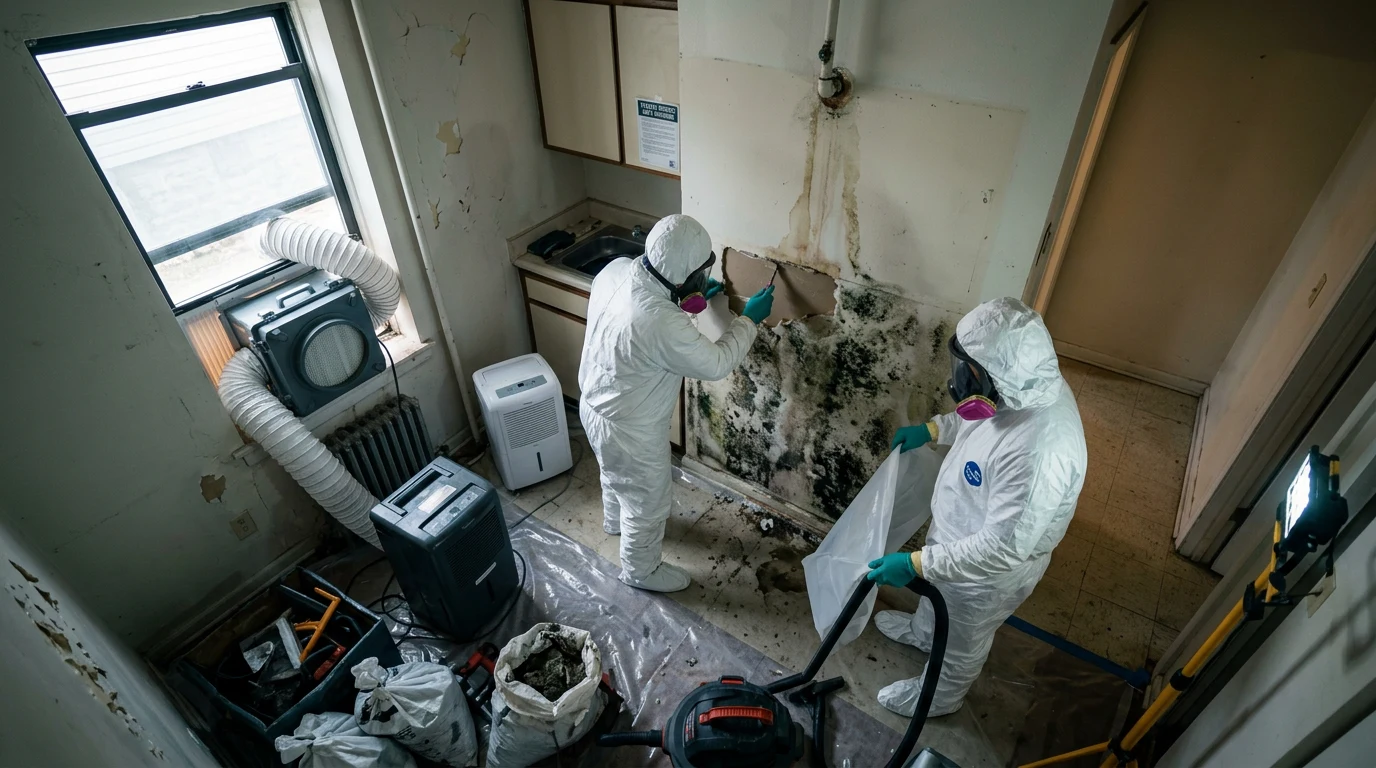
File a complaint with your city or county health department. Most jurisdictions have a housing inspection division that will send an inspector to document the mold and issue a violation notice to the landlord. Health department violations carry legal weight and often motivate landlords to act quickly.
Step 5: Contact a Local Building Inspector
In addition to the health department, your local building code enforcement office can inspect for the structural defects causing mold — failed plumbing, inadequate ventilation, or roof leaks that violate building codes.
Rent Withholding and Repair-and-Deduct Options
When landlords refuse to act, tenants in many states have two powerful remedies:
Rent Withholding
Approximately 30 states allow tenants to withhold rent when a landlord fails to maintain habitable conditions. The rules vary, but generally you must:
- Have notified the landlord in writing
- Allowed a reasonable time for repairs (typically 14 to 30 days)
- Place withheld rent in an escrow account (required in many states)
- The condition must be serious enough to affect habitability
Warning: Never withhold rent without checking your specific state’s requirements. In some states, improper rent withholding can lead to eviction proceedings even if the mold complaint is valid.
Repair and Deduct
Some states allow tenants to hire a contractor, fix the problem, and deduct the cost from rent. Limits typically range from one month’s rent to $500, depending on the state. You must follow the proper notice procedure before using this remedy.
When to Involve a Lawyer
Consider legal representation if:
- Mold has caused documented health problems (medical records linking symptoms to mold exposure)
- The landlord has been notified multiple times and refuses to act
- You face retaliation — such as an eviction notice filed after your mold complaint
- Mold damage has destroyed personal property worth more than $1,000
- The landlord attempts to blame you for mold caused by building defects
Many tenant rights attorneys offer free consultations. Legal aid organizations in your county may provide free representation if you meet income guidelines.
Protecting Your Health While Waiting for Repairs
While your landlord arranges remediation, take steps to reduce your exposure:
- Run an air purifier with a HEPA filter in affected rooms to capture airborne spores
- Keep the area well ventilated — open windows when outdoor humidity is below 50%
- Do not attempt to remove large mold areas yourself — disturbing mold over 10 square feet can release dangerous spore concentrations
- Keep doors to affected rooms closed to limit spore migration
- See a doctor if you experience persistent coughing, wheezing, or sinus congestion
Can You Break Your Lease Because of Mold?
In most states, you can terminate your lease early if the landlord fails to address a habitability issue after proper notice. This is called constructive eviction — the conditions have become so unlivable that you are effectively forced to leave.
To protect yourself legally when breaking a lease due to mold:
- Document every communication with your landlord
- Get a professional mold inspection report
- Have a doctor document any health symptoms
- Send a final written notice stating your intent to vacate due to uninhabitable conditions
- Keep copies of all documents for at least 3 years
Frequently Asked Questions
How long does a landlord have to fix a mold problem?
Most states consider 14 to 30 days a reasonable timeframe for non-emergency repairs. If the mold poses an immediate health risk (large areas, black mold, or occupants with respiratory conditions), some jurisdictions allow tenants to demand action within 48 to 72 hours.
Can my landlord evict me for reporting mold?
No. Retaliatory eviction is illegal in most states. If your landlord files for eviction within 30 to 90 days of a mold complaint, many courts presume the eviction is retaliatory and will dismiss it. Document the timeline carefully.
Is my landlord required to pay for mold testing?
Not in most states. However, if you pay for professional testing and the results confirm a mold problem caused by building defects, you may be able to recover the cost through legal action or deduct it from rent in repair-and-deduct states.
What if my lease says the landlord is not responsible for mold?
Lease clauses that waive habitability requirements are generally unenforceable. A landlord cannot contract away the obligation to provide safe living conditions. Courts routinely void these provisions.
Should I clean apartment mold myself or wait for the landlord?
For small areas under 10 square feet, you can clean surface mold with vinegar or appropriate cleaning agents. For larger areas, wait for professional remediation. Cleaning large mold areas improperly can worsen the problem and may weaken your legal case by destroying evidence.
What are my tenant rights if I find mold in my apartment?
Tenants generally have a right to a habitable living space, which includes an environment free from significant health hazards like mold. Your specific rights often depend on local and state landlord-tenant laws, which may require landlords to address mold issues once notified.
What steps should I take immediately after discovering mold in my apartment?
First, document the mold extensively with photos and videos, noting its location and extent. Then, notify your landlord in writing immediately, describing the issue and requesting prompt remediation.
Can I withhold rent if my landlord doesn’t address the mold problem?
Withholding rent is a complex legal issue and can lead to eviction if not done correctly according to specific state laws. In many jurisdictions, you must follow a strict legal process, such as providing written notice and allowing a reasonable time for repairs, before considering rent withholding or repair-and-deduct options.
What if my landlord denies the mold problem or refuses to remediate it?
If your landlord is unresponsive or denies the issue, you should consult with a tenant rights attorney or local housing authority. They can advise you on legal next steps, such as sending a formal demand letter or pursuing legal action to compel remediation.

Am I responsible for paying for mold remediation in my apartment?
Generally, landlords are responsible for maintaining a habitable property, which includes addressing mold caused by structural issues or neglected maintenance. However, if the mold resulted from your negligence, such as not reporting a leak or improper ventilation, you might be held responsible.
What are the potential health risks of living in an apartment with mold?
Exposure to mold can cause a range of health issues, including allergic reactions like sneezing, runny nose, red eyes, and skin rash. For individuals with asthma or compromised immune systems, mold exposure can trigger more severe respiratory problems and infections.
These statements have not been evaluated by the Food and Drug Administration. This information is not intended to diagnose, treat, cure, or prevent any disease. Content is for informational purposes only and is not medical advice; consult a qualified healthcare provider before starting any supplement. As an Amazon Associate we earn from qualifying purchases.