If you’re dealing with mold in your Raleigh, NC home, understanding the costs involved is the first step toward getting it resolved. Raleigh, NC has a moderate-high mold risk rating due to its humid subtropical climate, 67% average humidity, and 46.0 inches of annual rainfall. This guide breaks down exactly what mold removal costs in Raleigh, what factors affect pricing, and whether you should DIY or hire a professional.
Our reviews are based on aggregated verified buyer feedback, manufacturer specifications, ingredient analysis, and published expert opinion. Products are not independently purchased or tested by our team. We may earn a commission if you purchase through our links, at no extra cost to you. How We Review
Raleigh at a Glance: Mold Risk Profile
| Factor | Detail |
|---|---|
| Population | 467,665 (metro: 1,462,016) |
| Average Home Price | $400,000 |
| Climate Zone | Humid subtropical |
| Average Humidity | 67% |
| Annual Rainfall | 46.0 inches |
| Mold Risk Rating | Moderate-High |
| Common Housing Types | New construction prevalent, many with crawl spaces, mix of brick and vinyl siding |
Average Mold Removal Costs in Raleigh
| Service | Cost Range |
|---|---|
| Mold Inspection | $275 – $500 |
| Small Area Remediation (under 10 sq ft) | $500 – $1,500 |
| Standard Remediation | $1,400 – $4,200 |
| Whole-House Remediation | $5,000 – $15,000+ |
| Post-Remediation Air Testing | $200 – $400 |
Why Mold Is a Concern in Raleigh
Humid summers, rapid growth means some construction quality issues, red clay soil, many vented crawl spaces, hurricane remnants bring heavy rain
Local insight: The Raleigh-Durham area (Research Triangle) has grown by over 25% in the past decade, making it one of America’s fastest-growing metros. Rapid construction has led to some building envelope quality concerns.
Raleigh Housing and Mold: What to Know
In Raleigh new construction (built after 2010), check the intersection where the garage meets the main house. This is a common failure point for air sealing, allowing humid air into wall cavities.
Factors That Affect Mold Removal Cost in Raleigh
- Size of affected area: Small bathroom mold vs. entire basement requires different approaches and costs
- Type of mold: Common mold is straightforward; suspected toxic mold (Stachybotrys) requires additional testing and containment
- Location: Accessible areas cost less than mold in crawl spaces, attics, or inside walls
- Cause of moisture: Fixing the underlying moisture issue (plumbing leak, drainage, humidity) adds to total cost
- Materials affected: Drywall replacement costs more than surface cleaning of tile or concrete
- Licensing requirements: North Carolina has no specific mold statute. N.C.G.S. § 42-42 covers habitability. NC requires mold disclosure in real estate transactions.
DIY vs. Professional Mold Removal in Raleigh
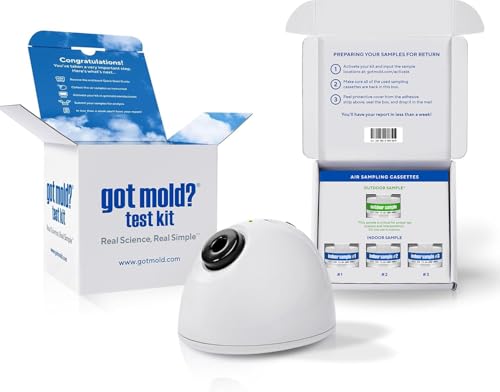
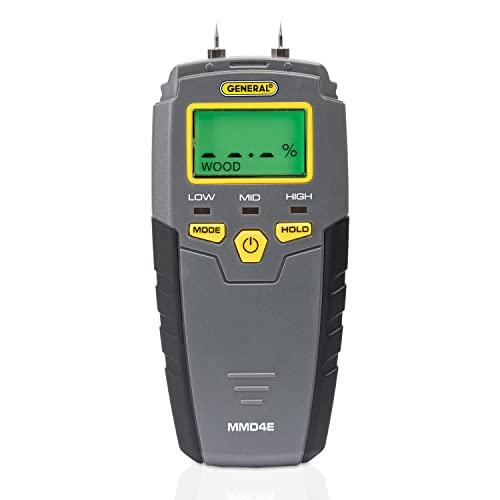
For small mold areas (under 10 square feet), DIY removal can save you $1,000-$3,000. You’ll need a N95 respirator, mold remover spray, and a moisture meter to verify the area is dry after treatment. For a basic DIY assessment, start with a home mold test kit.
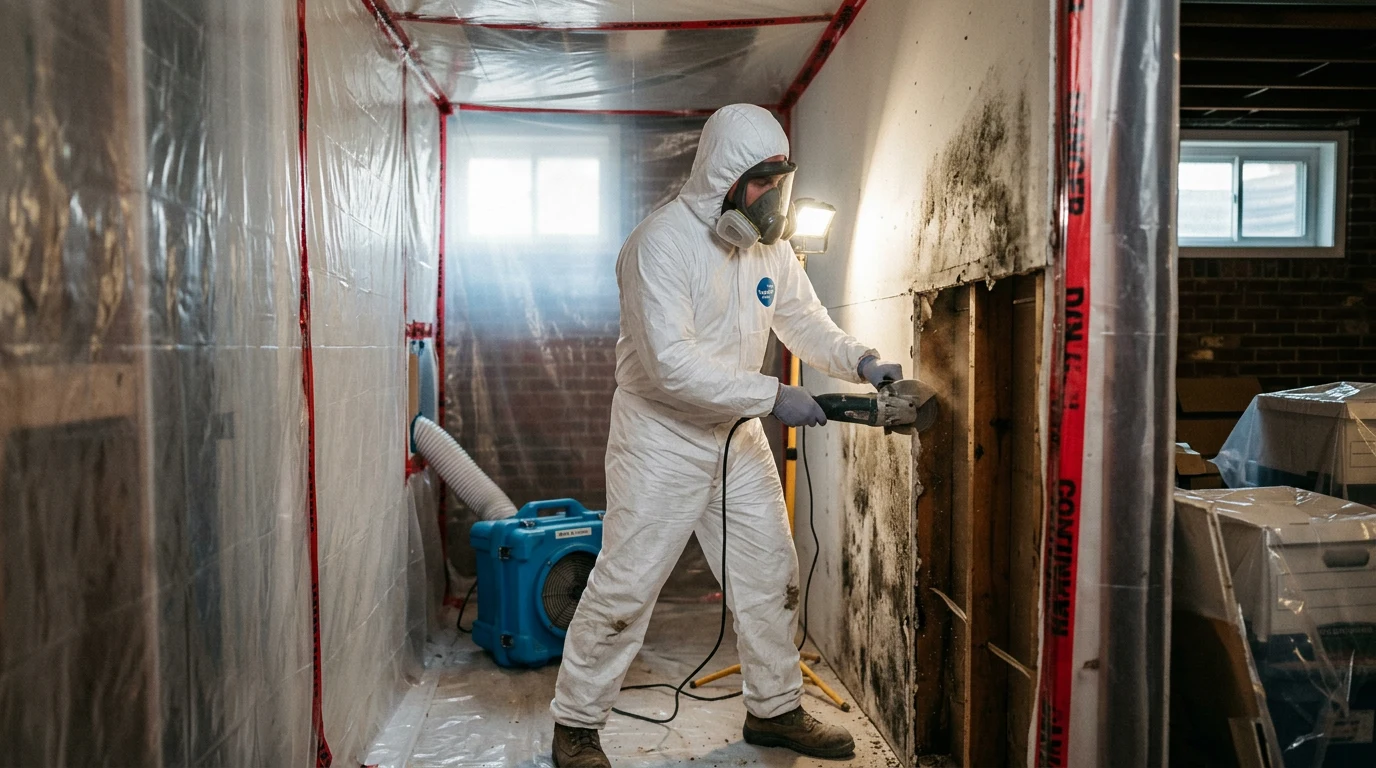
Hire a professional in Raleigh when the affected area is larger than 10 square feet, mold is in your HVAC system, you suspect mold behind walls, or anyone in the household has respiratory health issues. Use our complete DIY mold removal guide for small projects and our guide on when to test for mold to determine if you need professional help.
How to Find a Reputable Mold Remediation Company in Raleigh
- Verify licensing and insurance (check NC requirements)
- Get at least 3 written estimates
- Ask for references from recent Raleigh-area jobs
- Ensure they follow IICRC S520 mold remediation standards
- Use a different company for testing and remediation (avoids conflict of interest)
- Get a written scope of work before any work begins
Common Mold Questions in Raleigh
Mold Removal Cost Breakdown by Room
Mold remediation costs in Raleigh vary significantly based on the affected room due to access challenges, typical moisture sources, and materials involved. Understanding room-specific costs helps homeowners budget appropriately and prioritize remediation efforts.

| Room/Area | Typical Cost Range | Common Factors |
|---|---|---|
| Bathroom | $500 – $2,000 | Tile work, ventilation issues, plumbing leaks |
| Kitchen | $800 – $3,000 | Appliance leaks, cabinet replacement, countertops |
| Basement | $1,200 – $4,500 | Foundation moisture, limited access, concrete work |
| Crawl Space | $1,500 – $6,000 | Difficult access, structural elements, encapsulation |
| Attic | $1,000 – $3,500 | Roof leaks, insulation replacement, ventilation |
| Whole House | $5,000 – $15,000+ | HVAC system, multiple rooms, extensive containment |
Bathroom mold removal in Raleigh typically runs $500-$2,000, making it one of the most affordable rooms to remediate. The lower cost reflects easy access and straightforward containment, though tile and grout replacement can increase expenses. Kitchen remediation costs more at $800-$3,000 due to potential cabinet and appliance involvement.
Crawl space mold represents the highest per-square-foot cost in Raleigh due to access difficulties and the prevalence of vented crawl spaces in local construction. Many Raleigh homes require crawl space encapsulation as part of remediation, adding $3,000-$8,000 to the total project cost. Professional mold testing is especially important in crawl spaces where visual inspection is limited.
How Raleigh’s Climate Affects Mold Growth and Costs
Raleigh’s humid subtropical climate creates ideal conditions for mold growth, directly impacting both the frequency and cost of remediation projects. The city’s 67% average humidity consistently exceeds the 60% threshold where mold growth accelerates, while 46.0 inches of annual rainfall provides abundant moisture sources.
Summer humidity levels in Raleigh regularly reach 75-85%, forcing HVAC systems to work overtime and creating condensation issues in poorly insulated spaces. This elevated humidity extends remediation timelines as contractors must achieve lower moisture levels before reconstruction can begin. Extended drying periods can add 2-3 days to a typical project, increasing labor costs by $500-$1,500.
The area’s red clay soil compounds moisture problems by directing water toward foundations during Raleigh’s frequent thunderstorms and occasional tropical weather systems. Hurricane remnants bring intense rainfall that can overwhelm drainage systems, leading to basement and crawl space flooding. These weather events often trigger multiple simultaneous remediation projects, driving up demand and costs during peak seasons.
Climate-related factors increase Raleigh mold removal costs through extended containment periods, additional dehumidification requirements, and the need for more robust moisture control systems. A standard HEPA air purifier becomes essential during remediation to manage airborne spores in the humid environment, adding $200-$400 to project costs.
Seasonal Considerations for Mold Removal in Raleigh
Mold problems in Raleigh peak during the humid summer months from June through September when relative humidity consistently exceeds 70%. This period coincides with maximum HVAC usage, creating condensation problems in ductwork and around air handling units. Summer also brings afternoon thunderstorms that can reveal existing water intrusion issues.
The ideal time to schedule mold remediation in Raleigh is during fall and early spring when humidity levels drop to 55-65% and rainfall decreases. October through April offers optimal conditions for thorough drying and reconstruction work. Contractors report 20-30% faster project completion during these months due to favorable environmental conditions.
Pricing follows seasonal demand patterns, with summer months commanding premium rates due to emergency calls and urgent remediation needs. Winter scheduling can save homeowners 10-15% on labor costs, though material prices remain consistent year-round. Hurricane season (June-November) can disrupt scheduling and increase emergency service rates by 25-50% during active weather events.
Homeowners should consider preventive mold testing during late winter to identify potential problems before the humid season begins. Early detection allows for remediation during optimal weather conditions and standard pricing periods.
What to Expect During Professional Mold Remediation
Professional mold remediation in Raleigh follows established protocols designed to safely remove contamination while preventing spread to unaffected areas. The process begins with a thorough assessment including moisture mapping and containment planning, followed by systematic removal and reconstruction phases.
Initial containment setup takes 4-6 hours and involves sealing affected areas with plastic sheeting and establishing negative air pressure using specialized fans. Technicians create decontamination chambers and don protective equipment before entering contaminated zones. This phase is critical in Raleigh’s humid climate where airborne spores can quickly establish new colonies.
The removal phase varies from 1-5 days depending on the project scope, with contaminated materials bagged and removed following EPA guidelines available at EPA Mold Cleanup Guide. HEPA filtration systems run continuously during this phase to capture airborne particles. In Raleigh’s climate, additional drying time is often required before reconstruction can begin.
Post-remediation verification includes visual inspection and air quality testing to confirm successful treatment. Final clearance testing costs $200-$400 but provides essential documentation for insurance claims and peace of mind. The entire process typically spans 3-7 days for standard residential projects, with larger jobs requiring 1-2 weeks depending on scope and weather conditions.
Insurance Coverage for Mold Removal in NC
North Carolina homeowner’s insurance policies vary widely in mold coverage, with most standard policies providing limited protection for mold damage resulting from covered perils such as burst pipes or appliance malfunctions. However, mold growth from maintenance neglect, flooding, or humidity issues typically falls outside standard coverage parameters.

Most NC insurers cap mold remediation coverage at $10,000-$25,000 per occurrence, which may not cover extensive whole-house remediation projects. Policyholders should review their specific coverage limits and consider additional mold riders if living in high-risk areas like Raleigh. Some insurers exclude mold coverage entirely, making careful policy review essential.
Filing successful mold claims requires prompt notification within 48-72 hours of discovery, detailed documentation including photos and professional assessments, and clear evidence linking the mold growth to a covered event. Insurance adjusters often require third-party mold testing to establish the extent and cause of contamination before approving remediation coverage.
North Carolina’s disclosure requirements mean that unresolved mold issues can impact property values and future insurability. Homeowners should maintain detailed records of all moisture incidents and remediation work to support future claims and protect property investments in Raleigh’s competitive real estate market.
Frequently Asked Questions
How much does mold removal cost in Raleigh?
The average mold remediation cost in Raleigh, NC ranges from $1,400 – $4,200 depending on the size of the affected area, type of mold, and accessibility. Small bathroom mold removal may cost $500-$1,000, while whole-house remediation can exceed $10,000.
How much does a mold inspection cost in Raleigh?
A professional mold inspection in Raleigh, NC typically costs $275 – $500. This usually includes a visual assessment, moisture readings, and may include air or surface sampling.
Does homeowner’s insurance cover mold removal in NC?
Most homeowner’s insurance policies in NC cover mold damage if it results from a covered peril (like a burst pipe). Mold from maintenance neglect, flooding, or humidity is typically not covered. Check your specific policy.
Can I remove mold myself in Raleigh?
For small areas (under 10 square feet), DIY removal is feasible with proper PPE. For larger areas or if you have health concerns, hire a professional mold remediation company in Raleigh, NC. NC may require licensed professionals for certain projects.

Is mold common in Raleigh new construction?
Yes, mold issues can occur in Raleigh new construction due to the area’s rapid growth and occasional construction quality concerns. Common problem areas include garage-to-house connections and poorly sealed building envelopes. The humid subtropical climate makes proper moisture control essential even in newer homes.
How does North Carolina require mold disclosure?
North Carolina requires sellers to disclose known mold conditions during real estate transactions. While the state has no specific mold statute, disclosure falls under general habitability requirements in N.C.G.S. § 42-42. Sellers must reveal any known mold issues that could affect property value or habitability.
What humidity level should I maintain in Raleigh?
Indoor humidity in Raleigh homes should be maintained between 30-50% to prevent mold growth. This is challenging during summer months when outdoor humidity averages 67%. Use dehumidifiers and ensure proper HVAC operation to control moisture levels, especially in basements and crawl spaces.
How long does mold remediation take in Raleigh?
Mold remediation in Raleigh typically takes 3-7 days for standard residential projects. Raleigh’s humid climate may extend drying times, potentially adding 1-2 days to the timeline. Large-scale projects or whole-house remediation can take 1-2 weeks depending on the scope and weather conditions.
What should I do immediately after finding mold in my Raleigh home?
Stop using the affected area immediately and avoid disturbing visible mold. Document the area with photos for insurance purposes and contact a professional for assessment. Use a home mold test to identify the mold type while arranging professional evaluation. Address any obvious moisture sources like leaks.
Are there licensed mold remediation companies required in NC?
North Carolina does not require specific mold remediation licensing, but contractors should carry proper insurance and follow industry standards like IICRC S520. Many reputable Raleigh companies voluntarily obtain certifications to demonstrate expertise. Always verify insurance and get written estimates from multiple contractors before proceeding.
Related Guides
- DIY Mold Removal Guide
- Complete Mold Testing Guide
- Mold Exposure Health Risks
- How to Prevent Mold After Water Damage
These statements have not been evaluated by the Food and Drug Administration. This information is not intended to diagnose, treat, cure, or prevent any disease. Content is for informational purposes only and is not medical advice; consult a qualified healthcare provider before starting any supplement. As an Amazon Associate we earn from qualifying purchases.