If you’re dealing with mold in your Phoenix, AZ home, understanding the costs involved is the first step toward getting it resolved. Phoenix, AZ has a low mold risk rating due to its hot desert climate, 31% average humidity, and 8.0 inches of annual rainfall. This guide breaks down exactly what mold removal costs in Phoenix, what factors affect pricing, and whether you should DIY or hire a professional.
Our reviews are based on aggregated verified buyer feedback, manufacturer specifications, ingredient analysis, and published expert opinion. Products are not independently purchased or tested by our team. We may earn a commission if you purchase through our links, at no extra cost to you. How We Review
Phoenix at a Glance: Mold Risk Profile
| Factor | Detail |
|---|---|
| Population | 1,608,139 (metro: 4,845,832) |
| Average Home Price | $420,000 |
| Climate Zone | Hot desert |
| Average Humidity | 31% |
| Annual Rainfall | 8.0 inches |
| Mold Risk Rating | Low |
| Common Housing Types | Stucco/block construction, slab foundations, many newer communities |
Average Mold Removal Costs in Phoenix
| Service | Cost Range |
|---|---|
| Mold Inspection | $200 – $450 |
| Small Area Remediation (under 10 sq ft) | $500 – $1,500 |
| Standard Remediation | $1,000 – $3,000 |
| Whole-House Remediation | $5,000 – $15,000+ |
| Post-Remediation Air Testing | $200 – $400 |
Why Mold Is a Concern in Phoenix
Desert climate is naturally inhospitable to mold, but AC condensation issues, monsoon season flooding (July-September), poorly sealed stucco, and evaporative cooler moisture can create localized problems
Local insight: Phoenix averages only 36 rainy days per year, but the July-September monsoon season can dump several inches in hours, causing flash flooding that catches homeowners off guard.
Phoenix Housing and Mold: What to Know
Phoenix monsoon season (July-September) can cause sudden flooding. Ensure your AC condensate drain line is clear (clogged lines are the #1 cause of indoor moisture in Phoenix homes) and check stucco for cracks after monsoons.
Factors That Affect Mold Removal Cost in Phoenix
- Size of affected area: Small bathroom mold vs. entire basement requires different approaches and costs
- Type of mold: Common mold is straightforward; suspected toxic mold (Stachybotrys) requires additional testing and containment
- Location: Accessible areas cost less than mold in crawl spaces, attics, or inside walls
- Cause of moisture: Fixing the underlying moisture issue (plumbing leak, drainage, humidity) adds to total cost
- Materials affected: Drywall replacement costs more than surface cleaning of tile or concrete
- Licensing requirements: Arizona has no specific mold statute. Arizona Residential Landlord and Tenant Act (A.R.S. § 33-1324) requires habitable conditions. Maricopa County has additional housing regulations.
DIY vs. Professional Mold Removal in Phoenix
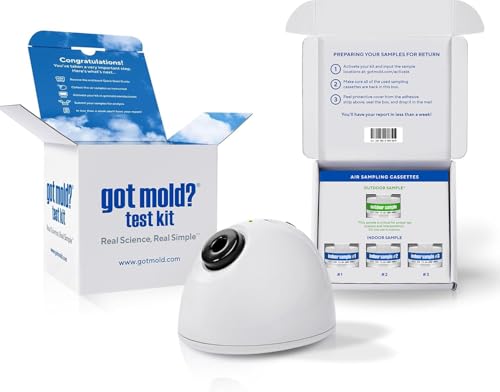
For small mold areas (under 10 square feet), DIY removal can save you $1,000-$3,000. You’ll need a N95 respirator, mold remover spray, and a moisture meter to verify the area is dry after treatment. For a basic DIY assessment, start with a home mold test kit.
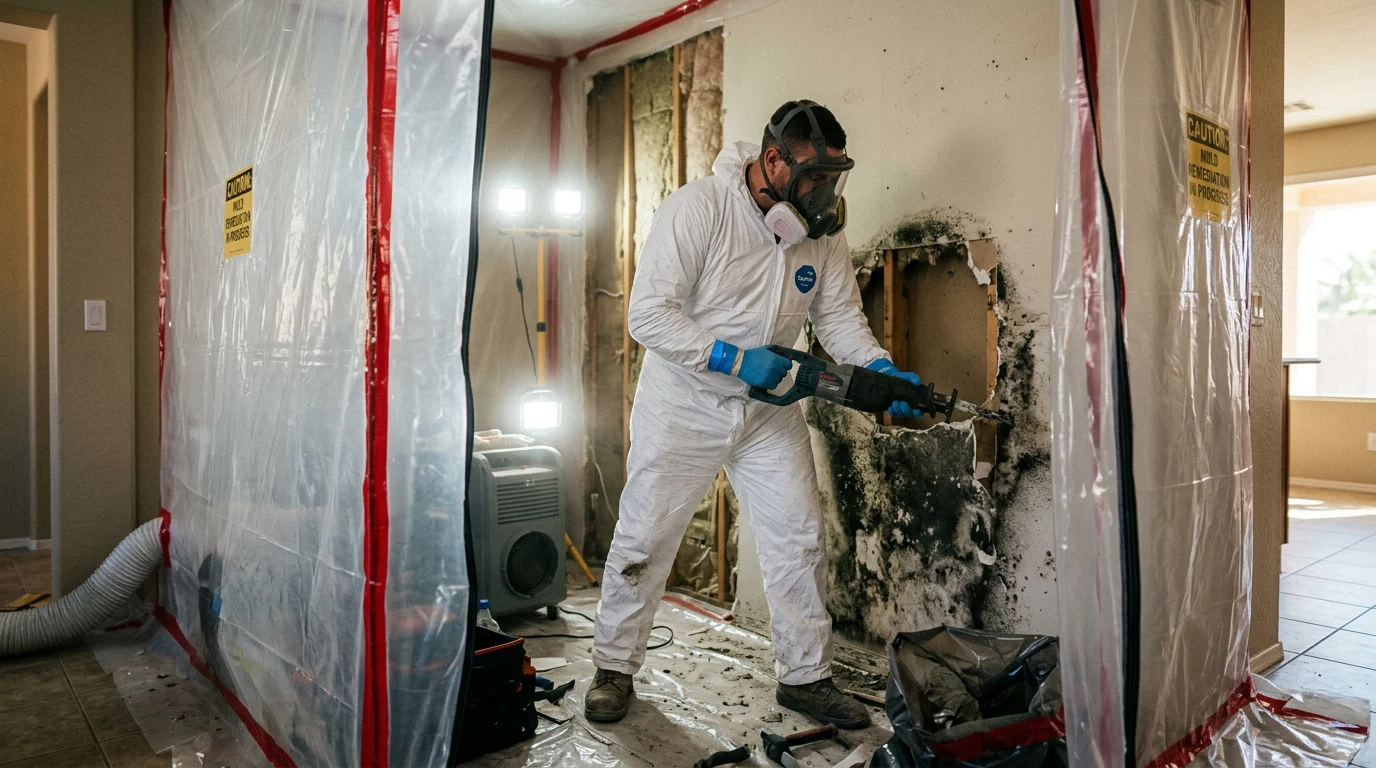
Hire a professional in Phoenix when the affected area is larger than 10 square feet, mold is in your HVAC system, you suspect mold behind walls, or anyone in the household has respiratory health issues. Use our complete DIY mold removal guide for small projects and our guide on when to test for mold to determine if you need professional help.
How to Find a Reputable Mold Remediation Company in Phoenix
- Verify licensing and insurance (check AZ requirements)
- Get at least 3 written estimates
- Ask for references from recent Phoenix-area jobs
- Ensure they follow IICRC S520 mold remediation standards
- Use a different company for testing and remediation (avoids conflict of interest)
- Get a written scope of work before any work begins
Mold Removal Cost Breakdown by Room
Phoenix homeowners often find mold in specific areas where moisture accumulates despite the arid climate. Understanding room-specific costs helps budget for remediation projects. AC condensation issues and occasional monsoon flooding make certain areas more vulnerable to mold growth than others.
| Room/Area | Typical Cost Range | Common Issues |
|---|---|---|
| Bathroom | $500 – $1,800 | Shower tiles, poor ventilation, plumbing leaks |
| Kitchen | $800 – $2,200 | Under-sink leaks, dishwasher issues, poor ventilation |
| Basement/Crawl Space | $1,200 – $4,000 | Foundation moisture, flooding, poor drainage |
| Attic | $1,000 – $3,500 | Roof leaks, AC duct condensation, poor insulation |
| Bedroom/Living Room | $600 – $2,000 | Window leaks, AC condensation, carpet moisture |
| Whole House | $5,000 – $20,000+ | Extensive water damage, HVAC contamination |
In Phoenix’s stucco and block construction homes, bathroom mold typically costs less to remediate than in other climates because surfaces like tile and concrete are easier to clean than porous materials. However, crawl space mold remediation can be more expensive due to access difficulties and the need to address underlying moisture issues from monsoon flooding or irrigation system problems.
Kitchen mold removal costs in Phoenix often include addressing AC condensate drain line issues, which are the leading cause of indoor moisture problems in desert homes. Before beginning any remediation project, use a mold test kit to identify the extent of contamination and determine if professional help is needed.

How Phoenix’s Climate Affects Mold Growth and Costs
Phoenix’s hot desert climate creates unique conditions that both prevent and enable mold growth. With an average humidity of just 31% and only 8.0 inches of annual rainfall, the natural environment is hostile to mold development. However, this same arid climate leads to specific moisture sources that can create localized mold problems with distinct cost implications.
The low humidity means that when moisture problems do occur, they often concentrate in specific areas rather than spreading throughout the home. This localization can reduce overall remediation costs compared to humid climates where mold spreads more readily. Phoenix’s 36 annual rainy days are heavily concentrated during monsoon season (July-September), creating predictable periods of higher mold risk.
Air conditioning systems work overtime in Phoenix’s extreme heat, creating condensation issues that don’t exist in milder climates. Clogged condensate drain lines are the primary cause of indoor moisture, often creating hidden mold problems behind walls or in utility areas. These AC-related mold issues typically cost $800-$2,500 to remediate, including drain line repairs and affected drywall replacement.
The desert climate also means that remediation work can proceed year-round without weather delays, potentially reducing labor costs. However, the extreme summer heat (often exceeding 110°F) can increase labor costs during peak season as workers require more frequent breaks and specialized safety equipment. Many Phoenix homeowners schedule remediation during cooler months (October-April) to minimize these heat-related cost increases.
Seasonal Considerations for Mold Removal in Phoenix
Phoenix’s distinct seasonal patterns significantly impact both mold occurrence and remediation scheduling. Monsoon season (July-September) represents the highest risk period, when sudden downpours can dump several inches of rain in hours, causing flash flooding that infiltrates homes through cracks in stucco walls or overwhelmed drainage systems.
The ideal time for mold remediation in Phoenix is during the cooler months from October through April. During this period, temperatures are more comfortable for workers, reducing labor costs and allowing for better ventilation during the drying process. Many remediation companies offer slightly lower rates during these months due to reduced demand and more favorable working conditions.
Summer months (May-September) present challenges for remediation work. Extreme heat makes protective equipment more difficult to wear, potentially increasing labor costs by 10-20%. However, the low humidity during these months means affected materials dry more quickly, which can reduce overall project timelines. Homeowners should expect premium pricing for emergency remediation during peak summer months.
Post-monsoon inspections in September and October are crucial for Phoenix homeowners. This is when most new mold problems are discovered, creating higher demand for remediation services. Scheduling remediation immediately after monsoon season, before the holiday season begins, often provides the best balance of favorable weather conditions and reasonable pricing. Consider using an air quality monitor during monsoon season to detect moisture problems early.
What to Expect During Professional Mold Remediation
Professional mold remediation in Phoenix follows established protocols designed to safely remove contamination while preventing spread to unaffected areas. The process typically begins with a detailed inspection and assessment, which may include air sampling and moisture readings to determine the full extent of the problem.
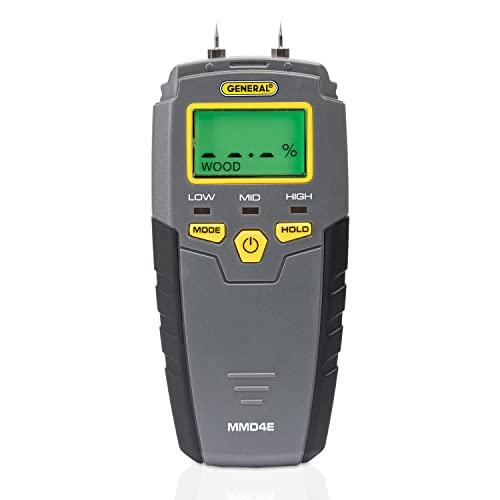
The first step involves containment, where plastic sheeting and negative air pressure systems isolate the affected area. In Phoenix homes with central air conditioning, special attention is paid to sealing HVAC systems to prevent spores from circulating throughout the house. This containment phase typically takes 2-4 hours depending on the area size.
Removal and cleaning follow EPA guidelines, with contaminated materials safely bagged and disposed of according to local regulations. Non-porous surfaces like the concrete and tile common in Phoenix homes can often be cleaned and saved, while porous materials like drywall typically require replacement. The cleaning process uses EPA-approved methods and may include HEPA vacuuming and antimicrobial treatments.
The final phase involves drying and restoration, which is often faster in Phoenix due to the arid climate. Professional-grade dehumidifiers and air movers ensure thorough moisture removal, followed by post-remediation air testing to verify successful cleanup. The entire process typically takes 3-5 days for standard residential projects, though extensive contamination may require 1-2 weeks. Homeowners should plan to stay elsewhere during active remediation, especially if the HVAC system is affected.
DIY vs Professional Mold Removal in Phoenix
Phoenix homeowners can safely handle small mold problems (under 10 square feet) themselves, potentially saving $1,000-$3,000 in professional fees. The dry climate works in favor of DIY efforts, as affected areas dry quickly once the moisture source is eliminated. Essential supplies include N95 respirators, disposable coveralls, and proper cleaning solutions designed for mold removal.
DIY projects work best for surface mold on non-porous materials like tile, glass, or concrete floors common in Phoenix construction. Start with a home mold test to identify the type and extent of contamination. Simple cleaning with detergent and water, followed by thorough drying, often resolves minor bathroom or kitchen mold issues.
Professional remediation becomes necessary for areas larger than 10 square feet, mold in HVAC systems, or contamination behind walls. Phoenix’s stucco construction can hide extensive mold growth, making professional assessment crucial. Additionally, if anyone in the household has respiratory issues or compromised immunity, professional remediation provides safer containment and removal processes.
Cost comparison shows DIY supplies typically run $100-$300 for small projects, while professional remediation for the same area costs $800-$1,500. However, inadequate DIY cleanup can lead to recurring problems, ultimately costing more than initial professional treatment. Consider professional help if the moisture source isn’t easily identifiable or if mold returns after DIY cleaning attempts. For comprehensive guidance, consult our DIY mold removal guide before starting any project.
Insurance Coverage for Mold Removal in AZ
Arizona homeowner’s insurance policies typically follow national standards for mold coverage, with most companies covering mold damage only when it results from a covered peril like a burst pipe or storm damage. However, mold from maintenance neglect, long-term leaks, or flooding is generally excluded from standard policies.
Many Arizona insurers offer optional mold coverage endorsements for an additional premium, typically ranging from $50-$200 annually. This coverage often includes limits of $10,000-$50,000 for mold remediation and may require professional assessment before cleanup begins. Given Phoenix’s average remediation costs of $1,000-$3,000, this additional coverage can provide valuable protection.

When filing a mold claim in Arizona, documentation is crucial. Take photos of the damage, keep records of the moisture source, and obtain professional assessments promptly. Insurance companies often require proof that the mold resulted from a sudden, accidental event rather than gradual deterioration or maintenance issues.
Phoenix homeowners should review their policies annually, especially regarding monsoon season damage. Some insurers exclude flood-related mold entirely, while others may cover it under specific circumstances. Given the increasing frequency of extreme weather events, consider flood insurance through NFIP, which may provide additional mold coverage for flood-related incidents. Always consult with your insurance agent about specific coverage details and consider keeping receipts for any mold prevention measures taken after water damage events.
Common Mold Questions in Phoenix
Can mold really grow in Phoenix?
Yes, despite Phoenix’s arid climate, mold can grow in areas with localized moisture problems. AC condensation, plumbing leaks, monsoon flooding, and evaporative cooler moisture create conditions where mold thrives, even in the desert.
Does monsoon season cause mold in Phoenix?
Monsoon season (July-September) is the highest risk period for mold in Phoenix. Flash flooding can infiltrate homes through cracks in stucco walls, overwhelmed drainage systems, and roof leaks, creating sudden moisture problems that lead to mold growth if not quickly addressed.
How does my AC affect mold risk in Phoenix?
Air conditioning systems are the #1 cause of indoor moisture problems in Phoenix homes. Clogged condensate drain lines can create standing water, while poorly maintained systems can harbor mold that spreads throughout the house. Regular AC maintenance significantly reduces mold risk.
Frequently Asked Questions
How much does mold removal cost in Phoenix?
The average mold remediation cost in Phoenix, AZ ranges from $1,000 – $3,000 depending on the size of the affected area, type of mold, and accessibility. Small bathroom mold removal may cost $500-$1,000, while whole-house remediation can exceed $10,000.
How much does a mold inspection cost in Phoenix?
A professional mold inspection in Phoenix, AZ typically costs $200 – $450. This usually includes a visual assessment, moisture readings, and may include air or surface sampling.
Does homeowner’s insurance cover mold removal in AZ?
Most homeowner’s insurance policies in AZ cover mold damage if it results from a covered peril (like a burst pipe). Mold from maintenance neglect, flooding, or humidity is typically not covered. Check your specific policy.
Can I remove mold myself in Phoenix?
For small areas (under 10 square feet), DIY removal is feasible with proper PPE. For larger areas or if you have health concerns, hire a professional mold remediation company in Phoenix, AZ. AZ may require licensed professionals for certain projects.

What causes mold in Phoenix homes despite the dry climate?
Common causes include clogged AC condensate drain lines, monsoon season flooding, plumbing leaks, poorly sealed stucco allowing water intrusion, and evaporative cooler moisture issues. These create localized humid conditions where mold can thrive despite the overall arid environment.
When should I test for mold in my Phoenix home?
Test for mold after monsoon season flooding, if you notice musty odors, see visible growth, or experience unexplained health symptoms. Also test before buying a home or after any water damage incidents. Use an air quality test for comprehensive assessment.
How long does mold remediation take in Phoenix?
Most residential mold remediation projects in Phoenix take 3-5 days. The dry climate helps speed drying times, but extensive contamination may require 1-2 weeks. Factors affecting timeline include area size, materials involved, and underlying moisture issues that need repair.
Are there licensed mold remediators required in Arizona?
Arizona has no specific mold licensing requirements, but remediation companies should be properly insured and follow IICRC S520 standards. Maricopa County has additional housing regulations that may apply. Always verify company credentials and get multiple quotes for comparison.
What should I do immediately after finding mold in my Phoenix home?
Stop using HVAC systems to prevent spore spread, identify and eliminate the moisture source, avoid disturbing the mold, and ventilate the area if possible. Document with photos for insurance purposes and contact a professional for areas larger than 10 square feet or if health concerns exist.
Can Phoenix’s hard water cause mold problems?
While hard water doesn’t directly cause mold, mineral buildup can clog pipes and create leaks that lead to moisture problems. Regular plumbing maintenance helps prevent these issues. Focus on keeping AC condensate drains clear and addressing any plumbing leaks promptly to prevent mold growth.
What factors influence the final mold remediation cost in Phoenix?
The final cost is primarily driven by the scope of the mold contamination, including the affected area’s size and the types of materials impacted, such as drywall or HVAC systems. Additionally, the accessibility of the mold, requiring demolition or specialized equipment, and the need for post-remediation testing or structural repairs can significantly increase the overall expense.
How long does a typical mold remediation process take in Phoenix?
The duration of mold remediation in Phoenix largely depends on the extent of the mold growth and the size of the affected area. Smaller, isolated mold issues might be resolved within 1-3 days, while extensive contamination involving multiple rooms or structural elements can take a week or more, not including potential drying or reconstruction time.
Related Guides
- DIY Mold Removal Guide
- Complete Mold Testing Guide
- Mold Exposure Health Risks
- How to Prevent Mold After Water Damage
These statements have not been evaluated by the Food and Drug Administration. This information is not intended to diagnose, treat, cure, or prevent any disease. Content is for informational purposes only and is not medical advice; consult a qualified healthcare provider before starting any supplement. As an Amazon Associate we earn from qualifying purchases.