If you’re dealing with mold in your Oklahoma City, OK home, understanding the costs involved is the first step toward getting it resolved. Oklahoma City, OK has a moderate mold risk rating due to its humid subtropical (semi-arid transition) climate, 62% average humidity, and 36.5 inches of annual rainfall. This guide breaks down exactly what mold removal costs in Oklahoma City, what factors affect pricing, and whether you should DIY or hire a professional.
Our reviews are based on aggregated verified buyer feedback, manufacturer specifications, ingredient analysis, and published expert opinion. Products are not independently purchased or tested by our team. We may earn a commission if you purchase through our links, at no extra cost to you. How We Review
Oklahoma City at a Glance: Mold Risk Profile
| Factor | Detail |
|---|---|
| Population | 681,054 (metro: 1,425,695) |
| Average Home Price | $215,000 |
| Climate Zone | Humid subtropical (semi-arid transition) |
| Average Humidity | 62% |
| Annual Rainfall | 36.5 inches |
| Mold Risk Rating | Moderate |
| Common Housing Types | Slab foundations, brick veneer, many newer subdivisions, pier-and-beam in older areas |
Average Mold Removal Costs in Oklahoma City
| Service | Cost Range |
|---|---|
| Mold Inspection | $200 – $450 |
| Small Area Remediation (under 10 sq ft) | $500 – $1,500 |
| Standard Remediation | $1,000 – $3,500 |
| Whole-House Remediation | $5,000 – $15,000+ |
| Post-Remediation Air Testing | $200 – $400 |
Why Mold Is a Concern in Oklahoma City
Spring severe weather brings heavy rains and flooding, tornado damage exposes buildings to moisture, expansive red clay soil, humidity spikes in summer
Local insight: Oklahoma City is in Tornado Alley, and even tornadoes that don’t directly hit your home can drive rain horizontally through gaps in siding, windows, and roof vents at 60+ mph.
Oklahoma City Housing and Mold: What to Know
After severe Oklahoma storms, check your attic for wind-driven rain intrusion. Even without visible roof damage, heavy rain driven by 60+ mph winds can enter through ridge vents and turbine vents.
Factors That Affect Mold Removal Cost in Oklahoma City
- Size of affected area: Small bathroom mold vs. entire basement requires different approaches and costs
- Type of mold: Common mold is straightforward; suspected toxic mold (Stachybotrys) requires additional testing and containment
- Location: Accessible areas cost less than mold in crawl spaces, attics, or inside walls
- Cause of moisture: Fixing the underlying moisture issue (plumbing leak, drainage, humidity) adds to total cost
- Materials affected: Drywall replacement costs more than surface cleaning of tile or concrete
- Licensing requirements: Oklahoma has no specific mold statute. Oklahoma Residential Landlord and Tenant Act (41 O.S. § 118) covers habitability requirements.
DIY vs. Professional Mold Removal in Oklahoma City
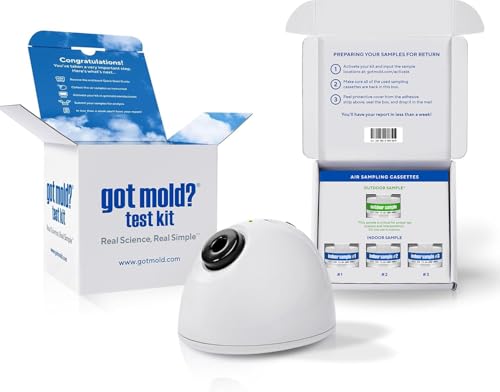
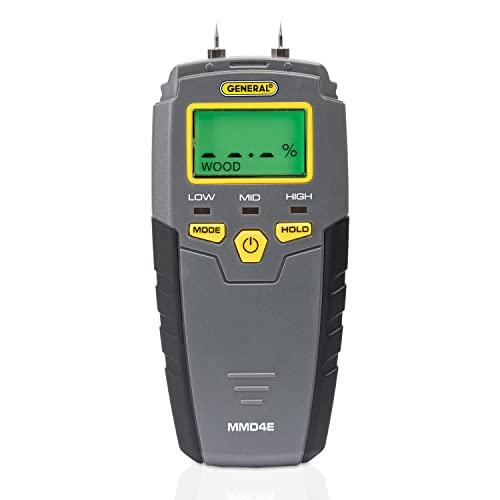
For small mold areas (under 10 square feet), DIY removal can save you $1,000-$3,000. You’ll need a N95 respirator, mold remover spray, and a moisture meter to verify the area is dry after treatment. For a basic DIY assessment, start with a home mold test kit.
Hire a professional in Oklahoma City when the affected area is larger than 10 square feet, mold is in your HVAC system, you suspect mold behind walls, or anyone in the household has respiratory health issues. Use our complete DIY mold removal guide for small projects and our guide on when to test for mold to determine if you need professional help.

How to Find a Reputable Mold Remediation Company in Oklahoma City
- Verify licensing and insurance (check OK requirements)
- Get at least 3 written estimates
- Ask for references from recent Oklahoma City-area jobs
- Ensure they follow IICRC S520 mold remediation standards
- Use a different company for testing and remediation (avoids conflict of interest)
- Get a written scope of work before any work begins
Common Mold Questions in Oklahoma City
How does Oklahoma’s clay soil affect mold?
Mold Removal Cost Breakdown by Room
Different rooms in Oklahoma City homes have varying mold remediation costs based on moisture levels, accessibility, and typical materials affected. Understanding room-specific pricing helps homeowners budget accurately for professional remediation services.
| Room Type | Typical Cost Range | Common Factors |
|---|---|---|
| Bathroom | $500 – $2,000 | Tile work, ventilation issues, plumbing leaks |
| Kitchen | $800 – $2,500 | Appliance leaks, cabinet replacement, plumbing |
| Basement | $1,200 – $4,000 | Foundation moisture, HVAC systems, larger areas |
| Crawl Space | $1,500 – $5,000 | Limited access, soil moisture, structural concerns |
| Attic | $1,000 – $3,500 | Roof leaks, insulation replacement, ventilation |
| Whole House | $5,000 – $20,000+ | HVAC contamination, multiple rooms, extensive damage |
Bathrooms in Oklahoma City often require mold remediation due to poor ventilation and humidity buildup. The moderate cost range reflects typical tile and grout replacement, but costs increase if mold spreads behind walls. Kitchens present unique challenges with appliance-related moisture issues, particularly around dishwashers and refrigerators. Using a mold test kit can help identify problem areas before they spread. Crawl space mold remediation is particularly expensive due to Oklahoma’s expansive clay soil that retains moisture and limited accessibility requiring specialized equipment.
How Oklahoma City’s Climate Affects Mold Growth and Costs
Oklahoma City’s humid subtropical climate with semi-arid transition creates unique mold challenges that directly impact remediation costs. The city’s 62% average humidity provides ideal conditions for mold growth, while 36.5 inches of annual rainfall creates frequent moisture intrusion opportunities. This climate combination means homeowners face higher baseline mold risks compared to truly arid regions.
The semi-arid transition aspect of Oklahoma City’s climate creates dramatic seasonal humidity swings. Summer humidity spikes can push indoor moisture levels above the 60% threshold where mold thrives, particularly in poorly ventilated spaces. Spring severe weather patterns bring intense rainfall events that can overwhelm drainage systems and create flooding conditions. These weather patterns increase remediation costs because water damage often affects multiple areas simultaneously, requiring comprehensive treatment rather than isolated spot remediation. Professional companies must account for Oklahoma’s expansive red clay soil, which retains moisture longer and can create ongoing foundation moisture issues that drive up remediation complexity and costs.
Seasonal Considerations for Mold Removal in Oklahoma City
Mold problems in Oklahoma City peak during spring and early summer when severe weather events create water intrusion and humidity levels climb. April through June represents the highest risk period, with tornado season bringing wind-driven rain that can penetrate even well-maintained homes. Professional remediation companies often see increased demand during these months, potentially driving up prices due to limited availability.
Fall and winter represent optimal seasons for scheduling non-emergency mold remediation in Oklahoma City. Lower humidity levels aid the drying process, and contractors may offer more competitive pricing during slower seasons. However, emergency remediation following storm damage cannot wait for ideal timing. Using an air quality monitor year-round helps detect mold issues before they become severe, allowing homeowners to schedule remediation during cost-effective periods. Winter remediation may present challenges with ventilation and drying, but professional companies can control indoor conditions to ensure successful treatment regardless of outdoor temperatures.
What to Expect During Professional Mold Remediation
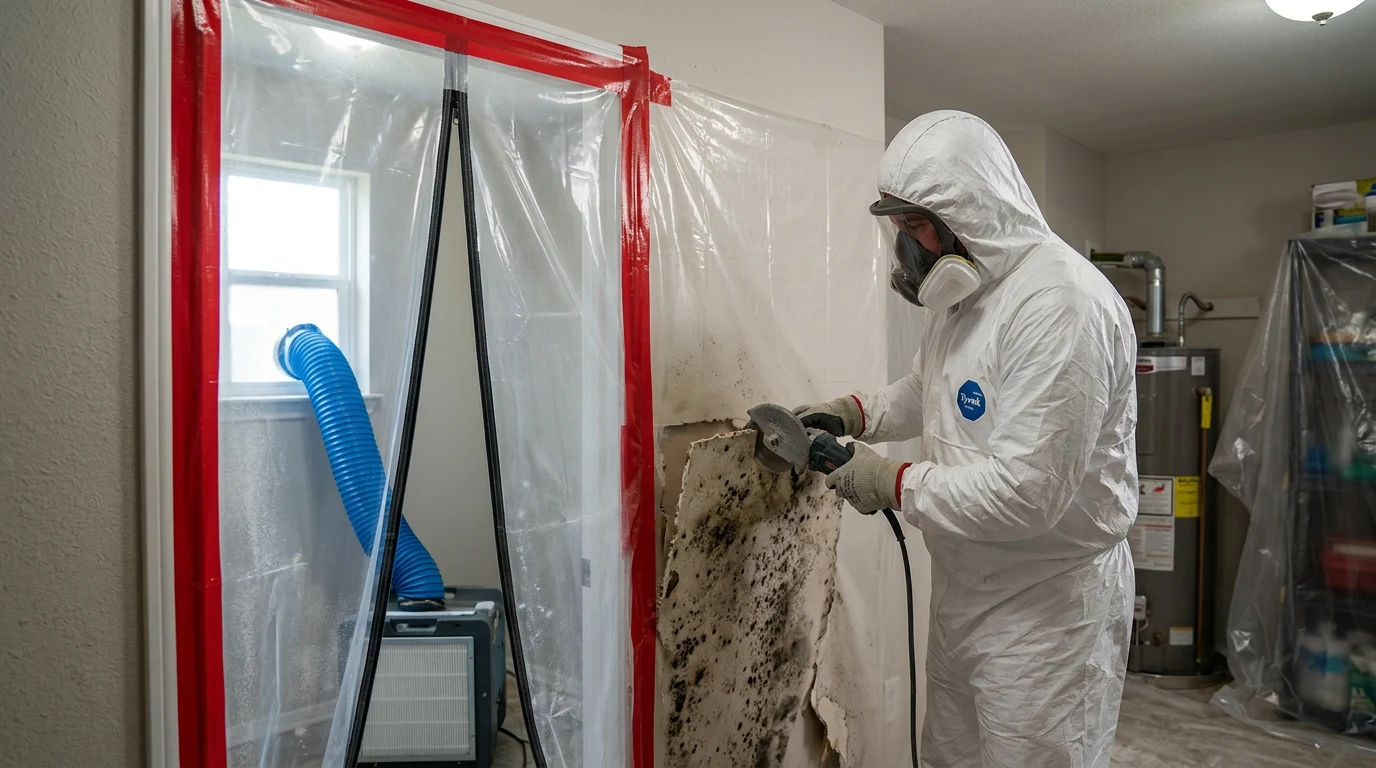
Professional mold remediation in Oklahoma City follows IICRC S520 standards with specific adaptations for local climate conditions. The process begins with containment setup using plastic sheeting and negative air machines to prevent mold spores from spreading throughout the home. Remediation specialists will establish dehumidification systems to maintain optimal moisture levels during treatment, particularly important given Oklahoma City’s variable humidity conditions.
The actual remediation timeline varies from 2-7 days depending on project scope and drying requirements. Oklahoma’s clay soil and humidity can extend drying times, particularly for crawl spaces and basements. Homeowners should expect noise from air filtration equipment and limited access to affected areas during treatment. The final phase includes post-remediation verification testing to ensure successful treatment. Professional companies following proper protocols will provide detailed documentation of the process, including before and after moisture readings and air quality test results. This documentation proves valuable for insurance claims and future home sales in the Oklahoma City market.
DIY vs Professional Mold Removal in Oklahoma City
DIY mold removal in Oklahoma City makes financial sense for small areas under 10 square feet, potentially saving homeowners $1,000-$3,000 in professional fees. However, Oklahoma’s unique climate challenges require careful attention to moisture control during and after treatment. DIY projects require proper protective equipment including N95 respirators, gloves, and eye protection, plus specialized tools like moisture meters to verify complete drying.
Professional remediation becomes necessary when mold exceeds 10 square feet, appears in HVAC systems, or involves structural materials like drywall removal. Oklahoma City’s tornado-prone location means homes often have hidden water damage that DIY efforts cannot adequately address. Professional companies have specialized equipment for dealing with Oklahoma’s clay soil moisture issues and wind-driven rain intrusion patterns. The health risks associated with disturbing large mold colonies, particularly in poorly ventilated spaces common in Oklahoma’s older homes, make professional remediation the safer choice for extensive contamination. Using mold remover sprays designed for Oklahoma’s humidity levels ensures better treatment success in DIY scenarios.
Insurance Coverage for Mold Removal in OK
Oklahoma homeowner’s insurance policies typically cover mold damage resulting from covered perils such as burst pipes, storm damage, or sudden water leaks. However, coverage exclusions are common for mold caused by maintenance neglect, gradual leaks, or flooding from external sources. Oklahoma’s tornado-prone climate means storm-related mold claims are more frequently approved, but homeowners must document the connection between the covered event and resulting mold growth.

Filing successful mold claims in Oklahoma requires prompt action and thorough documentation. Insurance companies expect homeowners to begin mitigation efforts immediately after discovering water damage to prevent mold after water damage. Claims should include photos, moisture readings, and professional assessments linking the mold to a covered peril. Many Oklahoma policies include mold coverage limits ranging from $1,000-$10,000, with higher limits available through endorsements. Given Oklahoma City’s average remediation costs of $1,000-$3,500, standard coverage may not fully cover extensive remediation projects, making additional coverage worth considering for homeowners in high-risk areas.
Frequently Asked Questions
How much does mold removal cost in Oklahoma City?
The average mold remediation cost in Oklahoma City, OK ranges from $1,000 – $3,500 depending on the size of the affected area, type of mold, and accessibility. Small bathroom mold removal may cost $500-$1,000, while whole-house remediation can exceed $10,000.
How much does a mold inspection cost in Oklahoma City?
A professional mold inspection in Oklahoma City, OK typically costs $200 – $450. This usually includes a visual assessment, moisture readings, and may include air or surface sampling.
Does homeowner’s insurance cover mold removal in OK?
Most homeowner’s insurance policies in OK cover mold damage if it results from a covered peril (like a burst pipe). Mold from maintenance neglect, flooding, or humidity is typically not covered. Check your specific policy.
Can I remove mold myself in Oklahoma City?
For small areas (under 10 square feet), DIY removal is feasible with proper PPE. For larger areas or if you have health concerns, hire a professional mold remediation company in Oklahoma City, OK. OK may require licensed professionals for certain projects.
Can tornado damage cause mold in Oklahoma City?
Yes, tornado damage commonly leads to mold growth in Oklahoma City homes. Even tornadoes that don’t directly hit can drive rain horizontally at 60+ mph through gaps in siding, windows, and roof vents. Wind-driven rain can penetrate areas that typically stay dry, creating hidden moisture problems that develop into mold within 24-48 hours.

How does Oklahoma’s clay soil affect mold growth?
Oklahoma’s expansive red clay soil retains moisture longer than sandy soils, creating persistent foundation moisture issues. This clay expands and contracts with moisture changes, potentially creating cracks that allow water intrusion. The soil’s moisture retention characteristics mean basement and crawl space mold problems often persist longer and require more extensive remediation efforts.
What humidity level is normal in Oklahoma City?
Oklahoma City averages 62% humidity annually, with significant seasonal variation. Summer humidity often exceeds 70%, while winter levels may drop below 50%. Indoor humidity should be maintained between 30-50% to prevent mold growth, requiring dehumidification during Oklahoma’s humid summer months.
When should I test for mold after Oklahoma storms?
Test for mold 24-48 hours after any water intrusion from Oklahoma storms. Use a home mold test to check areas where wind-driven rain may have penetrated, particularly attics, walls near windows, and areas around roof vents. Early detection prevents small problems from becoming expensive whole-house remediation projects.
What are signs of mold in Oklahoma City homes?
Common signs include musty odors, visible black or green spots, water stains, and respiratory symptoms that worsen at home. Oklahoma’s humidity can cause mold to develop quickly after storms, so check areas prone to moisture like bathrooms, basements, and around windows. Professional mold testing confirms the presence and identifies specific species.
How long does mold remediation take in Oklahoma City?
Most mold remediation projects in Oklahoma City take 2-7 days, depending on the scope and Oklahoma’s climate conditions. High humidity can extend drying times, while severe cases requiring structural repairs may take several weeks. Emergency remediation after storm damage typically begins within 24 hours to prevent mold growth from starting.
Related Guides
- DIY Mold Removal Guide
- Complete Mold Testing Guide
- Mold Exposure Health Risks
- How to Prevent Mold After Water Damage
These statements have not been evaluated by the Food and Drug Administration. This information is not intended to diagnose, treat, cure, or prevent any disease. Content is for informational purposes only and is not medical advice; consult a qualified healthcare provider before starting any supplement. As an Amazon Associate we earn from qualifying purchases.