If you’re dealing with mold in your Nashville, TN home, understanding the costs involved is the first step toward getting it resolved. Nashville, TN has a high mold risk rating due to its humid subtropical climate, 69% average humidity, and 47.3 inches of annual rainfall. This guide breaks down exactly what mold removal costs in Nashville, what factors affect pricing, and whether you should DIY or hire a professional.
Our reviews are based on aggregated verified buyer feedback, manufacturer specifications, ingredient analysis, and published expert opinion. Products are not independently purchased or tested by our team. We may earn a commission if you purchase through our links, at no extra cost to you. How We Review
Nashville at a Glance: Mold Risk Profile
| Factor | Detail |
|---|---|
| Population | 683,622 (metro: 1,989,519) |
| Average Home Price | $420,000 |
| Climate Zone | Humid subtropical |
| Average Humidity | 69% |
| Annual Rainfall | 47.3 inches |
| Mold Risk Rating | High |
| Common Housing Types | Mix of historic homes, new construction, many with basements and crawl spaces |
Average Mold Removal Costs in Nashville
| Service | Cost Range |
|---|---|
| Mold Inspection | $275 – $500 |
| Small Area Remediation (under 10 sq ft) | $500 – $1,500 |
| Standard Remediation | $1,500 – $4,500 |
| Whole-House Remediation | $5,000 – $15,000+ |
| Post-Remediation Air Testing | $200 – $400 |
Why Mold Is Common in Nashville
Limestone bedrock channels water toward foundations, heavy spring rains, rapid development on flood plains, many older homes lack modern moisture barriers
Local insight: Nashville experienced major flooding in 2010 (Cumberland River crested at 51.9 feet) and again in 2021, leaving thousands of homes with lingering moisture issues.
Nashville Housing and Mold: What to Know
Nashville’s limestone bedrock creates natural water channels. If your home has a basement, check where the foundation meets the floor slab for efflorescence (white mineral deposits), which indicates water migration.
Factors That Affect Mold Removal Cost in Nashville
- Size of affected area: Small bathroom mold vs. entire basement requires different approaches and costs
- Type of mold: Common mold is straightforward; suspected toxic mold (Stachybotrys) requires additional testing and containment
- Location: Accessible areas cost less than mold in crawl spaces, attics, or inside walls
- Cause of moisture: Fixing the underlying moisture issue (plumbing leak, drainage, humidity) adds to total cost
- Materials affected: Drywall replacement costs more than surface cleaning of tile or concrete
- Licensing requirements: Tennessee Uniform Residential Landlord Tenant Act (T.C.A. § 66-28-304) requires landlords to maintain fit and habitable premises. No specific mold statute.
DIY vs. Professional Mold Removal in Nashville
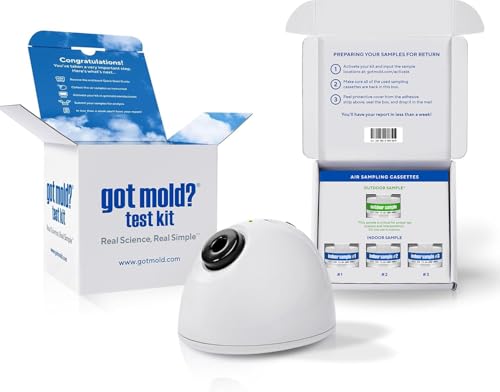
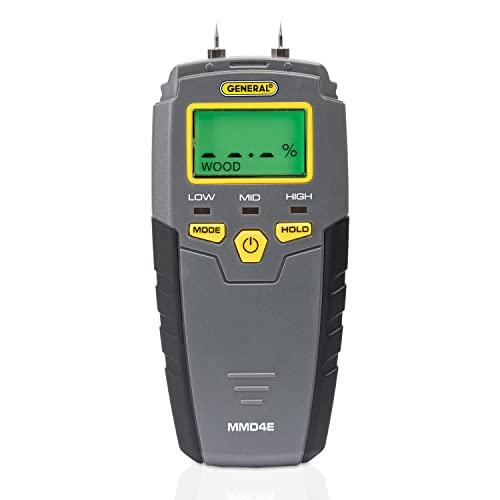
For small mold areas (under 10 square feet), DIY removal can save you $1,000-$3,000. You’ll need a N95 respirator, mold remover spray, and a moisture meter to verify the area is dry after treatment. For a basic DIY assessment, start with a home mold test kit.
Hire a professional in Nashville when the affected area is larger than 10 square feet, mold is in your HVAC system, you suspect mold behind walls, or anyone in the household has respiratory health issues. Use our complete DIY mold removal guide for small projects and our guide on when to test for mold to determine if you need professional help.
How to Find a Reputable Mold Remediation Company in Nashville
- Verify licensing and insurance (check TN requirements)
- Get at least 3 written estimates
- Ask for references from recent Nashville-area jobs
- Ensure they follow IICRC S520 mold remediation standards
- Use a different company for testing and remediation (avoids conflict of interest)
- Get a written scope of work before any work begins
Common Mold Questions in Nashville
Mold Removal Cost Breakdown by Room
Nashville homeowners typically encounter mold in specific areas of their homes due to the city’s high humidity and frequent moisture intrusion. Understanding room-specific costs helps budget for remediation more accurately. The limestone bedrock common in Nashville foundations creates additional challenges for basement and crawl space mold removal.
| Room/Area | Typical Size | Cost Range | Special Considerations |
|---|---|---|---|
| Bathroom | 50-100 sq ft | $800 – $2,500 | Tile replacement, fixture removal |
| Kitchen | 100-200 sq ft | $1,200 – $3,500 | Cabinet removal, appliance disconnection |
| Basement | 500-1,000 sq ft | $2,500 – $8,000 | Limestone moisture issues, poor ventilation |
| Crawl Space | 300-800 sq ft | $2,000 – $6,500 | Limited access, encapsulation often needed |
| Attic | 400-800 sq ft | $1,800 – $5,500 | Insulation replacement, roof leak repairs |
| Whole House | 1,500+ sq ft | $8,000 – $25,000 | HVAC system remediation included |
Bathroom mold removal in Nashville often involves more than surface cleaning due to chronic humidity issues. Professional remediation may require removing tile, drywall behind showers, and addressing ventilation problems. Kitchen remediation costs increase when mold spreads behind cabinets or under flooring, especially in older Nashville homes where moisture barriers may be inadequate.
Basement remediation represents the highest per-square-foot costs due to Nashville’s unique geological challenges. The limestone bedrock channels groundwater toward foundations, creating persistent moisture problems. Many older homes in neighborhoods like Belle Meade and Green Hills require comprehensive moisture control systems alongside mold removal. For accurate assessment, homeowners should consider using a professional mold test kit before remediation begins.
How Nashville’s Climate Affects Mold Growth and Costs
Nashville’s humid subtropical climate creates ideal conditions for mold growth year-round, directly impacting remediation costs and frequency. With 69% average humidity throughout the year, indoor moisture levels consistently exceed the 60% threshold where mold thrives. This persistent humidity means Nashville homeowners face higher baseline remediation costs compared to drier climates.

The city’s 47.3 inches of annual rainfall, concentrated heavily in spring months, creates seasonal spikes in mold problems. Spring storms often overwhelm older drainage systems, particularly in rapidly developed areas like Franklin and Brentwood. These moisture events can trigger extensive mold growth within 24-48 hours, requiring immediate professional intervention that typically costs 15-25% more than routine remediation due to emergency service premiums.
Nashville’s location in Tennessee’s humid subtropical zone means temperature and humidity combinations remain favorable for mold growth from March through November. Unlike northern climates where winter freezes provide natural mold suppression, Nashville’s mild winters allow continuous mold development. This extended growing season increases the likelihood of discovering established mold colonies that require more extensive remediation, often involving structural modifications and enhanced ventilation systems that can double standard removal costs.
The combination of limestone bedrock and clay soil common throughout Davidson County creates additional moisture retention issues. These geological factors mean Nashville homes require more comprehensive moisture control solutions during remediation, including foundation waterproofing and enhanced dehumidification systems. These climate-driven additions typically add $1,000-$3,000 to standard remediation costs but prevent costly recurring mold problems.
Seasonal Considerations for Mold Removal in Nashville
Mold prevalence in Nashville follows distinct seasonal patterns, with spring representing peak discovery and remediation season. The period from March through May sees the highest volume of new mold cases due to heavy rainfall, temperature fluctuations, and increased indoor humidity from spring storms. Homeowners often discover winter mold growth during spring cleaning, leading to high demand for professional services and premium pricing.
Summer months present optimal conditions for mold remediation in Nashville, despite higher humidity levels. The consistent warm weather allows for effective drying and ventilation during the removal process. Professional companies often offer competitive pricing during July and August as homeowners can keep windows open and rely less on HVAC systems during remediation. This season also provides the best conditions for post-remediation prevention measures like foundation repairs and improved ventilation installation.
Fall remediation projects benefit from lower humidity and stable temperatures, but costs may increase as professionals prepare for winter scheduling bottlenecks. October through November represents an ideal time for comprehensive mold prevention work, including crawl space mold remediation and basement waterproofing. Winter remediation faces challenges from limited ventilation options and heating system complications, often extending project timelines and increasing labor costs by 10-20%.
What to Expect During Professional Mold Remediation
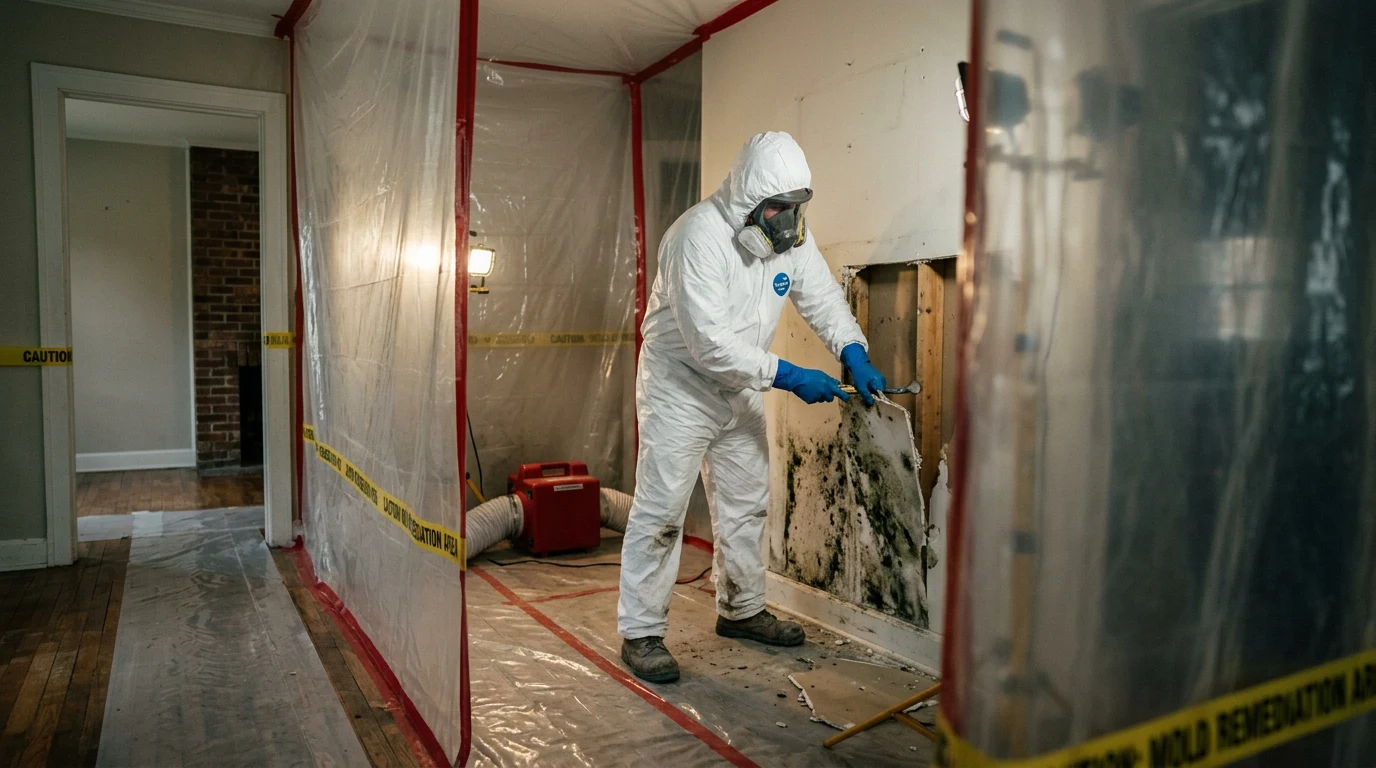
Professional mold remediation in Nashville follows a systematic process designed to address both visible mold and underlying moisture issues. The initial phase involves comprehensive assessment and containment, typically taking 1-2 days for standard residential projects. Technicians establish negative air pressure systems and physical barriers to prevent mold spore spread throughout the home during removal activities.
The active remediation phase generally requires 3-7 days depending on project scope and materials involved. Nashville’s limestone foundation issues often extend timelines as contractors address moisture intrusion alongside mold removal. Homeowners should expect daily progress updates and may need to vacate areas during intensive removal activities, particularly when dealing with HVAC system remediation or structural material replacement.
Post-remediation verification involves comprehensive cleaning and independent testing to confirm successful mold removal. Professional companies following IICRC standards conduct final inspections and provide documentation for insurance purposes. Nashville homeowners typically receive detailed reports within 48-72 hours of project completion, including recommendations for ongoing moisture control and prevention strategies specific to local climate challenges.
Throughout the process, homeowners should maintain alternative living arrangements for severely affected areas and ensure proper communication with remediation teams about daily schedules and access requirements. The entire process from initial assessment through final clearance typically requires 1-2 weeks for standard residential projects, with complex cases involving structural repairs extending to 3-4 weeks.
DIY vs Professional Mold Removal in Nashville
Nashville homeowners can safely address small mold problems under 10 square feet using DIY methods, potentially saving $1,500-$3,500 compared to professional services. Successful DIY removal requires proper safety equipment including N95 respirators, protective clothing, and adequate ventilation. Essential tools include mold remover sprays specifically designed for the affected surface type and reliable moisture meters to verify complete drying.
Professional remediation becomes necessary when mold covers areas larger than 10 square feet, appears in HVAC systems, or develops behind walls and structural materials. Nashville’s high humidity and limestone foundation issues often create complex moisture problems requiring specialized equipment and expertise. Professional services include containment systems, negative air pressure, and comprehensive moisture source identification that DIY methods cannot adequately address.
Cost comparison for typical Nashville mold scenarios shows DIY bathroom projects averaging $200-$500 in materials and supplies, while professional services range from $1,200-$2,800 for the same area. However, DIY efforts often miss underlying moisture issues common in Nashville homes, leading to recurring problems that ultimately cost more than initial professional remediation. Homeowners should conduct thorough assessment using an mold test kit before deciding between DIY and professional approaches.
Safety considerations strongly favor professional remediation for anyone with respiratory conditions, compromised immune systems, or suspected toxic mold exposure. Nashville’s older housing stock frequently contains materials that require specialized handling during mold removal. Professional companies carry appropriate insurance and follow established protocols for safe disposal of contaminated materials, reducing liability risks for homeowners.
Insurance Coverage for Mold Removal in TN
Tennessee homeowner’s insurance policies typically provide limited mold coverage, generally only when mold results from a covered peril such as burst pipes or sudden appliance failures. Standard policies exclude mold damage from long-term maintenance issues, humidity problems, or flooding events like Nashville’s 2010 and 2021 floods. Homeowners should review their specific policy language regarding mold exclusions and coverage limits before filing claims.
Most Tennessee insurance policies cap mold remediation coverage between $10,000-$50,000, often insufficient for comprehensive whole-house remediation in Nashville’s climate. Additional mold coverage endorsements are available from most carriers for $100-$300 annually, providing enhanced protection up to $100,000. These endorsements particularly benefit Nashville homeowners given the area’s high mold risk and frequent moisture intrusion issues.
Successfully filing mold-related insurance claims requires immediate notification following discovery and proper documentation of the underlying covered cause. Homeowners should take photographs, maintain detailed records of initial water damage, and engage professional remediation companies that provide insurance-compliant documentation. Tennessee insurers typically require independent moisture testing and may mandate specific remediation procedures to validate coverage.
Preventive measures like routine maintenance, proper ventilation, and moisture control systems generally aren’t covered by insurance but can prevent policy cancellation due to repeated mold claims. Nashville homeowners should consider these investments as essential given local climate challenges, as insurance companies may non-renew policies after multiple mold-related claims within a short timeframe.
Frequently Asked Questions
How much does mold removal cost in Nashville?
The average mold remediation cost in Nashville, TN ranges from $1,500 – $4,500 depending on the size of the affected area, type of mold, and accessibility. Small bathroom mold removal may cost $500-$1,000, while whole-house remediation can exceed $10,000.
How much does a mold inspection cost in Nashville?
A professional mold inspection in Nashville, TN typically costs $275 – $500. This usually includes a visual assessment, moisture readings, and may include air or surface sampling.
Does homeowner’s insurance cover mold removal in TN?
Most homeowner’s insurance policies in TN cover mold damage if it results from a covered peril (like a burst pipe). Mold from maintenance neglect, flooding, or humidity is typically not covered. Check your specific policy.

Can I remove mold myself in Nashville?
For small areas (under 10 square feet), DIY removal is feasible with proper PPE. For larger areas or if you have health concerns, hire a professional mold remediation company in Nashville, TN. TN may require licensed professionals for certain projects.
Does Nashville’s limestone affect basement mold?
Yes, Nashville’s limestone bedrock creates natural water channels that direct groundwater toward home foundations. This geological feature increases basement moisture levels and mold risk. Look for efflorescence (white mineral deposits) where foundation meets floor slab as an indicator of water migration issues requiring professional assessment.
How quickly should I address mold after Nashville flooding?
Mold can begin growing within 24-48 hours after water damage in Nashville’s humid climate. Start preventing mold after water damage immediately by removing standing water, increasing ventilation, and using dehumidifiers. Professional assessment should occur within 72 hours of flooding events.
Are Nashville home inspections required to check for mold?
Tennessee law doesn’t require mold inspection during real estate transactions, but many Nashville buyers request optional mold testing given the area’s high risk. Buyers can negotiate mold inspections as part of their due diligence period, typically costing $275-$500 for comprehensive assessment.
What are signs I need professional mold testing in Nashville?
Professional mold testing becomes necessary when detecting musty odors without visible mold, after water damage events, or when experiencing unexplained respiratory symptoms. Nashville’s high humidity can hide mold growth behind walls or in HVAC systems. Consider starting with a mold test kit for initial screening.
How long does mold remediation take in Nashville?
Standard residential mold remediation in Nashville typically requires 3-7 days for active removal, with total project timelines of 1-2 weeks including assessment and verification testing. Complex cases involving Nashville’s limestone foundation issues or extensive structural damage may extend to 3-4 weeks for complete remediation.
What’s the best season for mold remediation in Nashville?
Summer months offer optimal conditions for mold remediation in Nashville due to consistent temperatures and ability to maintain natural ventilation during the process. Fall provides good conditions with lower humidity, while spring often involves premium pricing due to high demand from winter mold discovery and storm-related damage.
What factors specifically influence mold remediation costs in Nashville?
Beyond the size of the affected area, specific factors in Nashville include the type of mold (some require more specialized containment), the extent of moisture damage to building materials common in humid climates, and the accessibility of the mold in older Nashville homes. Remediation costs can also fluctuate based on current demand for certified professionals within the Nashville metro area.
How long does a typical mold remediation process take in Nashville?
The duration of mold remediation in Nashville typically ranges from 1 to 5 days, depending on the severity and location of the mold growth. This timeframe includes containment, removal, cleaning, and post-remediation verification, all crucial steps to ensure the mold is effectively eliminated from your Nashville property.
Related Guides
- DIY Mold Removal Guide
- Complete Mold Testing Guide
- Mold Exposure Health Risks
- How to Prevent Mold After Water Damage
These statements have not been evaluated by the Food and Drug Administration. This information is not intended to diagnose, treat, cure, or prevent any disease. Content is for informational purposes only and is not medical advice; consult a qualified healthcare provider before starting any supplement. As an Amazon Associate we earn from qualifying purchases.